Ubagami Daijin-gū Shrine: A Historic Shinto Shrine in Esashi, Japan


Site at a Glance
- Rating
- 4.2
- Popularity
- Low
- Country
- Japan
- Primary era
- Early Modern
- External website
- Open
- Eras represented
- Early Modern
- Civilizations
- Tokugawa
- Site type
- Religious
- Remains
- Sanctuary
On this page7 sections
History
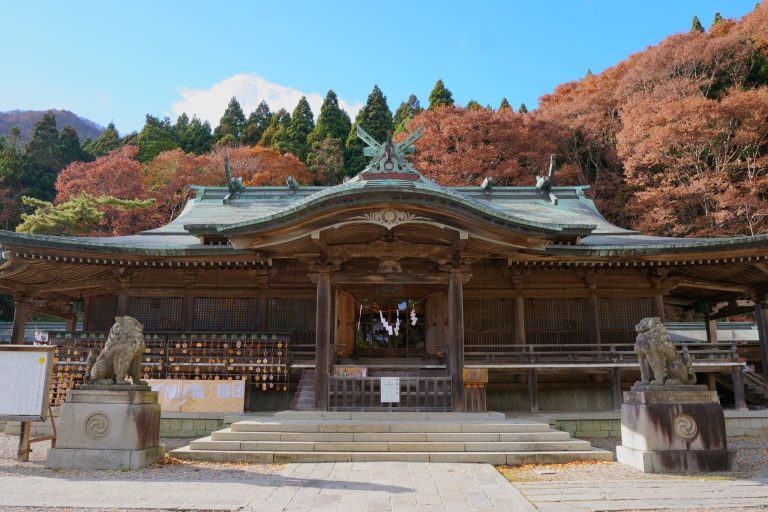
Ubagami Daijin-gū is a Shinto shrine in Esashi, Japan, whose foundation tradition places its establishment in 1216 during the Kamakura period, a medieval era conventionally dated from 1185 to 1333. Its exact foundation date is uncertain, but the shrine is regarded as one of Hokkaido’s oldest Shinto shrines and is traditionally described as the oldest. Its existence is documented from the Edo period, when the Tokugawa shogunate governed Japan.
Origins at Tsuhana
Shrine tradition places the original sanctuary at Tsuhana on the Esashi waterfront. An elderly woman called Orii, or possibly Orin, lived there in a hermitage and was respected for predicting weather and epidemics. After seeing a light from Kamui-shiri Island, she crossed to the island and received a small ritual vessel from an old man. He instructed her to scatter its water into the sea. A large herring run followed, bringing prosperity through an abundant catch. When villagers came to thank her, she had disappeared, and they enshrined an image left in her hermitage as Ubagami.
Another interpretation connects the shrine’s origin with an Ainu-period tradition. In this version, an elderly Ainu couple facing starvation received divine instructions to stir the sea with an oar and obtain a great herring run. The old man was enshrined at the Ebisu Hall on Kamui-shiri Island, while the old woman was enshrined at Ubagami Daijin-gū. The two traditions preserve related explanations for the shrine’s association with herring and maritime prosperity.
Relocation and Matsumae patronage
The shrine moved to its present location in 1644. During the Edo period, it received the veneration of the Matsumae rulers, the samurai government that controlled southern Hokkaido. The domain’s ninth lord, Michihiro, dedicated a plaque bearing a phrase meaning that bestowing blessings brings great peace.
That plaque became involved in a political crisis in 1799. Mogami Tokunai, an official and explorer inspecting Ezo under orders from the shogunate, misread a character written in cursive as a reference to Russians rather than to the original phrase. His report led the shogunate to suspect that the Matsumae domain had maintained illicit contact with Russia, placing the domain at risk of abolition. A later investigation traced the confusion to the plaque’s cursive writing, and the domain avoided abolition. Michihiro then replaced the plaque with one inscribed “Hall of Bestowing Benefits on the People.”
Religious status and continuing tradition
During the Bunka era of the late Edo period, the imperial court granted the shrine the divine rank of Shōichi, a first-rank status historically conferred by the court. The shrine is formally associated with Amaterasu Omikami, the Shinto sun deity and a central ancestral figure in imperial mythology; Ame-no-Koyane-no-Mikoto, a deity linked with ritual prayer and the Nakatomi priestly tradition; and Sumiyoshi Okami, associated with the sea, safe travel, and maritime protection. It was formerly classified as a prefectural shrine within the prewar state-supported system of shrine ranks.
Ubagami Daijin-gū remains associated with the annual Ubagami Daijin-gū Togyosai, held in August. The festival includes floats decorated with lanterns moving through the town. Participants connected with the floats may also visit the former shrine site at Tsuhana and occasionally offer kiri-goe, the distinctive shouted calls used in festival observances. The shrine is described as the Ichinomiya of the former Oshima Province, meaning the principal shrine of that historical province, a status indicated on name cards distributed during the Togyosai.
Remains
Present shrine grounds
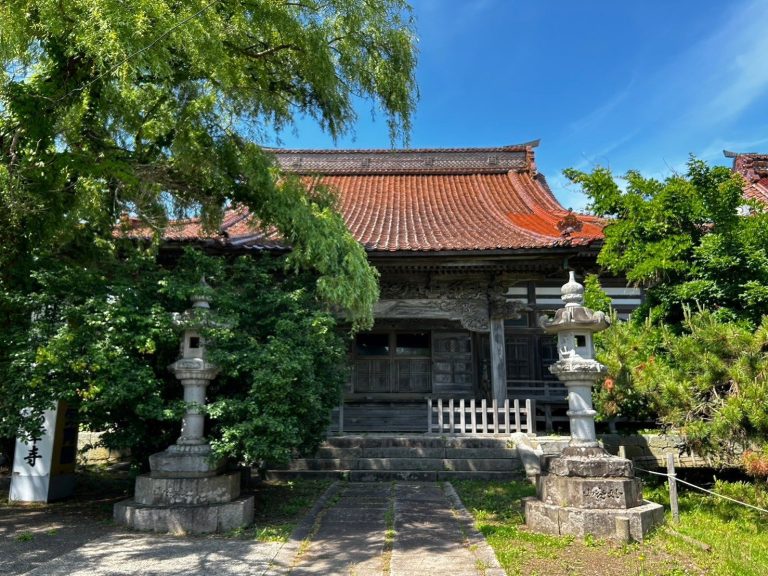
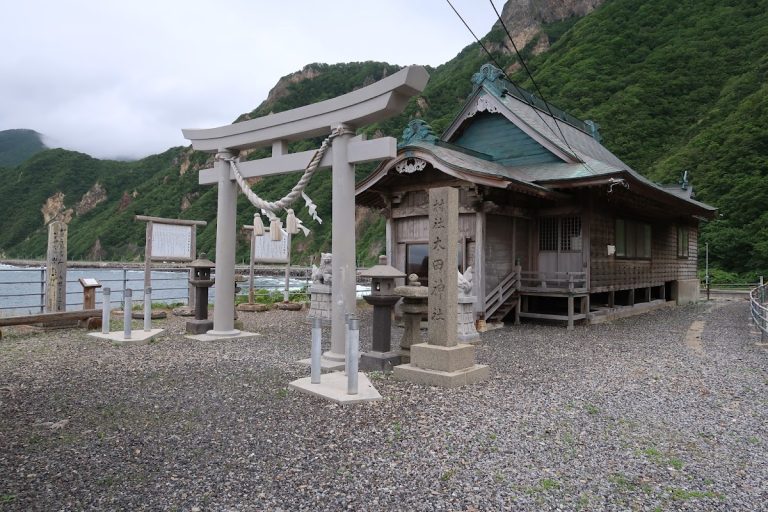
Ubagami Daijin-gū occupies its present site in Ubagami Town, Esashi. The grounds contain a torii, the gateway marking the entrance to a Shinto sacred precinct, as well as a worship hall where formal acts of worship are conducted. They also include the present Orii Shrine, traditionally understood to have been established later to enshrine the elderly woman associated with the shrine’s origin.
Former Orii Shrine site at Tsuhana
The site at Tsuhana, regarded as the former location of the Orii Shrine, contains a torii, a stone monument, and an enclosed well known as “Orii’s Well.” The monument identifies the place as the former site of Orii Shrine and commemorates Orii as the ancestral founder of Hokkaido’s fishing industry. The Tsuhana site and its well are maintained by volunteers from the Tsuhana and Ubagami neighborhood associations.