Trascău Fortress: A Medieval Fortified Residence in Romania
Site at a Glance
- Rating
- 4.7
- Popularity
- Medium
- Country
- Romania
- Primary era
- Medieval
- Eras represented
- Medieval
- Civilizations
- Hungarian
- Site type
- Military
- Remains
- Castle
On this page7 sections
History
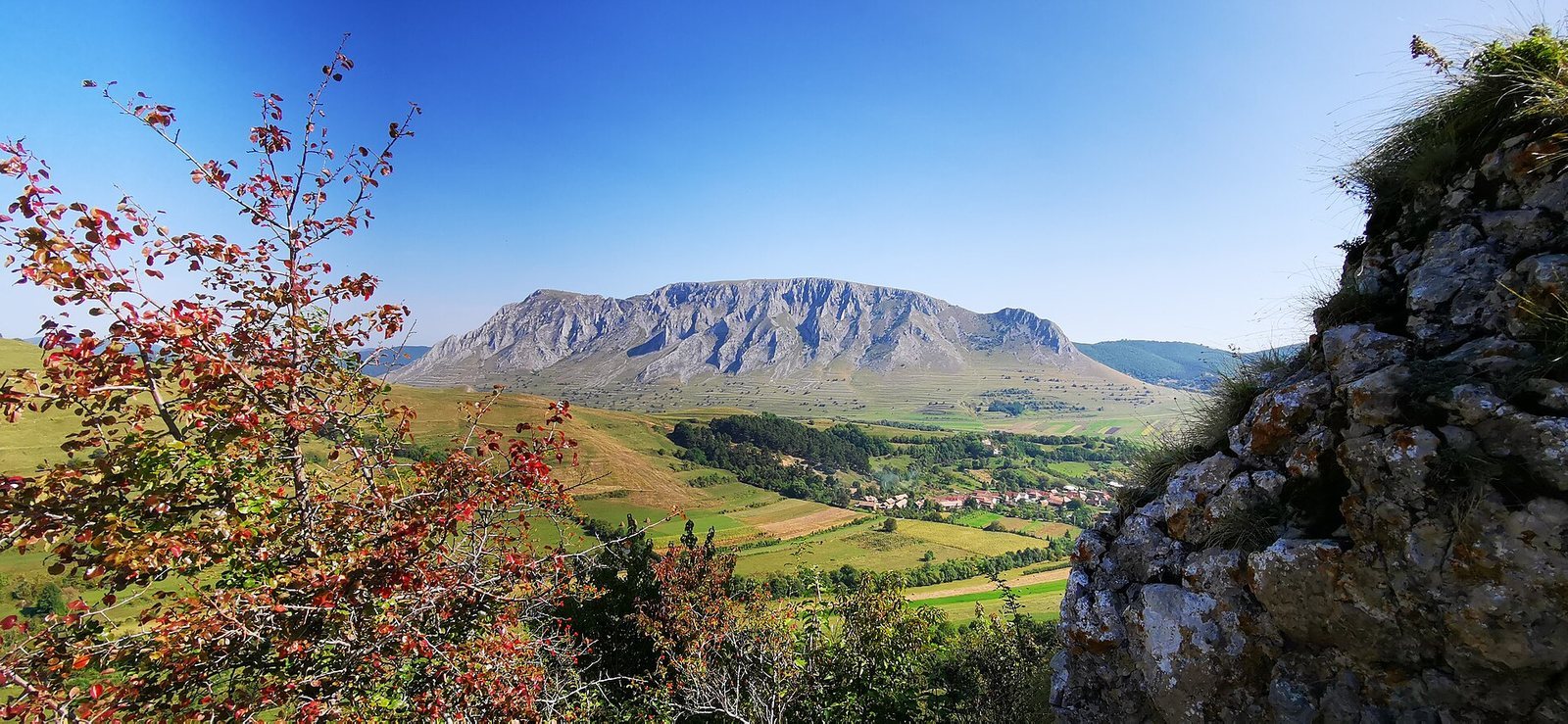
Trascău Fortress, also known as Colțești Fortress, is a medieval fortified residence in Alba County, Romania, west of Colțești village. Built around 1296 as a residence and refuge, it followed the Mongol invasion of 1241, part of the Mongol expansion into Europe, which severely damaged the towns of Trascău and Sângiorgiu.
Changes in ownership and destruction
In 1470, Matthias Corvin, king of Hungary, confiscated the fortress and transferred it to the voivode of Transylvania. A voivode was a regional governor. The fortress returned to the Thorotzkay family in 1510. Four years later, peasants led by military leader Gheorghe Doja devastated it.
During the Kuruc revolt, an uprising against Habsburg rule in the late seventeenth and early eighteenth centuries, the Thorotzkay family opposed the Habsburg annexation of Transylvania and lost its political prominence. In 1703, Austrian imperial troops under General Tiege destroyed the fortress.
Remains
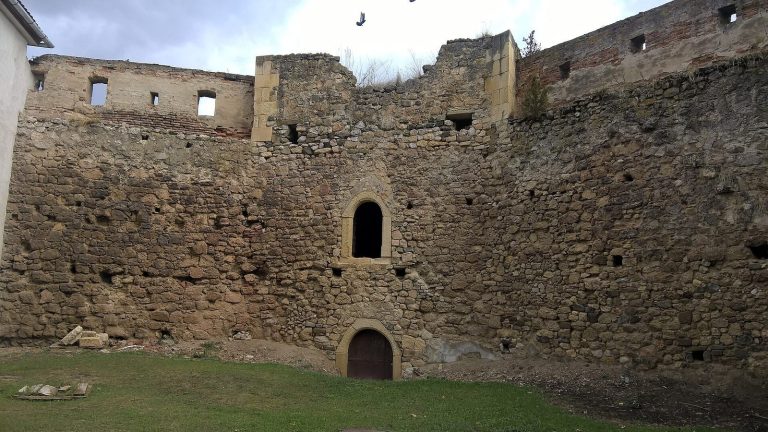
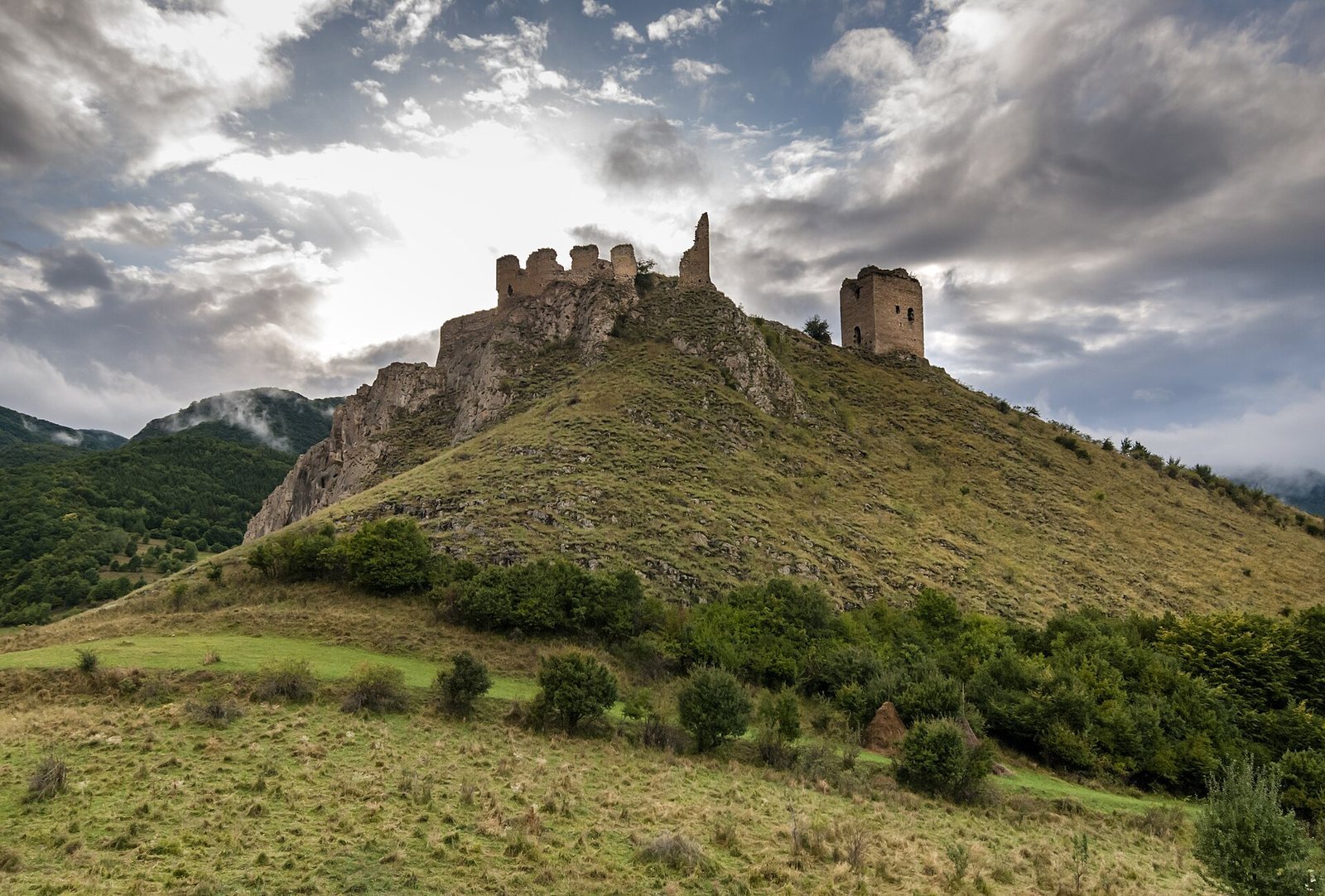
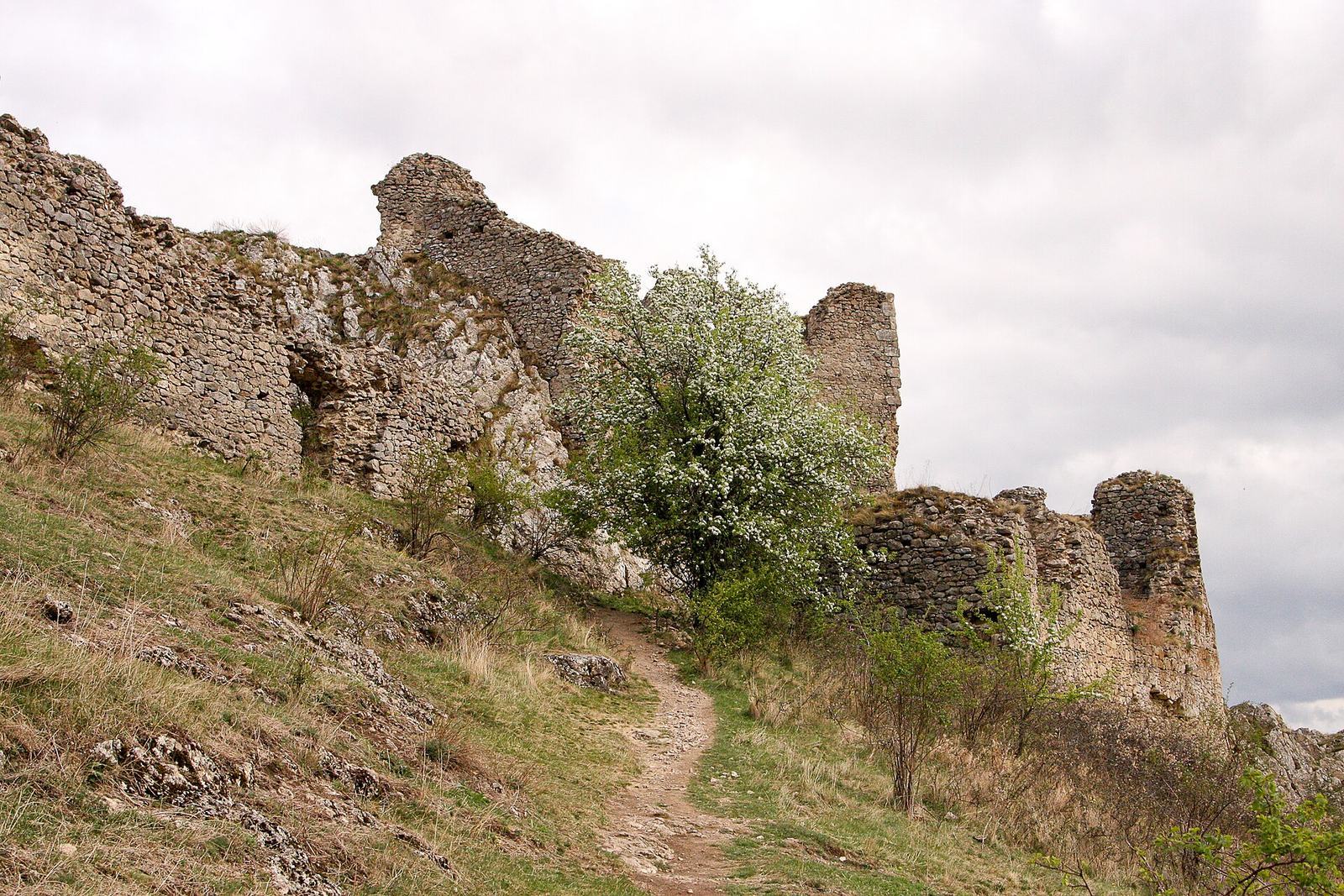
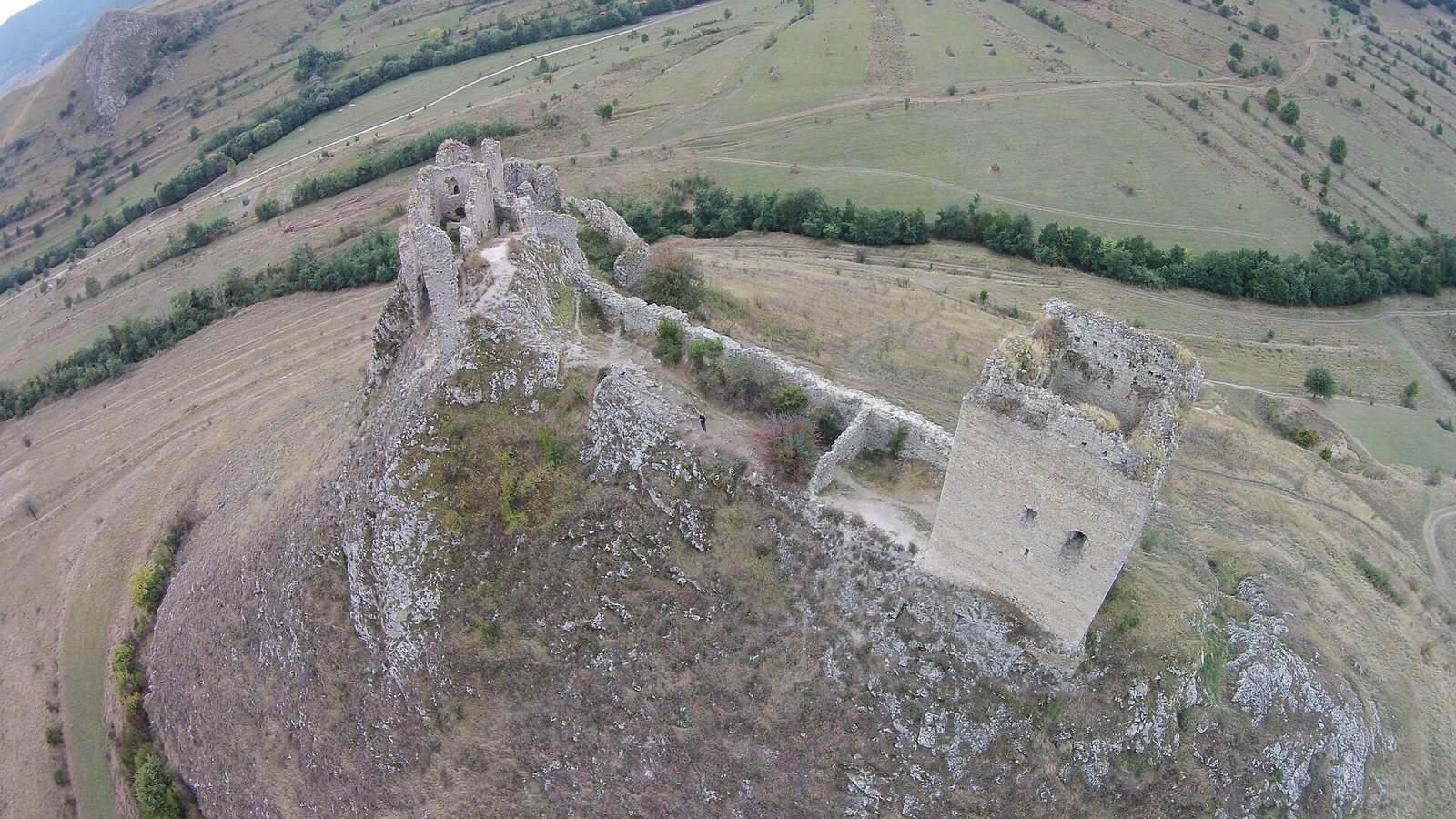
The fortress stands on the steep summit of a limestone cliff, about five kilometres southwest of Rimetea. Its surviving structures include parts of an enclosure, two lateral towers, and a keep.
Walls and towers
Enclosure walls
A substantial portion of the walls that enclosed the fortress survives, preserving parts of its defensive boundary.
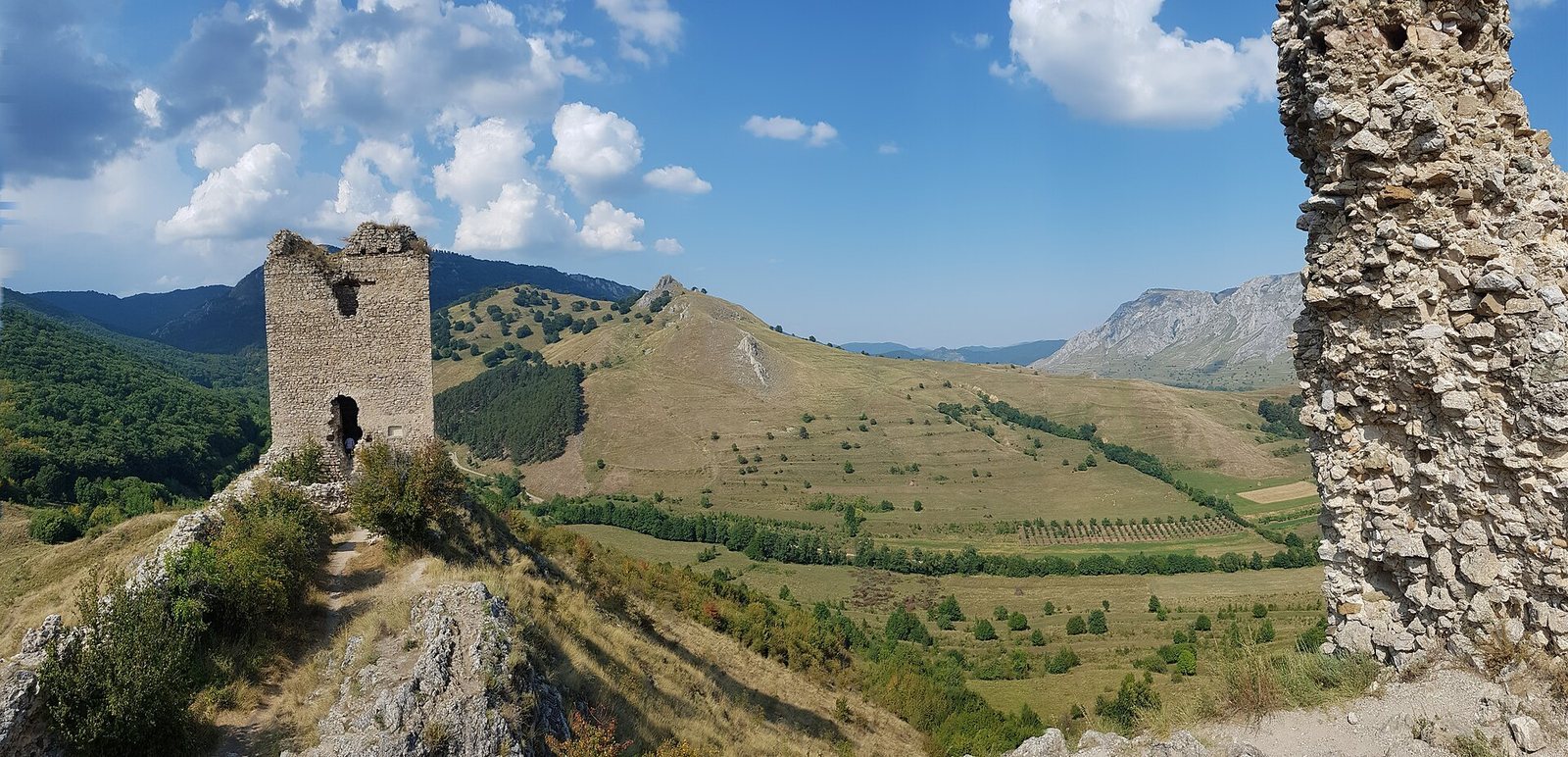
North tower
The north tower rises about 20 metres. An inscription on it credits the Thorotzkay family with building the castle in the thirteenth century.
Keep
A keep is also identified among the fortress’s structures.