Kežmarok Town Hall: A Civic Building in Slovakia
Site at a Glance
- Popularity
- Very Low
- Country
- Slovakia
- Primary era
- Early Modern
- Eras represented
- Medieval, Early Modern
- Civilizations
- Hungarian
- Site type
- Civic
- Remains
- Town Hall
On this page5 sections
History
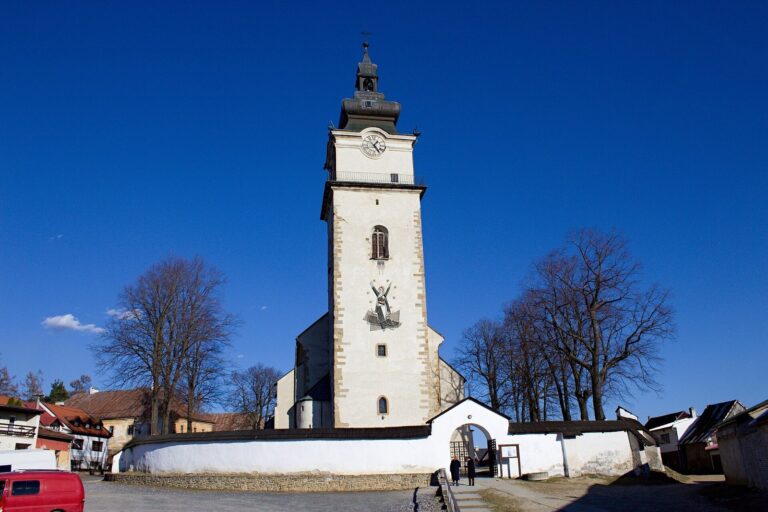
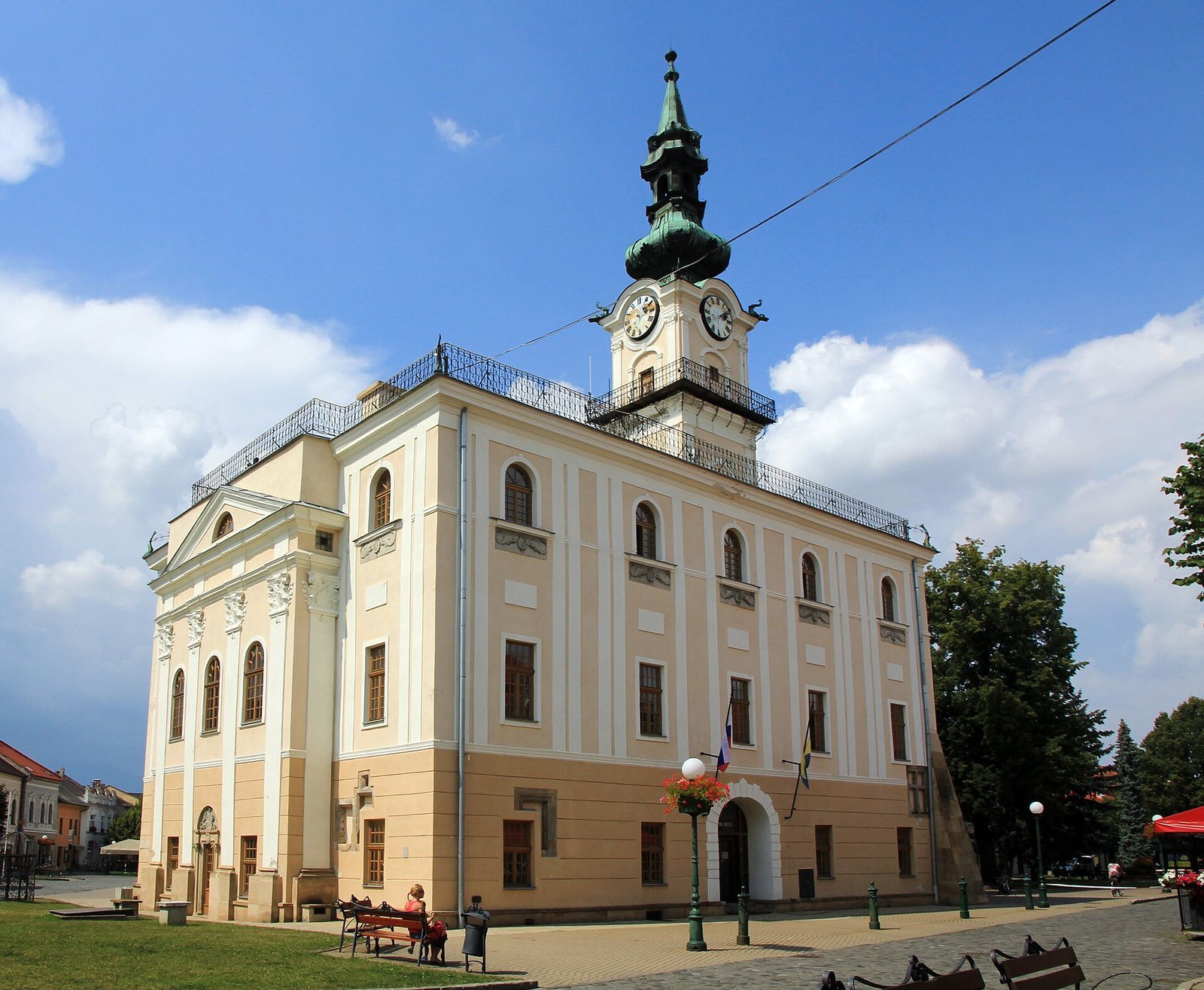
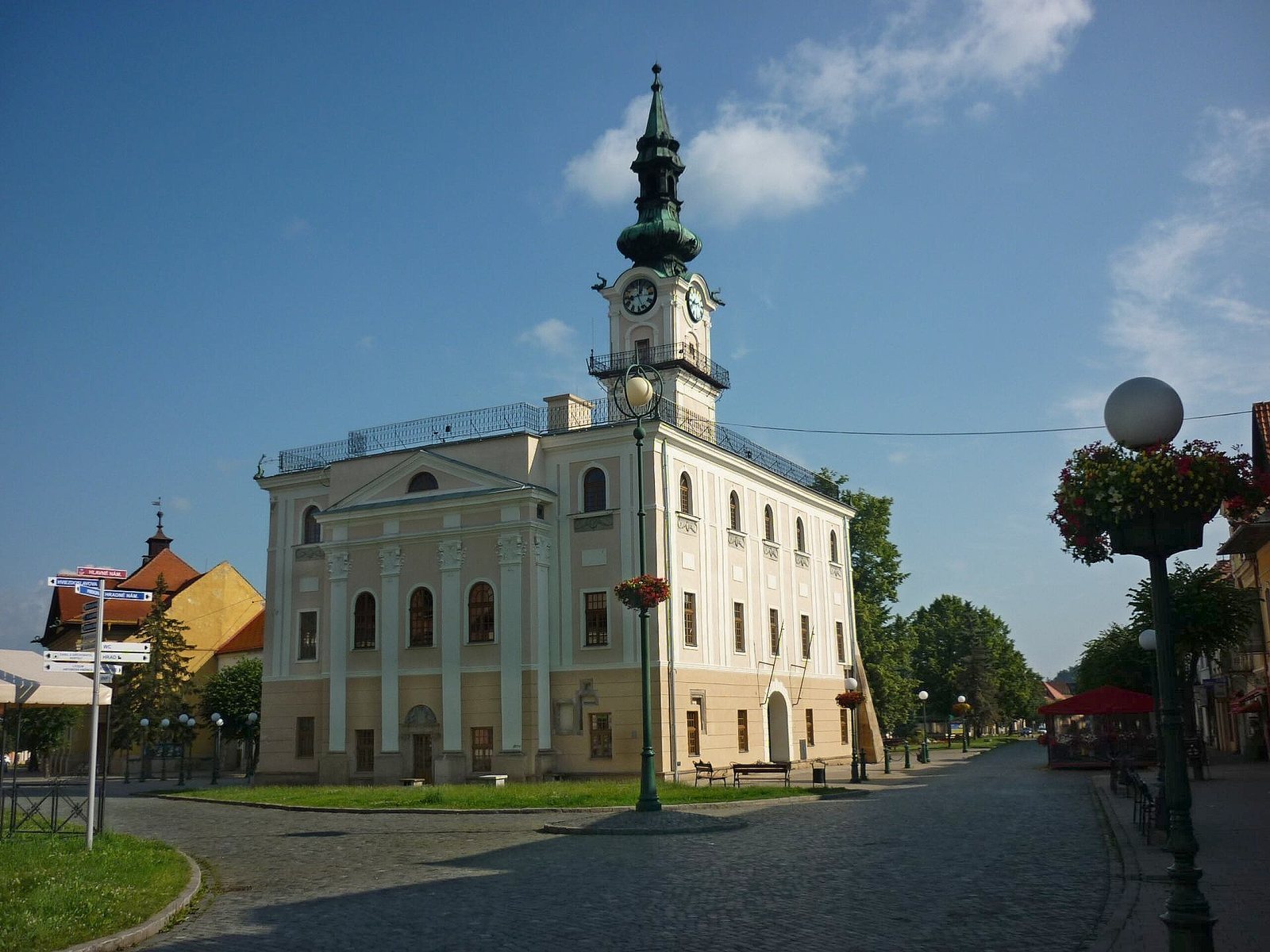
Kežmarok Town Hall is a civic building in Slovakia, standing in the middle of Main Square in the town’s historic center. Built in 1461, it began as a Gothic building and was later altered in Renaissance, Baroque, and Classical styles, reflecting successive European architectural traditions.
The earlier town hall and the new square
An earlier town hall stood on Old Market, one of Kežmarok’s oldest streets. A fire during a 1433 incursion by the Hussites, followers of Czech religious reformer Jan Hus who fought in the Hussite Wars, damaged the building and burned part of the town. The town center subsequently shifted, and a new square was established. Juraj zo Spišskej Soboty built the present town hall in 1461 at the center of that square.
Rebuilding and the tower
Fire damage in the first half of the 16th century led to a major rebuilding. Between 1541 and 1555, master builder Kuntz of Kežmarok reconstructed the town hall in Renaissance style. A tower was added in 1641, during the tenure of mayor Žigmund Moes, the town’s chief civic officer. In a description from 1720, Juraj Bohuš noted that musicians played lead drums on the tower during market days and that the town trumpeter performed there.
Later fires and civic use
A fire damaged the building in 1779, and it was reconstructed in Classical style in 1799. Another fire struck on 24 May 1922; repairs followed in 1923, with further restoration work in 1969–1970. The town hall received Slovakia’s National Cultural Monument designation on 4 December 1981 and forms part of Kežmarok’s protected historic district. It now houses the municipal office.
Remains
The town hall has a rectangular plan and stands at the center of Main Square. Its present form reflects its Gothic origins, Renaissance rebuilding, a Baroque tower, and later Classical remodelling. Juraj Bohuš’s 1720 description notes crenellations, the alternating raised sections and gaps along a wall top, as well as a painted city coat of arms and an image of Justice on the south side. It also describes moralizing inscriptions on the tower.
An old cellar lies beneath the building, and a passage from it is said to have served as an escape route from the town hall. A fountain was installed in front of the building in 2019.