Manor Strážky: A Renaissance Manor Complex in Slovakia
Site at a Glance
- Rating
- 4.7
- Popularity
- Medium
- Country
- Slovakia
- Primary era
- Early Modern
- External website
- Open
- Eras represented
- Medieval, Early Modern, Modern
- Civilizations
- Habsburg, Hungarian
- Site type
- Domestic
- Remains
- Manor House
On this page9 sections
History
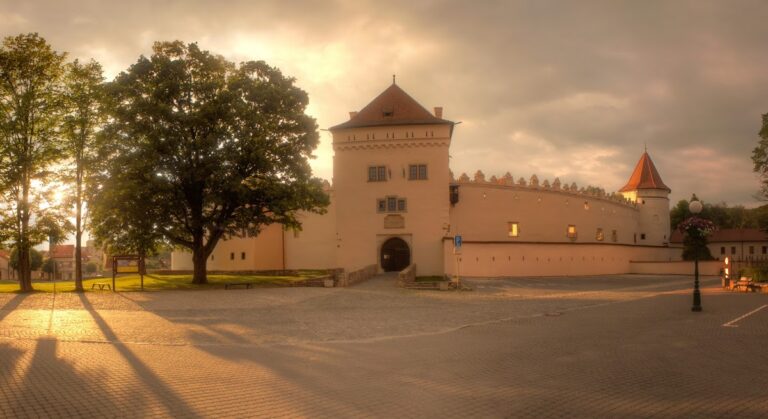
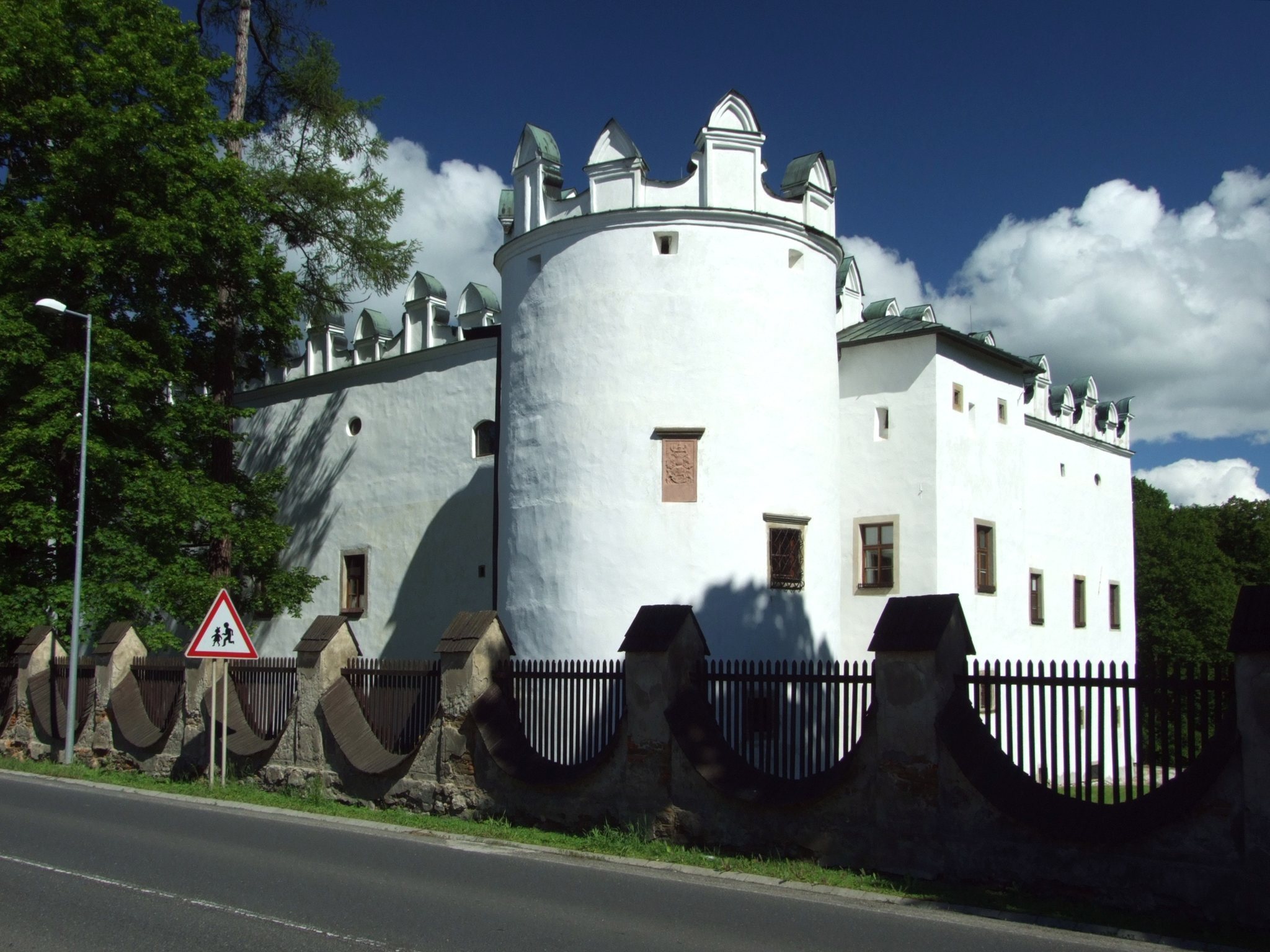
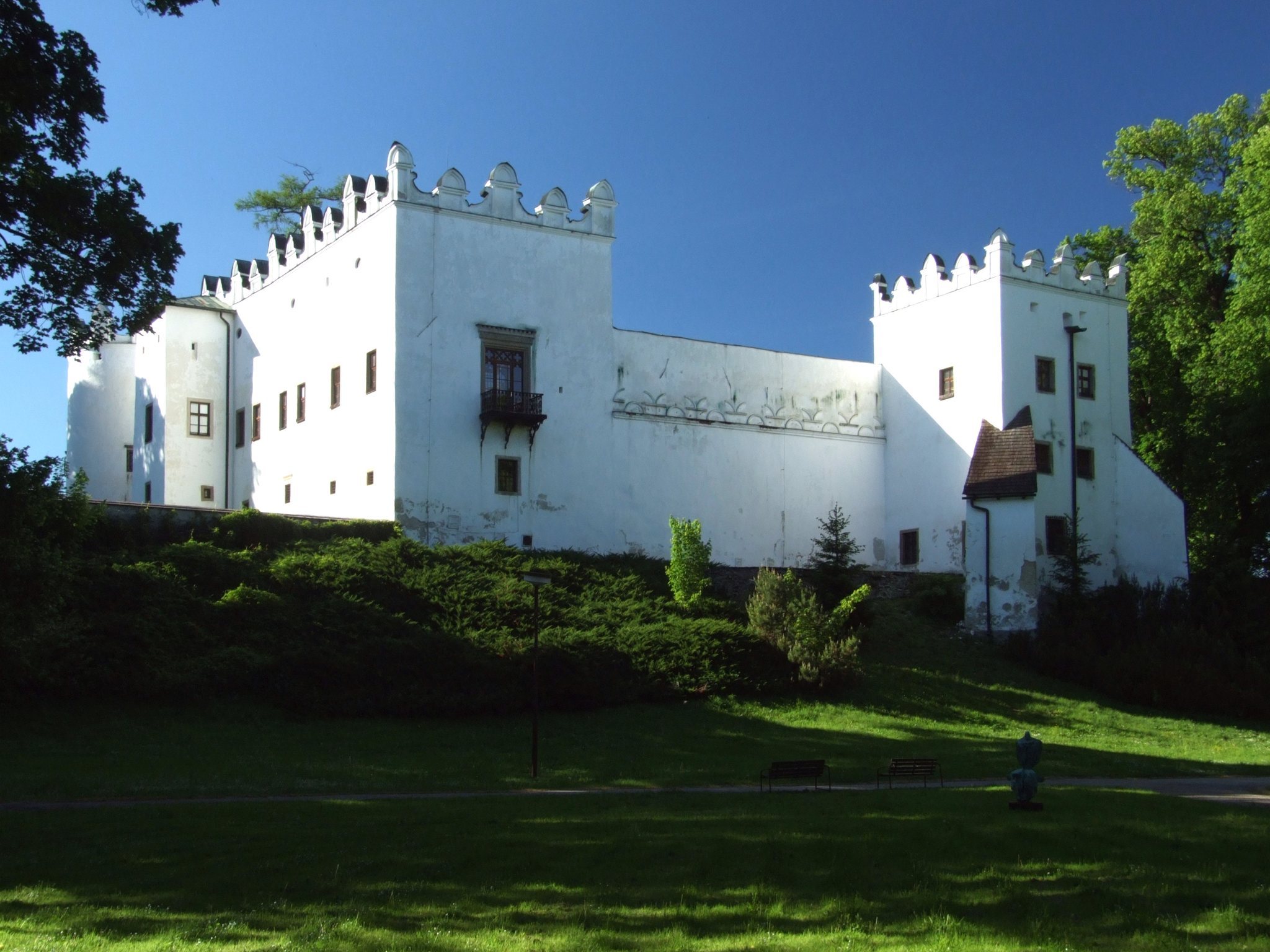
Manor Strážky is a historic manor complex in Slovakia, in Strážky, a district of Spišská Belá, whose principal Renaissance building was constructed between about 1570 and 1590. It is regarded as an important example of Renaissance architecture in the country, although its fabric incorporates earlier Gothic origins and later Baroque, Classicist, and Romantic alterations. The manor and adjacent park have been protected as a national cultural monument since 1963.
Medieval origins and the Renaissance manor
Tradition connects the site with a fortified complex from the twelfth or thirteenth century, believed to have helped guard the Hungarian border against Poland. Archaeological evidence instead confirms a Late Gothic residence from the late fifteenth century, with the Berzeviczy family associated with the earliest documented building phase. The later manor was built on foundations attributed to a thirteenth-century castle, linking the Renaissance residence to an older fortified setting.
In 1556, Emperor Ferdinand I granted Strážky to Mark Horváth Stanschitz de Gradecz. The Horváth-Stansith family subsequently directed the transformation of the property during the sixteenth and seventeenth centuries. Construction of the Renaissance manor began around 1570 and ended around 1590, followed by a major rebuilding between 1618 and 1628. The residence retained defensive features while developing into a substantial family seat.
The humanist school and later transformations
In the late sixteenth century, Gregor Horváth, Mark’s son, founded a Protestant humanist school for the nobility at the family residence. It prepared students for university study and public office. Its work ended in 1711 as the Counter-Reformation, the Catholic Church’s response to the Protestant Reformation, and the effects of an early-eighteenth-century fire altered the conditions in which the school operated.
A fire damaged the manor in 1708. The building was subsequently completed in its present square configuration, enclosing an inner courtyard. Late in the eighteenth century, Baroque and Classicist changes reshaped parts of the residence, while later alterations introduced Romantic elements.
The Mednyánszky period and modern preservation
Baron Eduard Mednyánszky of Beckov moved into the manor in 1862. His ten-year-old son, László Mednyánszky, later became a painter of European stature. The property remained in private ownership through several families, with Baroness Margita Czóbel as its last owner.
After Czóbel’s death, the manor passed to the Slovak National Gallery in 1972. Neglect and damage during and after the Second World War caused the partial loss of interior elements. Extensive archaeological investigation and restoration began in the 1960s and continued into the 1990s. The manor opened to the public in 1991, and the Slovak National Gallery holds the manor and park, including exhibitions devoted to László Mednyánszky, Strážky, regional portraiture, the manor’s library and furnishings, and sculpture in the park.
Remains
The manor building
Manor Strážky combines an earlier Gothic foundation with a Renaissance residence and later stylistic layers. Its first Renaissance form had three wings and incorporated defensive features. Following the 1708 fire, the building was completed as a square-plan structure around an inner courtyard. The surviving complex therefore expresses several phases of construction and alteration rather than a single design.
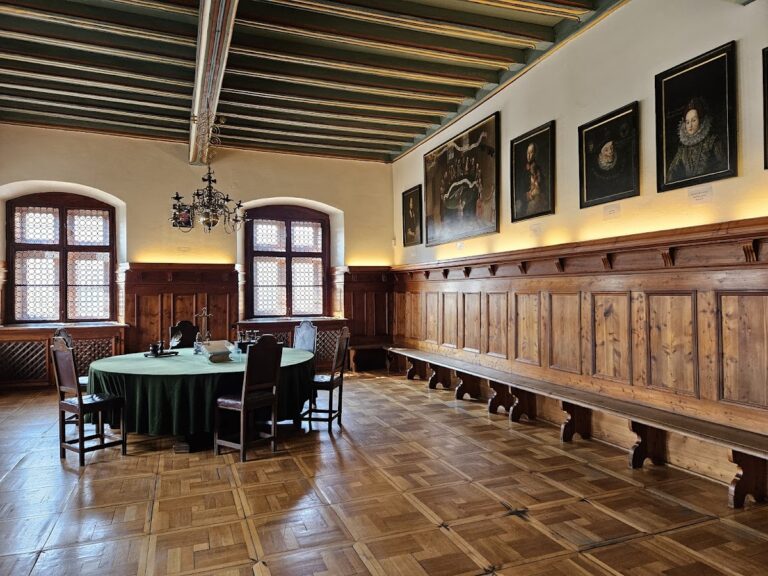
The interior contains historical furnishings belonging to the manor. Exhibition spaces present the work of László Mednyánszky and portraiture from the Spiš region dating from the seventeenth to the nineteenth century. A founder’s coat of arms is associated with the complex.
Library and associated grounds
Historical library
The manor’s historical library was established in the late sixteenth century in connection with the humanist school. Over roughly four centuries, it grew to about 8,500 books, periodicals, and maps, forming part of the surviving interior heritage of the residence.
Park and religious buildings
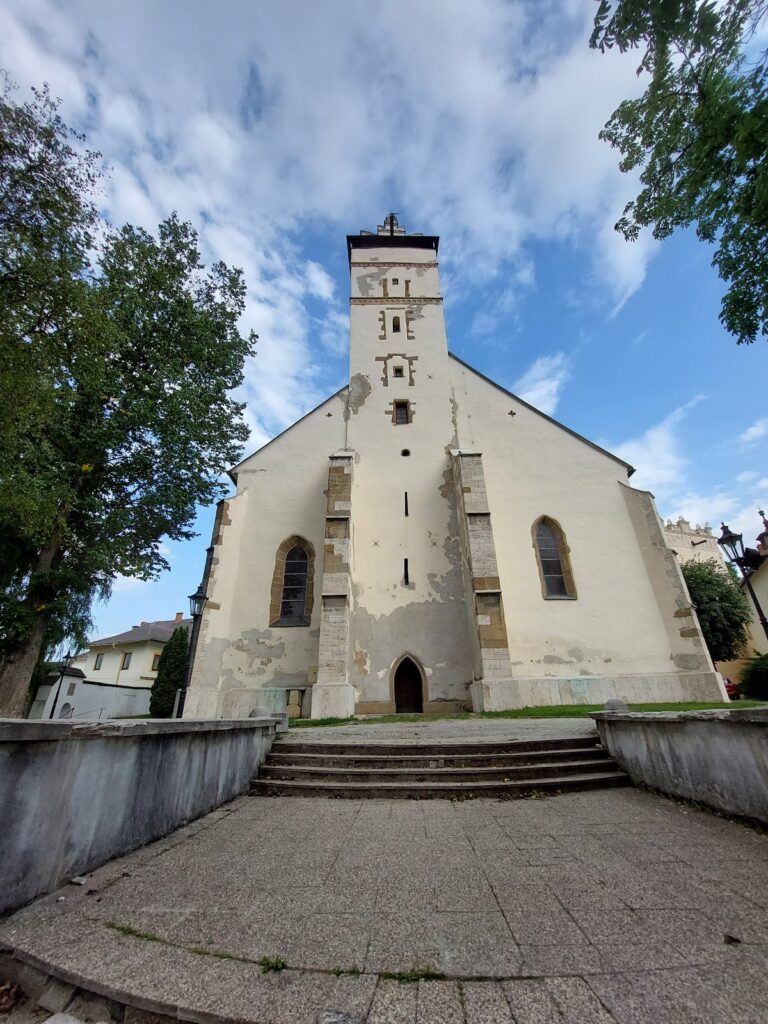
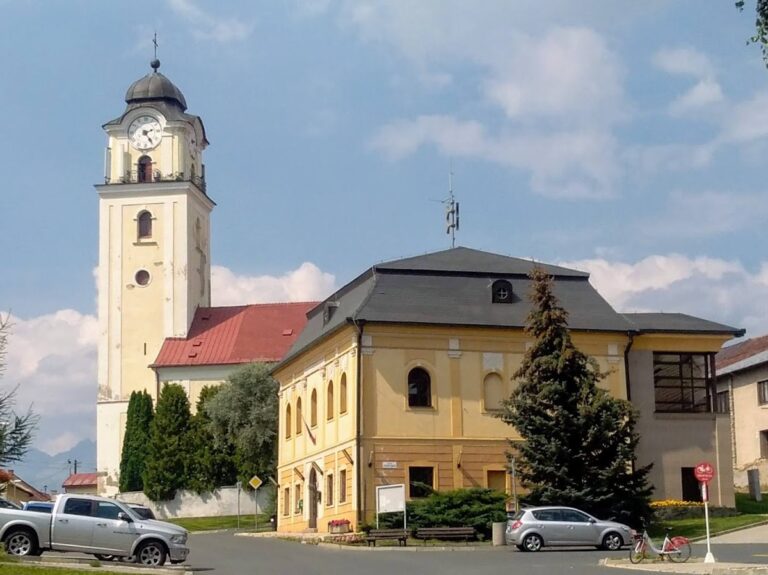
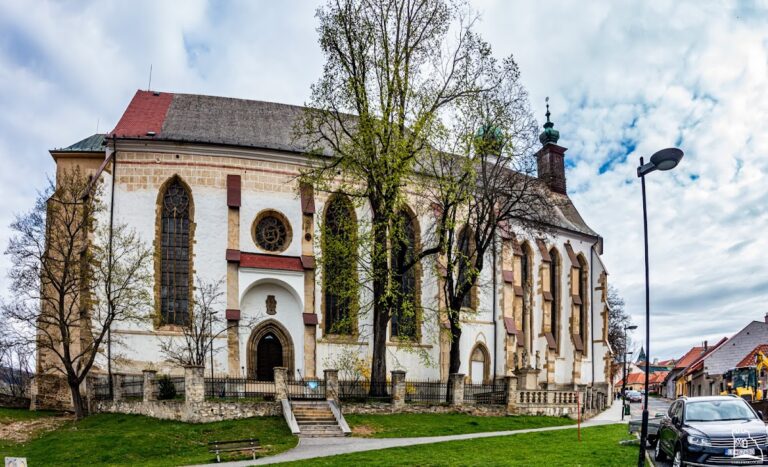
The complex includes an adjacent park, the Church of Saint Anne, and a bell tower. The park contains an exhibition of sculpture and the graves of former owners. Together with the manor, these elements form the surviving grounds of the Strážky estate.