Throchi Fort: A Historic Hilltop Fortress in Pakistan
Site at a Glance
- Rating
- 4.3
- Popularity
- Very Low
- Country
- Pakistan
- Primary era
- Modern
- Eras represented
- Medieval, Modern
- Civilizations
- Rajput
- Site type
- Military
- Remains
- Fort
On this page9 sections
History
Throchi Fort is a historic hilltop fortress in Pakistan, near Throchi village in Kotli District, Azad Jammu and Kashmir. It is associated with the Mangral Rajputs and is believed to date from between 1425 and 1460, with Indo-Islamic and Mughal architectural influences. The fort protected the village and surrounding territory from attacks and invasions.
Origins and early control
The fort’s precise foundation date and founder remain uncertain. Research connected with the Taxila Institute of Asian Civilisations attributes its original construction to the Mangral Rajputs under Nasir-Din Khan. The Mangral Rajputs were a ruling group associated with the historical region around Kotli and adjoining parts of Jammu and Kashmir. Local tradition links the name Throchi to a prominent Hindu figure of the period.
The fort is traditionally placed in the period when the region was controlled by Jasrat, a Khokhar or Gakhar chieftain. Its position above the settlement gave it a defensive purpose, allowing it to protect the village and the surrounding area during a period of political and military uncertainty.
Sikh and Dogra periods
Political changes brought new owners and administrators. Throchi Fort passed to the Sikhs during the rule of Maharaja Ranjit Singh, whose reign established Sikh control over much of the Punjab and adjoining territories. It later came under Maharaja Gulab Singh, a Dogra ruler who rebuilt the fort in stone in 1855.
Under Dogra rule, which lasted in Jammu and Kashmir from 1846 to 1947, the fort housed small garrisons. It also served as a storage place for weapons and communications equipment, extending its military use beyond the original defense of the settlement.
The 1947 uprising and later use
During the 1947 uprising, Throchi Fort became a major center of fighting. Major Nasarullah and Muslim soldiers captured it after eliminating the Gorkha garrison commanded by Captain Raghubir Singh. Operations in the nearby area were directed by Colonel Sher Ahmad Khan, and Dogra forces eventually surrendered to a local group commanded by Colonel Mahmood Mangral.
After the independence of Pakistan, the fort came under Pakistan Army control. It remains under military administration and includes communications installations belonging to the Special Communication Organization, a telecommunications organization operating networks in Azad Jammu and Kashmir. Its location near sensitive areas limits access, while its poor condition has created an urgent need for preservation.
Remains
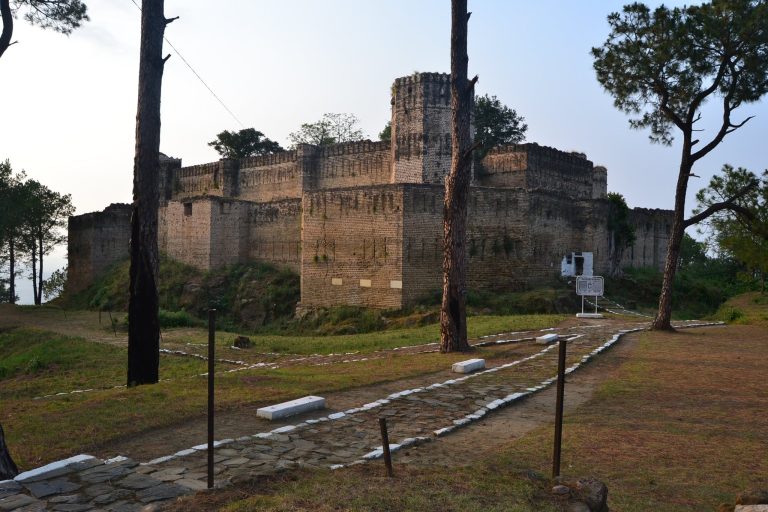
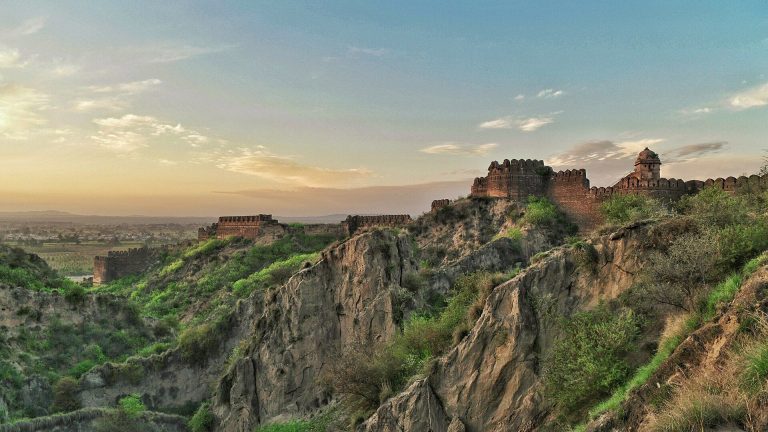
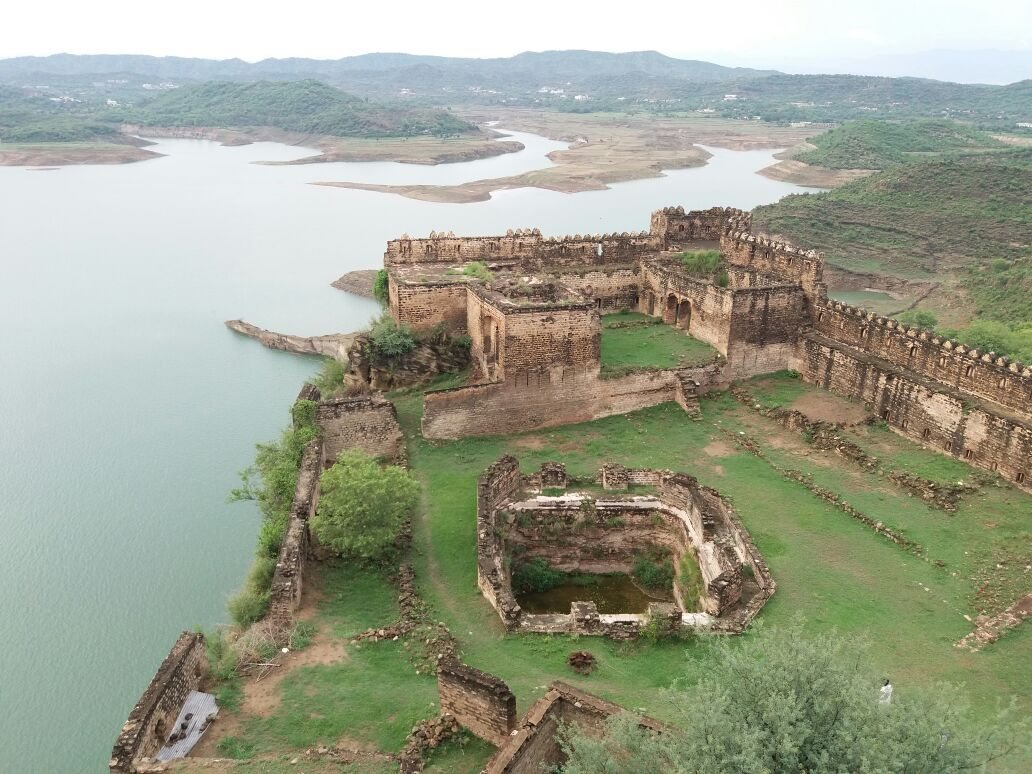
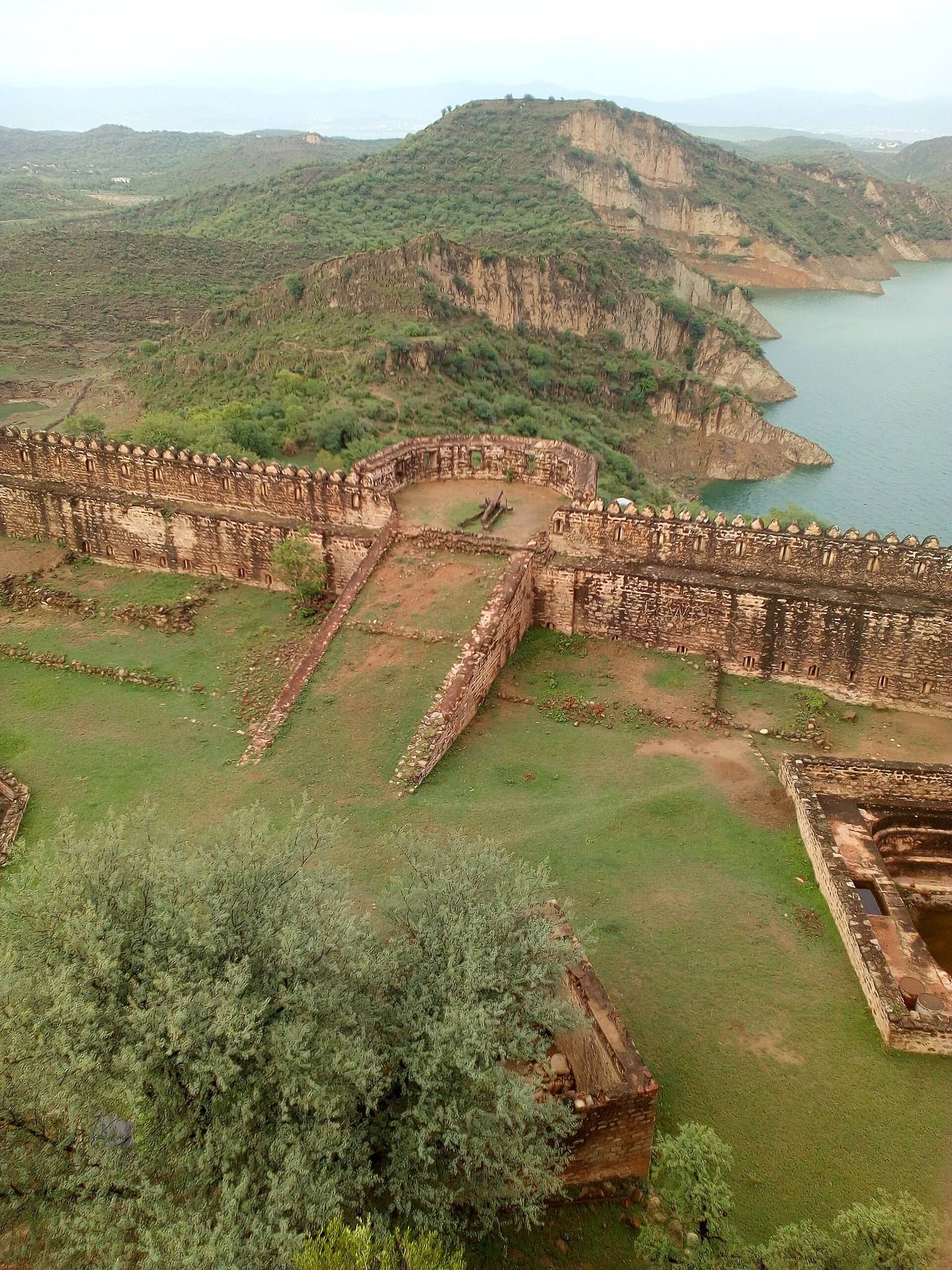
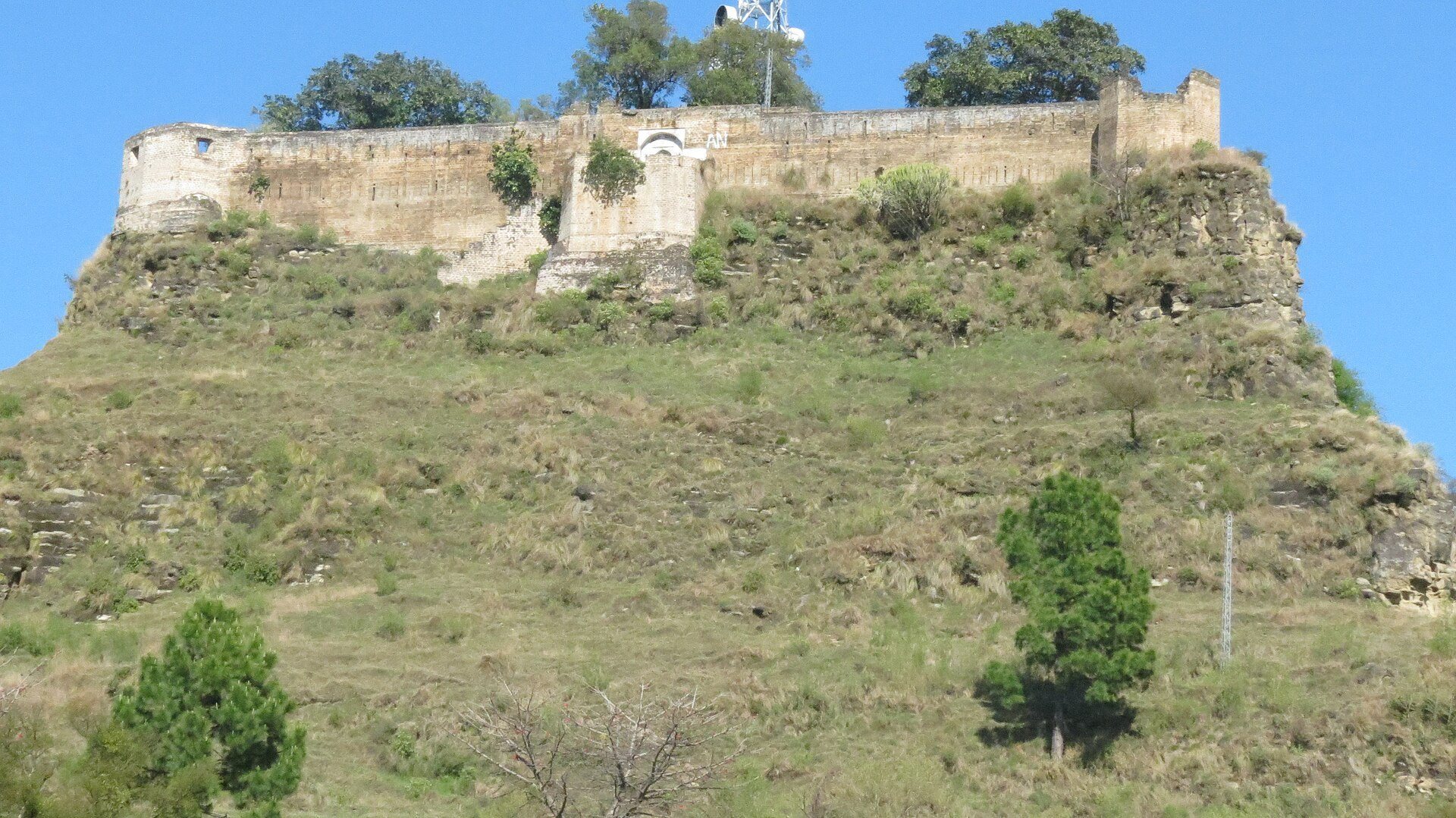
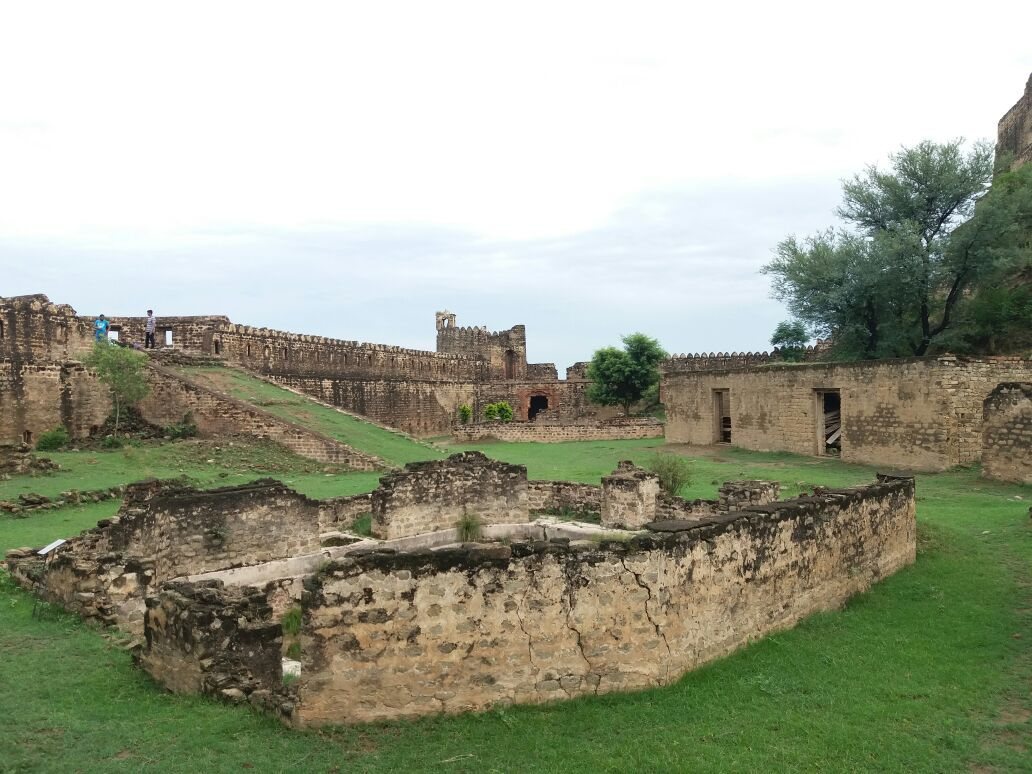
Throchi Fort stands on a hilltop approximately 3 kilometres east of Gulpur village, overlooking the settlement and the surrounding area. The one-storey structure is built of stone and brick and is described in terms of Indo-Islamic and Mughal architectural styles. Its present fabric includes the stone rebuilding carried out under Maharaja Gulab Singh in 1855.
Fort structure and military installations
Command room
A command or control room forms part of the surviving fort complex. It reflects the site’s continuing military role, first as a fortified position and later as a managed installation under Pakistan Army control.
Signals tower
A signals tower associated with the Special Communication Organization stands within the fort. Communications equipment connected with this installation remains part of the site’s present military use.
Weapons stores
Weapons stores are identified among the fort’s components. They relate to the building’s use under Dogra rule, when it accommodated small garrisons and stored weapons and communications equipment. The structure as a whole is in poor condition and requires urgent maintenance and conservation.