Thorney Abbey: A Benedictine Monastery in Cambridgeshire
Site at a Glance
- Rating
- 4.7
- Popularity
- Medium
- Country
- United Kingdom
- Primary era
- Medieval
- Eras represented
- Medieval, Early Modern, Modern
- Civilizations
- British, English, Norman
- Site type
- Religious
- Remains
- Monastery
On this page11 sections
History
Hermitage and Benedictine foundation
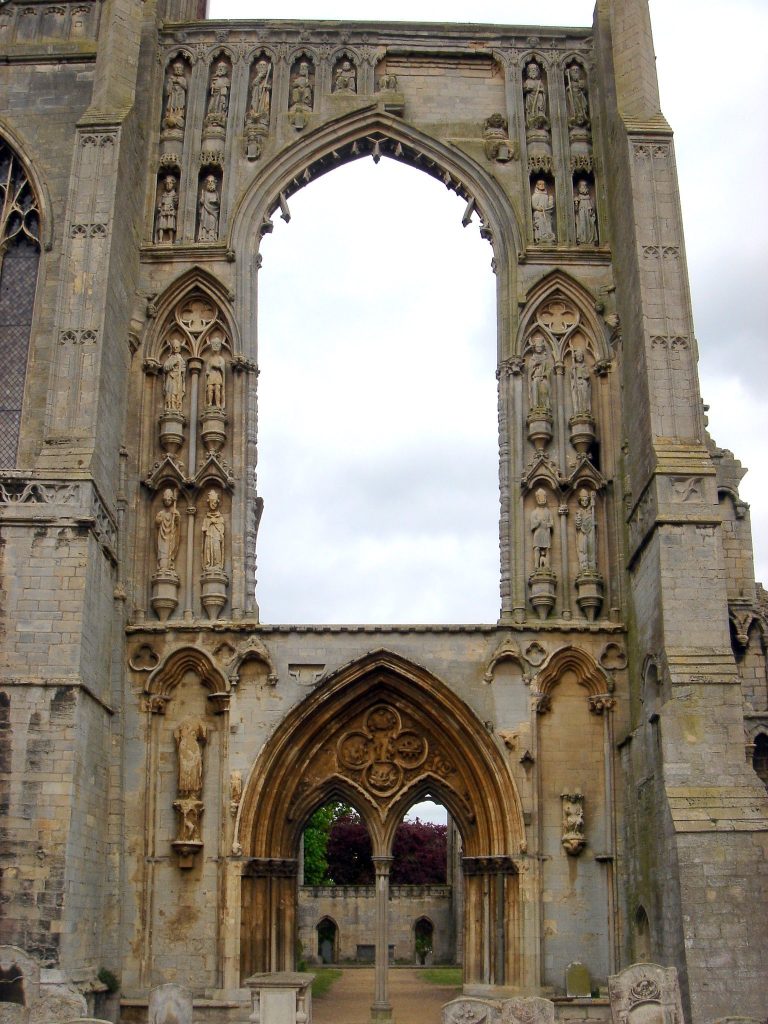
Thorney Abbey was a Benedictine monastery in Thorney, Cambridgeshire, United Kingdom, founded in the 970s after an earlier hermitage had taken shape there. Its monks belonged to a Christian order whose communities followed the Rule of Saint Benedict and were led by an abbot. The Norman Conquest, William of Normandy’s takeover of England in 1066, was followed by a major rebuilding programme at the abbey.
Documentary references place the hermitage at Thorney in the mid-7th century. A Viking incursion destroyed it in the late 9th century. Figures buried or venerated at the abbey included Adulf of Thorney, Benedict Biscop, Botolph of Thorney, Cissa of Crowland, Herefrith of Thorney, Huna of Thorney, and Albinus of Thorney, a bishop and Anglo-Saxon saint. Huna was a 7th-century priest and hermit. Tancred, Torthred and Tova, siblings, were martyred in 870 during the Great Danish Army’s campaign in Anglo-Saxon England. Wihtred, an early medieval king of Kent, was also among the figures associated with the abbey.
Rebuilding and changing settlement
After the Conquest, work began on a new abbey church under Gunther, who became abbot in 1085. The church was in use by 1089 and completed in 1108. Henry I supported the abbey. A surviving royal writ ordered the return of the manor of Sawbridge in Warwickshire to the monastery and directed that no complaint of injustice be made.
In the late 12th or early 13th century, the settlement’s focus moved away from the fen edge. The earlier area became a rubbish dump, possibly as water encroached. The site was occupied again in later centuries, and substantial buildings erected in the 16th century are thought to have formed part of an expanding abbey complex.
Dissolution and parish church
On 1 December 1539, the abbey was surrendered to commissioners for Henry VIII during the Dissolution of the Monasteries, the closure of England’s monastic houses and transfer of their property to the Crown. The last abbot, Robert Blythe, supported the king and signed a letter urging the pope to permit Henry’s divorce. Blythe later received a pension of £200 a year. Most abbey buildings were demolished, and their stone was reused. In 1549/50, the site was granted to John Russell, 1st Earl of Bedford, a high-ranking English nobleman.
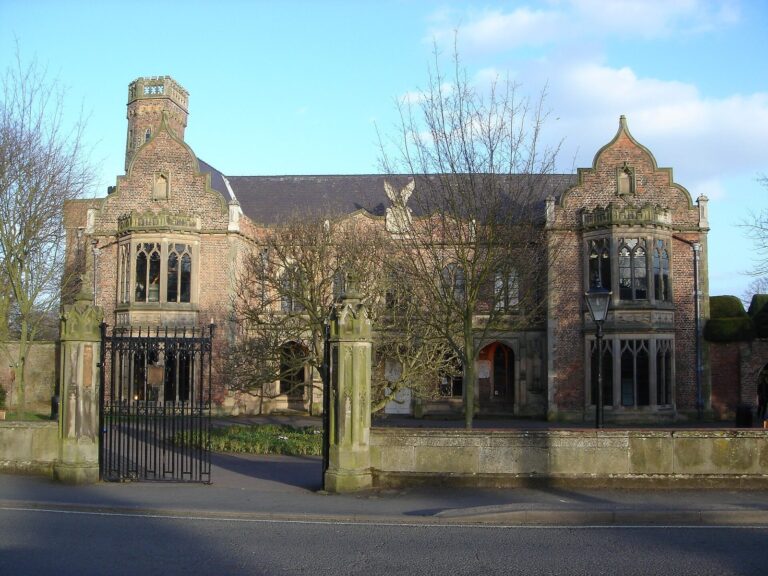
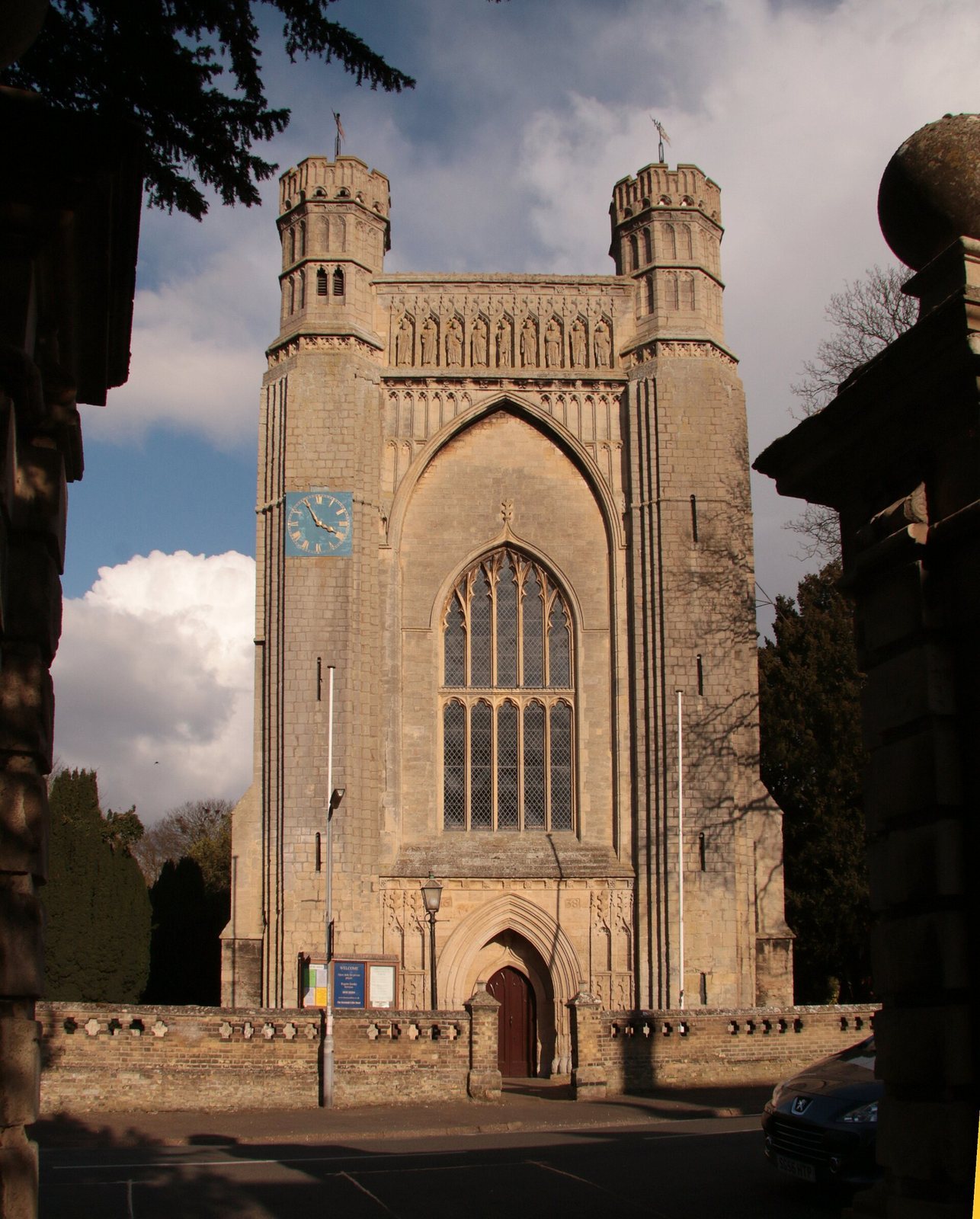
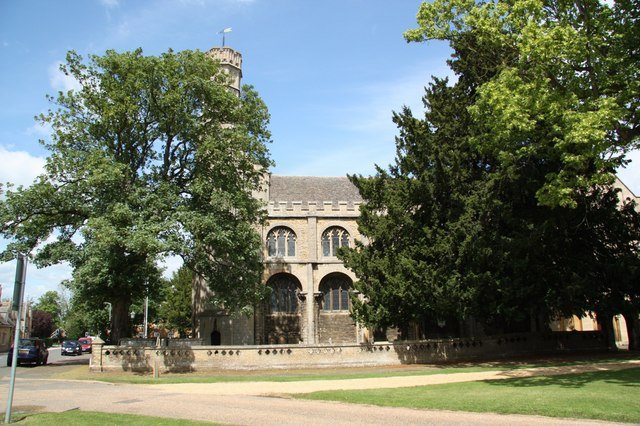
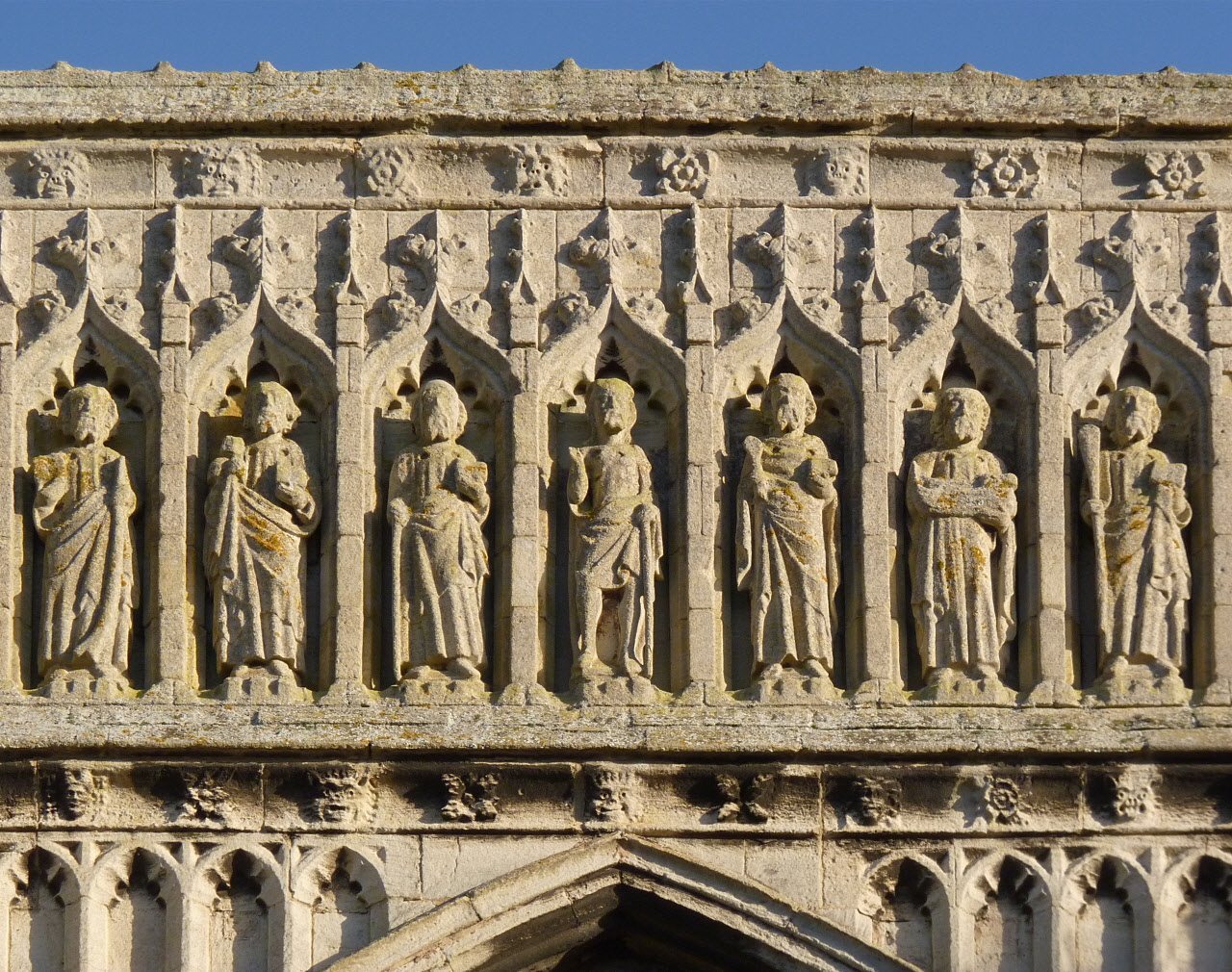
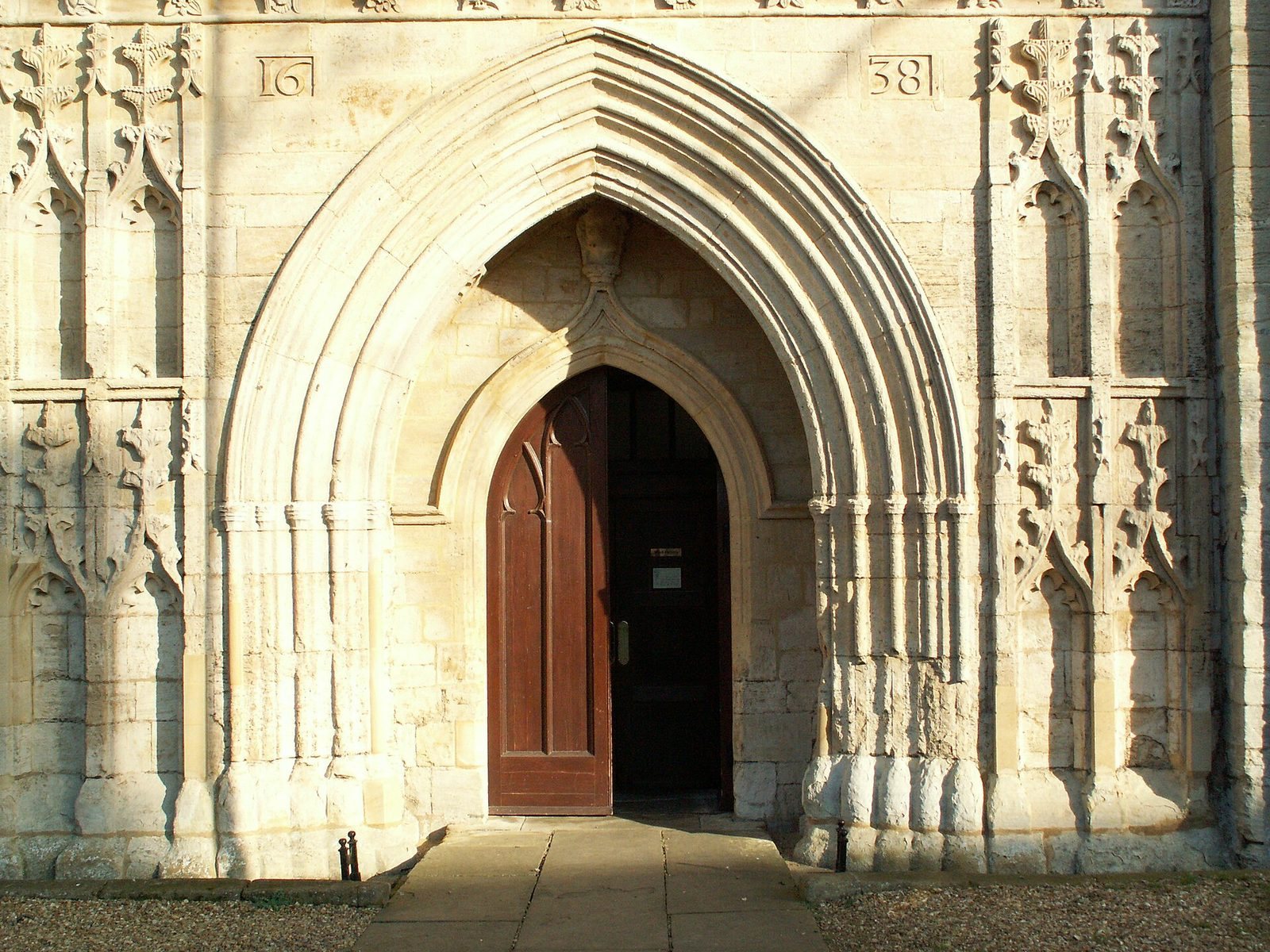
The nave of the abbey church was restored in 1638 for use as the parish church of St Mary and St Botolph, which is now Anglican, in the tradition associated with the Church of England. The church received Grade I listed status on 22 October 1952. Grade I is England’s highest listed-building category, reserved for buildings of exceptional interest.
Remains
The surviving fabric includes the parish church, which retains the abbey church’s nave, alongside excavated building remains from the former settlement on a fen-edge island. The evidence includes church masonry, timber-building levels and later, more substantial structures.
Parish church
Nave and east end
The nave, the central part of the church, survives from the abbey church. In 1638 its aisles, or side sections, were demolished, and the arcade openings, the arches between nave and aisles, were walled up. The present east end was designed by Edward Blore and dates to 1840–1841. It is in the Norman style, an architectural tradition associated with the Normans in England after 1066.
Stained glass
Some stained glass installed in the church may have come from the Steelyard, the Hanseatic League’s trading base in London. The Hanseatic League was a commercial association of northern European towns and merchants.
Former settlement
Building remains
Clay layers laid in the 13th and 14th centuries provided a firmer base for timber buildings. More substantial structures date to the 16th century and are thought to have belonged to the abbey’s expanding complex. Their possible uses include guesthouses, stables or workshops.
Excavated finds
Before redevelopment, an excavation in 2002 examined the northern edge of the former island. Finds included pottery, animal bone and roofing material, along with a large deposit of painted glass from the 13th and 14th centuries, recovered in and around the buildings. The glass has intricate designs of high quality.