Ayscoughfee Hall Museum: A Historic House, Museum and Gardens in Spalding
Site at a Glance
- Popularity
- Medium
- Country
- United Kingdom
- Primary era
- Medieval
- Eras represented
- Medieval, Early Modern, Modern
- Civilizations
- British, English
- Site type
- Domestic
- Remains
- Elite Residence
On this page9 sections
History
Ayscoughfee Hall Museum is a fifteenth-century historic house and local-history museum in central Spalding, Lincolnshire, United Kingdom. It was built for a local wool merchant, traditionally identified as Richard Ailwyn, and later passed from private ownership into civic use.
Origins and the Ayscough association
Tree-ring study of the roof timbers indicates that the Hall was built in a single phase, with most of its present form completed in 1451. In the early sixteenth century, it was reputedly associated with the Ayscough family. Early records called it Ayscough Fee Hall. The word fee may have referred to a knight’s fee, a landholding connected with obligations to a lord, or to income from the property. Separately, King Henry VIII granted land at Spalding to Sir William Ayscough (1490–1541).
The Johnson family and antiquarian study
The Hall passed to the Johnson family in the seventeenth century. Its best-known member, Maurice Johnson (1688–1755), founded the Spalding Gentlemen’s Society in 1710. An antiquarian society is an organization devoted to studying history and historical objects; the society was the second-oldest of its kind still in existence.
Public ownership and later use
After the Bonner family, the Hall’s last occupants, left in 1896, the house and gardens were purchased on behalf of Spalding’s people as a memorial to Queen Victoria’s Diamond Jubilee. They were transferred to the town without debt on 9 August 1902, marking the coronation of King Edward VII and Queen Alexandra. During the twentieth century, the Hall served as a primary school for several years and also became a local-history museum and public facility.
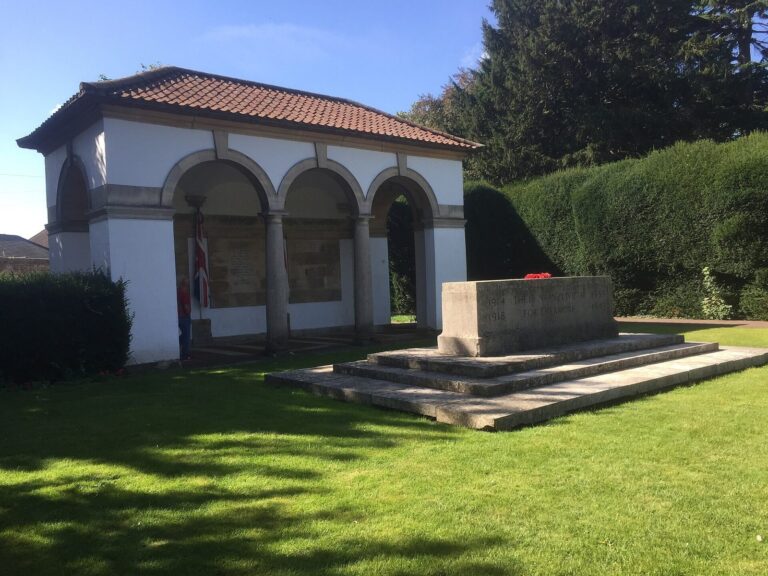
The Spalding War Memorial opened in 1922. The Hall is Grade I listed, and the memorial received the same designation in 2015. Grade I is the highest category in England’s listed-building system, reserved for buildings of exceptional interest. A rustic garden bandstand was erected in 1937 to mark the coronation of King George VI and Queen Elizabeth, but arsonists destroyed it in the early 1970s. The Hall closed in 2003 for a comprehensive restoration.
Remains
The Hall and its grounds
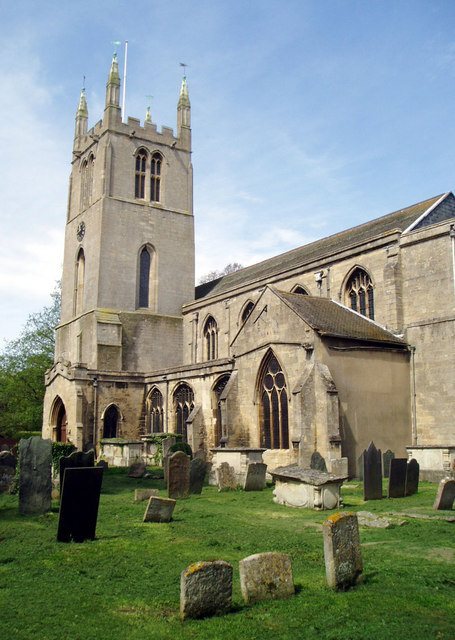
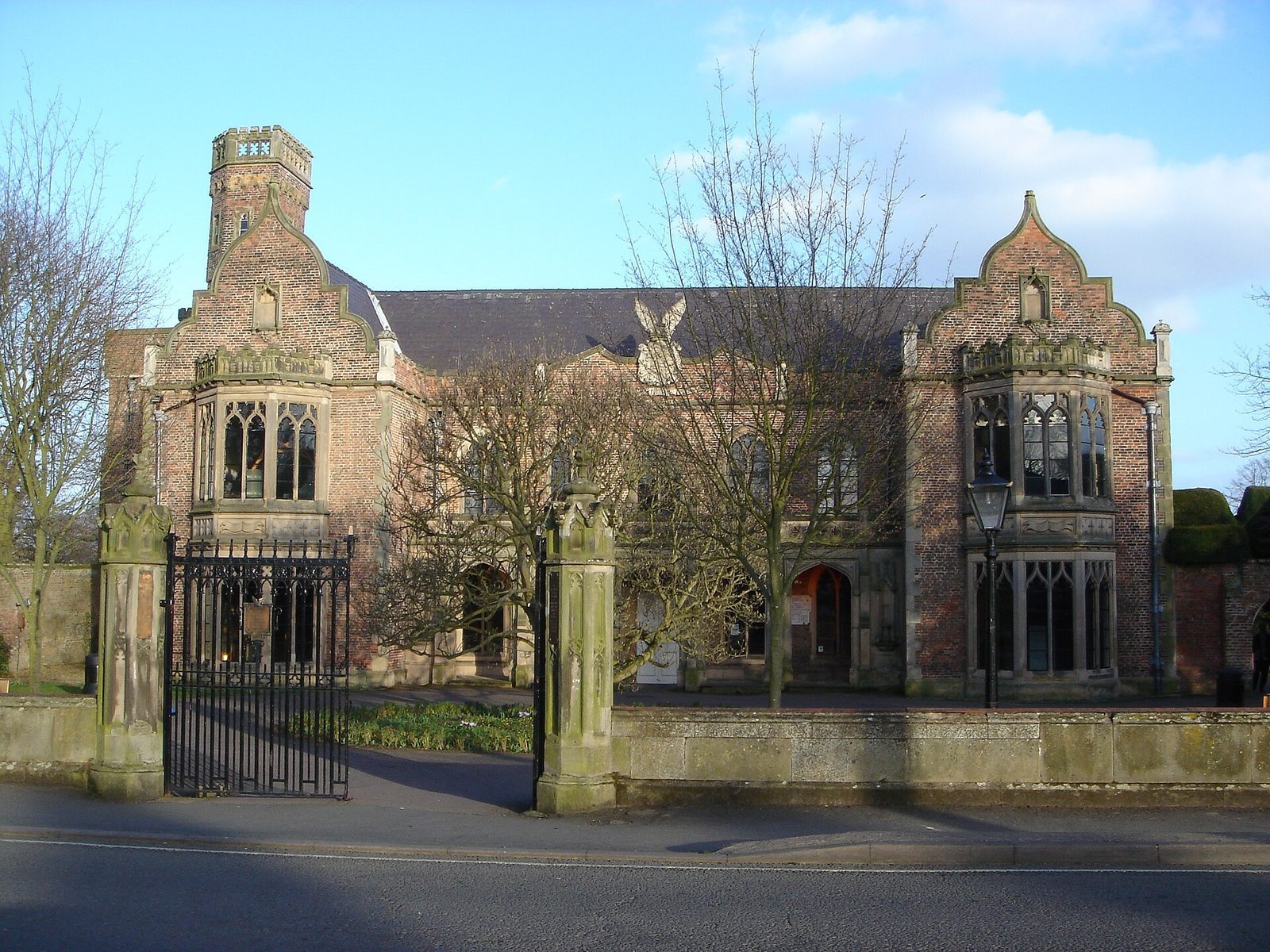
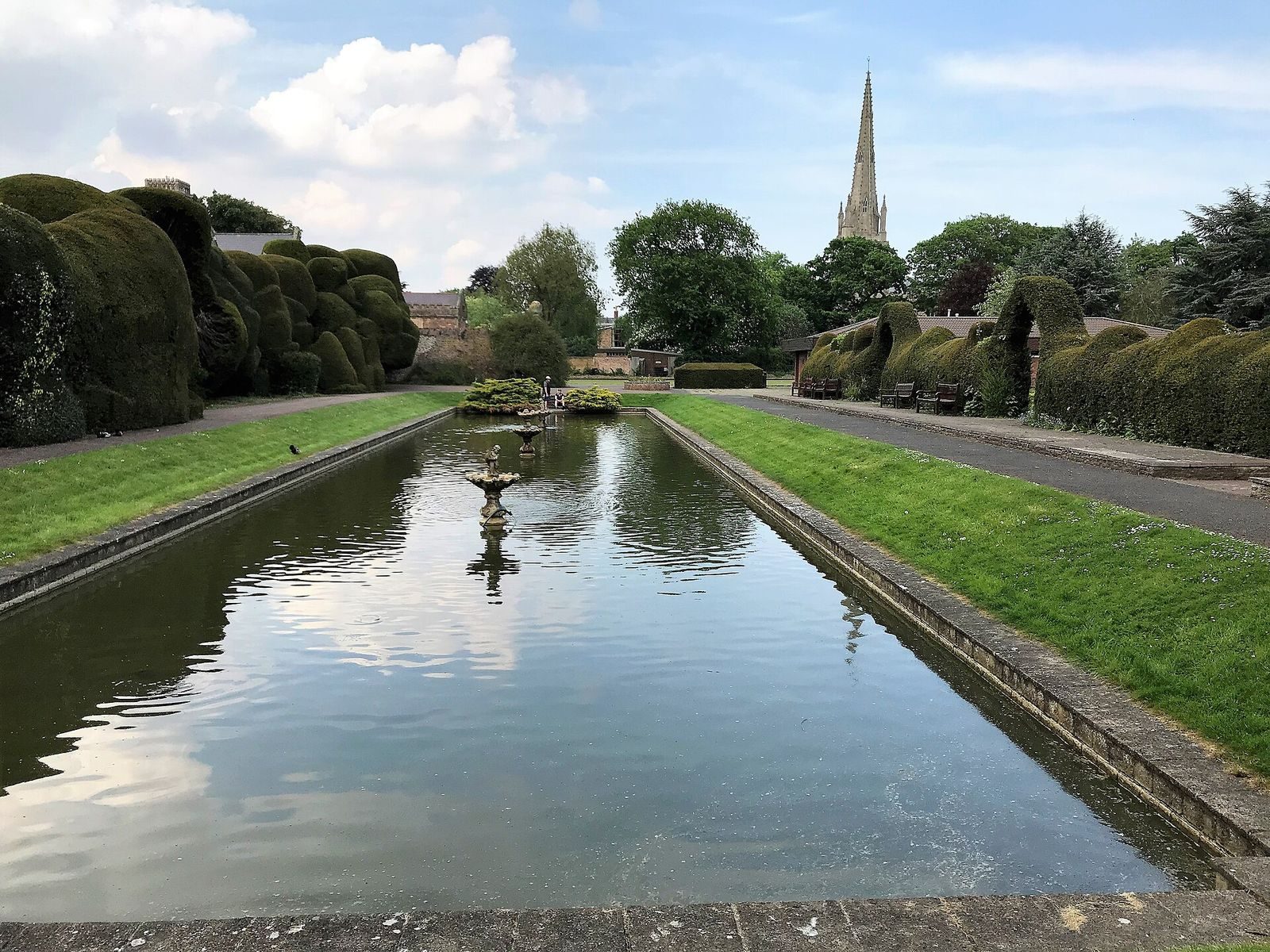
The Hall stands in central Spalding beside the Church of St Mary and St Nicholas, within modest associated parkland. The surrounding grounds include a garden with an ornamental lake, at whose far end stands the war memorial.
The Hall
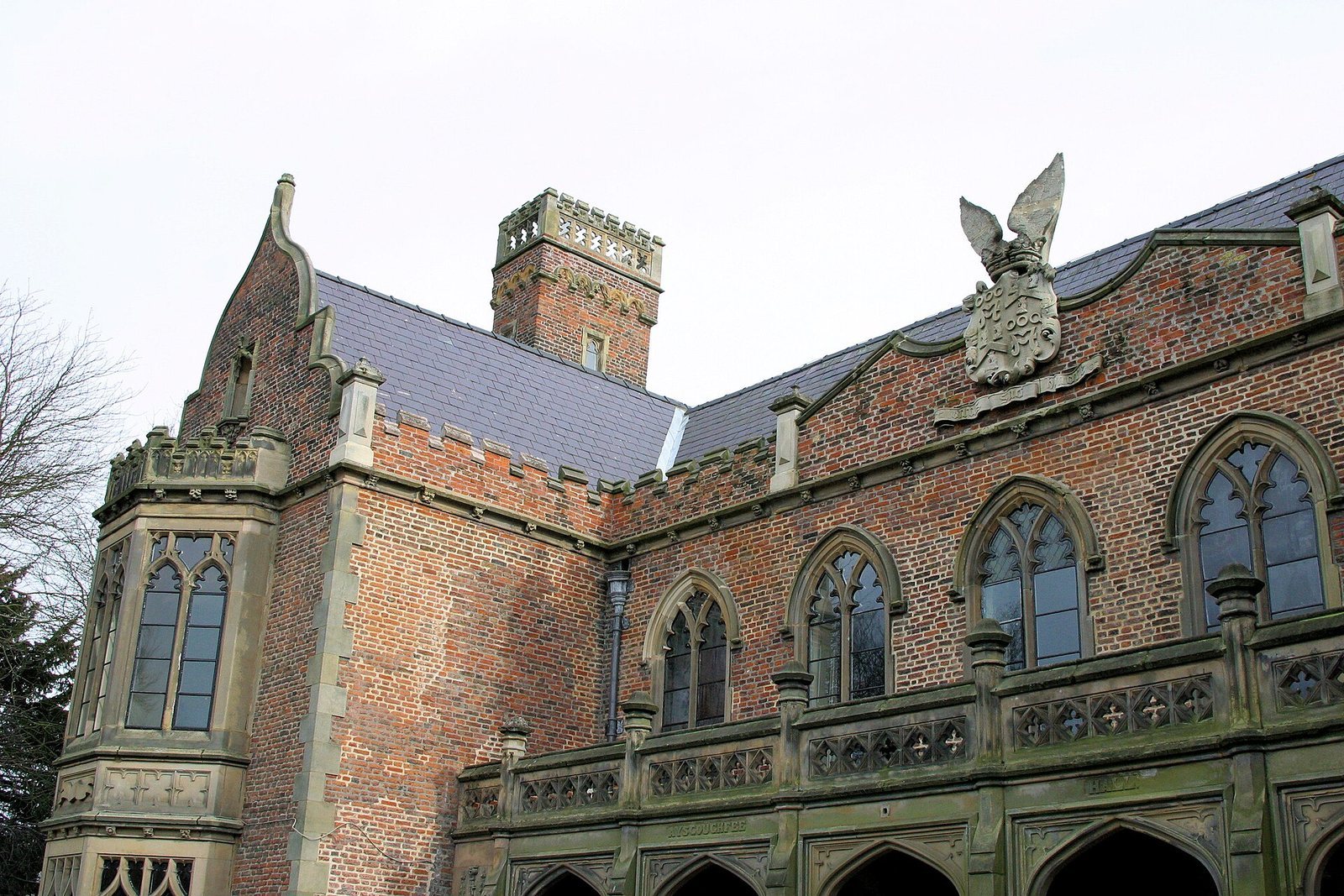
The roof timbers indicate a single construction phase, with most of the present Hall completed in 1451. The building remains substantially unchanged from that period, and its exterior retains its fifteenth-century appearance. Museum features include a manor-kitchen exhibition and stained glass.
Gardens
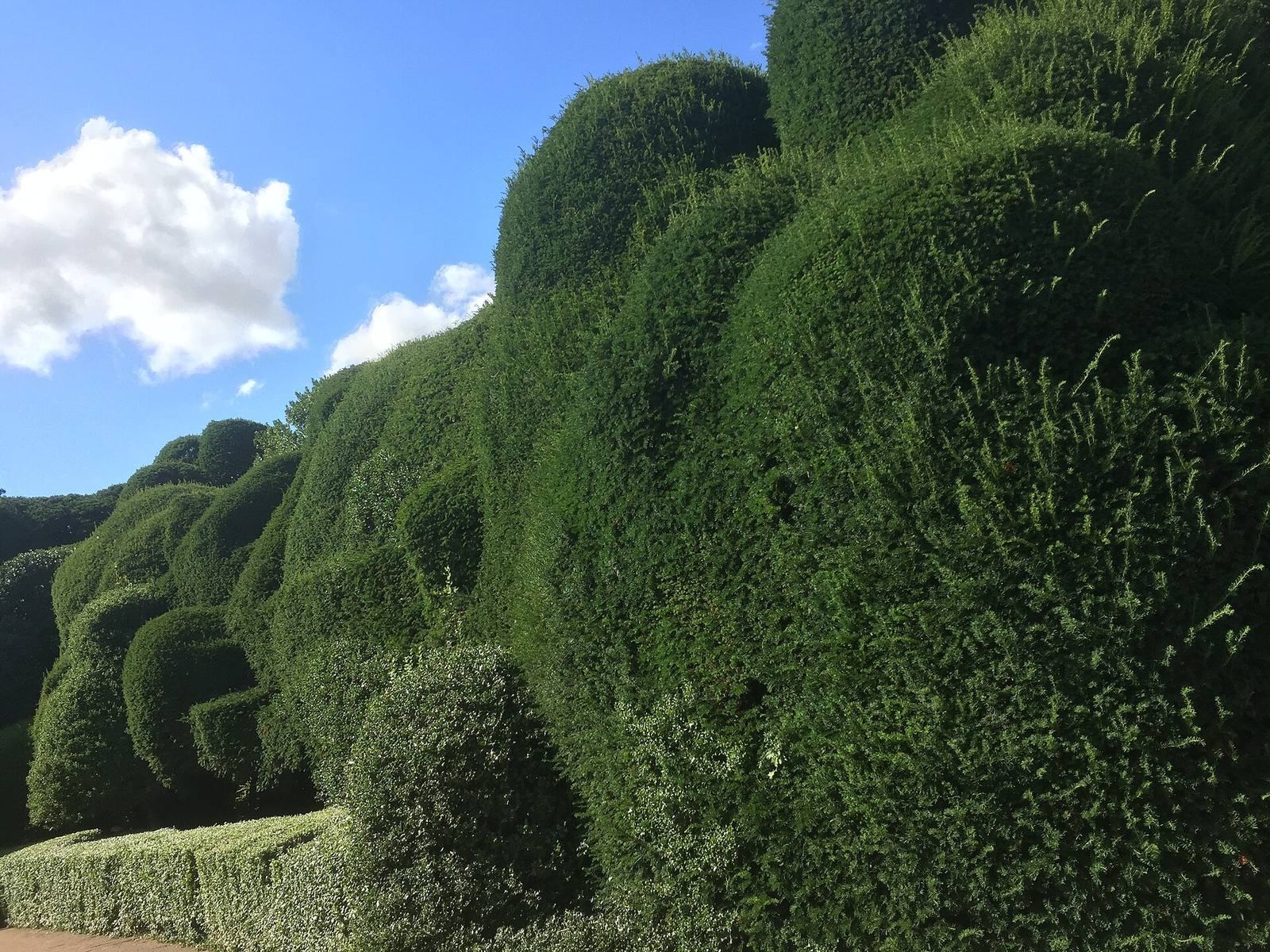
The gardens cover five acres, about 20,000 square metres. Some features are reputedly the work of garden designer William Sands in the early eighteenth century. They include tall yew hedges, an early ice house for storing ice, a bowling green, tennis courts and an aviary, as well as the ornamental lake.
Spalding War Memorial
Designed by Sir Edwin Lutyens, a prominent British architect, the memorial stands at the far end of the lake. Its associated features include a fountain and memorial stones.