Thorndon Hall: A Georgian Palladian Country House in Essex
Site at a Glance
- Popularity
- High
- Country
- United Kingdom
- Primary era
- Early Modern
- Eras represented
- Early Modern
- Civilizations
- British
- Site type
- Domestic
- Remains
- Elite Residence
On this page8 sections
History
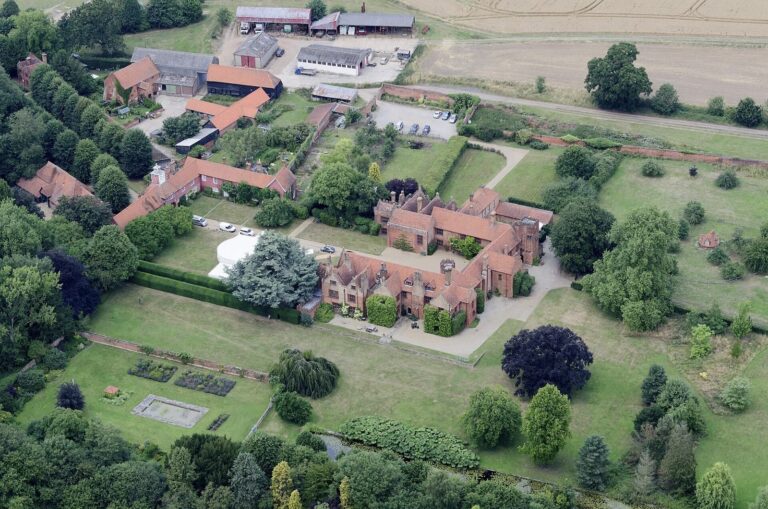
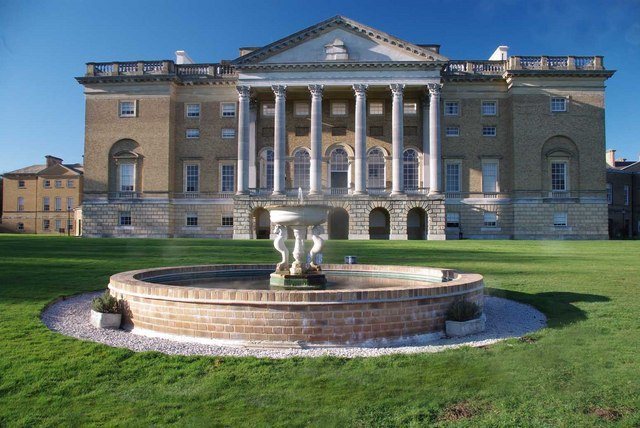
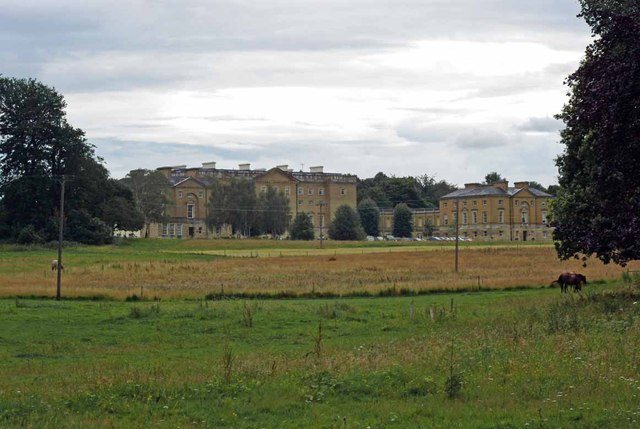
Thorndon Hall is a Georgian country house in Thorndon Park, Ingrave, Essex, United Kingdom, designed in a neoclassical style with Palladian influence. Neoclassical design revived ancient Greek and Roman forms, while Palladian architecture drew on the classical work of Italian architect Andrea Palladio. James Paine designed the house, construction began in 1764, and it became the Petre family’s country seat.
The estate and Old Thorndon Hall
The estate’s recorded history reaches back to the Domesday Book, William the Conqueror’s 1086 survey of English landholding and resources. This reference concerns the estate, not a hall standing at Thorndon at that date. A building on the site of Old Thorndon Hall is first mentioned in 1414.
Henry V granted Lewis John, a merchant from South Wales, permission to enclose 300 acres as a park and to fortify his lodge with walls and battlements. Old Thorndon Hall was later damaged by fire in the early eighteenth century. After brief use as farm buildings, it was demolished, and the present house took its place.
The eighteenth-century house and park
Lord Petre inherited the estate in 1732 and ordered the planting of many thousands of trees, including species brought from North America. In the 1730s, the first recorded Camellia japonica grown in Britain was introduced at Thorndon. Camellias were thriving around the country about fifteen years later, and by the nineteenth century some country houses had built dedicated houses for growing them.
Work on Paine’s new house began in 1764. Lancelot “Capability” Brown reshaped the park between 1766 and 1772. George III and Queen Charlotte visited the completed house and estate in 1778 while travelling to inspect troops at nearby Warley Common.
Fire, changing use, and protection
A fire in 1878 gutted much of the main house and west wing and damaged or destroyed paintings in the Petre collection. In 1894 the east wing was rebuilt as a separate home, alongside plans to restore the house to its former grandeur.
After the First World War, the Petre family faced financial difficulties. The house and part of the estate were leased to Thorndon Park Golf Club in 1920. A later proposal for housing and a golf course did not go ahead: Green Belt policies restrict building in designated areas around urban centres, and the company behind the plan folded. The golf club subsequently acquired the house and grounds, but built a separate clubhouse and left the main hall.
In 1976 the house was sold to Thomas Bates & Son, which converted it into apartments and cottages. During the twentieth century, parts of the park were sold for development near Brentwood, while Essex County Council took responsibility for extensive areas as Thorndon Country Park. The house received Grade I listing in 1958, a category for buildings of exceptional interest in England’s listed-building system; the park and garden were listed Grade II* in 1987, a category for particularly important sites of more than special interest. The Petre family now lives at nearby Ingatestone Hall.
Remains
The house stands within grounds of nearly 600 acres, including a medieval deer park, meadows, and woodland. A deer park was enclosed land managed for deer. The estate’s main drive extended almost two miles south from what is now Shenfield Common to the house’s north front. Its former course is now represented by public country parks and golf courses.
The house and portico
The present house incorporates a portico, a roofed entrance or porch, made for Old Thorndon Hall. Giacomo Leoni remodelled the earlier hall in the Palladian style. A portico for that building was commissioned and brought from Italy in 1742, then retained for use in the present house.
The former hall site
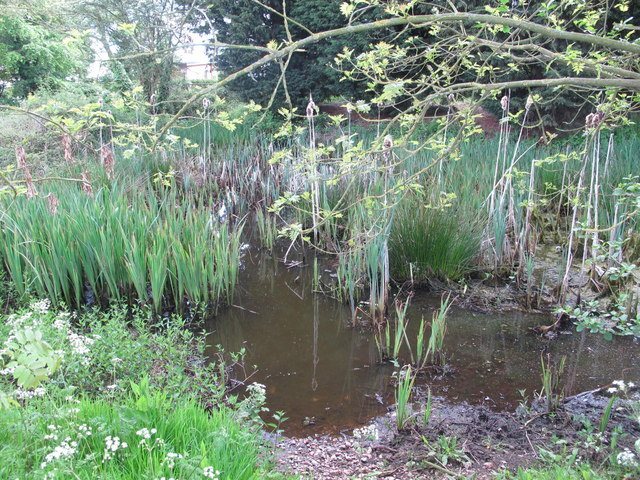
Old Thorndon Hall stood about a mile south of the present house, in the area now known as Ruin Wood beside Old Hall Pond.
The landscaped park and chapel
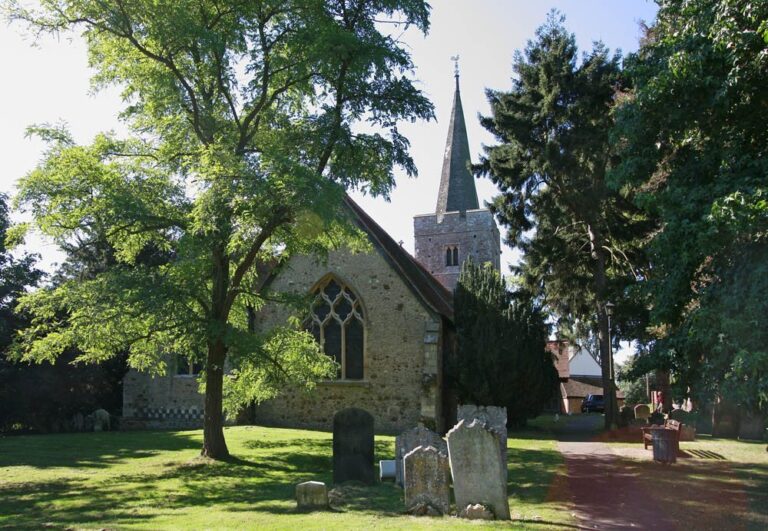
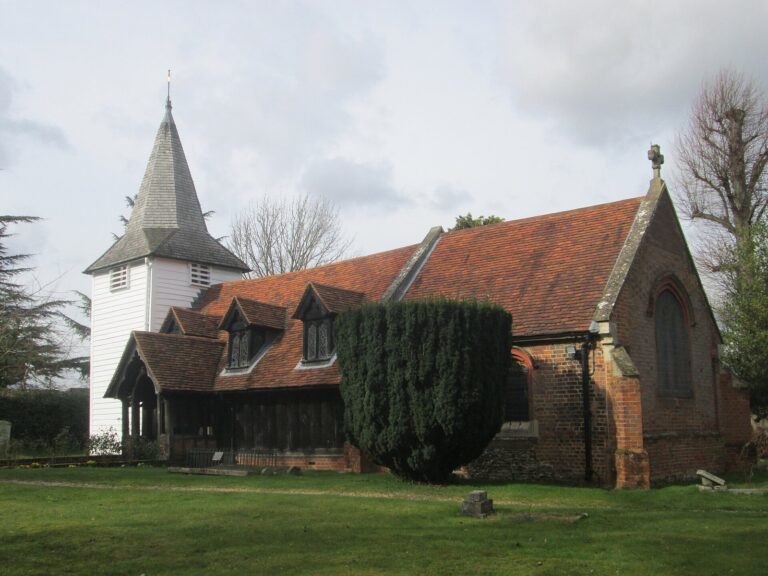
Much of Brown’s parkland design remains within the landscape of Thorndon Park Golf Course. A Petre family mortuary chapel lies nearby and is owned by the Historic Chapels Trust.