Thirumayam Fort: A 17th-Century Fortress in India
Site at a Glance
- Popularity
- High
- Country
- India
- Primary era
- Early Modern
- Eras represented
- Early Modern, Modern
- Civilizations
- British
- Site type
- Military
- Remains
- Fort
On this page9 sections
History
Thirumayam Fort is a 17th-century fortress in India, built in 1687 by Vijaya Raghunatha Sethupathi, Raja, or ruler, of Ramnad. It was later transferred to his brother-in-law, Raghunatha Raya Tondaiman, who belonged to the Tondaiman ruling house.
Under British rule, the fort became the seat of the Crown’s administrative offices, and cannons were placed on its outer walls and summit. During the Polygar Wars, conflicts between regional chieftains known as poligars and British forces in southern India, it served as a stronghold for rebel leaders. Oomathurai, brother of the prominent South Indian chieftain Veerapandiya Kattabomman, was captured there. The fort is also locally called Oomayan Kottai, meaning “Fort of the Mute.”
In 2012, the Archaeological Survey of India, India’s national agency for archaeological research and heritage protection, carried out extensive renovation work. The agency maintains and administers the fort.
Remains
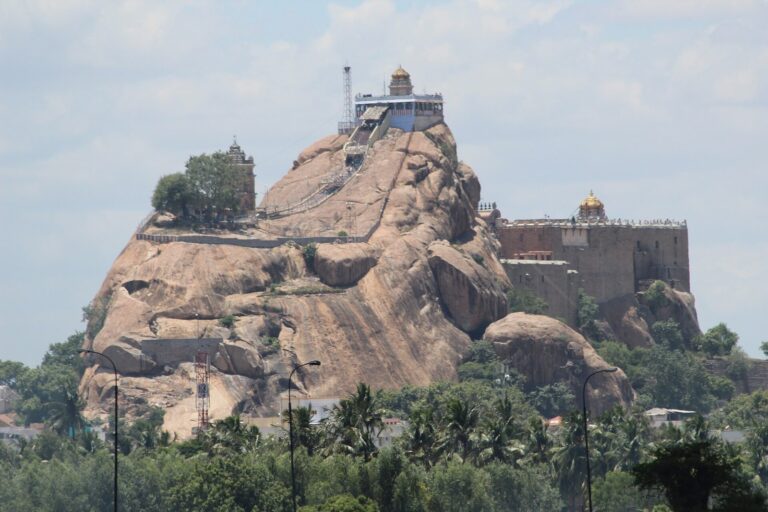
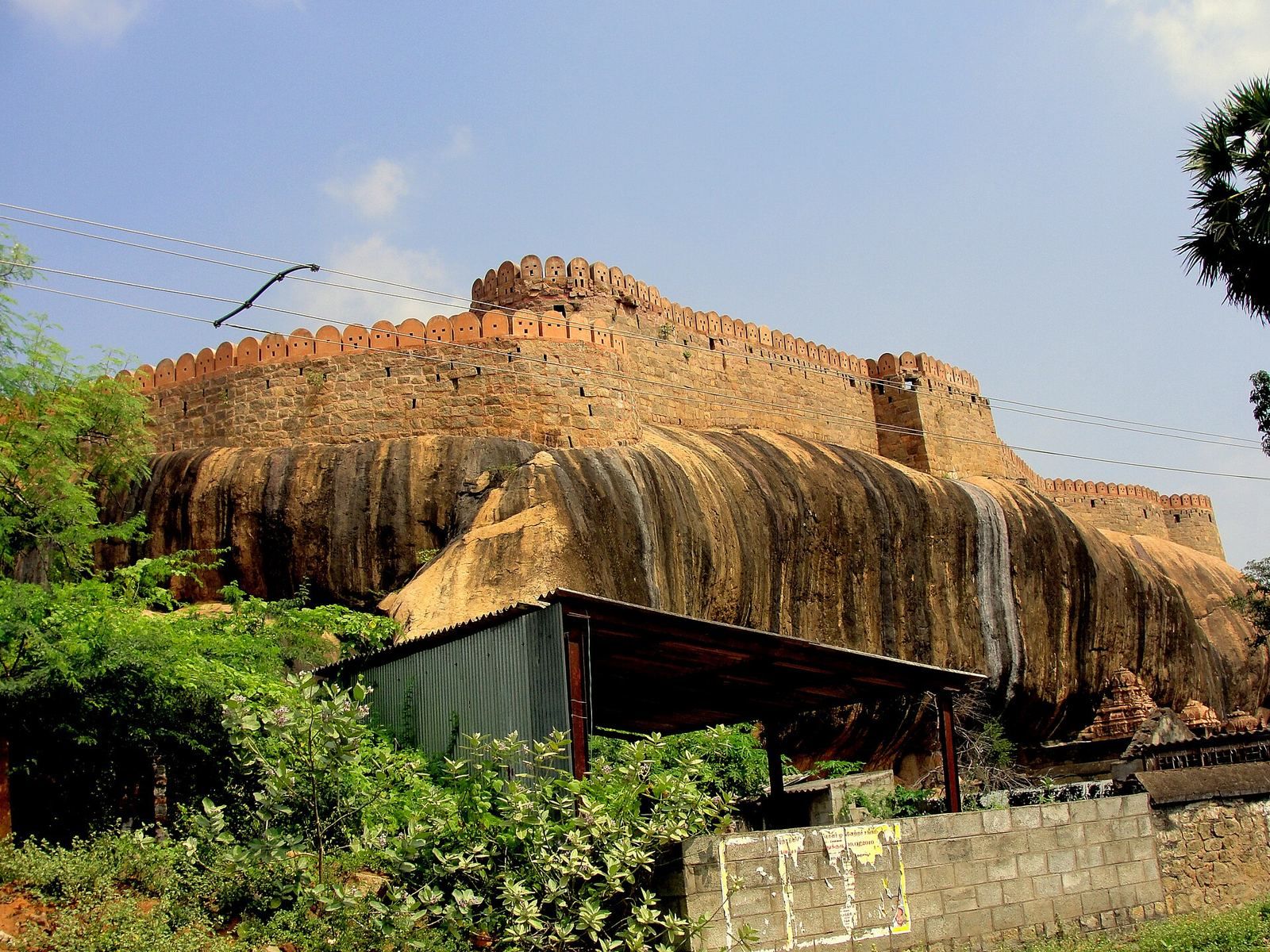
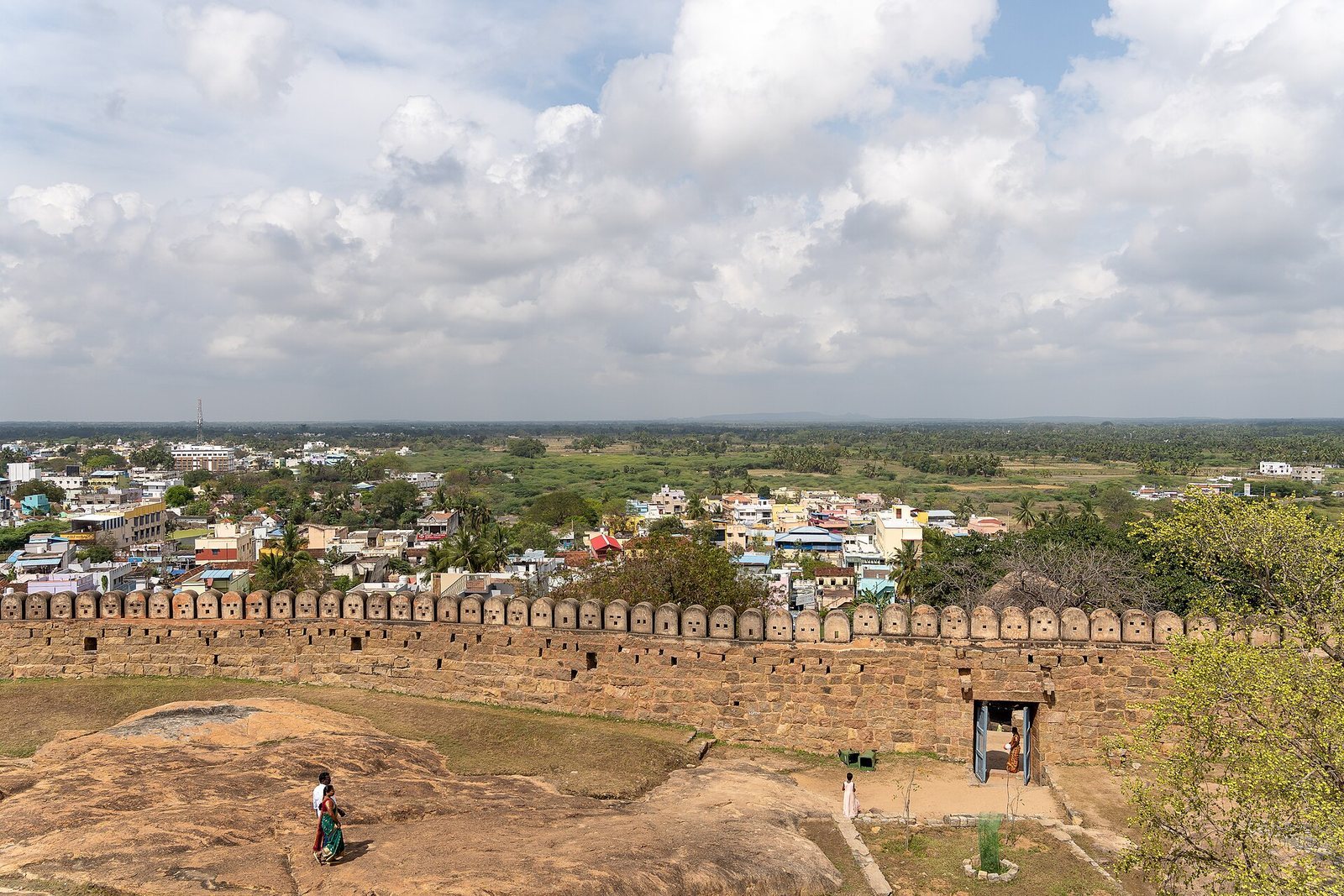
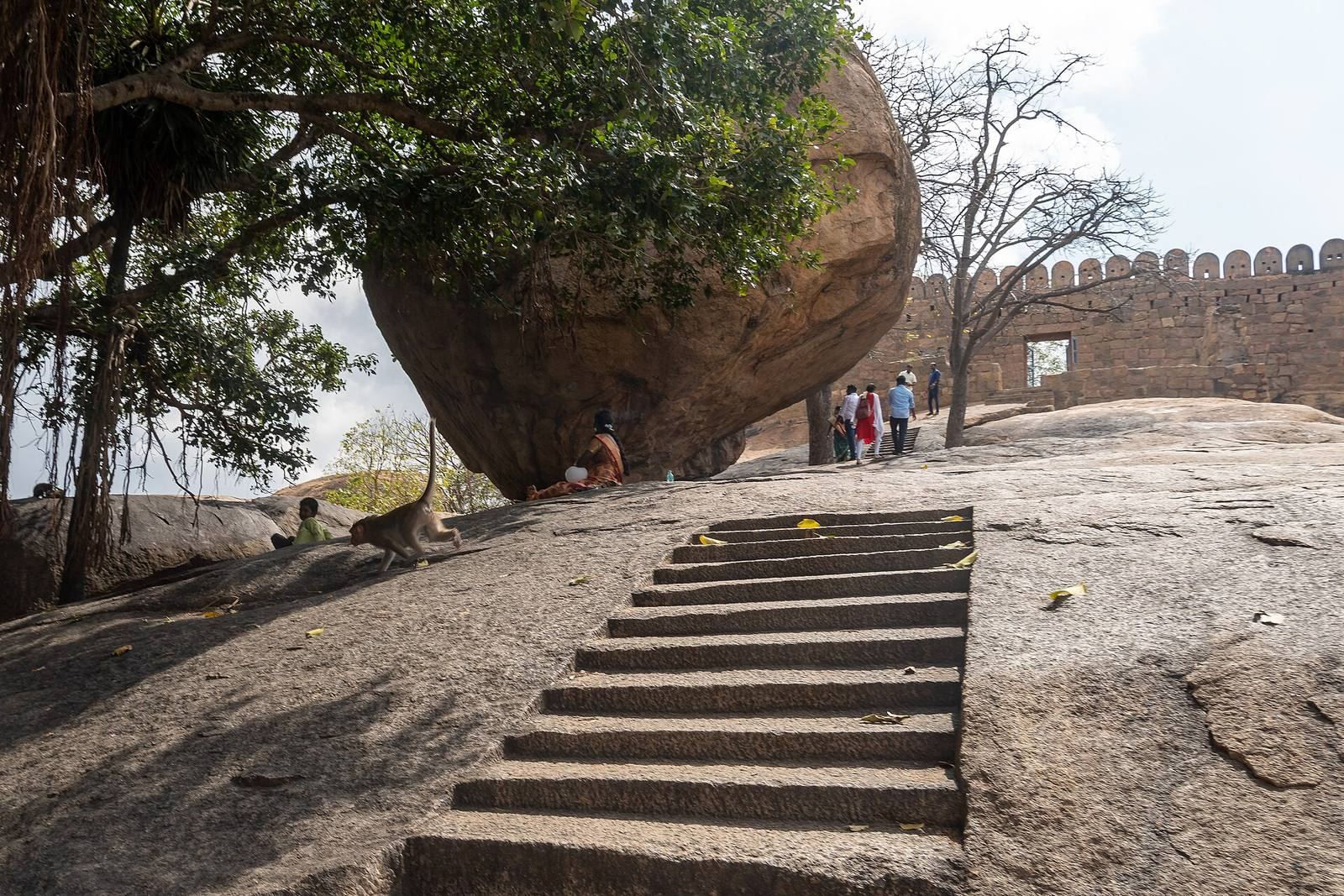
The fort covers 40 acres and now lies in ruins. Its defenses are said originally to have included seven concentric walls, four of which survive. The fortifications were built with small stone blocks and bricks.
Fortifications and water features
Walls and entrances
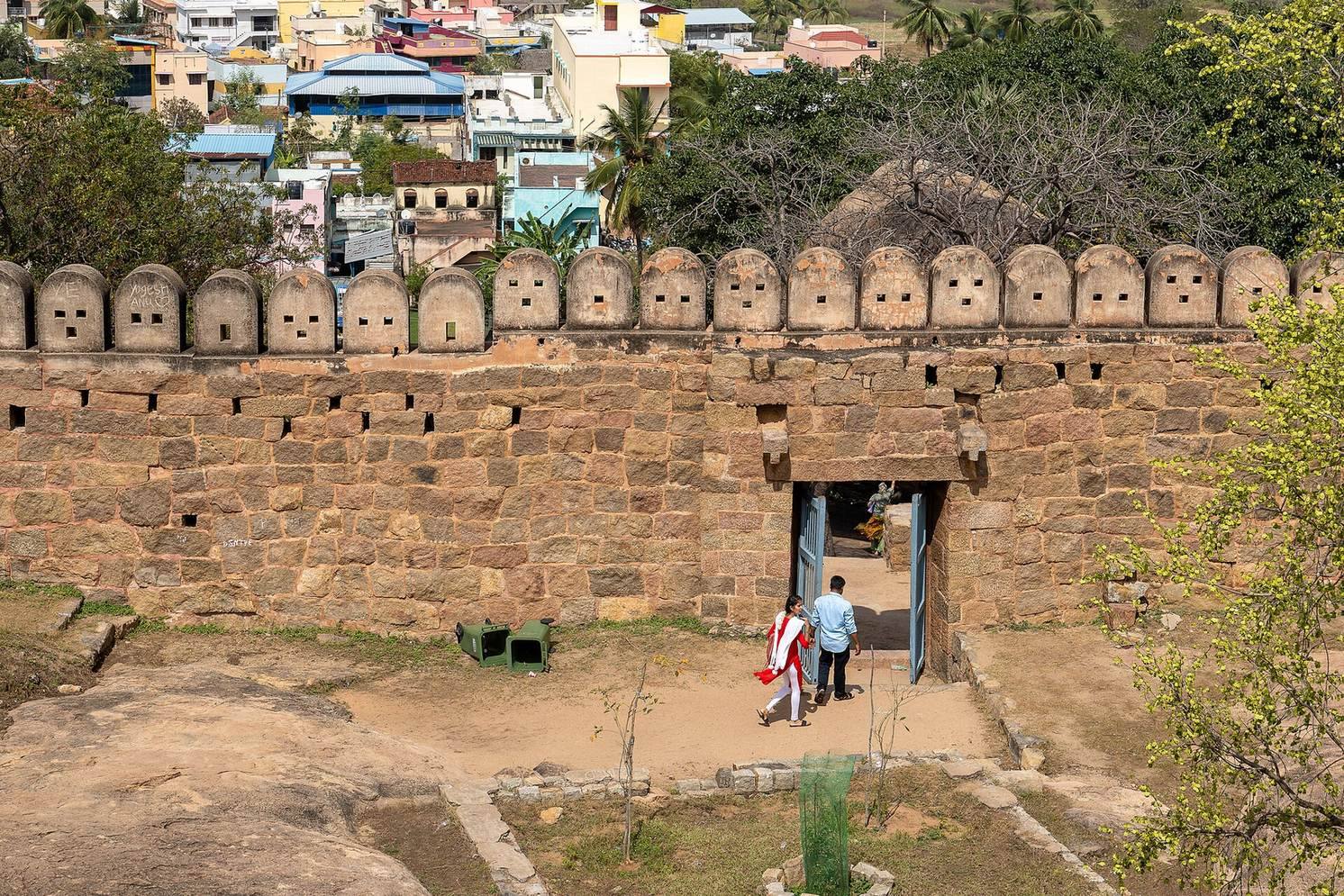
Entrances pierce the fort on its north, south, and east sides. Six cannons are mounted at these gates.
Summit defenses and water
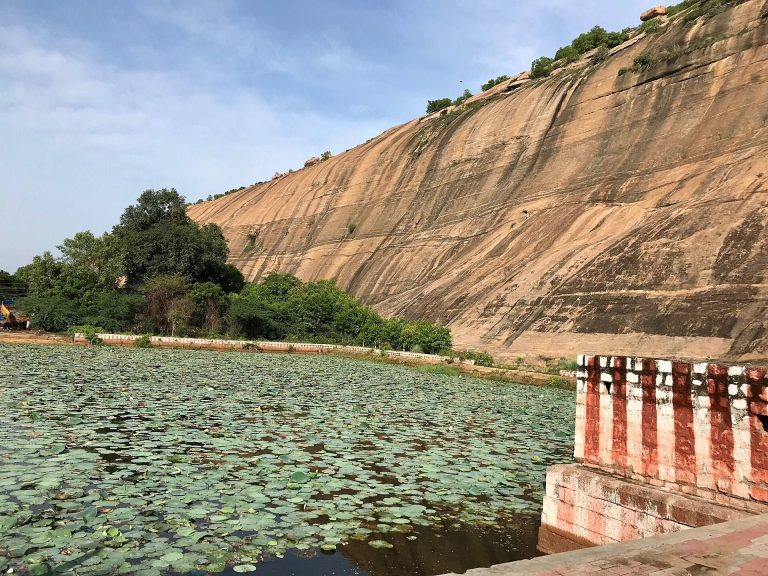
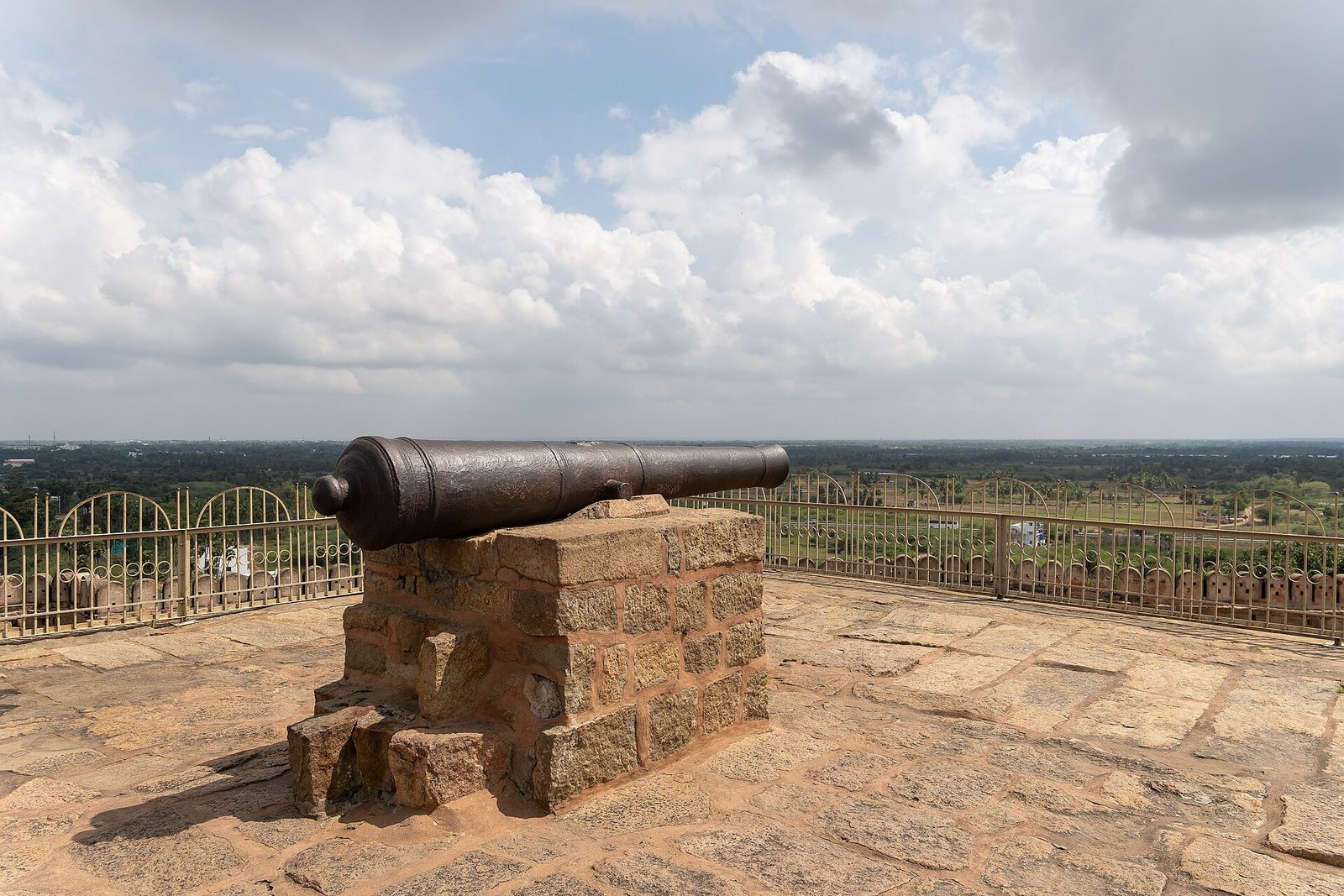
A bastion, a projecting defensive structure, stands on top of the rock and carries a cannon of British origin. A cannon at the summit is believed to have been used in wartime. A natural pond lies south of the bastion platform; another pond is northwest of it, while a tank lies to the southeast.
Shrines and rock-cut structures
Shrines
Several shrines stand on the southern side of the fort. They are dedicated to Hanuman, associated with devotion and strength; Sakthi, the divine feminine power; Ganapathi, an elephant-headed deity; and Karuppar, a guardian deity in Tamil traditions. These deities are identified as guardians of the fort. A northern shrine is dedicated to Bhairava, a fierce form of Shiva.
Rock-cut cell
Halfway up the fort, a chamber on the right-hand side served as a magazine, or ammunition store. Opposite it, on the western slope of a boulder, a rock-cut cell contains a linga, a symbolic representation of Shiva, set on a yonipitha, its base. A dwarf figure supports the base’s spout.
Southern rock-cut temples
Two temples cut into rock occupy the southern slope. One is dedicated to Sri Sathyamurthy and Sri Uyyavanda Nachiar and follows the Vaishnavite tradition, centered on Vishnu. The other is dedicated to Sri Sathyagireeswarar and Sri Venuvaneeswari and belongs to the Saivite tradition, centered on Shiva. Both temples are regarded as especially important to the site’s history and religious life.