Theres Abbey: A Benedictine Monastery in Germany
Site at a Glance
- Rating
- 4.8
- Popularity
- Very Low
- Country
- Germany
- Primary era
- Early Modern
- Eras represented
- Early Modern
- Civilizations
- Unclassified
- Site type
- Religious
- Remains
- Monastery
On this page8 sections
History
Foundation and governance
Theres Abbey was a Benedictine monastery in Germany, founded around 1045 by Suidger, Bishop of Bamberg. Benedictines follow the Rule of Saint Benedict. The abbey belonged to the Diocese of Würzburg and was a proprietary monastery of the Diocese of Bamberg. Dedicated to Saints Stephen and Vitus, it was established by Suidger, who later became Pope Clement II.
The abbey’s leadership was interrupted at several points. It had no abbot from 1574 to 1587 and was administered first by Münsterschwarzach Abbey, then by St Stephen’s Abbey in Würzburg. From 1616, the abbot’s staff, a ceremonial emblem of the office, was not conferred for three years.
Renewal under Abbot Gregor II Fuchs
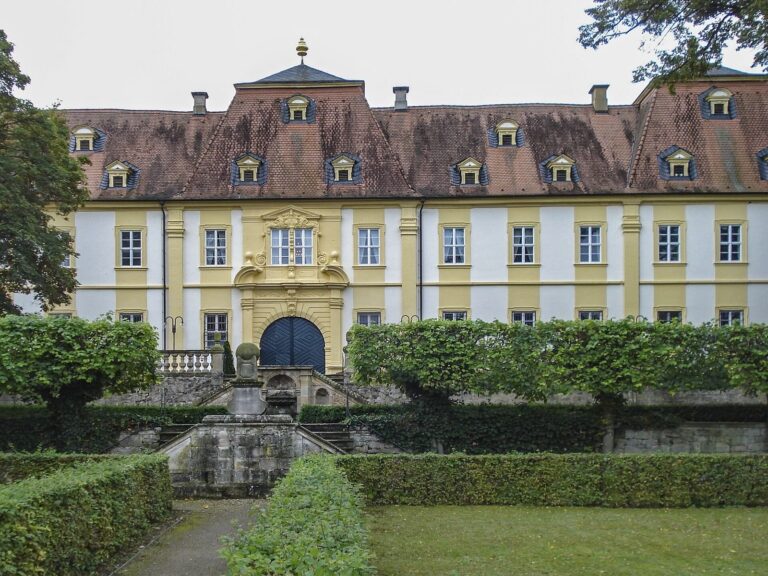
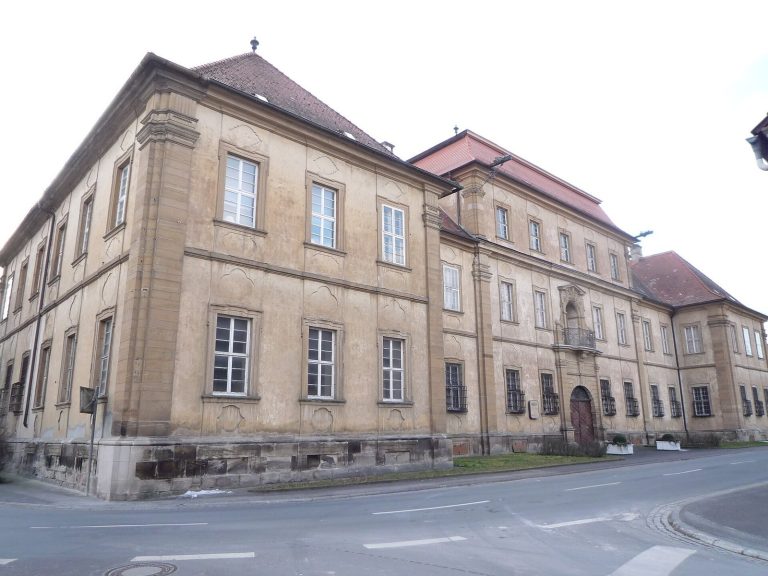
During the tenure of Abbot Gregor II Fuchs, from 1715 to 1755, the abbey underwent extensive renewal. In 1716, he commissioned the Würzburg master builder Joseph Greissing to design a new church and plan the monastic buildings. After Greissing’s death, his former foreman Johann Leonhard Stahl the Elder continued the plans for three monastic wings, working with Johann Leonhard Greissing to carry on the building firm. Around 1748, the monastery buildings were adapted in the late Baroque style.
Dissolution and change of ownership
During the secularization of Bavaria, the transfer of church institutions and property into secular control, Bavarian troops occupied the abbey in 1802, and it was dissolved that year. The Saxe-Coburg minister Theodor von Kretschmann acquired the complex in 1804. After he incurred excessive debt, the abbey church was demolished in 1809 for economic reasons. The former monastic buildings were adapted as a country house called Schloss Theres.
Georg von Ditfurth, formerly a first lieutenant in the Hessian army, acquired Schloss Theres in 1830. His brother Franz Wilhelm lived there from 1830 to 1855 and collected Franconian folk songs. In 1856, Georg sold most of his property to Henry von Swaine, an English-born landowner, and built Schloss Ditfurth at the eastern end of the park. Swaine acquired the former monastic outbuildings and farmland, modernizing agricultural work with machinery and livestock brought from England. His son Richard succeeded him and sat in the German Reichstag, the parliament of the German Empire, from 1871 to 1874. The Counts of Beust inherited Schloss Theres in 1976.
Remains
Former abbey church
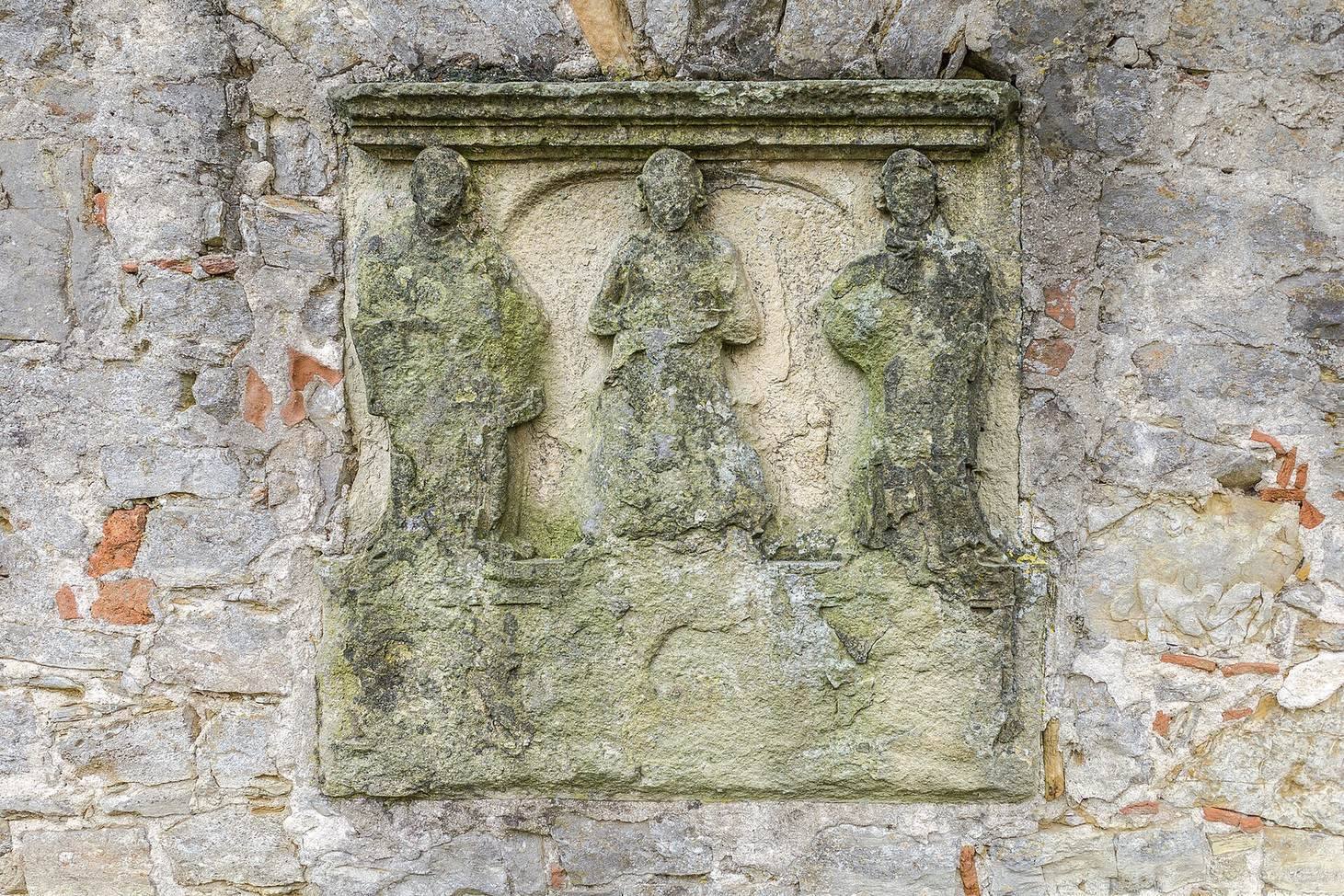
The abbey church was a monumental three-towered building. Its west tower, nearly 70 metres high, stood at the center of a grand late Baroque façade designed around a single tower; two slender towers flanked the choir, the part reserved for clergy or singers. The church organ was auctioned for 605 Reichstaler and reassembled in the town church at Treysa. Balthasar Esterbauer’s ornate pulpit is in the church at Reichmannshausen, important parts of the high altar are in the parish church at Untertheres, and sandstone statues from the façade were moved to Wonfurt, where they decorate the church square.
Monastic buildings
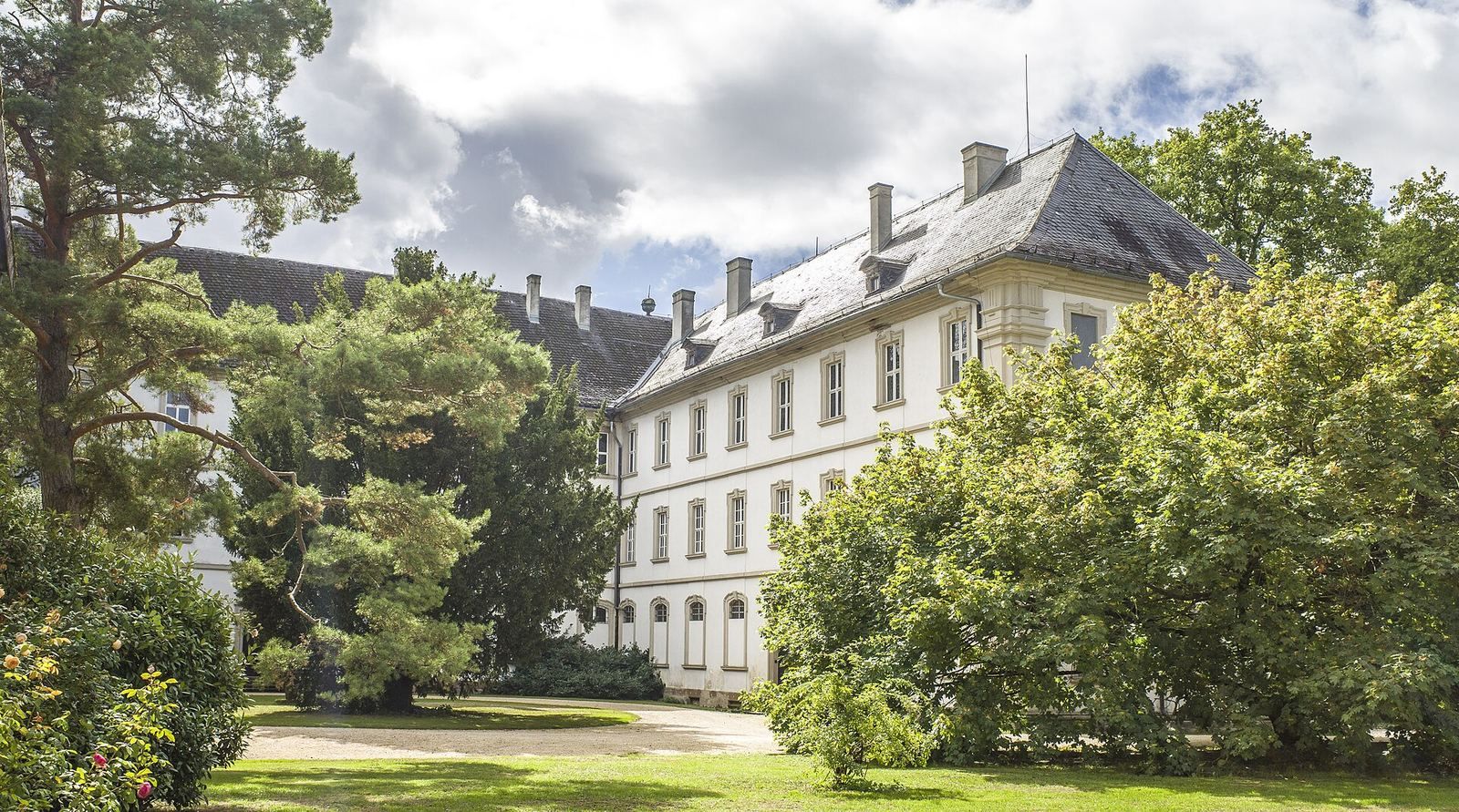
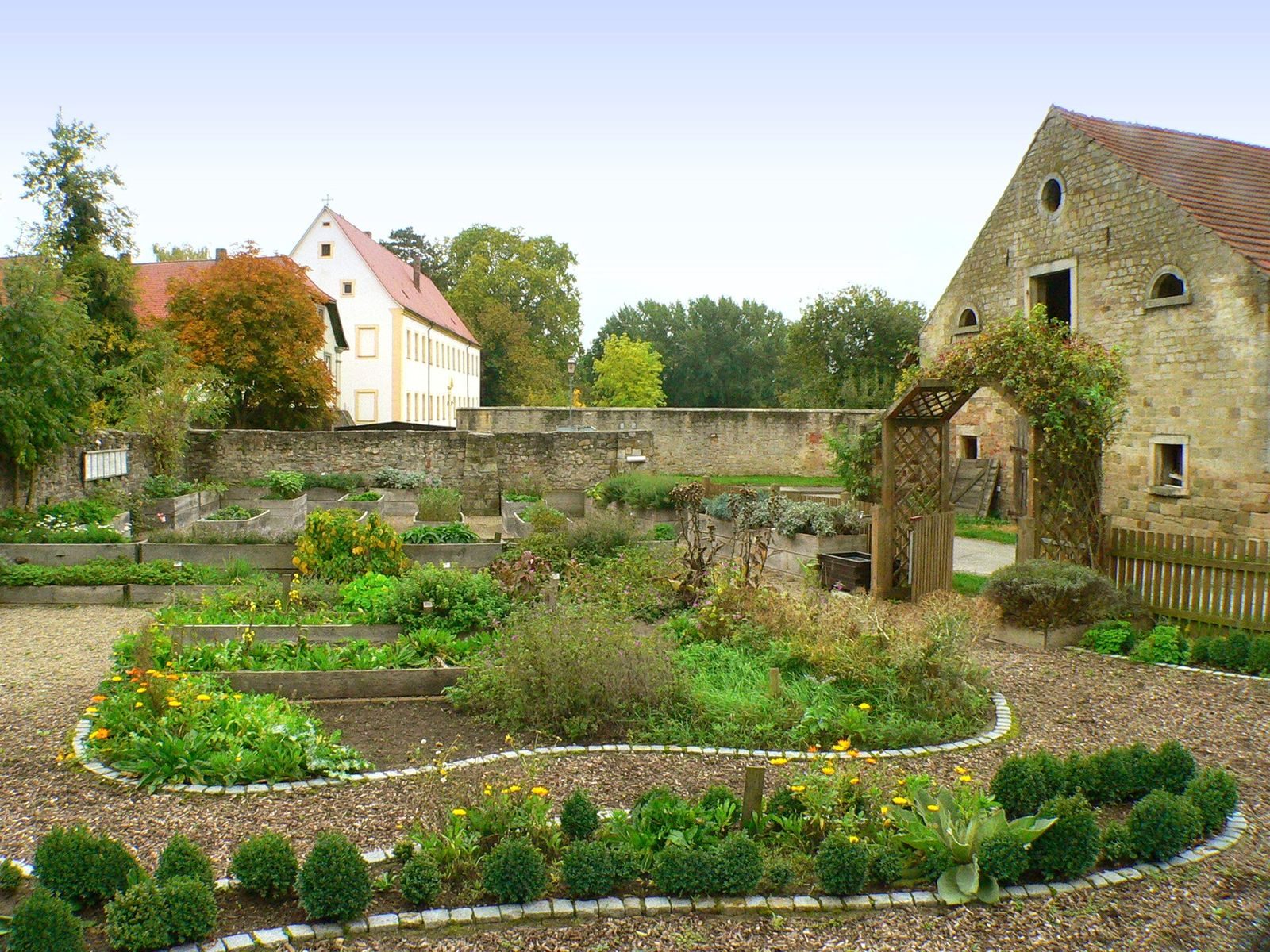
The three surviving wings stand south of the former church and once formed part of a cloister quadrangle, a monastic arrangement around an enclosed courtyard. After the church was removed, the open northern fronts of the wings were closed, giving the complex its horseshoe-shaped plan. The buildings survive as Schloss Theres.
Schloss Ditfurth
Schloss Ditfurth is built in the Tudor style, drawing on architectural forms associated with Tudor-era England and later revivals.