Schloss Oberschwappach: A Baroque Administrative Residence in Bavaria
Site at a Glance
- Popularity
- Medium
- Country
- Germany
- Primary era
- Early Modern
- Eras represented
- Early Modern
- Civilizations
- Holy Roman Empire
- Site type
- Religious
- Remains
- Palace
On this page8 sections
History
Monastic seat and summer residence
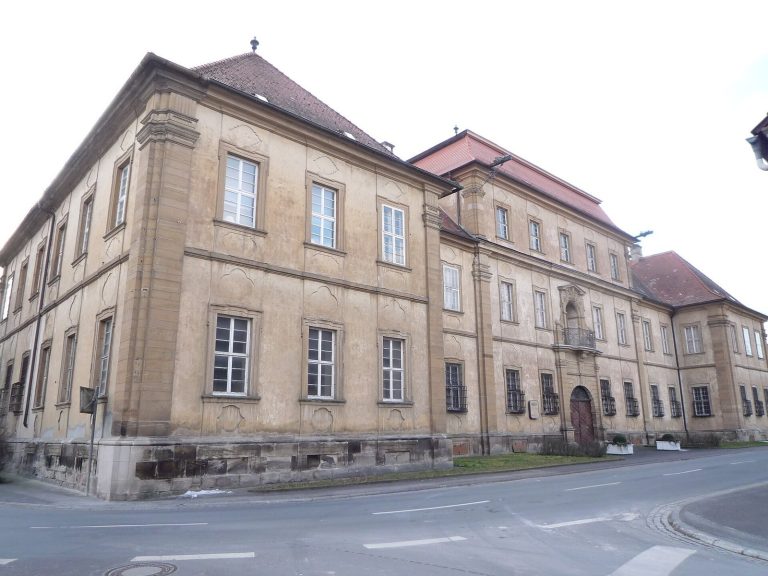
Schloss Oberschwappach is a Baroque castle in the village of Oberschwappach, Germany, built by Ebrach Abbey from 1733 to 1738. The Cistercian abbey, belonging to a Catholic monastic order, established it as the administrative seat of its St. Gangolf district, which managed nearby estates, and as a summer residence for its abbots, the heads of the monastery. Construction took place under Abbot Wilhelm I Sölner. The design shows the influence of Joseph Greissing, Würzburg’s court architect, who may have prepared plans years before building began.
After the abbey’s dissolution
Ebrach Abbey was dissolved in 1803 during secularization, the transfer of religious institutions and property to secular control. The abbey’s last abbot, Eugen Montag, received the castle as his retirement residence and died there in 1811. The property later passed through several owners and fell into disrepair. Knetzgau municipality acquired it in 1985. Today the castle houses a museum with local-history and sacred-art collections, a kindergarten, and a restaurant.
Remains
Exterior and grounds
Main wing and courtyard
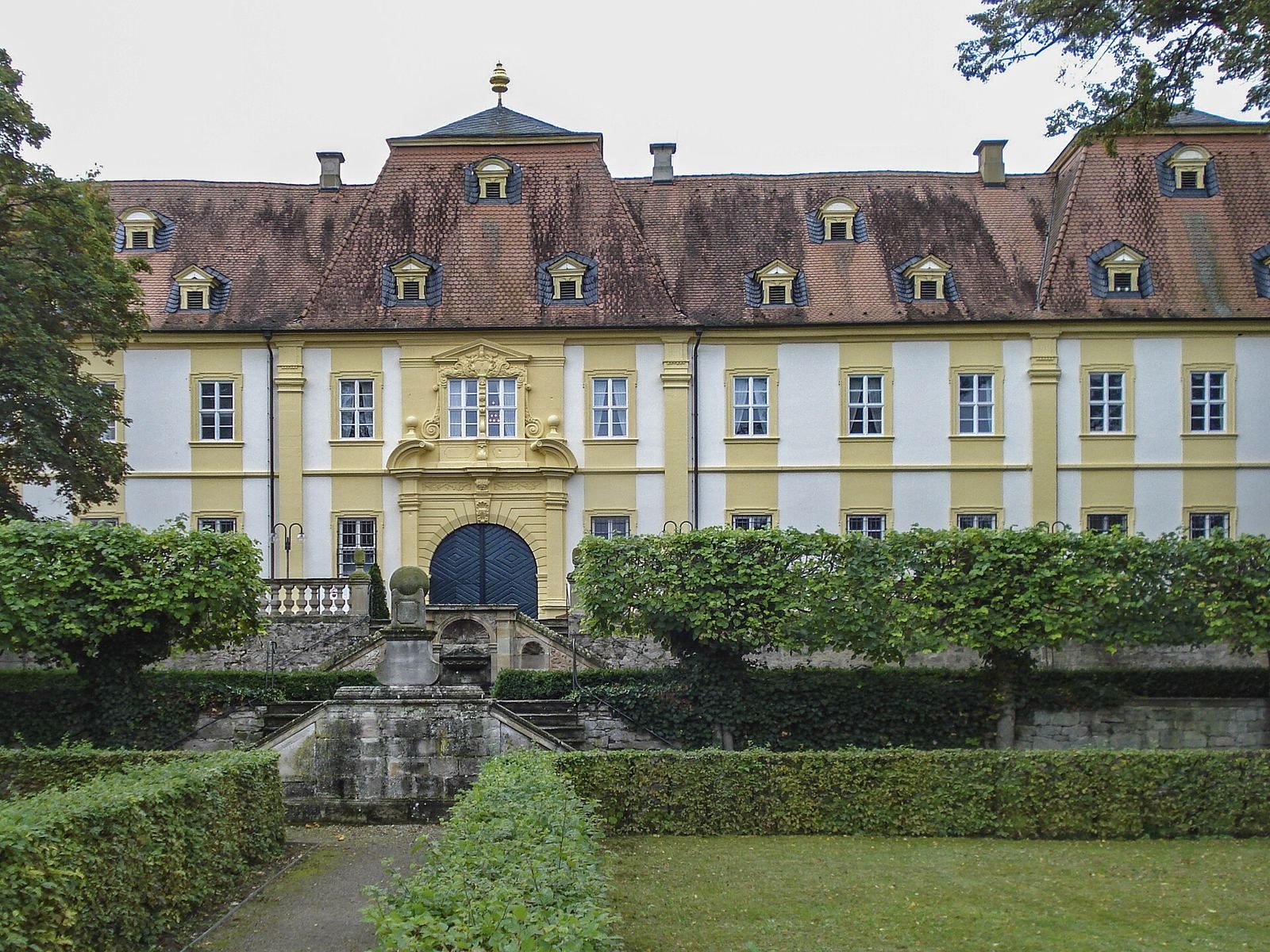
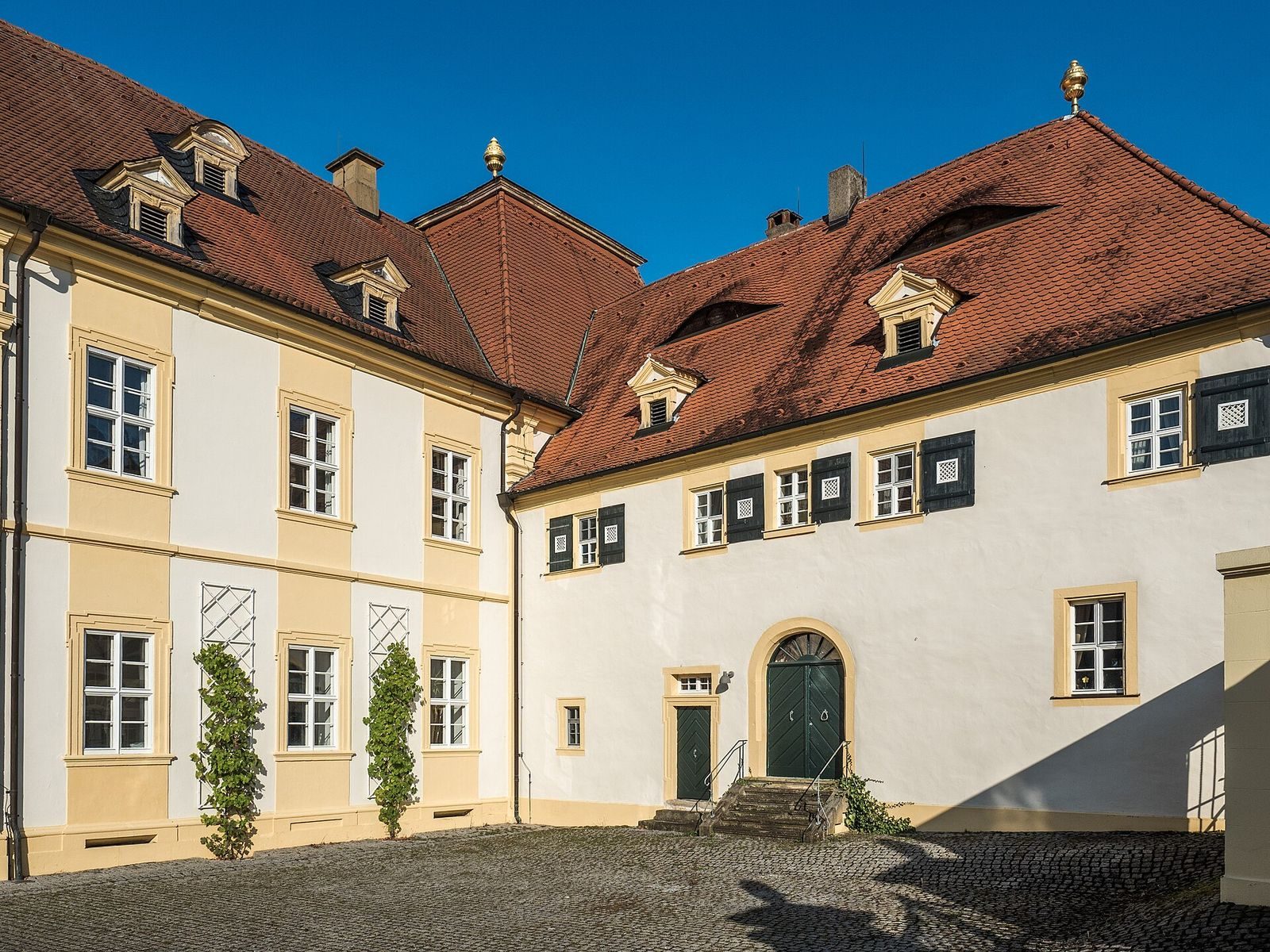
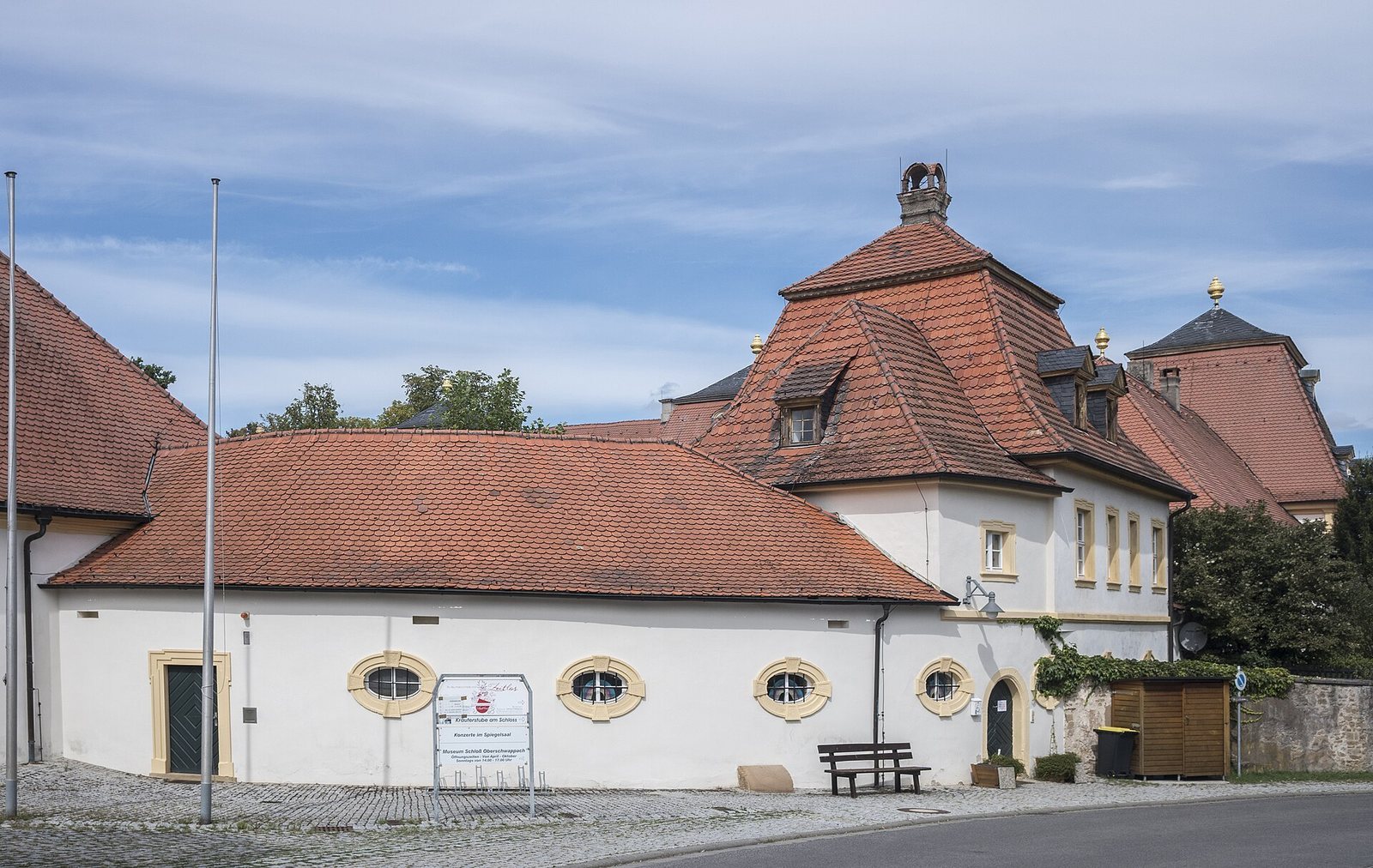
The Baroque castle is arranged around a courtyard in a design associated with seventeenth-century French architectural precedents. Its main wing has a central entrance pavilion and two corner pavilions, distinct sections of the larger building. All three have tall mansard roofs, each with a steep lower slope and a shallower upper slope.
Gates and gardens
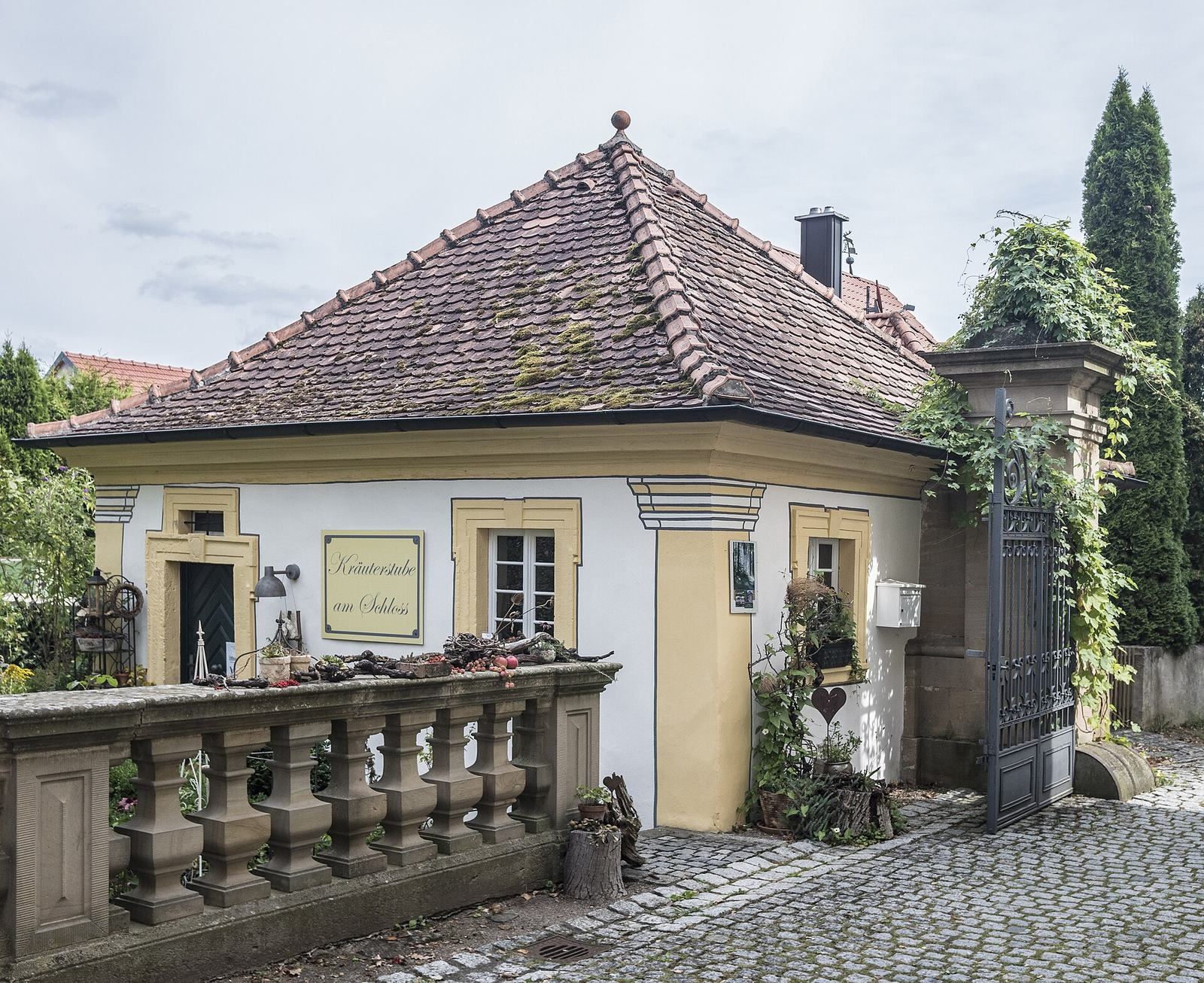
A former gatehouse is now used as an herb room, while a northern gate leads to the castle garden. The grounds include extensive gardens and a fountain. An inscription appears on the castle gate.
Interior rooms
The Hall of Mirrors and the castle chapel are among the castle’s grand rooms.