Taxinge-Näsby Castle: A Historic Estate in Sweden
Site at a Glance
- Popularity
- High
- Country
- Sweden
- Primary era
- Modern
- Eras represented
- Modern
- Civilizations
- Swedish
- Site type
- Domestic
- Remains
- Castle
On this page6 sections
History
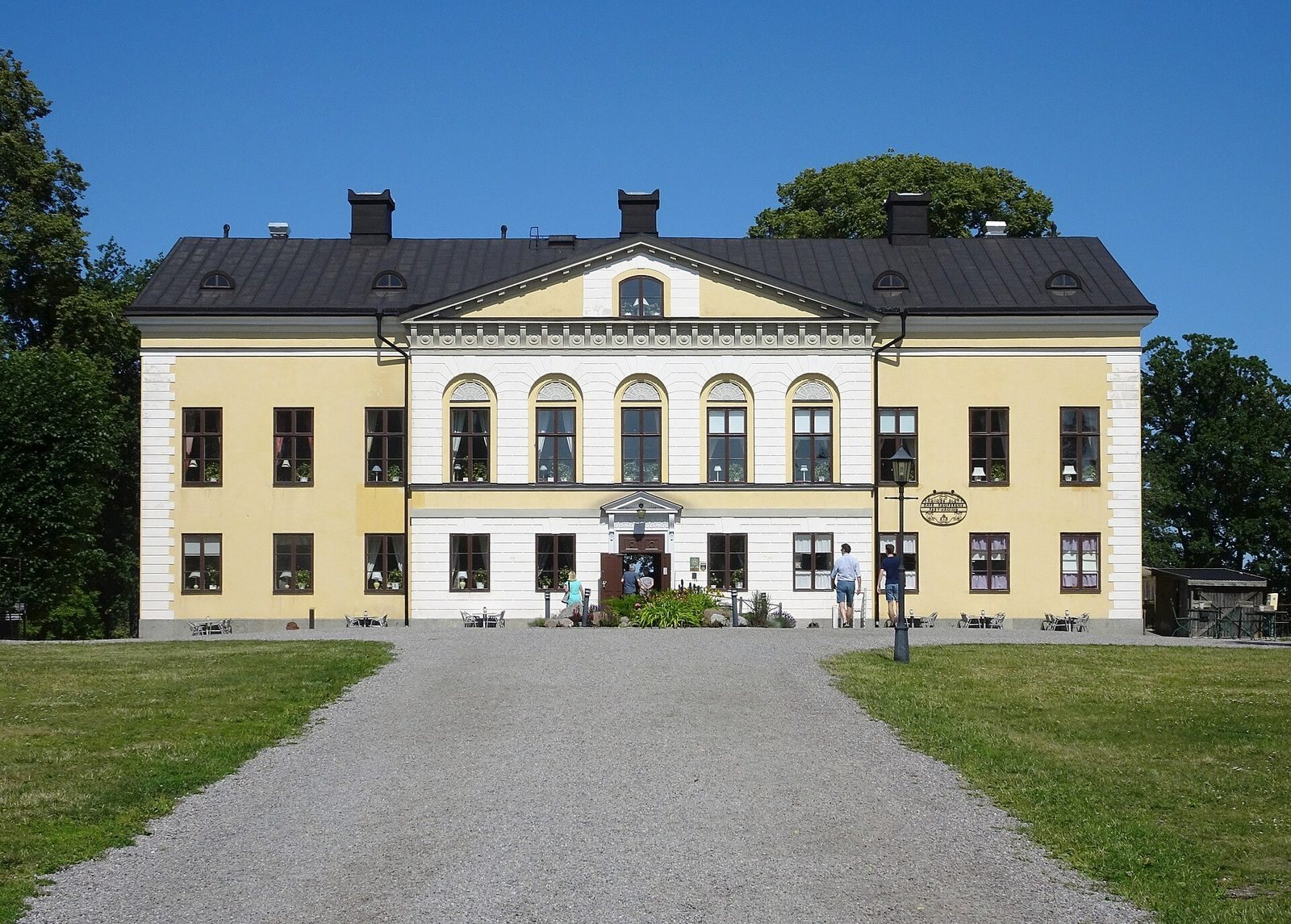
Taxinge-Näsby Castle is an estate on a peninsula in Lake Mälaren, in Nykvarn Municipality, Sweden. The castle was built between 1807 and 1813.
Medieval estate and Crown ownership
The estate is first mentioned in 1281, when King Magnus Ladulås attested that his brother, Duke Erik, had donated land to Strängnäs Cathedral. In 1481, Taxinge became an outpost of Gripsholm Castle, then owned by the Swedish nobleman and regent Sten Sture the Elder. It later remained a Crown estate for a long period.
Private ownership and construction
Captain Johan von Westphal acquired the estate from the Crown in 1681. Four years later, it became a tax-exempt estate granted in compensation for military service. Merchant Gustav Kierman bought it in 1755 and passed it to his brother-in-law, General Johan Didrik Duvall. Anders von Wahrendorff purchased Taxinge in 1795 and had the castle built to plans by architect Carl Christoffer Gjörwell between 1807 and 1813.
After Anders’s son, court marshal Martin von Wahrendorff, took over, inheritance and marriage transferred the castle among several noble families. In 1826, Holterman, an industrialist from Forsby in Österåker Municipality, stipulated in his will that his art collection should go to Taxinge after his death. The collection was transferred there.
Ownership in the twentieth century
Before a bank purchased the castle in 1923, it belonged to Lieutenant Count Knut Arvid Posse, a relative of Prime Minister Count Arvid Posse. The bank sold it in 1928 to horse breeder Ernst Sjögren. After Sjögren’s death in 1969, Södertälje Municipality took over the property. It passed to Nykvarn Municipality in 1999.
Remains
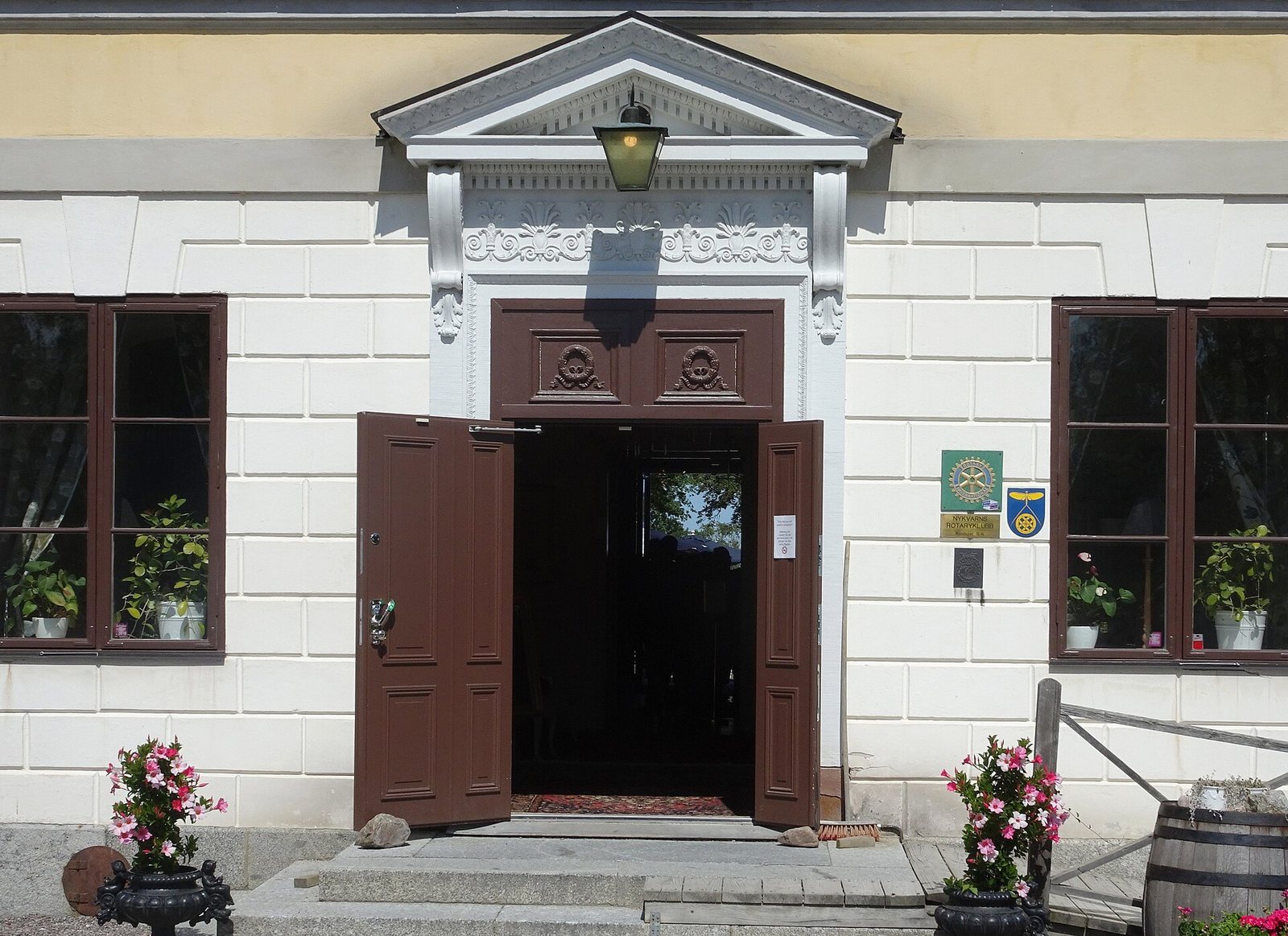
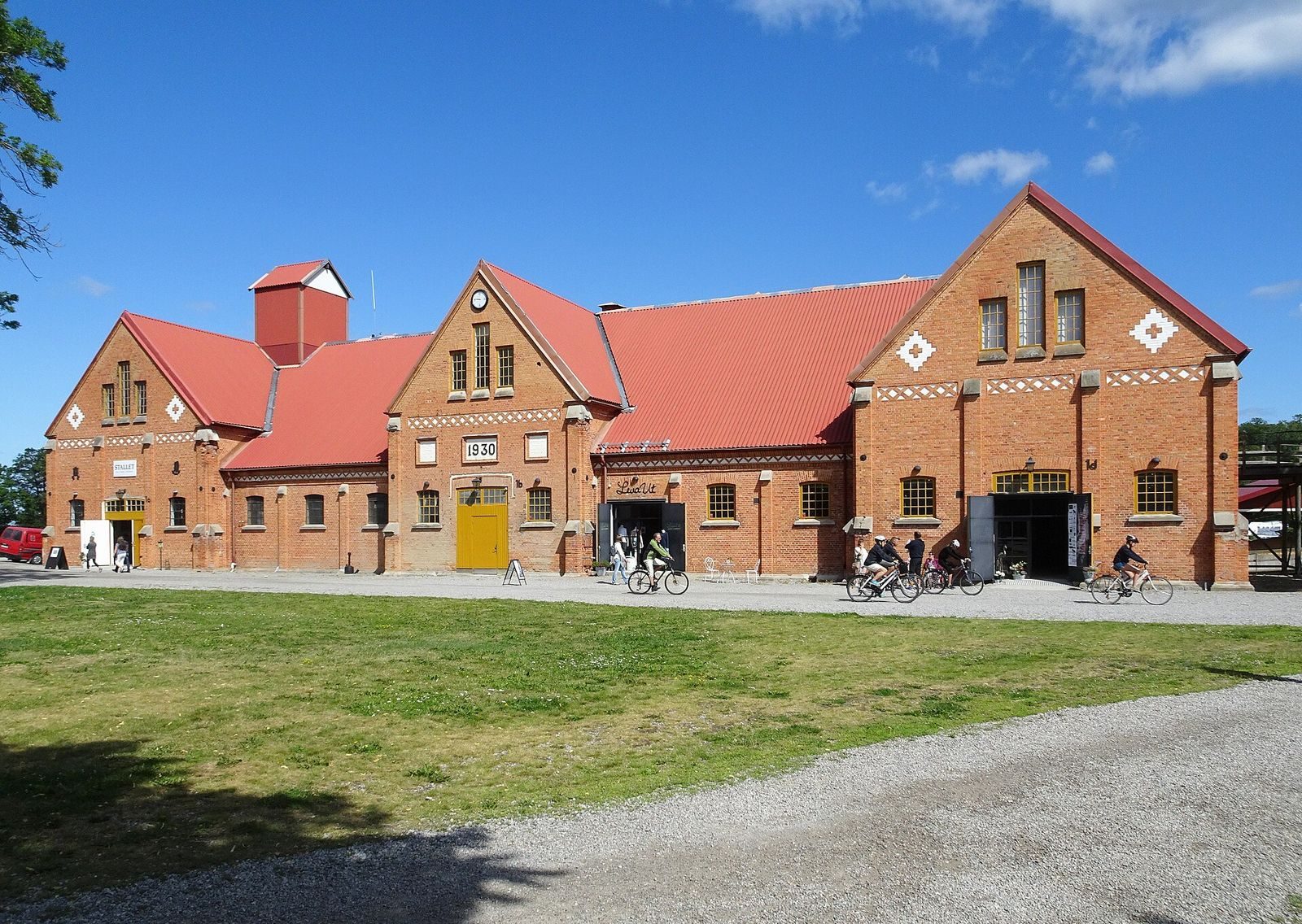
The castle stands on a peninsula extending into Lake Mälaren. Its two-storey main building is accompanied by detached side wings that are somewhat older than the main building.
Park and garden features
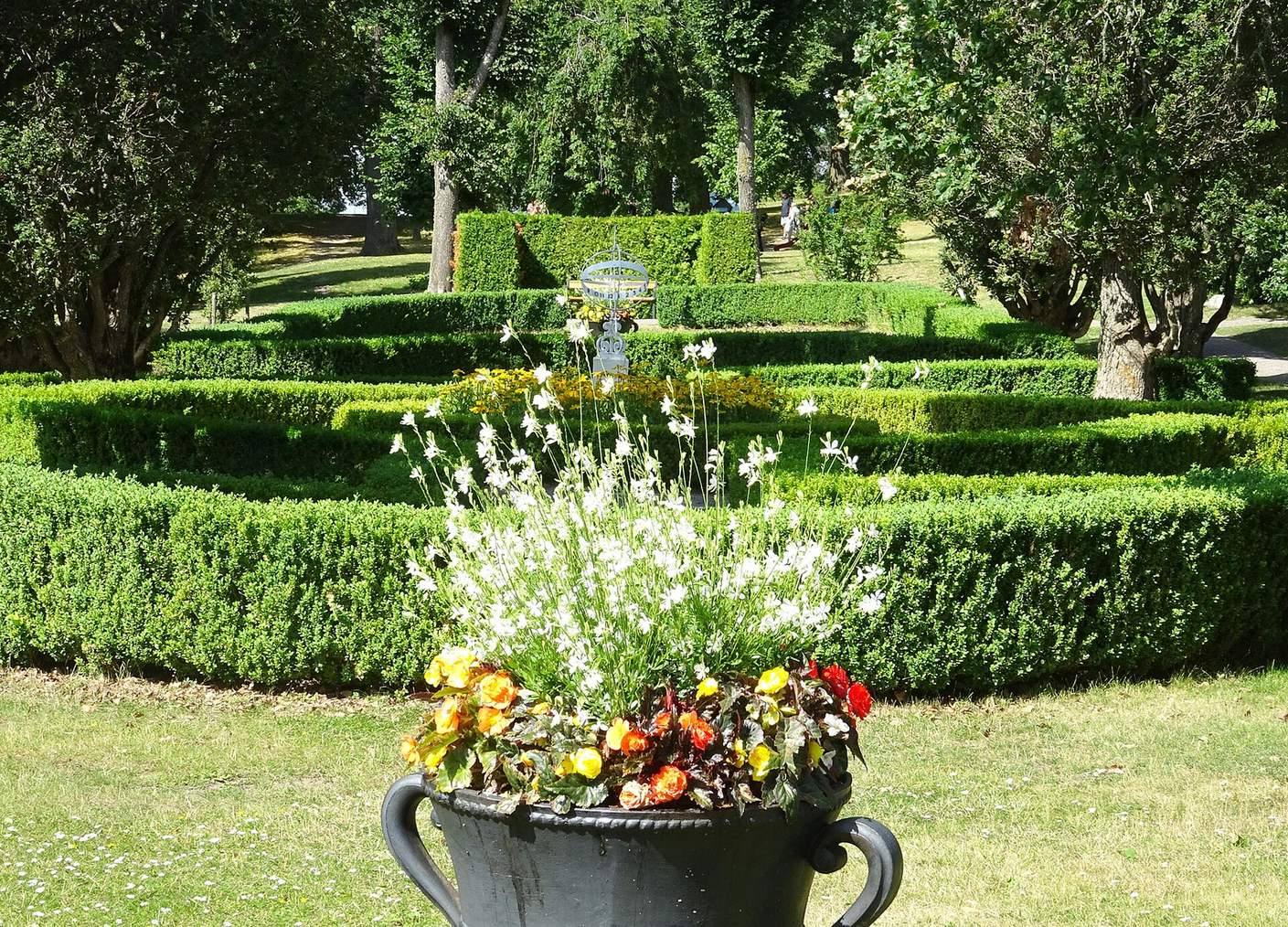
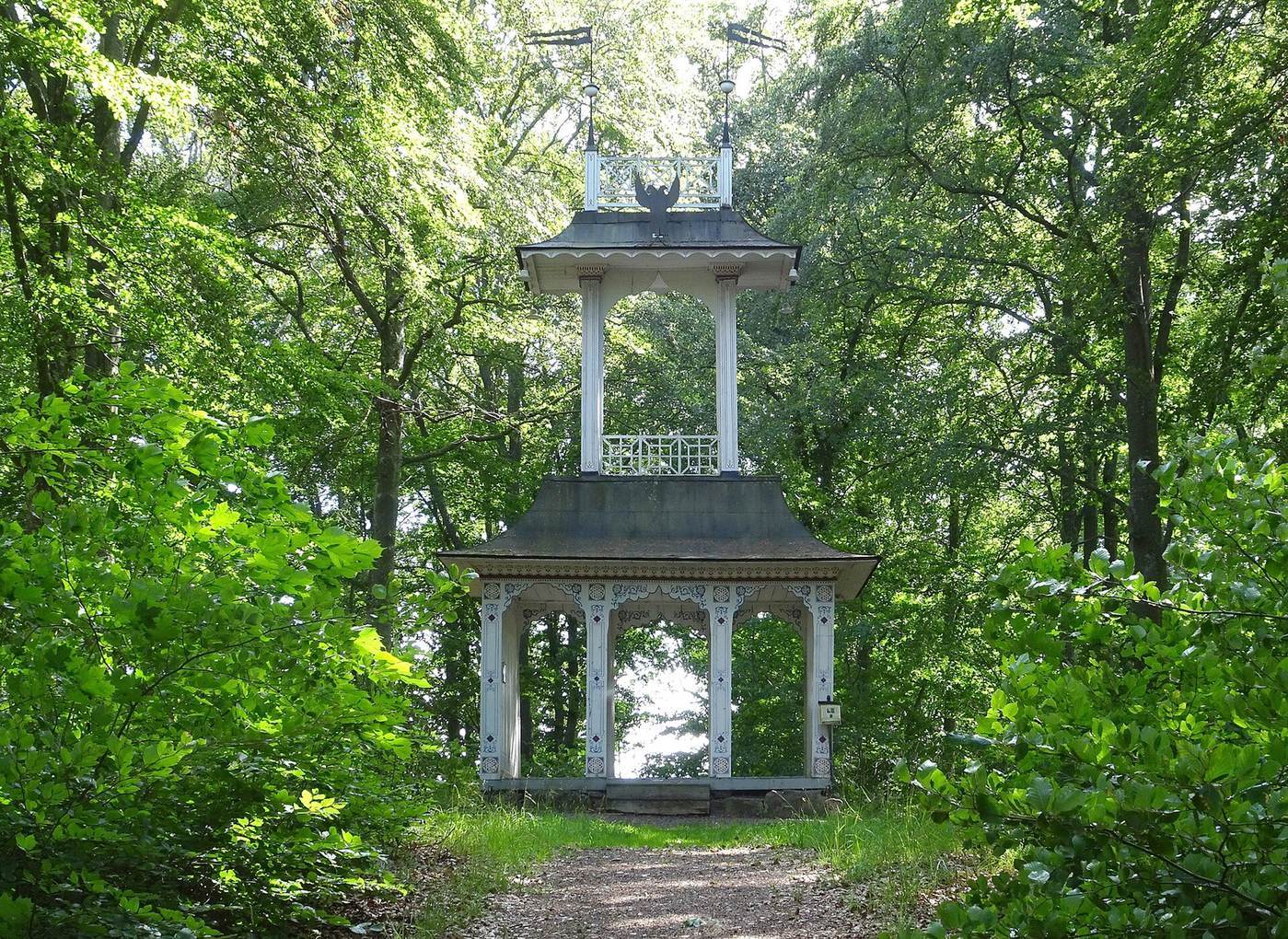
The extensive park, greenhouse, and several garden pavilions, including a Chinese pavilion, are chiefly the work of Wahrendorff. An Italian park lies south of the castle, and a Turkish kiosk was built in 1857.