Tawa Shrine: A Disputed Shikinaisha of Sanuki Province
Site at a Glance
- Rating
- 4.3
- Popularity
- Very Low
- Country
- Japan
- Primary era
- Early Modern
- External website
- Open
- Eras represented
- Early Modern
- Civilizations
- Tokugawa
- Site type
- Religious
- Remains
- Sanctuary
On this page10 sections
History
Tawa Shrine is a historically recorded shrine in Japan, in Sanuki City, Kagawa Prefecture. It appears in the Engishiki, a tenth-century compilation whose Jinmyocho section lists officially recognized shrines, and is classified as a shikinaisha. Tawa was traditionally counted among the twenty-four shrines of Sanuki Province, the historical province corresponding broadly to present-day Kagawa, and was identified as the province’s Third Shrine.
Early Shrine Traditions
Two shrines in Sanuki City claim to represent the Tawa Shrine named in the Engishiki. The shrine in Shido is also called Shido Hachimangu, while the shrine in Maeyama is known as Otao Myojin. Both have been worshipped and treated as Tawa Shrine, and the question of which one holds the older identity has remained unsettled since the end of the Edo period.
Until the close of the Edo period, the Maeyama shrine was worshipped as Tawa Shrine. Its deities were Ōnamuchi and Taokihooi-no-Mikoto. Ōnamuchi is also identified in the shrine tradition with Okuninushi and the Great Miwa Deity, names associated with the same major Japanese deity. A shrine record later quoted in the 1938 Kagawa Prefecture Shrine Gazetteer attributes the establishment of the Maeyama shrine to Kukai and Fujiwara Sadaiyu Masatomi. According to this tradition, they invited and enshrined the Great Miwa Deity as Tawa Daimyojin in the Tawa area of Sanuki Province.
The tradition places that event in June 824, the first year of the Tencho era, although it also connects it with the reign of Emperor Junnin, an eighth-century ruler. These two chronological references do not agree. The 1752 Ikoma Record nevertheless identifies the Maeyama shrine as the shikinaisha Tawa Shrine of Samukawa District in Sanuki Province. The 1828 All Sanuki History, citing a record from Gokuraku-ji, states that Tawa Shrine and Minohiko Shrine became officially recognized state shrines in 908.
The Shido Shrine
The Shido shrine has a separate historical tradition. It stood beside Shido-ji, a Buddhist temple, until both were destroyed by fire in 1479. When Matsudaira Yorishige, lord of the Takamatsu domain, restored Shido-ji in 1671, the shrine was restored as well and moved to its present site. Another tradition places the transfer in 1623. The shrine’s principal deity is Hayaakitsuhime.
The foundation of the Shido shrine belongs to an earlier period than these surviving accounts can define. One tradition says that it was renamed Hachimangu after Hachiman was enshrined there in 889. Hachiman is a major Japanese deity associated with warfare, protection, and the imperial lineage, while Hachimangu is the usual name for a shrine dedicated to him.
The Late Edo Debate
From the Meiji period onward, Shido Hachimangu began identifying itself as Tawa Shrine and as Sanuki Province’s Third Shrine. At the end of the Edo period, its chief priest, Matsuoka Shigeru, argued that the Shido shrine held that identity. Part of his case rested on the Oharai Fucho, a text containing the phrase “the chief priest of Tawa” in a section associated with Shido.
The text is a copy of the Sanuki Pilgrims’ General Diary, which describes an Ise religious pilgrim’s journey through Sanuki in 1565, including the order of travel, districts visited, parishioners, offerings, and gifts. The surviving copy was made in 1856. The connection between the relevant passage and Shido is not securely established, leaving Matsuoka’s argument weakened.
Questions of Location and Identity
Historical-geographical research has proposed that Tawa District lay neither in Shido nor in Maeyama, but in Tsuruhane, formerly part of Tsuda. A boundary document from 1143 places Tawa and Kanzaki districts north of the Tomita Estate. Its geographical information is considered compatible with the route and map preserved in the Sanuki Pilgrims’ General Diary.
Another theory identifies Oomori Shrine, situated in the grounds of a Tenmangu shrine in the mountainous part of Tsuruhane, with Tawa Shrine. Tenmangu traditions are associated with Tenjin, the deified scholar and courtier Sugawara no Michizane, but the evidence for this identification is limited. The shrine regarded as Sanuki Province’s Third Shrine therefore remains unknown. The issue could change if the assumption that Tawa Shrine had to stand within Tawa District is rejected or if decisive evidence emerges.
Matsuoka Shigeru’s research legacy is preserved at the Shido shrine in the Tawa Library, also called Kōbokusha. The building contains books and objects that he gathered from different places for his studies, and it is recognized as an Important Cultural Property, a legally protected Japanese cultural asset valued for historical, artistic, or scholarly reasons.
Remains
The Two Shrine Sites
Shido Shrine
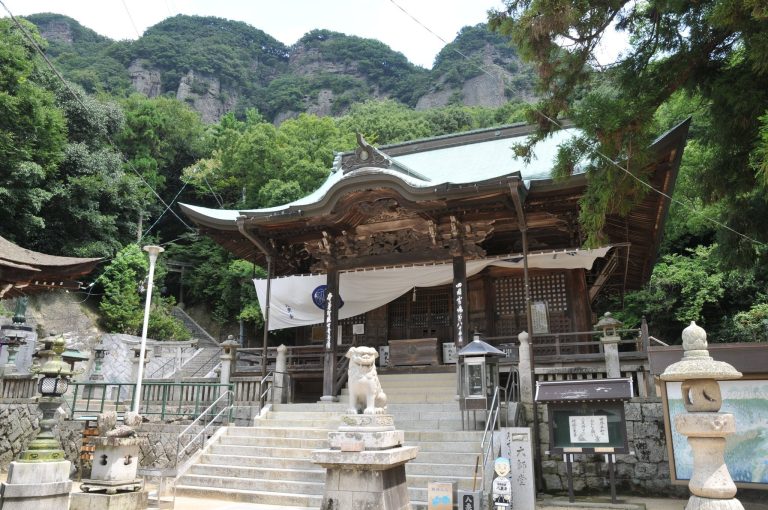
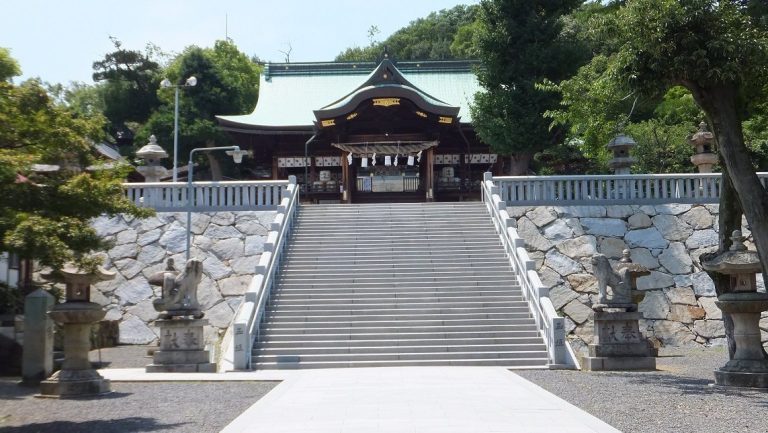
Shido Shrine stands in the Shido district of Sanuki City beside Shido-ji. It is also known as Shido Hachimangu. The present site reflects the shrine’s restoration and relocation associated with the rebuilding of Shido-ji after the fire of 1479. The Shido complex includes the Tawa Library, or Kōbokusha, where Matsuoka Shigeru’s collected books and objects are preserved.
Maeyama Shrine
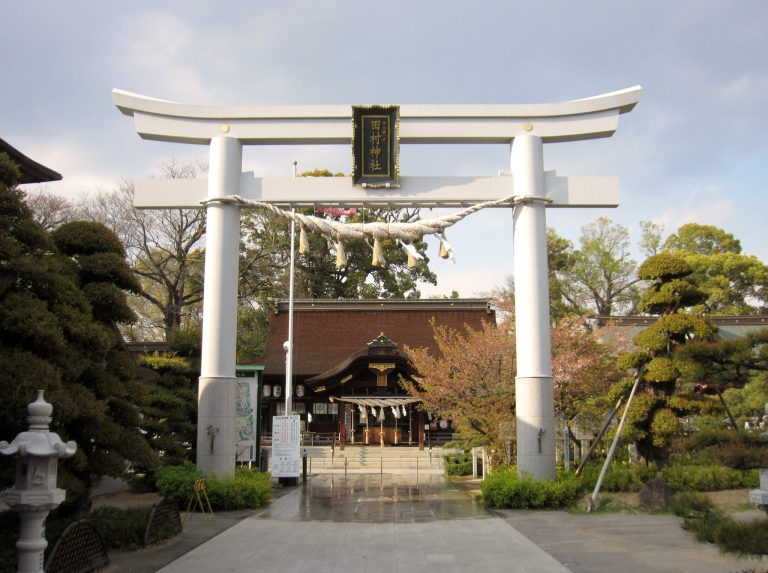
The Maeyama shrine stands in the Maeyama district of Sanuki City and is also called Otao Myojin. A historical description of its earlier site refers to foundation stones and a small shrine within them. Its principal deity is Ōnamuchi, also called Okuninushi and the Great Miwa Deity in the shrine tradition. The name Otao has been explained either through a mountain that bends or a mountain pass, or as meaning “the end of the fields,” referring to the edge of the plain where rice fields meet the mountains.
Possible Tsuruhane Identification
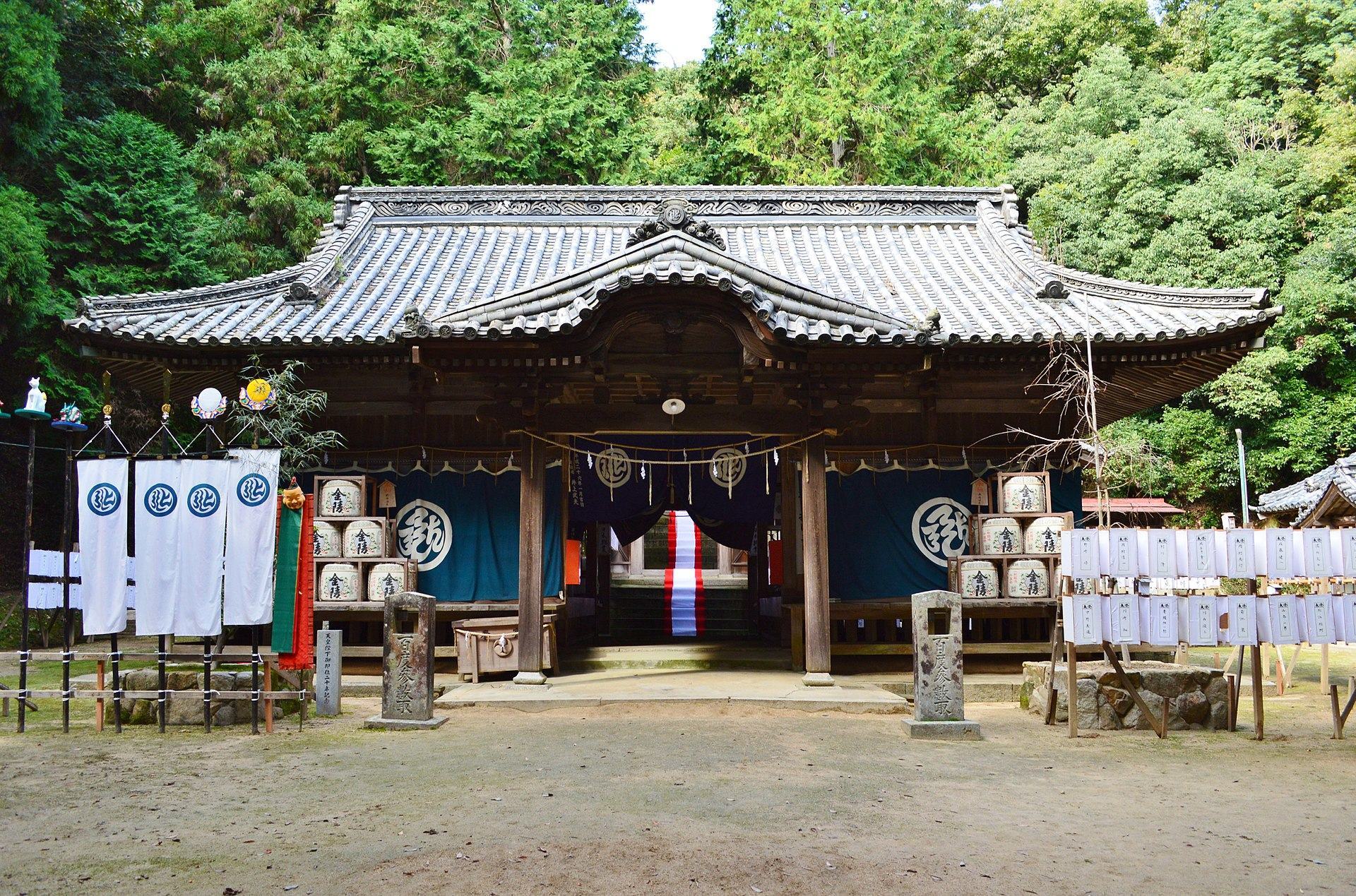
The Tsuruhane theory links Tawa Shrine with Oomori Shrine in the grounds of a Tenmangu shrine in the mountainous part of Tsuruhane. This proposed location forms part of the wider debate over the shrine’s historical geography. The evidence remains limited, so the physical identity of the shrine named as Sanuki Province’s Third Shrine is still unresolved.