Talagad: A Hill Fort and Lookout in Maharashtra
Site at a Glance
- Popularity
- Medium
- Country
- India
- Primary era
- Unclassified
- Eras represented
- Unclassified
- Civilizations
- Unclassified
- Site type
- Military
- Remains
- Fort
On this page9 sections
History
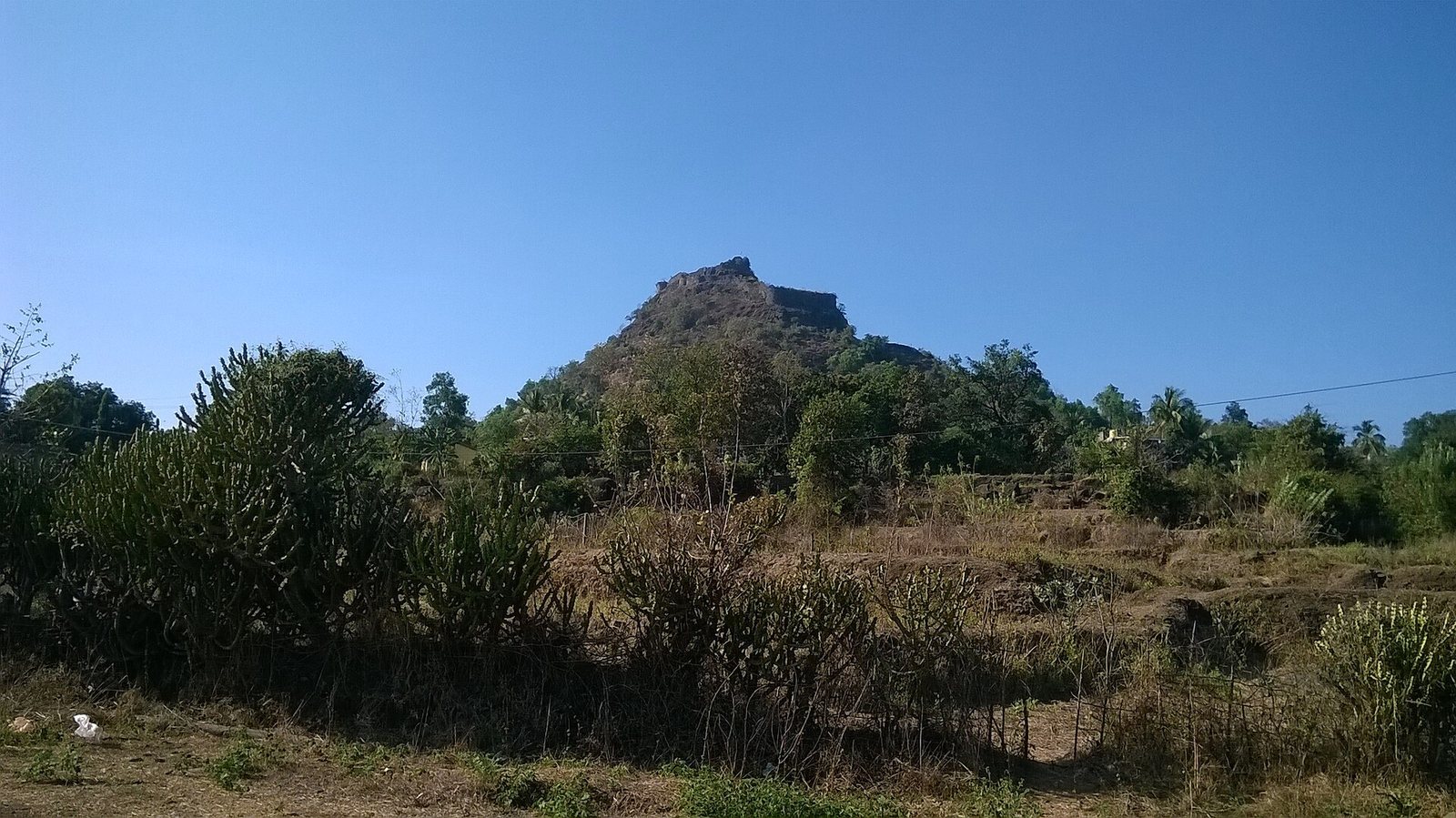
Talagad is a hill fort in Raigad district, Maharashtra, India, whose builder is unknown. It served as a lookout against enemy forces and over the trade route from Maval to the sea ports, as well as a means of monitoring the Siddis of Janjira.
Sultanate control and Shivaji’s capture
During the sixteenth century, Talagad was under Adil Shah, ruler of Bijapur. Before 1648, it remained under Sultanate control. In that year, Chhatrapati Shivaji Maharaj, founder of the Maratha kingdom, captured the fort.
In 1659, troops of the Siddis of Janjira, a ruling group associated with the coastal Janjira State, besieged Talagad while Afzal Khan, a Bijapur military commander, was attempting to kill Shivaji at Pratapgad. After Shivaji killed Afzal Khan, the besieging force withdrew to Janjira.
Maratha and Janjira rule
Under the Treaty of Purandar, an agreement between Shivaji and the Mughal Empire involving the surrender of forts, he kept Talagad and eleven others while handing over his remaining forts. After Shivaji’s death, the Siddis of Janjira captured Talagad. It belonged to the Maratha Empire, a major South Asian polity, from 1648 to 1689, then came under Janjira State from 1689 to 1735. In 1735, Bajirao I, a leading Maratha Peshwa (a senior minister with military authority), captured it for the Marathas, beginning another period of Maratha rule that lasted until 1818.
A tradition holds that the clothes Shivaji wore at his coronation were brought from Talagad.
British rule and Indian ownership
Colonel Prother captured the fort in 1818. It was then governed by the East India Company, a British trading company that also ruled territory in India, until 1857, followed by direct British Crown rule, known as the British Raj, until 1947. The Government of India owns the fort.
Remains
Layout and surviving features
Fort and Machi
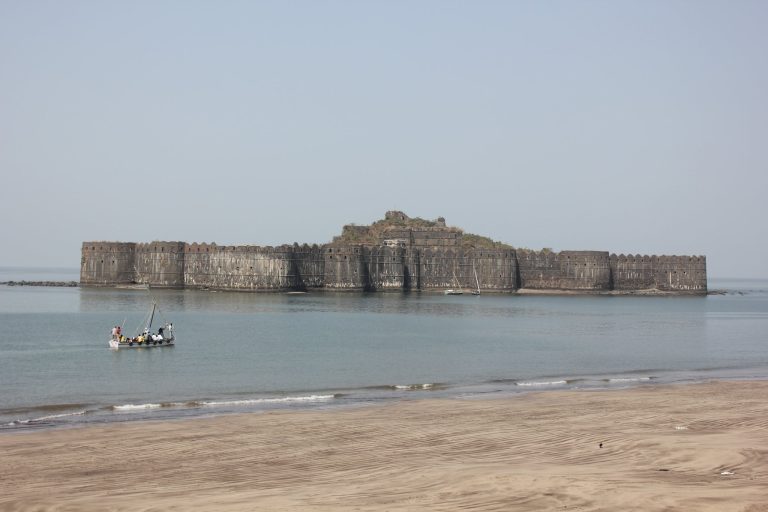
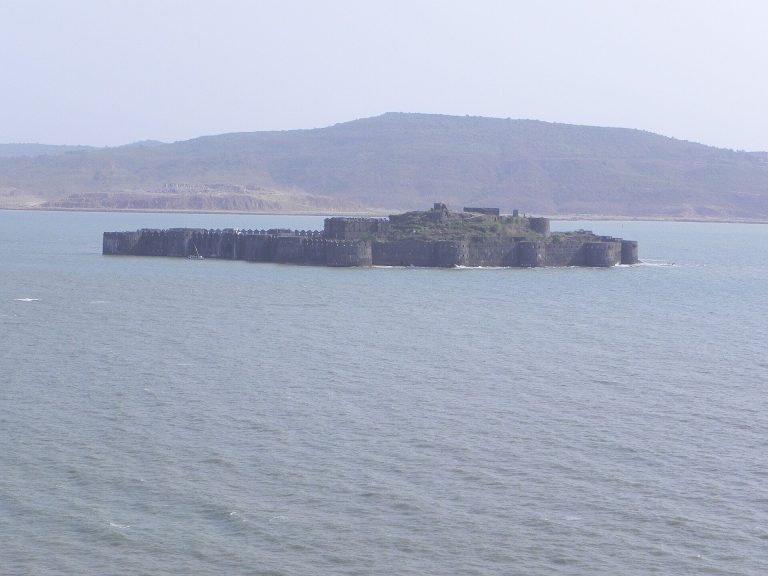
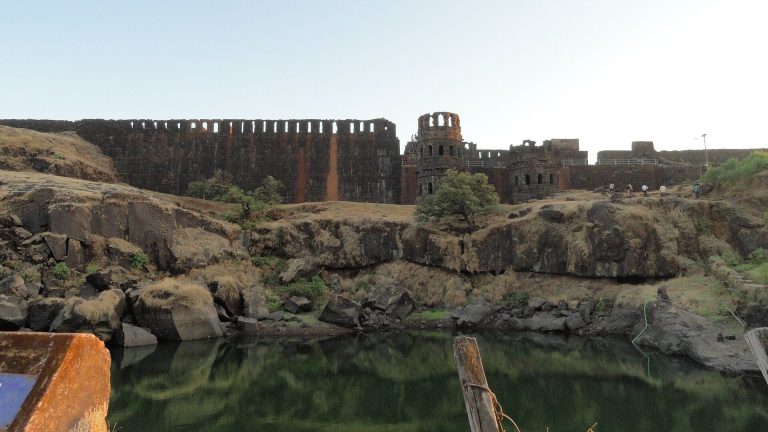
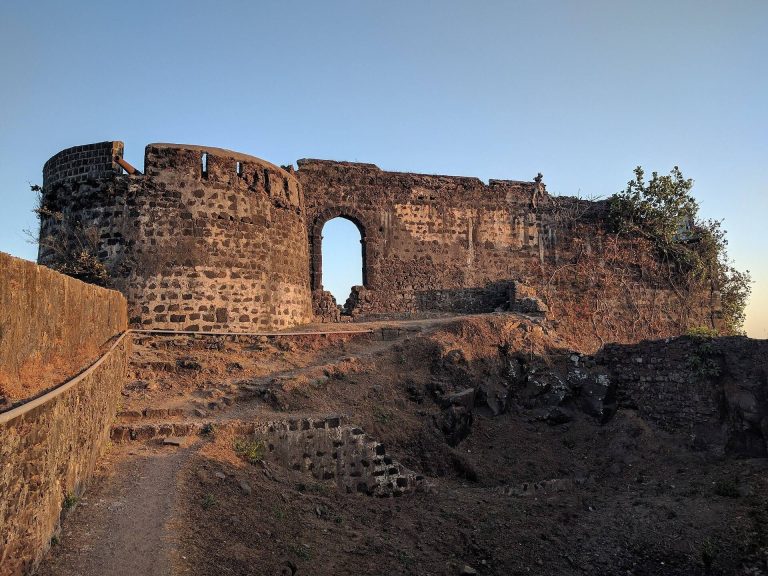
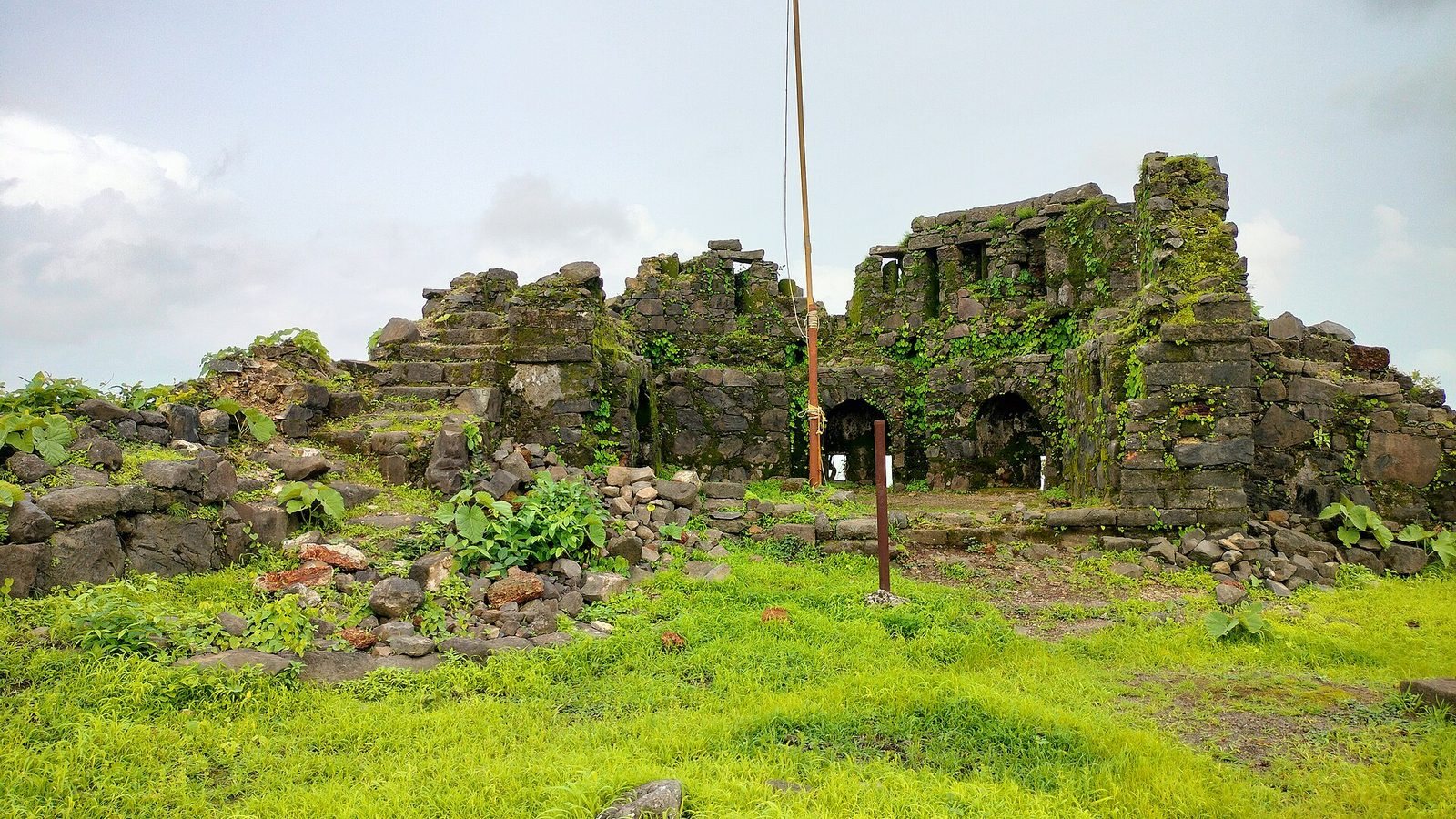
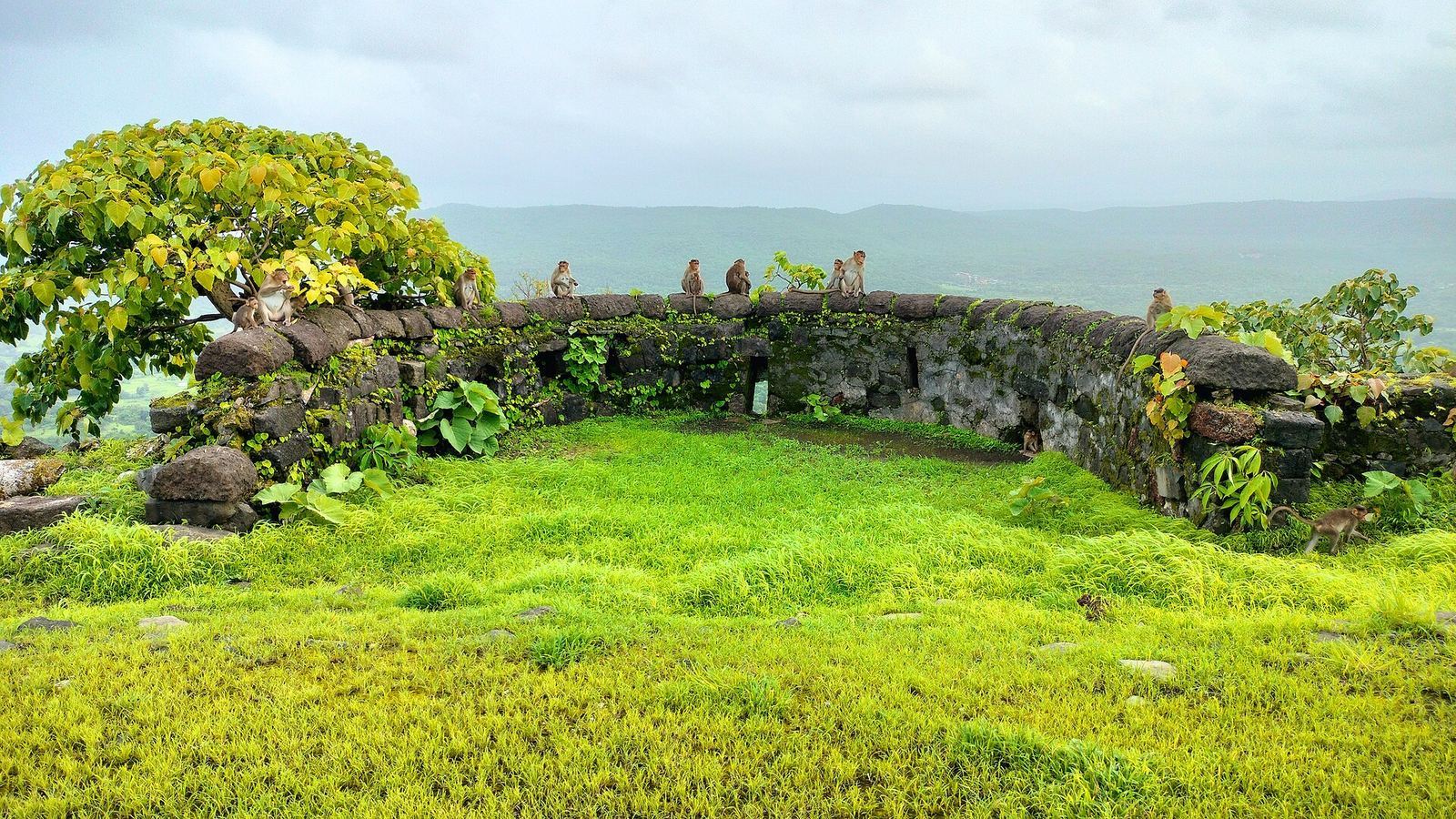
Built of stone, the ruined fort occupies a narrow spur at an elevation of about 304 m (1,000 ft). Its narrow strip is about 20 m wide. This long fortified area, known as the Machi (a fortified spur or terrace), is enclosed by two layers of fortification, which remain in good condition.
Water storage
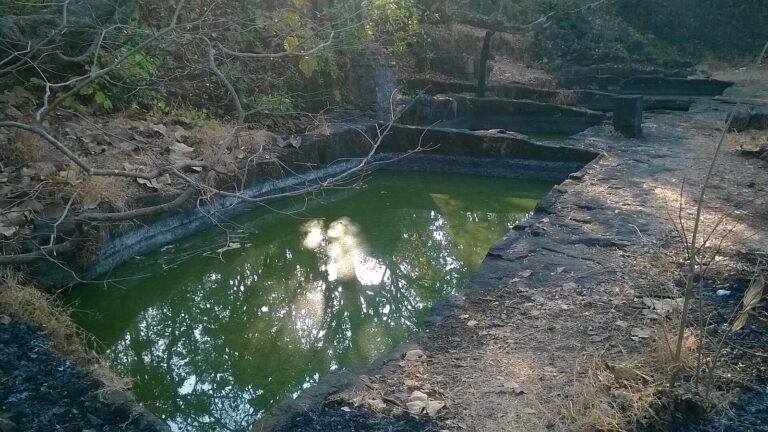
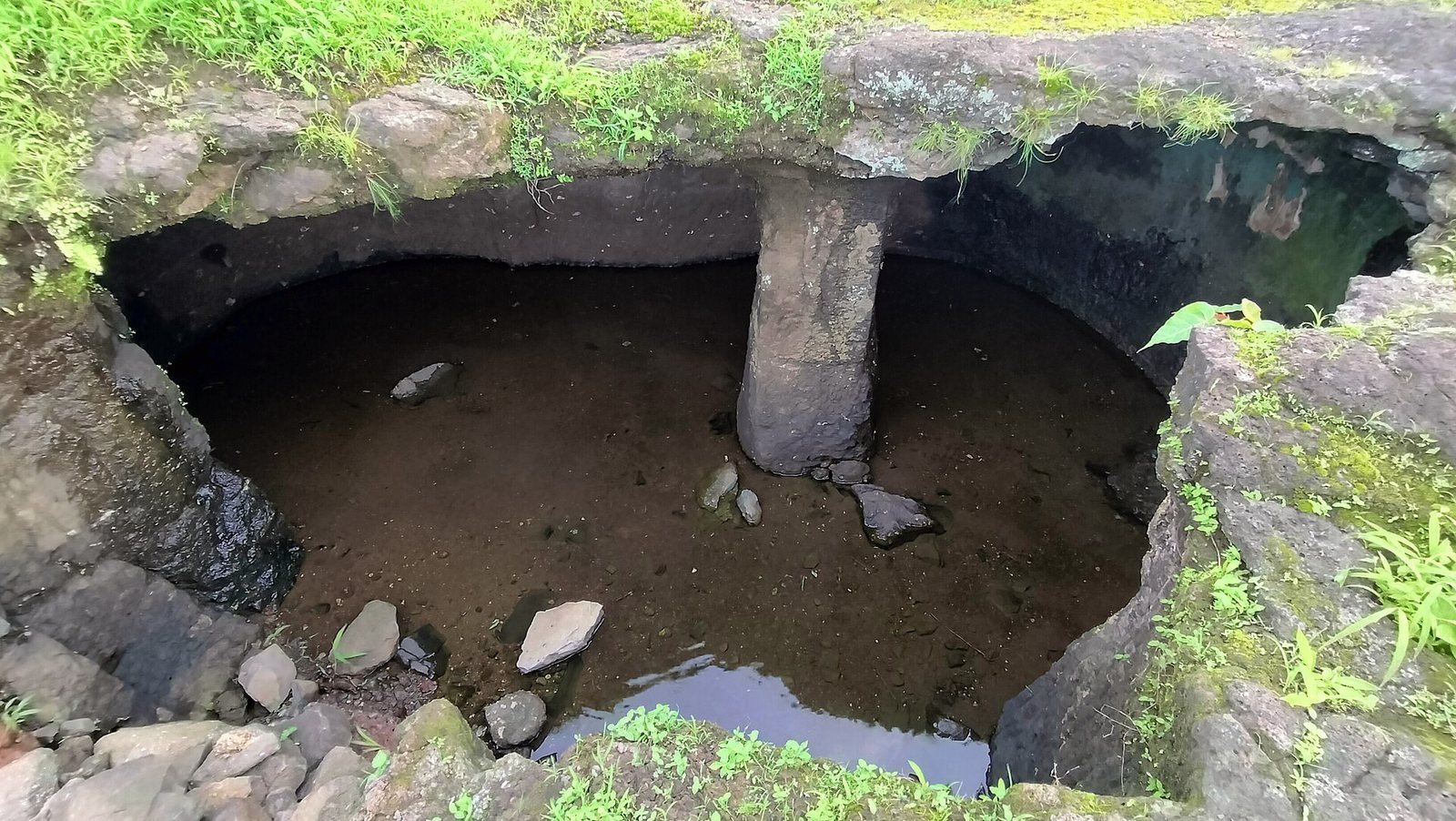
Many water cisterns cut into the rock lie on the Balekilla (the upper or inner fortified area). Four additional water-storage features are located at the top of the fort.
Gate and other features
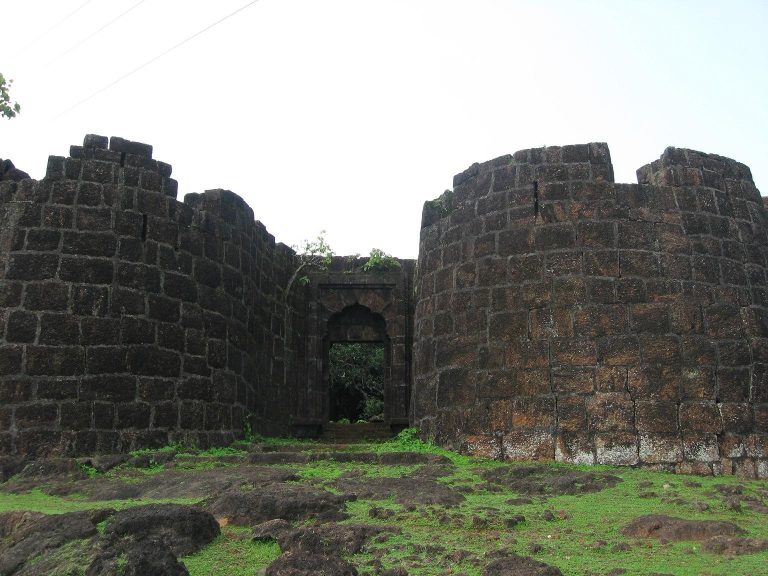
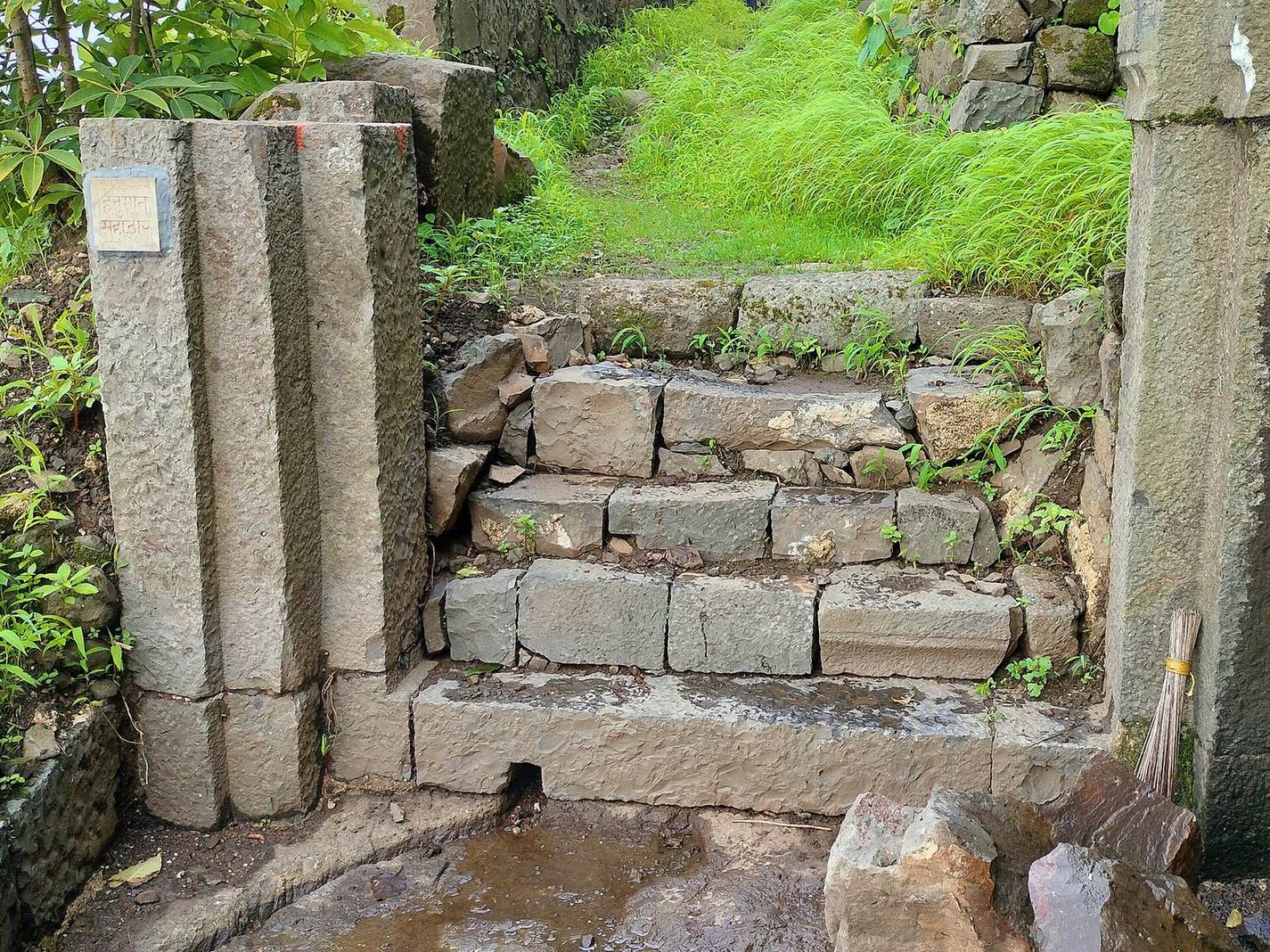
An idol of Veer Maruti, a name for the Hindu deity Hanuman, stands near the main gate. A toilet block is visible on the fortification. Ghosalgad can be seen from Talagad and is clearly visible from the fort’s summit.