Taikury Castle: A Ruined Defensive Fortress in Ukraine

Site at a Glance
- Rating
- 4.2
- Popularity
- Low
- Country
- Ukraine
- Primary era
- Early Modern
- External website
- Open
- Eras represented
- Early Modern
- Civilizations
- Polish–Lithuanian Commonwealth
- Site type
- Military
- Remains
- Castle
On this page10 sections
History
Taikury Castle is a ruined fortress in Taikury, Ukraine, built on the orders of Prince Yuri Vyshnevetsky at the end of the sixteenth or beginning of the seventeenth century. Also known as Vyshnevetsky Castle, it replaced an earlier wooden fortress that stood at Taikury. Vyshnevetsky financed the stone construction himself, creating the principal defensive stronghold of the settlement and its surrounding area.
Origins and urban development
Taikury was first recorded in 1570, when it belonged to Kirdei Taikurskyi. Ownership later passed to I. Shpanovsky and then to the Vyshnevetsky family through the marriage of his daughter Teodora to Yuri Vyshnevetsky. Under the Vyshnevetskys, the settlement’s fortress was rapidly replaced in stone.
On 3 April 1614, King Sigismund III granted Taikury Magdeburg rights. This medieval system of urban self-government provided legal privileges, regulated markets, and commonly included a town council or magistracy. The grant permitted further strengthening of the castle and authorized two annual fairs and one annual market. Taikury grew quickly, developed craft activity, and established its own magistrate.
The town’s arms showed Saint George killing the dragon, an image associated with its defensive role and its stated duty to protect Volhynia from Tatar raids. Taikury was actively settled by Poles and became a center for promoting Catholicism in western Ukraine. Orthodox Ukrainians were subjected to persecution during this period.
War, ownership, and destruction
During the Khmelnytsky Uprising, the mid-seventeenth-century Cossack revolt led by Bohdan Khmelnytsky against Polish-Lithuanian rule, the town institutions were destroyed and the castle was severely damaged. After the Treaty of Zboriv, Taikury remained within the Polish-Lithuanian Commonwealth. In 1650, the estate passed to the Sapieha family, followed later by the Czołhański and Jełowiecki families. Through marriage, it subsequently came to the Pepłowski family and then to the Iliński family.
Wawrzyniec Pepłowski, identified as a voivode of Podolia, became the estate’s owner in 1710. A voivode was a high-ranking territorial governor or military-administrative official in the Polish-Lithuanian Commonwealth. From 1822, Taikury Castle belonged to the Iliński family, including Count Alexander Iliński.
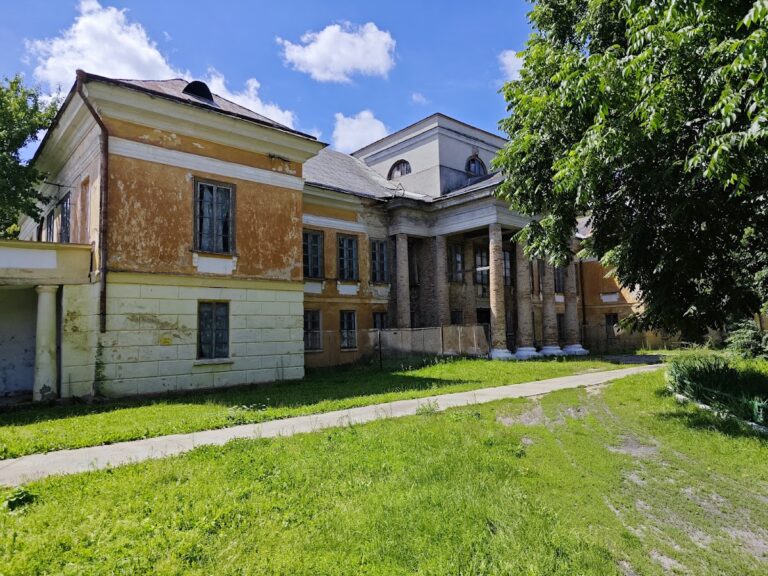
A major fire in 1825 destroyed the castle’s buildings. The castle then became uninhabited, and Alexander Iliński did not return. Later in the nineteenth century, local Jewish residents received the partly ruined structure for dismantling and reusing its stone. The site suffered further destruction during the First World War. Its ruins have not been reconstructed.
Remains
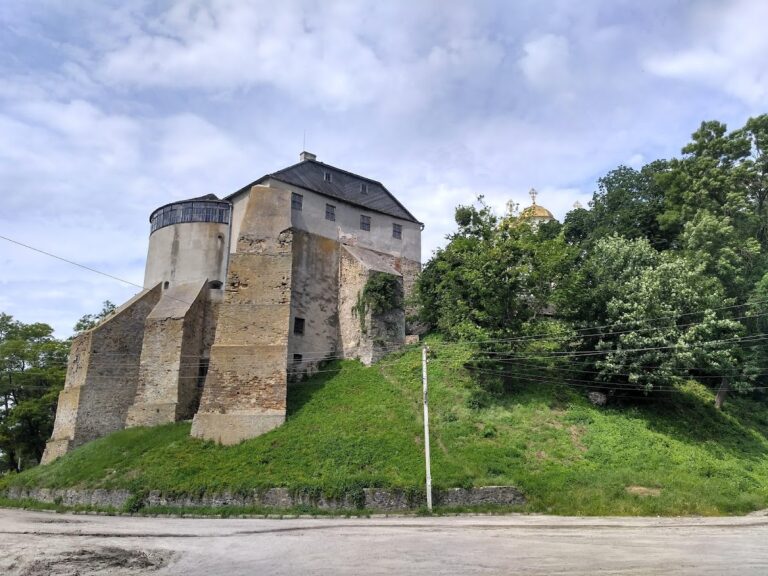
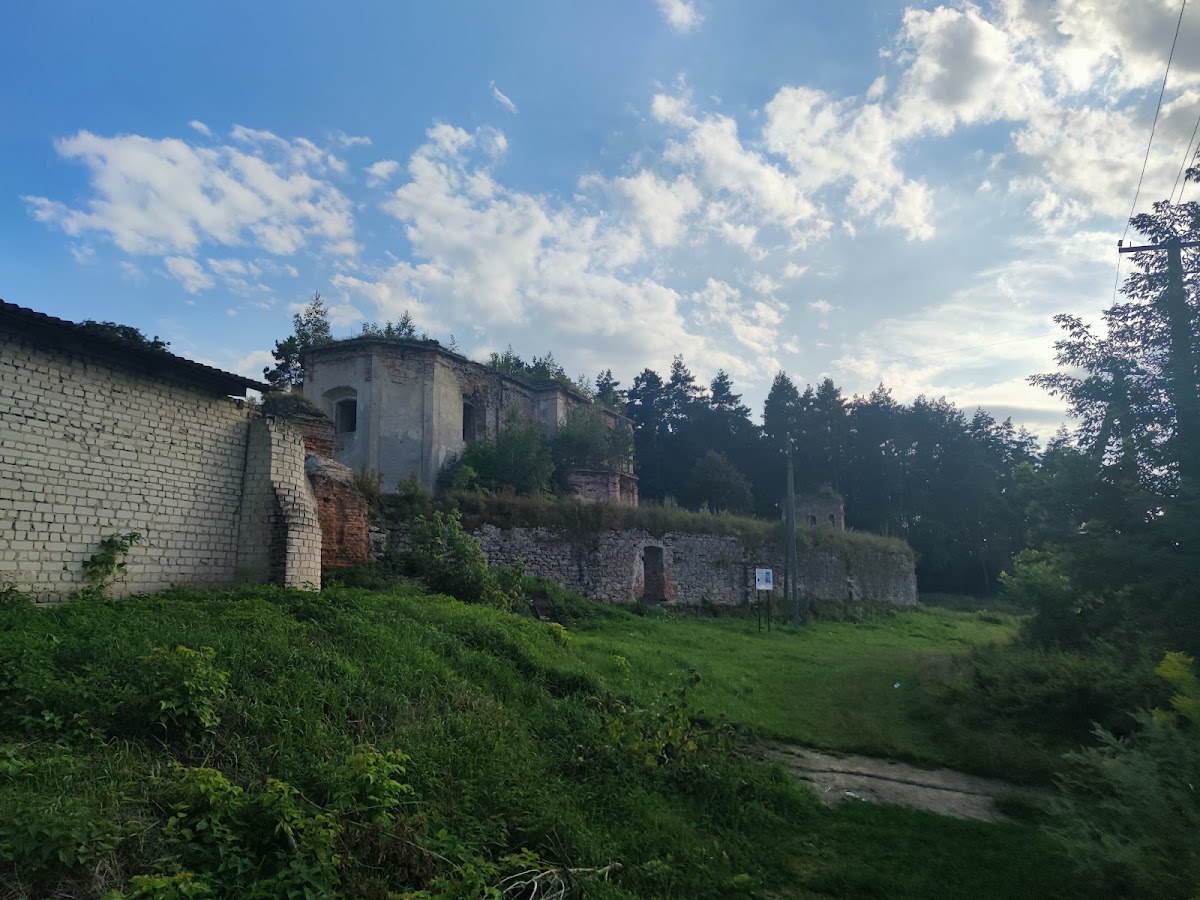
The castle occupied the defensively advantageous western side of a small plateau or elevated flatland. Semicircular earthworks and deep moats protected a roughly square, seven-sided enclosure formed by stone walls. Four corner defensive towers and a single gate organized the fortification, while a small courtyard lay within the walls. Today, sections of the walls and the southern tower survive, and much of the former castle area is overgrown with woodland.
Fortifications and surviving structures
Moats, gate, and well
The gate also served as a bridge across the moat. It could be raised during an attack, functioning as a drawbridge, a bridge that controls access across a defensive ditch. One side of the castle was protected by a moat less than 3 metres deep, formerly crossed by the Soroka River. The opposite side had a 15-metre moat. The river no longer exists. Within the moat on the left side of the castle was a deep well lined with dressed stone.
Southern defensive tower
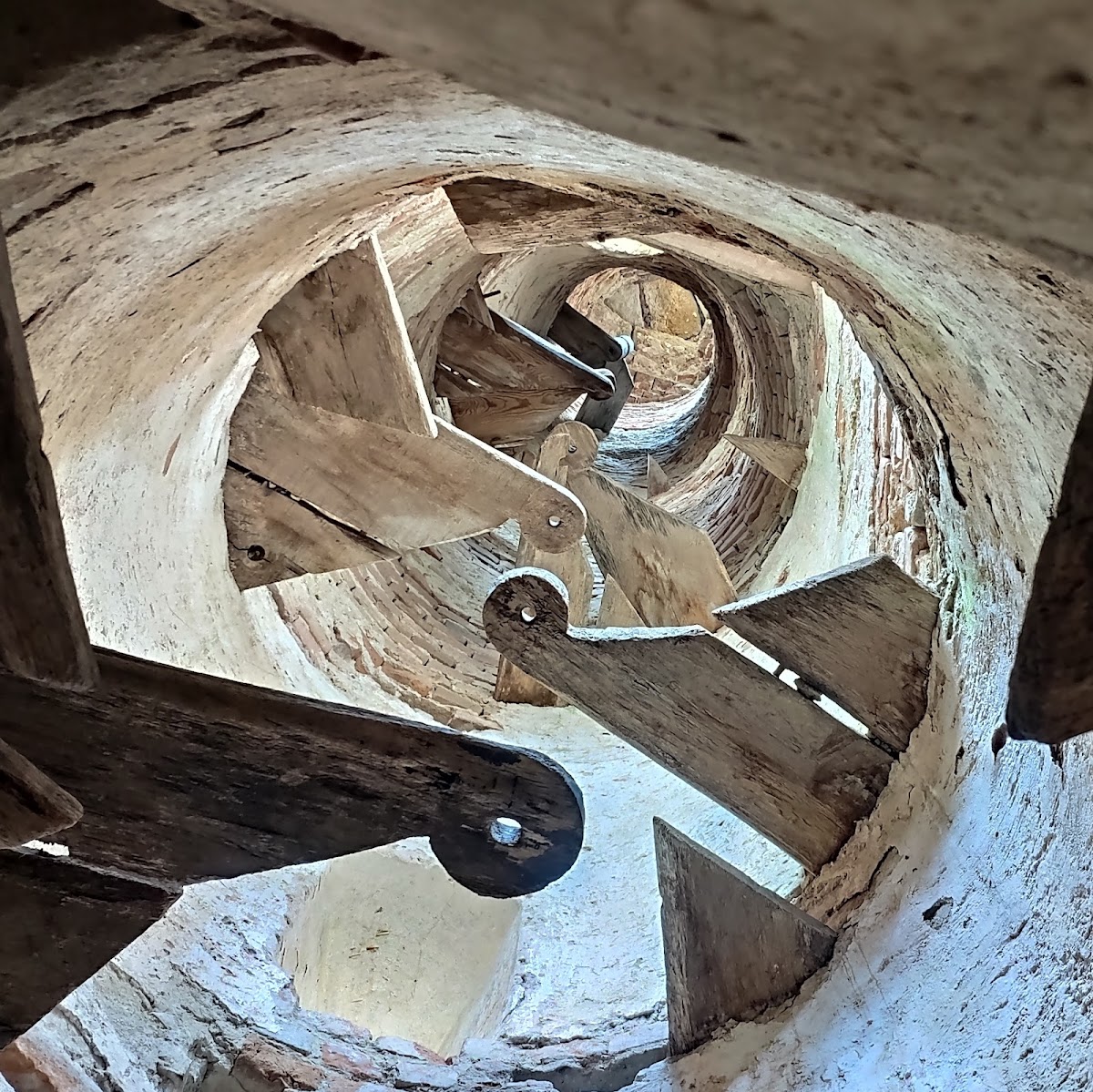
The southern defensive tower is the best-preserved surviving structure. Approximately 30 metres high, it served as a watchtower. Its survival provides the clearest remaining indication of the castle’s defensive architecture, while the rest of the enclosure survives in more fragmentary form.
Religious buildings
Church of Saint Lawrence
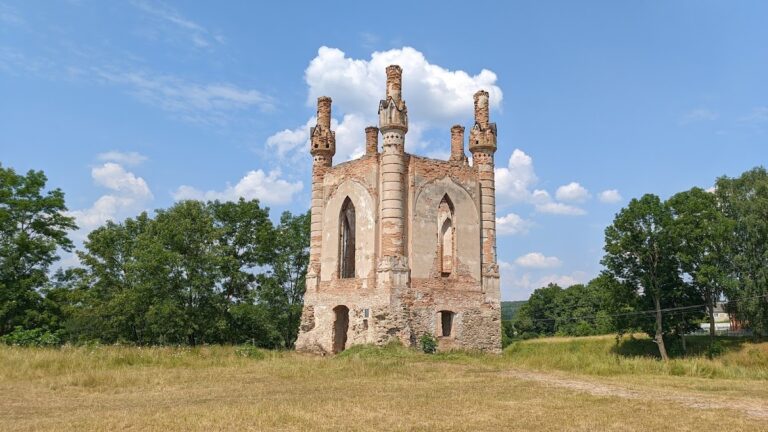
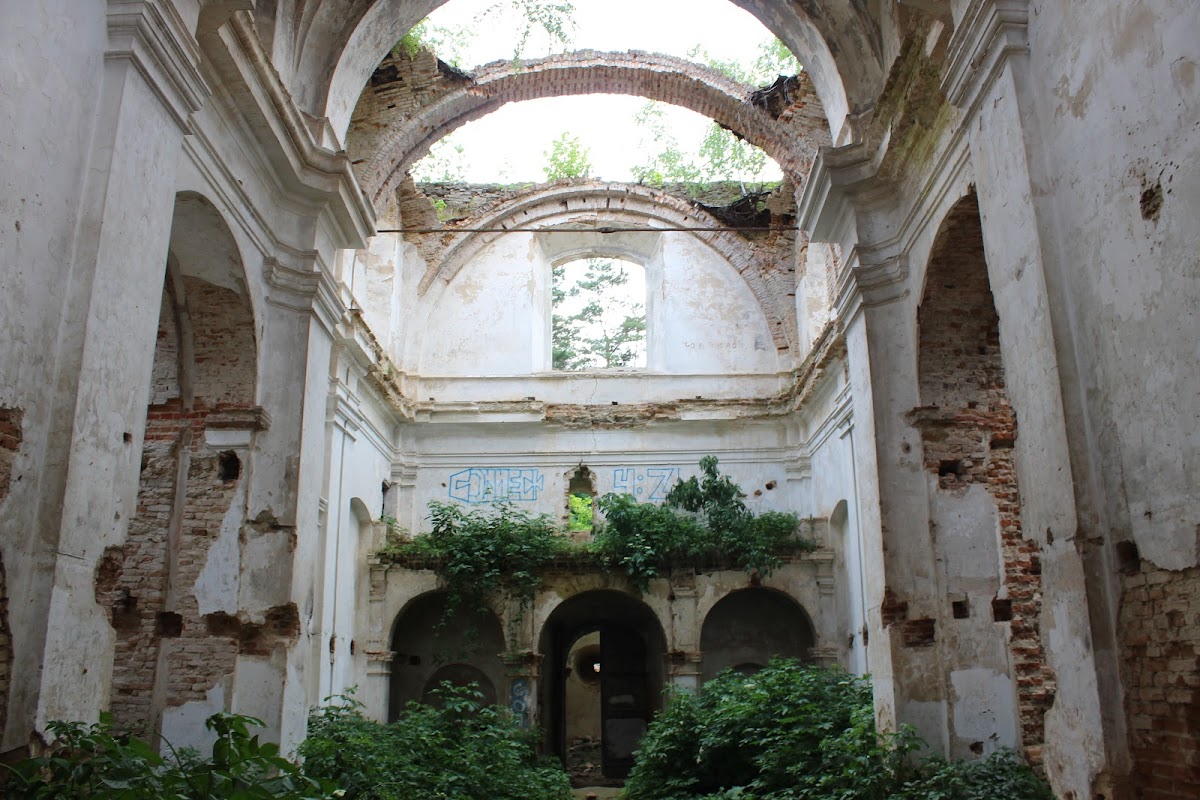
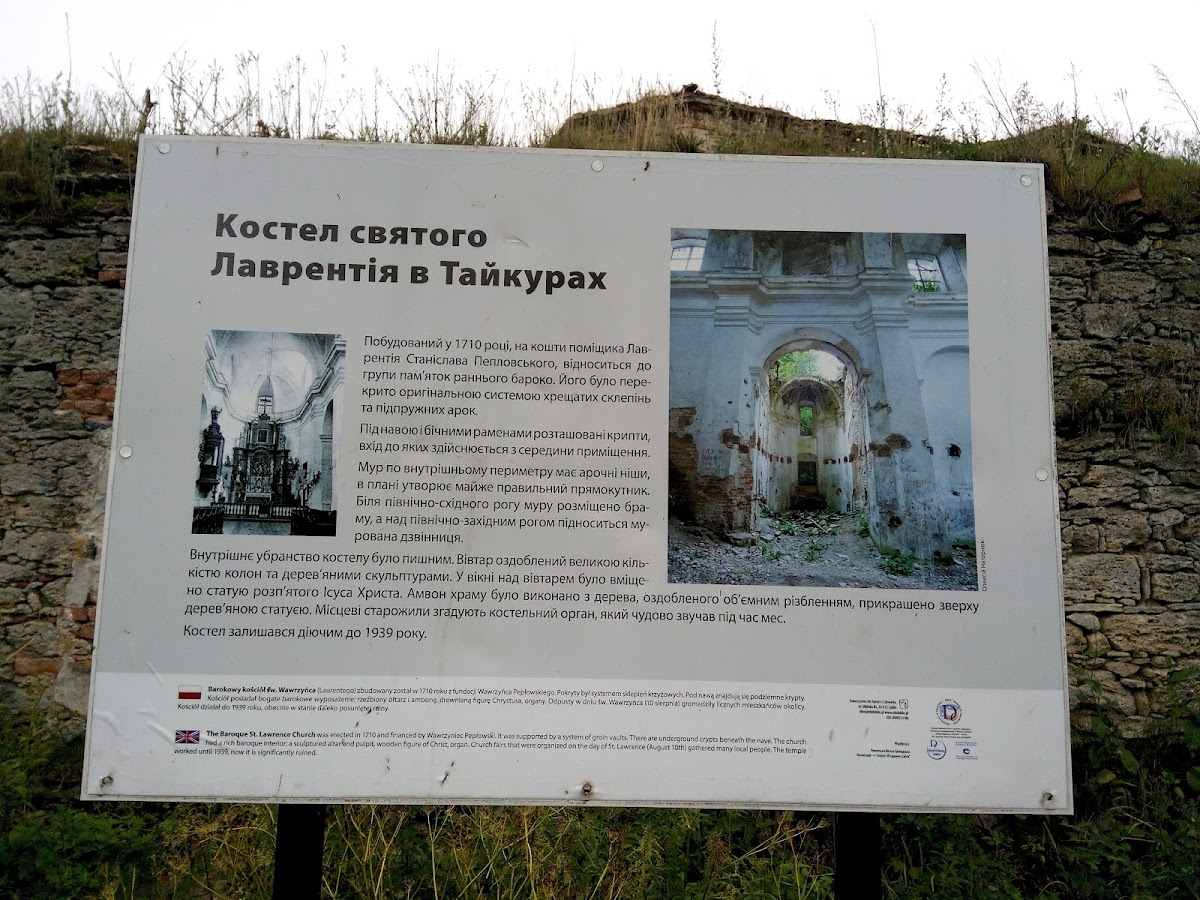
At the foot of the northern slope of the castle hill stand the ruins of the Gothic Church of Saint Lawrence. Wawrzyniec Pepłowski built the church in 1710. It was later closed and destroyed by Soviet authorities, leaving the surviving remains separate from the castle’s principal fortifications.
Church of the Protection
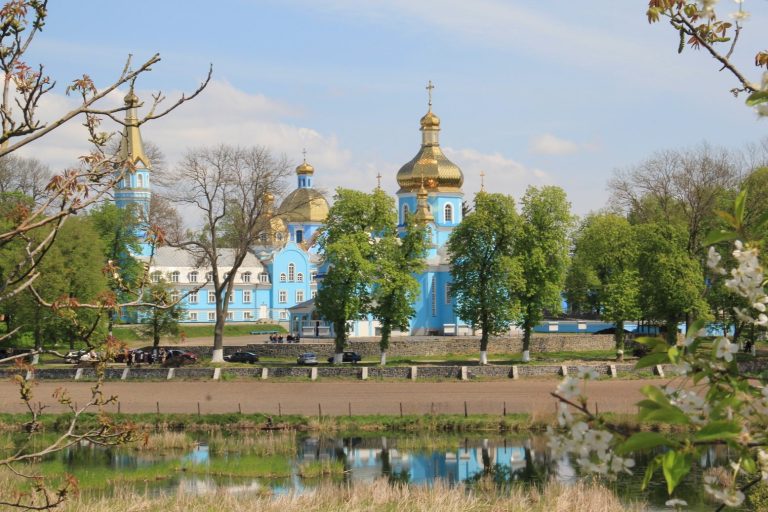
The Church of the Protection was built in Taikury in 1731 at the expense of the landowner Jan Paweł Pepłowski. The church remains active.