Casbah of Béjaïa: A Medieval Fortified Governmental Citadel in Algeria


Site at a Glance
- Rating
- 4.3
- Popularity
- Low
- Country
- Algeria
- Primary era
- Medieval
- Eras represented
- Medieval, Early Modern, Modern
- Civilizations
- Almohad, French, Hafsid, Ottoman, Spanish
- Site type
- Military
- Remains
- Citadel
On this page8 sections
History
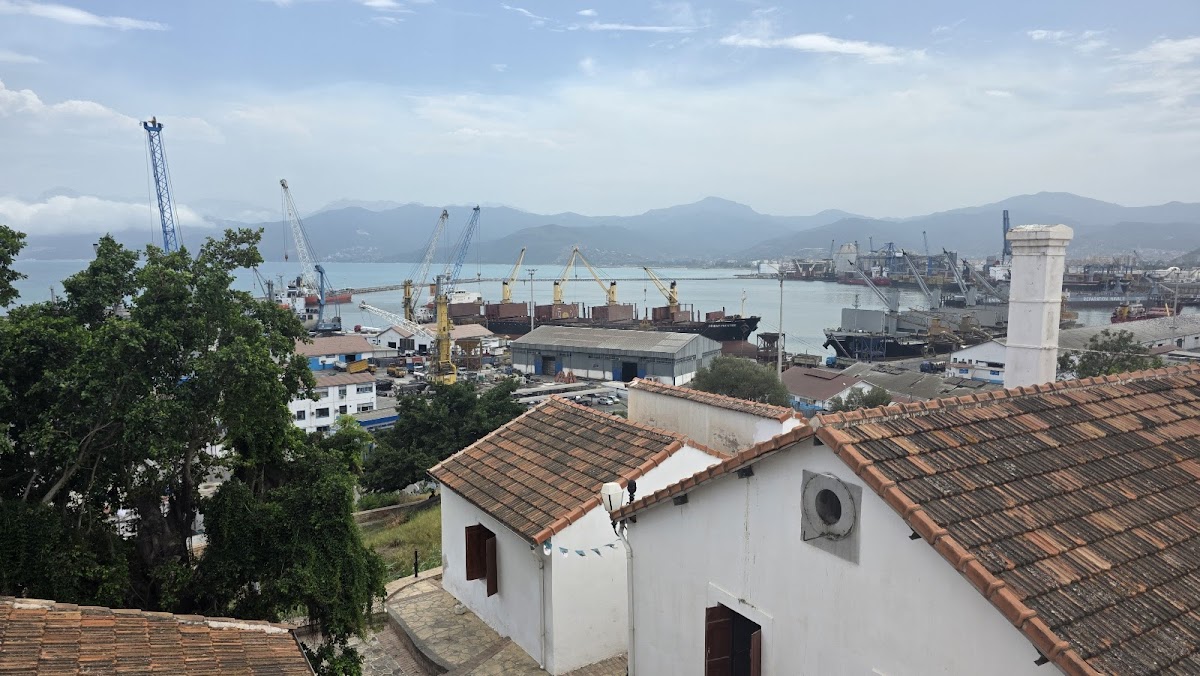
The Casbah of Béjaïa is a medieval fortified governmental citadel in Algeria, developed under the Hammadids between approximately 1065 and 1154. Its first major phase began around 1065, while the Almohads, a twelfth-century North African and Iberian ruling dynasty, enlarged it around 1154 under Sultan Abd al-Mu’min ibn Ali. The citadel protected Béjaïa, then known as Bugia, and its harbor while serving as an administrative and political seat.
Hammadid and Almohad Béjaïa
Béjaïa was an important Maghreb port and strategic stronghold under the Zirids and Hammadids. The Hammadids were a medieval Berber dynasty that ruled much of the central Maghreb and made Béjaïa a major political and commercial center. The Almohad enlargement reflected the city’s continued importance after it came under their control.
Hafsid, Spanish, and Ottoman phases
The citadel was modified again under the Hafsids in the thirteenth century. This medieval Berber dynasty ruled Ifriqiya and parts of eastern Algeria, including Béjaïa, during a period when the city was an important center of commerce and culture.
Spanish forces altered the Casbah after capturing Béjaïa in 1510. The Ottomans later changed the complex during the sixteenth century, when it remained an important military base and became the seat of the governors. Under the Regency of Algiers, the Ottoman-ruled polity that governed much of northern Algeria, the citadel retained this administrative and military role.
French administration and modern conservation
After the French conquest of Algeria in 1830, the Casbah was used mainly for administrative rather than defensive purposes. Its buildings reflect the successive presence of Phoenician, Roman, Hammadid, Almohad, Hafsid, Ottoman, Spanish, and French powers in Béjaïa.
The citadel was also connected with the transmission of medieval knowledge and with figures including Ibn Arabi, Leonardo Fibonacci, Raymond Lulle, Ibn Khaldun, Ibn Hamdis, Sidi Boumediene, Sidi Bou-Saïd, Sidi Abderrahman al-Tha’alibi, Al-Idrisi, and Leo Africanus. Ibn Khaldun, a fourteenth-century North African historian, philosopher, and social thinker, later taught at the citadel’s mosque.
Following Algerian independence in 1962, inadequate conservation contributed to the Casbah’s deterioration. Restoration began in 2013, and work completed in 2024 included consolidation of the walls, restoration of defensive towers, and improvement of interior spaces, with traditional building materials planned for reuse. The Casbah is protected as a historic monument and is presented as a candidate for UNESCO World Heritage status.
Remains
The Casbah occupies a roughly rectangular area of about two hectares. Its longer side extends for approximately 160 metres across ground with a difference in elevation of 22 metres. The surviving complex includes Berber and Spanish buildings, later Ottoman and French alterations, an entrance gate, defensive walls, towers, and interior structures that preserve the imprint of successive ruling powers.
Fortifications and civic buildings
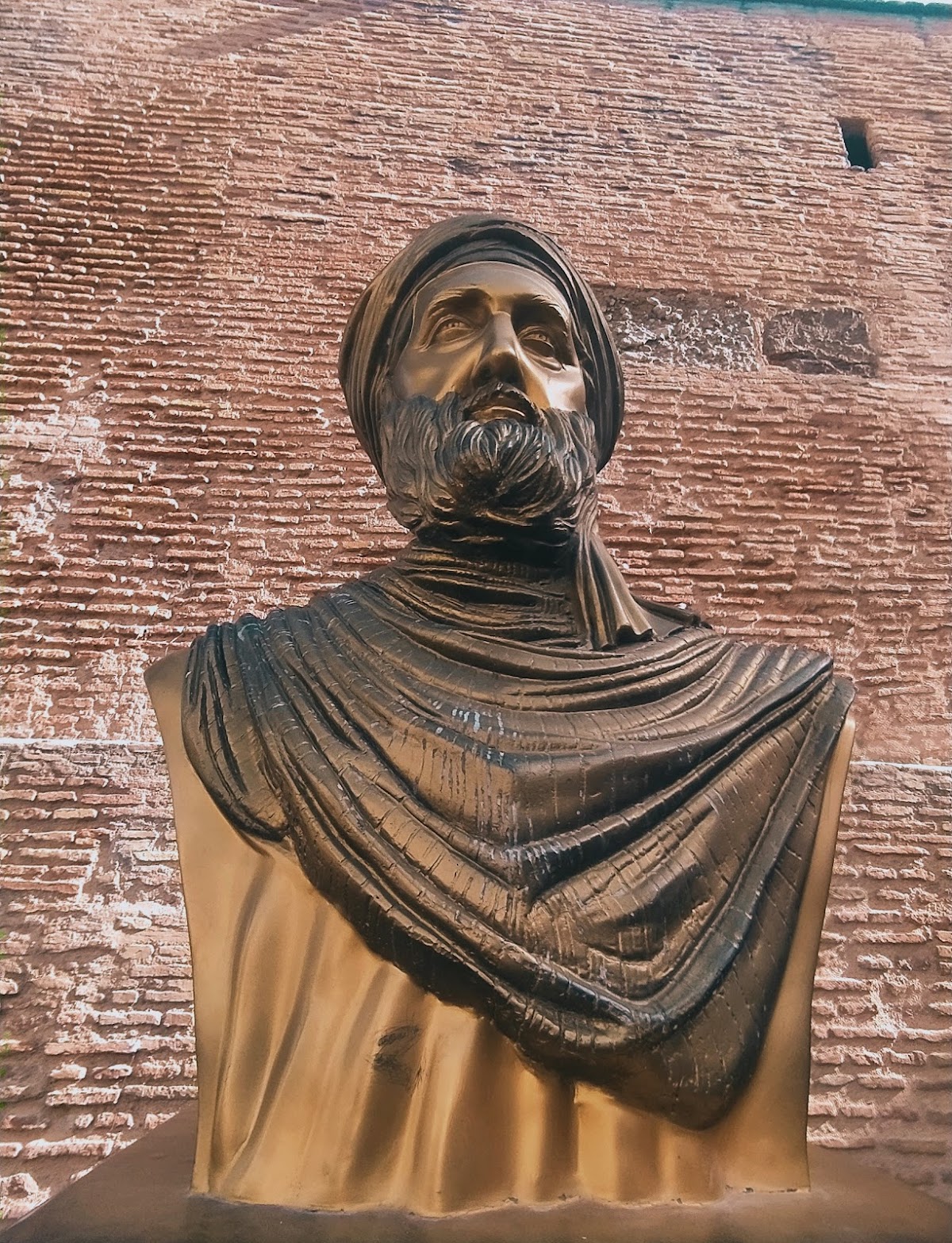
A fort probably built during the Spanish period in the sixteenth century contains a large vaulted room that probably served as a powder magazine, a fortified storage room for gunpowder and other explosive military supplies. Another square-plan building, probably Spanish in origin, was remodelled under the Ottomans and the French. It contains a courtyard and galleries. Two further buildings date from the nineteenth century and were intended for conversion into a cultural center. A bust of Ibn Khaldun stands before the entrance.
Almohad mosque
The mosque preserves ancient Berber architectural traditions and is probably Almohad in date. It served as the prayer place of the Almohad governor, later became a teaching place for Ibn Khaldun in the fourteenth century, and eventually became the Great Mosque, or Jamaa El-Kebir, during the Regency of Algiers.
Archaeological evidence
An Almohad coin was found within the Casbah, providing material evidence for the site’s connection with the Almohad period.