Svyatogorsky Monastery: A Russian Orthodox Monastery and Pushkin Burial Site
Site at a Glance
- Popularity
- Very High
- Country
- Russia
- Primary era
- Early Modern
- Eras represented
- Early Modern, Modern
- Civilizations
- Russian
- Site type
- Religious
- Remains
- Monastery
On this page8 sections
History
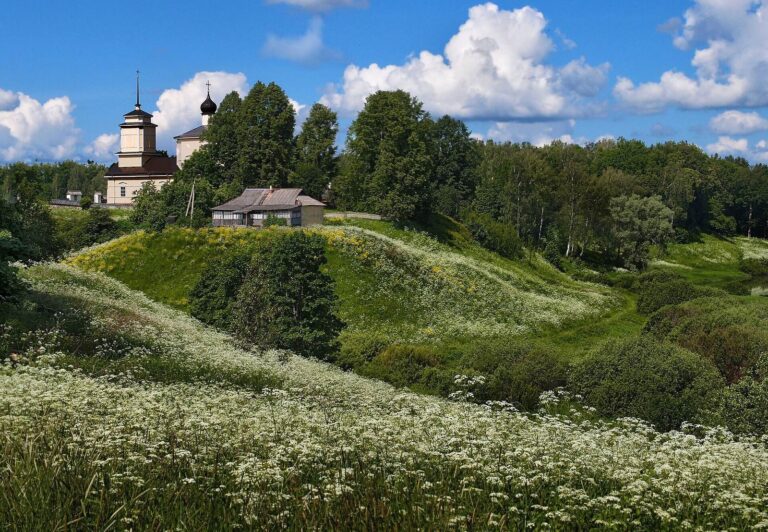
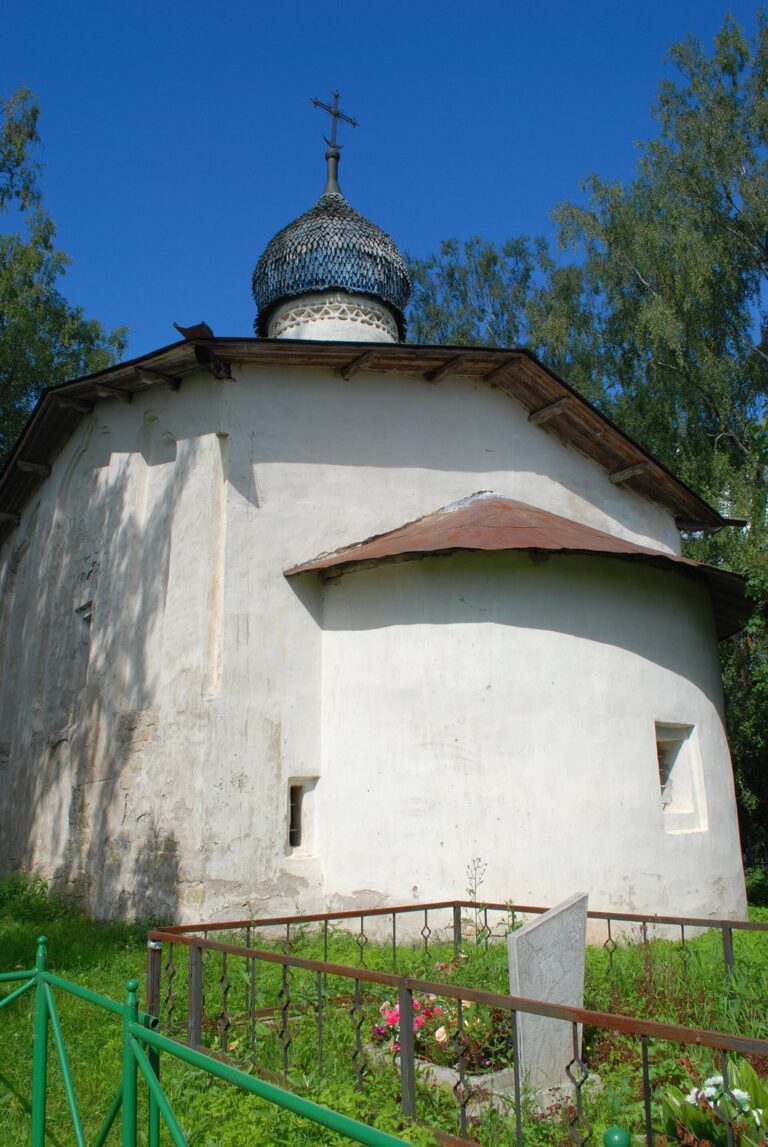
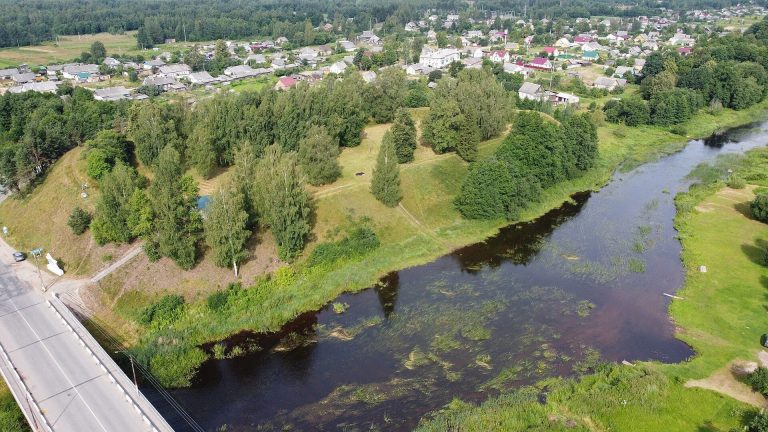
Svyatogorsky Monastery is a Russian Orthodox monastery on Sinichya Hill in Pushkinskiye Gory, Pskov region, Russia. Founded in 1569 as a frontier outpost of the Tsardom of Russia, the Russian state before the Russian Empire, it was established by order of Tsar Ivan IV, commonly known as Ivan the Terrible. Pskov governor and prince Yuri Ivanovich Tokmakov founded the monastery.
Foundation and early history
The monastery was dedicated to the Dormition, the Eastern Christian feast commemorating the Virgin Mary’s death and her being taken into heaven. Its foundation also recalled traditions that the Virgin’s Tenderness and Hodegetria icons had appeared on Sinichya Hill. The Hodegetria is a traditional icon type showing Mary with the child Jesus and presenting him to the viewer. Tradition further holds that a shepherd named Timofey found the monastery’s Hodegetria icon on a hill near Voronich around 1566.
A settlement called Tobolenets developed beside the monastery during the sixteenth century, taking its name from a nearby lake. By the early eighteenth century it had become the village of Svyatye Gory, which was renamed Pushkinskiye Gory in 1925. The monastery suffered damage during the late-sixteenth-century invasion by forces of Polish king Stephen Báthory. In the eighteenth century it ceased to serve a defensive role, while annual fairs held nearby drew merchants and large crowds.
Pushkin’s burial and the monastery’s status
After his mother died in 1836, the poet Alexander Pushkin acquired a burial plot at the monastery. He was buried there on 18 February 1837, in the Hannibal-Pushkin family vault near his grandparents. Tsar Nicholas I arranged for the coffin to be brought secretly from the church of the Imperial Stables in St Petersburg, fearing the public grief and affection that Pushkin’s death might prompt.
In 1899, marking the centenary of Pushkin’s birth, a decree of the Holy Synod raised the monastery from third to second class within the system of officially staffed Russian monasteries.
Closure, wartime damage and return
The monastery closed in 1924. During the Second World War, German forces mined some buildings, while others were destroyed or severely damaged. Most of the complex had been restored by 1949. Until 1992, the site served as an exhibition and administrative part of the State Memorial Museum-Reserve of Alexander Pushkin; that year, it was returned to the Russian Orthodox Church.
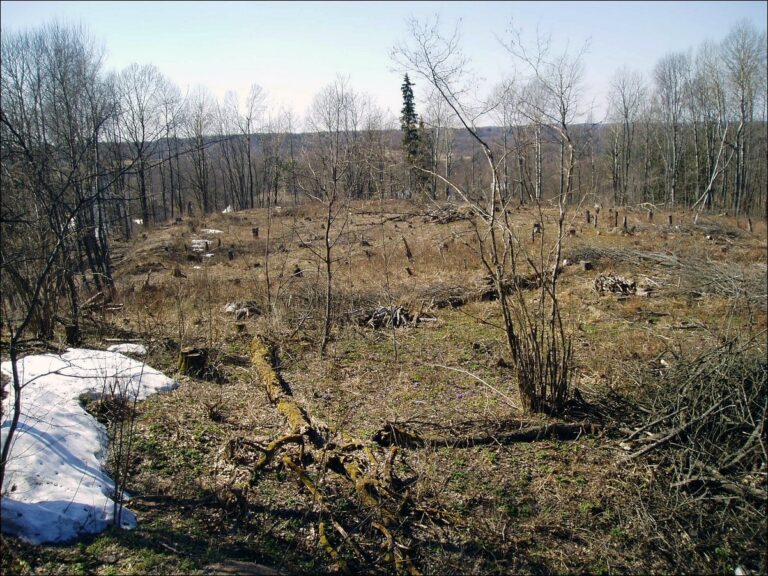
Svyatogorsky is a Russian Orthodox men’s monastery under the Velikie Luki Diocese. It is protected as a federal-level cultural heritage site and forms part of the Alexander Pushkin State Museum-Reserve. In December 2019, Metropolitan Tikhon said that monastery leaders had unlawfully cut trees on the hill containing Pushkin’s grave; the abbot was removed from office.
Remains
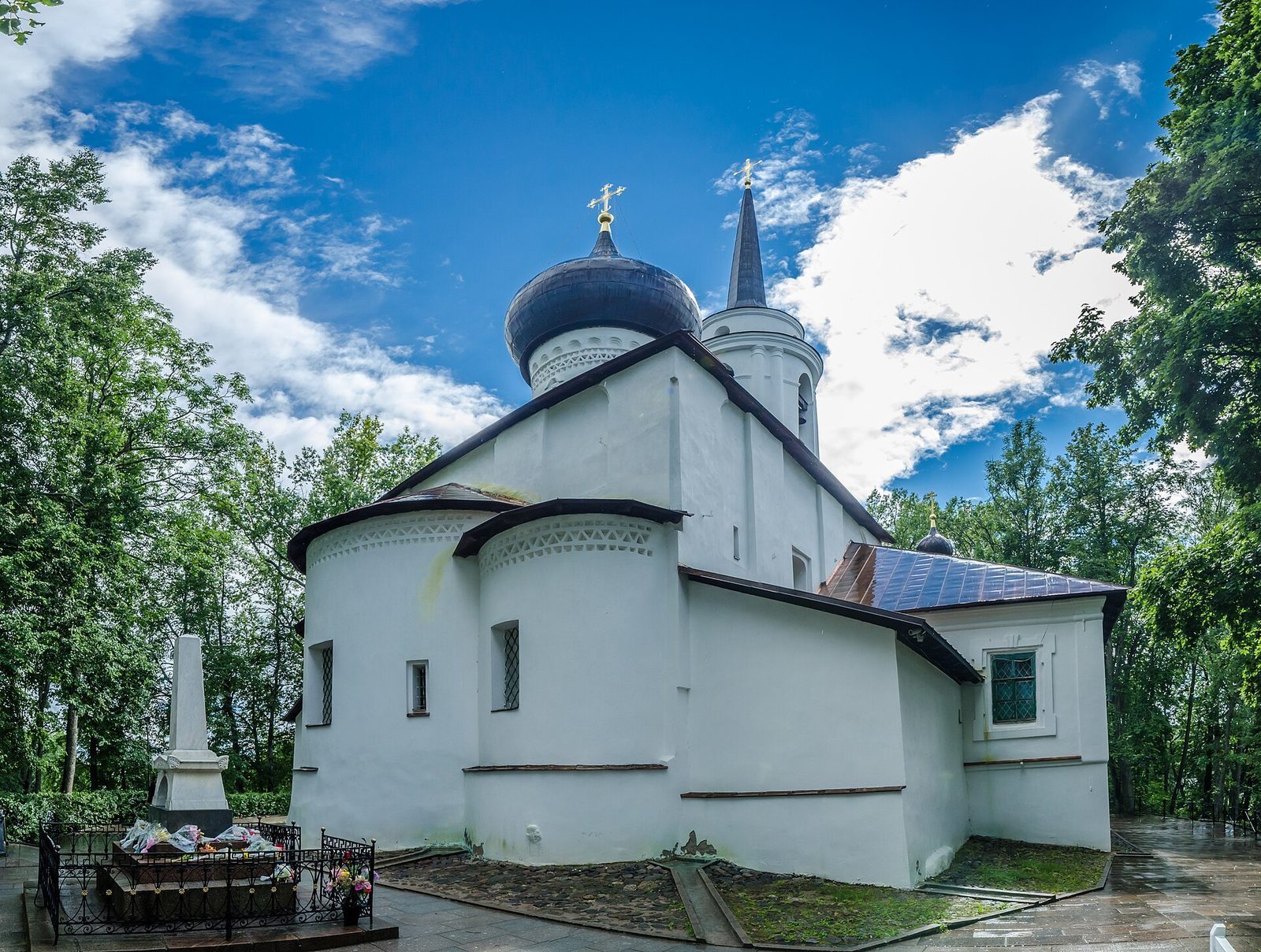
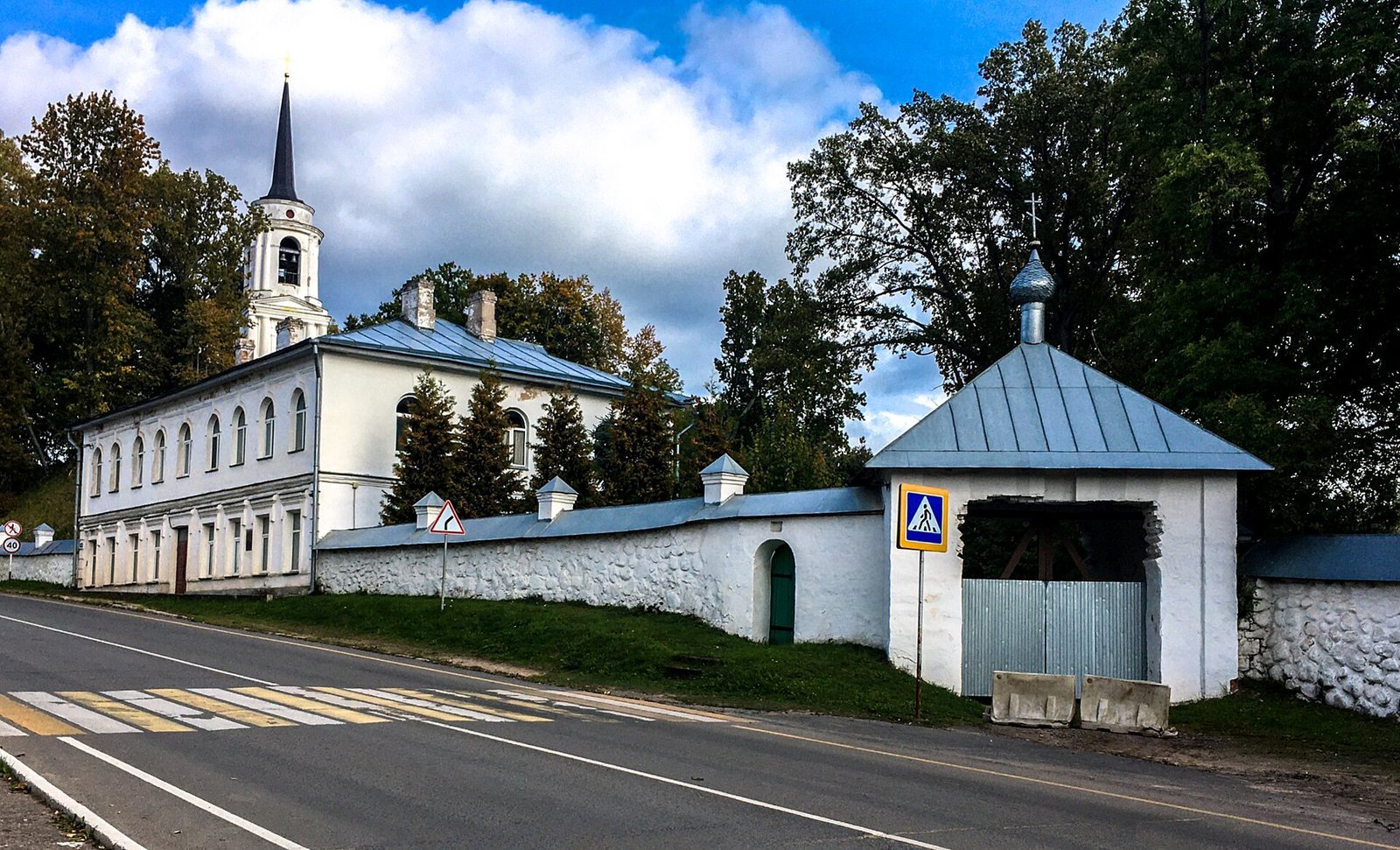
The monastery complex stands on Sinichya Hill, later known as Holy Hill, and includes the Dormition Cathedral. The complex is described as being in satisfactory condition.
Monastic and commemorative features
Dormition Cathedral and Hodegetria icon
The Dormition Cathedral is part of the monastery complex. The Hodegetria icon of the Virgin is the monastery’s principal sacred object.
Pushkin’s grave
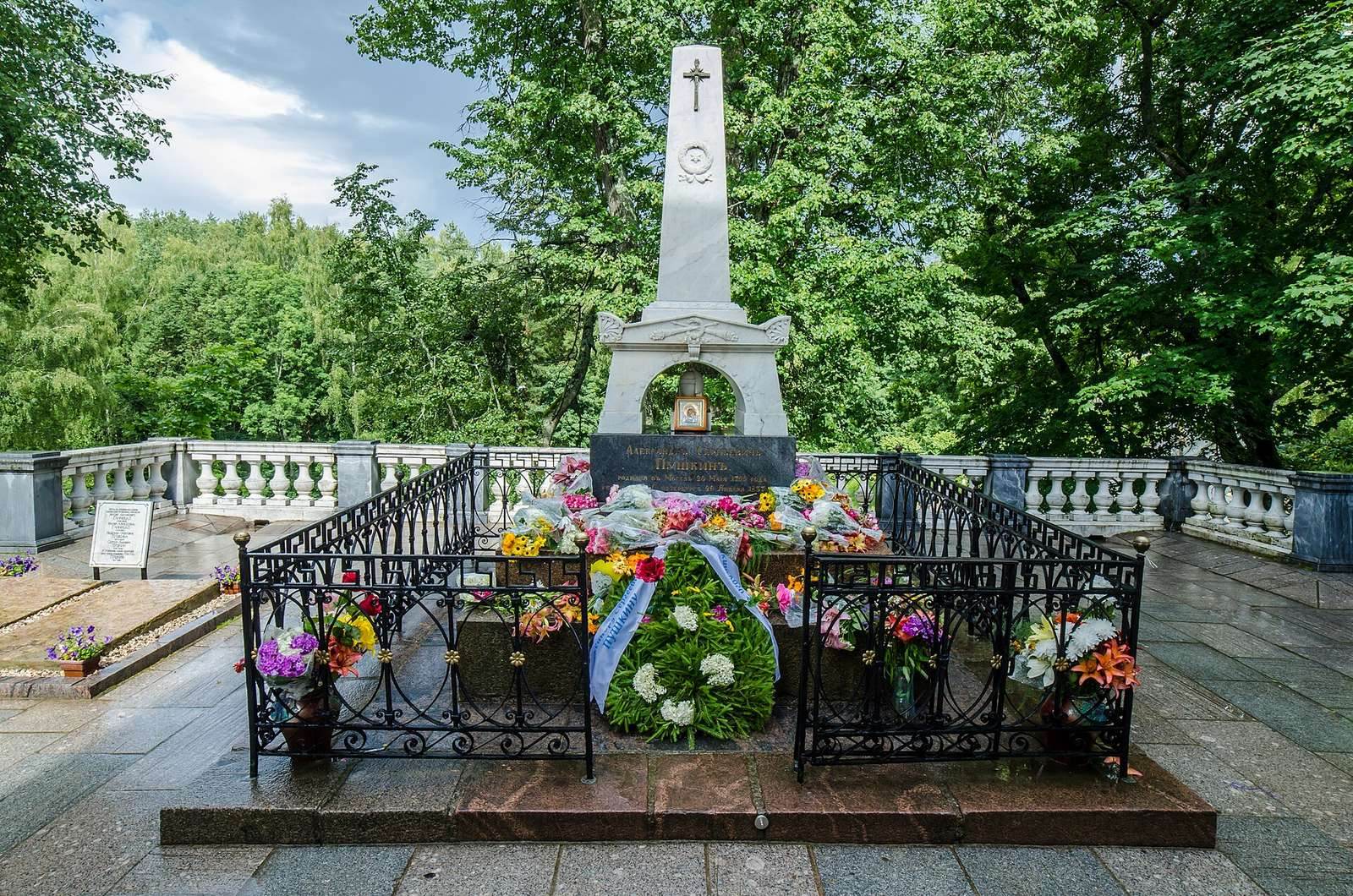
Pushkin’s grave lies in the Hannibal-Pushkin family burial vault, near the graves of his grandparents. His daughter Natalia Alexandrovna Pushkina commissioned a marble obelisk, made by sculptor Permagorov and erected at the grave in 1841. A white-marble balustrade was added around the ground surrounding the grave in 1902.