Suțu Palace: A Nineteenth-Century Residence and Museum in Bucharest
Site at a Glance
- Rating
- 4.4
- Popularity
- Medium
- Country
- Romania
- Primary era
- Modern
- Eras represented
- Modern
- Civilizations
- Ottoman, Principality of Wallachia
- Site type
- Domestic
- Remains
- Elite Residence
On this page7 sections
History
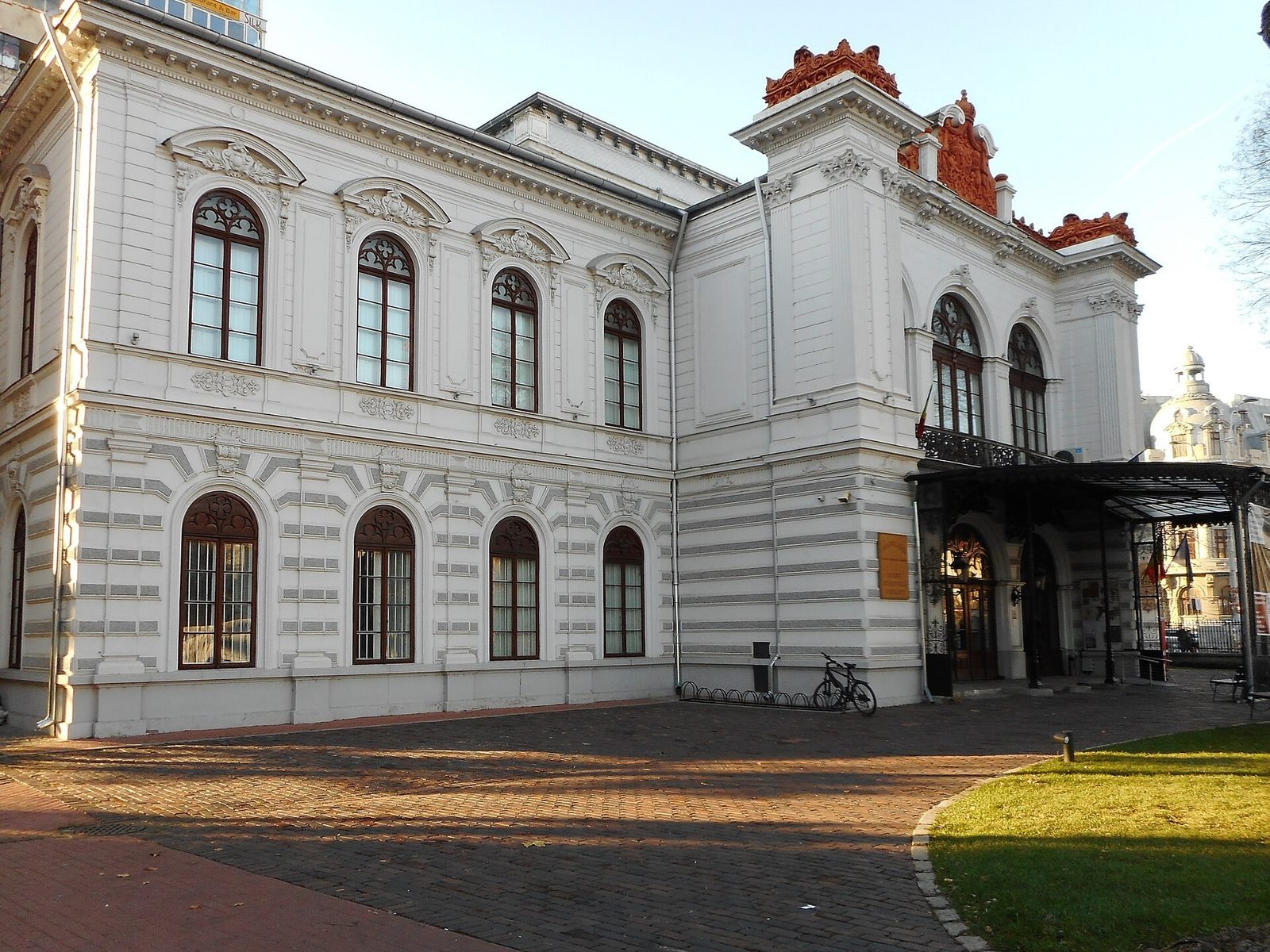
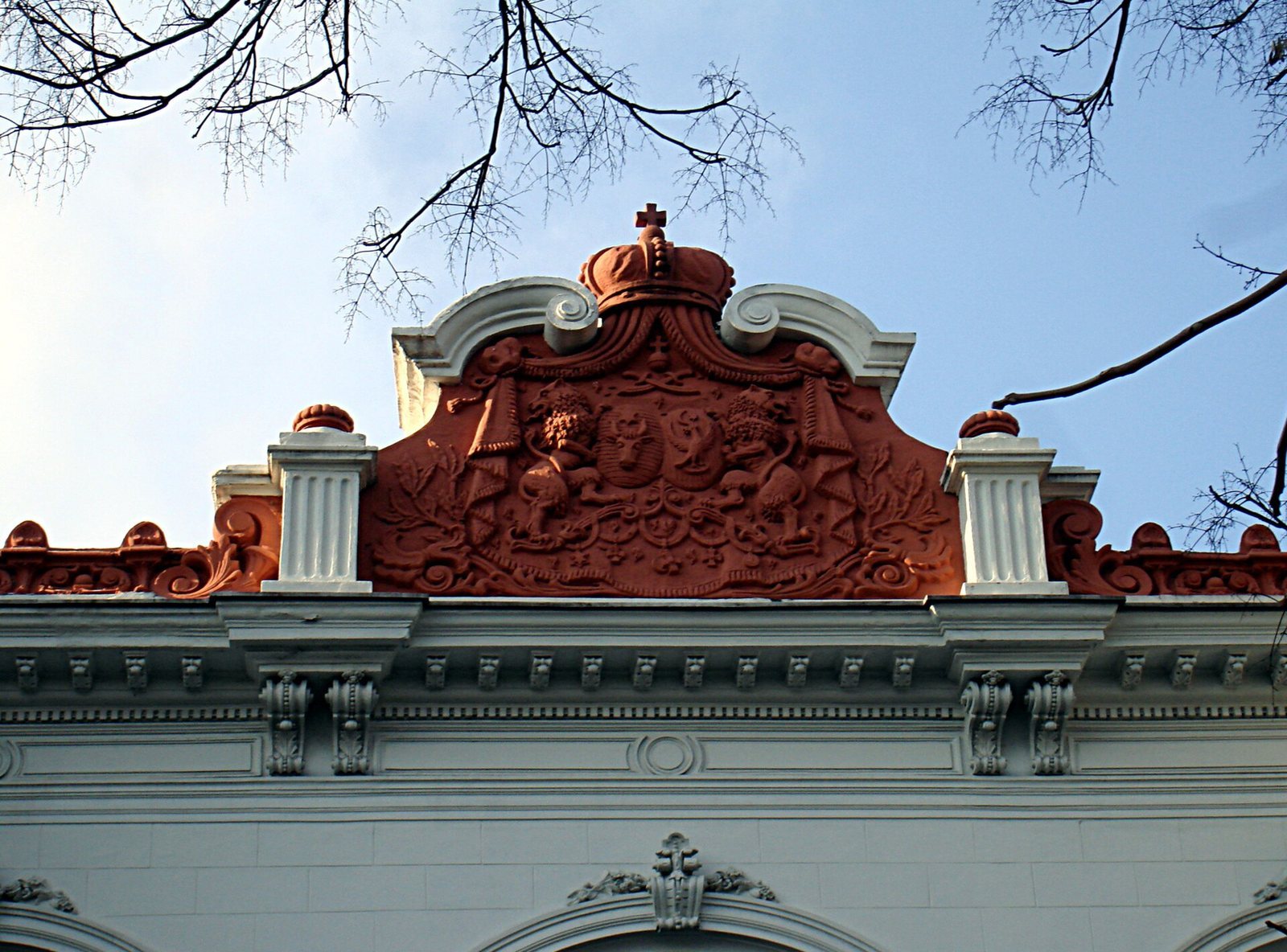
Suțu Palace is a residence in Bucharest, Romania, built between 1833 and 1835 in a Neo-Gothic and eclectic style. Neo-Gothic architecture revived medieval Gothic forms, while eclectic design combined elements from different traditions. Costache Grigore Suțu commissioned the palace for his home. He was a Wallachian court official with the title of great postelnic, a senior official in Wallachia, the historic principality that occupied much of present-day southern Romania. He received the building plot as a dowry when he married Roxandra Racoviță. The palace officially opened in 1835.
The Suțu family residence
The property later passed by inheritance to Grigore Suțu, Costache’s illegitimate son. The palace became known for aristocratic parties and balls, particularly its New Year’s Eve celebration. In the late nineteenth century, an Italian journalist counted it among Bucharest’s representative buildings, alongside the Știrbey, Brâncoveanu and Ghica palaces.
From residence to museum
On 24 January 1959, during communist rule, the palace became the Museum of the History of Bucharest. It now houses the Bucharest City Museum.
Remains
Palace form
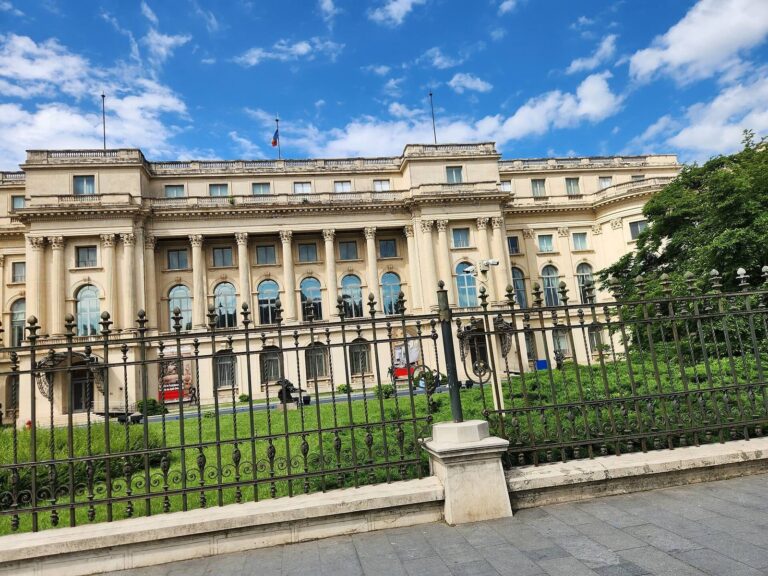
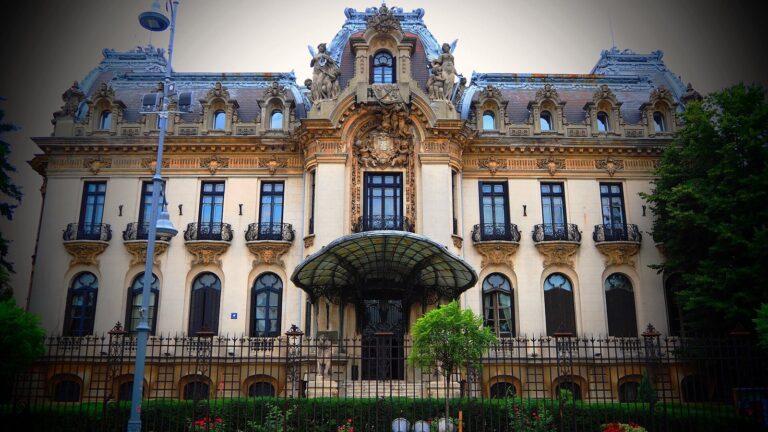
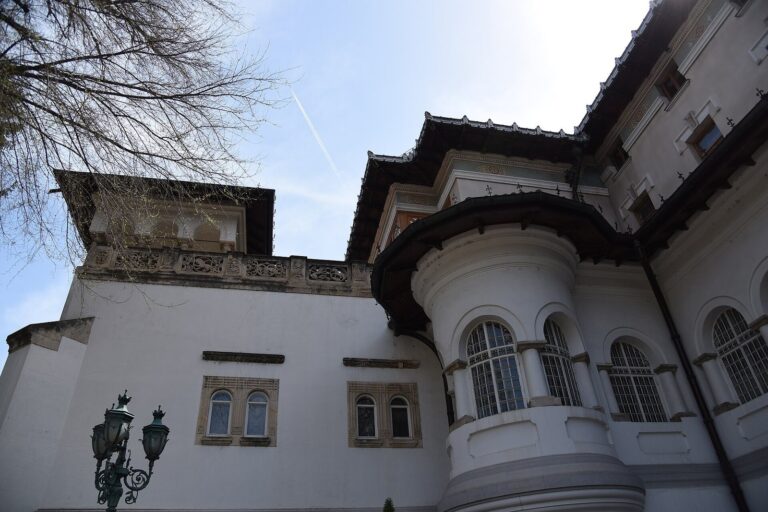
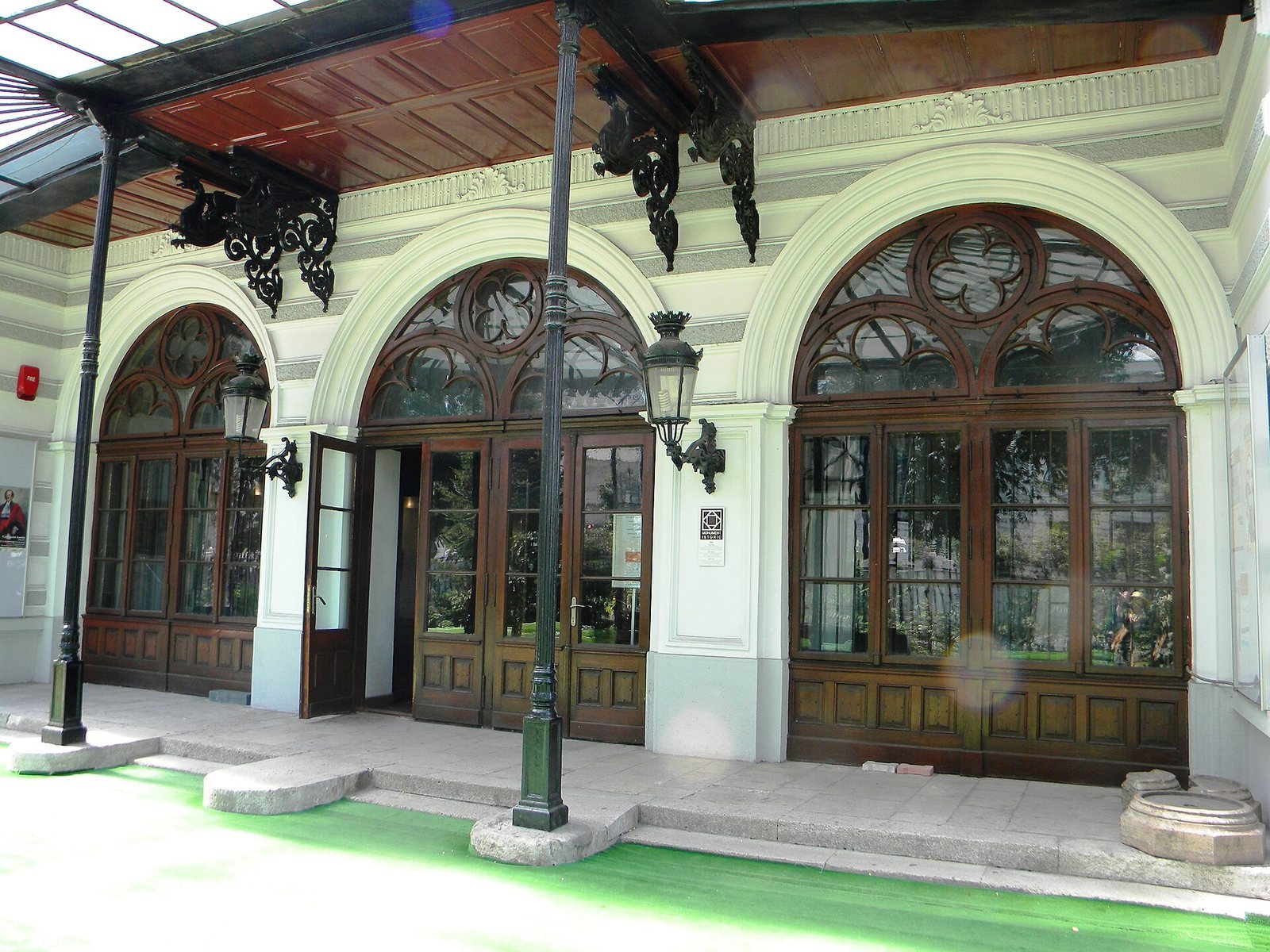
The building has a dome and four polygonal turrets. Its design is attributed to the Viennese architects Conrad Schwink and Johann Veit.
Central hall
Sculptor Karl Storck created ceiling decorations for the palace and three arcades in the central hall, where a grand staircase divides into two flights. A brass chandelier dated 1836 has 24 candle holders and resembles one in the Church of St John the New. The hall also contains a mirror ordered from Murano, the Venetian island associated with glassmaking. Above it, a wooden medallion depicts Irina Suțu, Grigore’s wife and the daughter of banker Ștefan Hagi Mosco.
Former grounds
The palace grounds included a pond, and the park once held pelicans, peacocks, pheasants and other exotic animals. The park extended as far as Saint Sava Monastery; the University of Bucharest was later built on its site.