Summer Archbishop’s Palace: An Archiepiscopal Residence in Bratislava
Site at a Glance
- Rating
- 3.6
- Popularity
- Very Low
- Country
- Slovakia
- Primary era
- Early Modern
- External website
- Open
- Eras represented
- Early Modern, Modern
- Civilizations
- Habsburg, Hungarian
- Site type
- Domestic
- Remains
- Elite Residence
On this page7 sections
History
Archiepiscopal origins
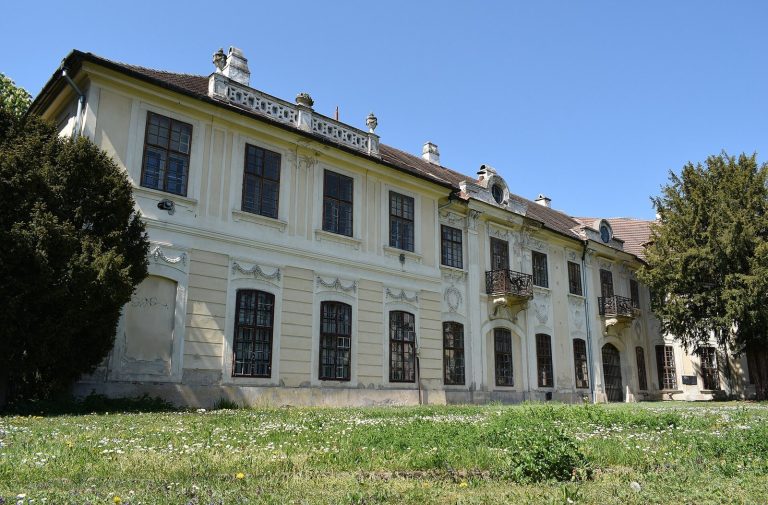
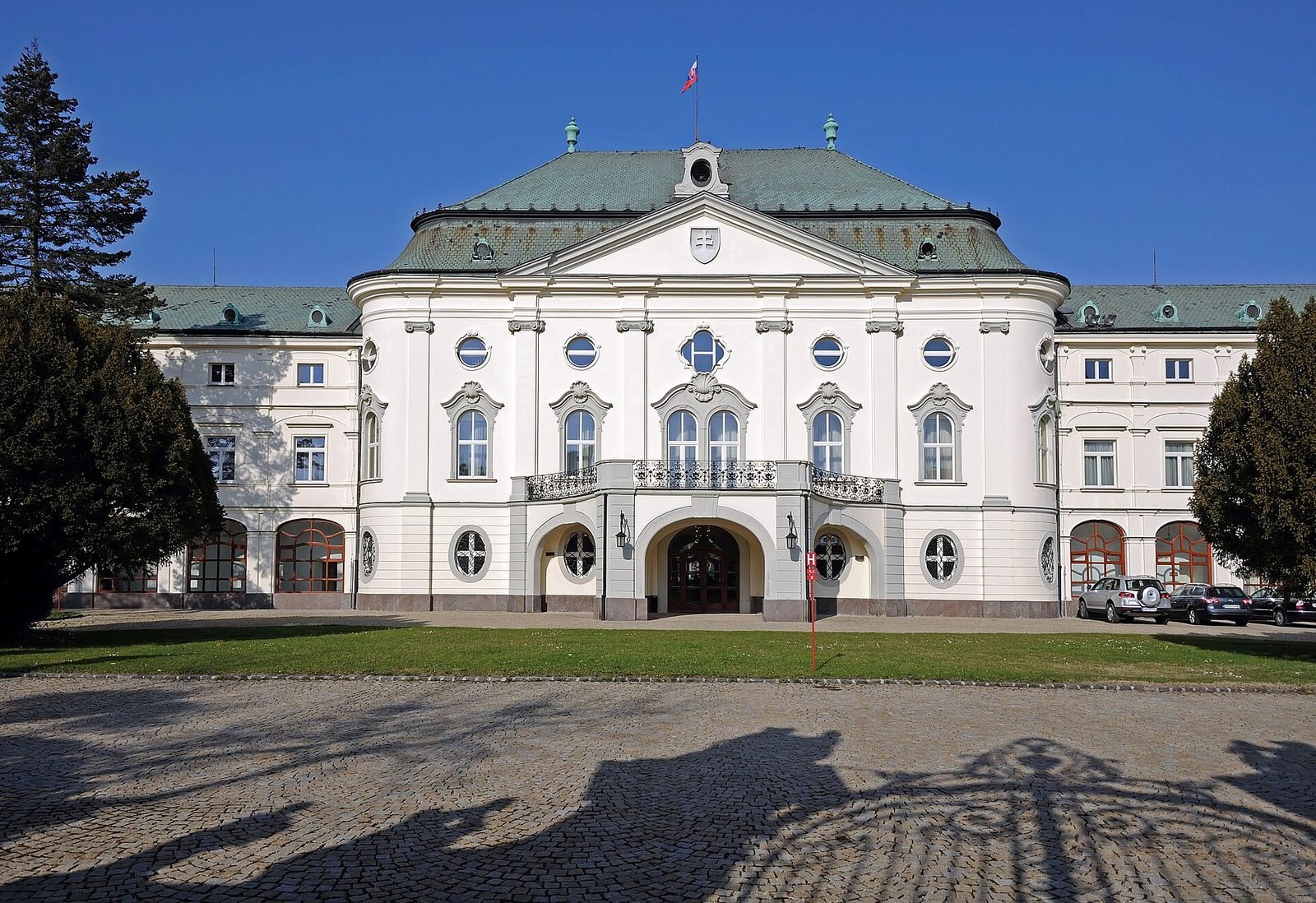
The Summer Archbishop’s Palace is a former archiepiscopal summer residence in Bratislava, Slovakia, established in the early seventeenth century. It began as a Renaissance residence and was later enlarged into a Baroque palace. After Buda fell to the Ottoman Empire in 1541, Pressburg, the historical name for Bratislava, became the capital of the Kingdom of Hungary and a seat of its archdiocese. The Ottoman capture of Esztergom in 1543 led its archbishops to reside in Trnava and Pressburg. Their main Pressburg home was an older Gothic residence on the site of today’s Primate’s Palace, considered uncomfortable as summer retreats in the countryside grew fashionable among the nobility.
In the early seventeenth century, Ferenc Forgách, Archbishop of Esztergom from 1607 to 1615, acquired the palace grounds and established a garden. A summer residence was probably built there around 1614.
Baroque transformation
During his tenure as archbishop, from 1642 to 1666, György Lippay had a new residence built and the garden redesigned. Baroque sculptor Georg Rafael Donner maintained a studio in the garden for almost ten years. Imre Esterházy, archbishop from 1725 to 1751, commissioned a further Baroque redesign of the grounds. From 1761 to 1765, Ferenc Barkóczy engaged Austrian architect Franz Anton Hillebrandt to turn Lippay’s residence into a large Baroque palace.
Hospital and government use
In the nineteenth century, the archbishops’ seat returned to Esztergom and Hungary’s capital moved to Buda. After the Napoleonic Wars, the palace became a military hospital, while its garden was used for military exercises. The hospital remained there until the late 1930s. During the Slovak State, which existed from 1939 to 1945, the palace was selected for the Ministry of Foreign Affairs. A proposed government district nearby was never built. The ministry used the palace in the 1940s; after the war, it became a seat of the government of the Slovak Socialist Republic and now houses the Government of Slovakia. Slovak architect Emil Belluš was probably chosen for a later reconstruction project partly because of his work on the nearby Grassalkovich Palace. The palace and garden have since been restored.
Remains
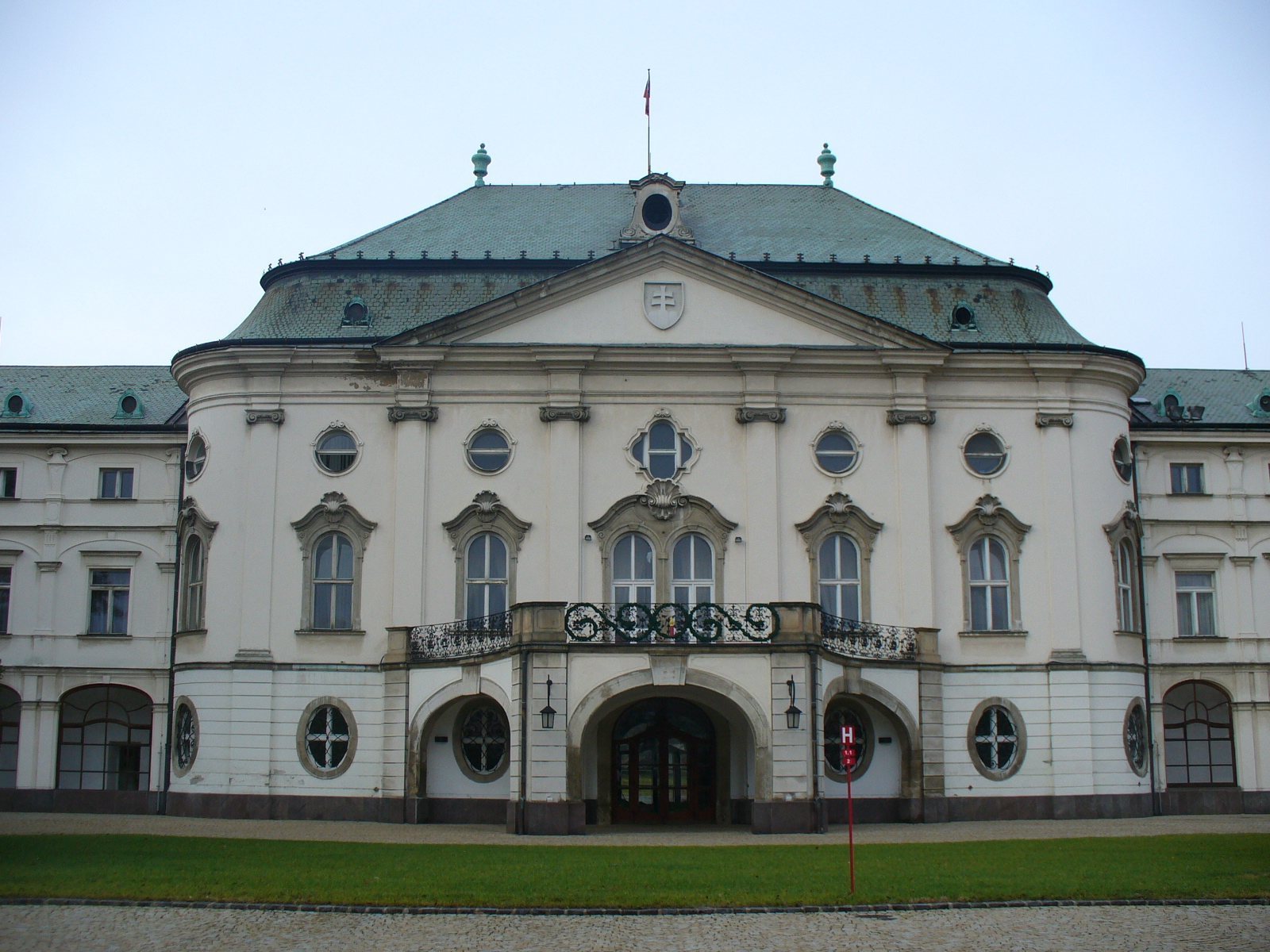
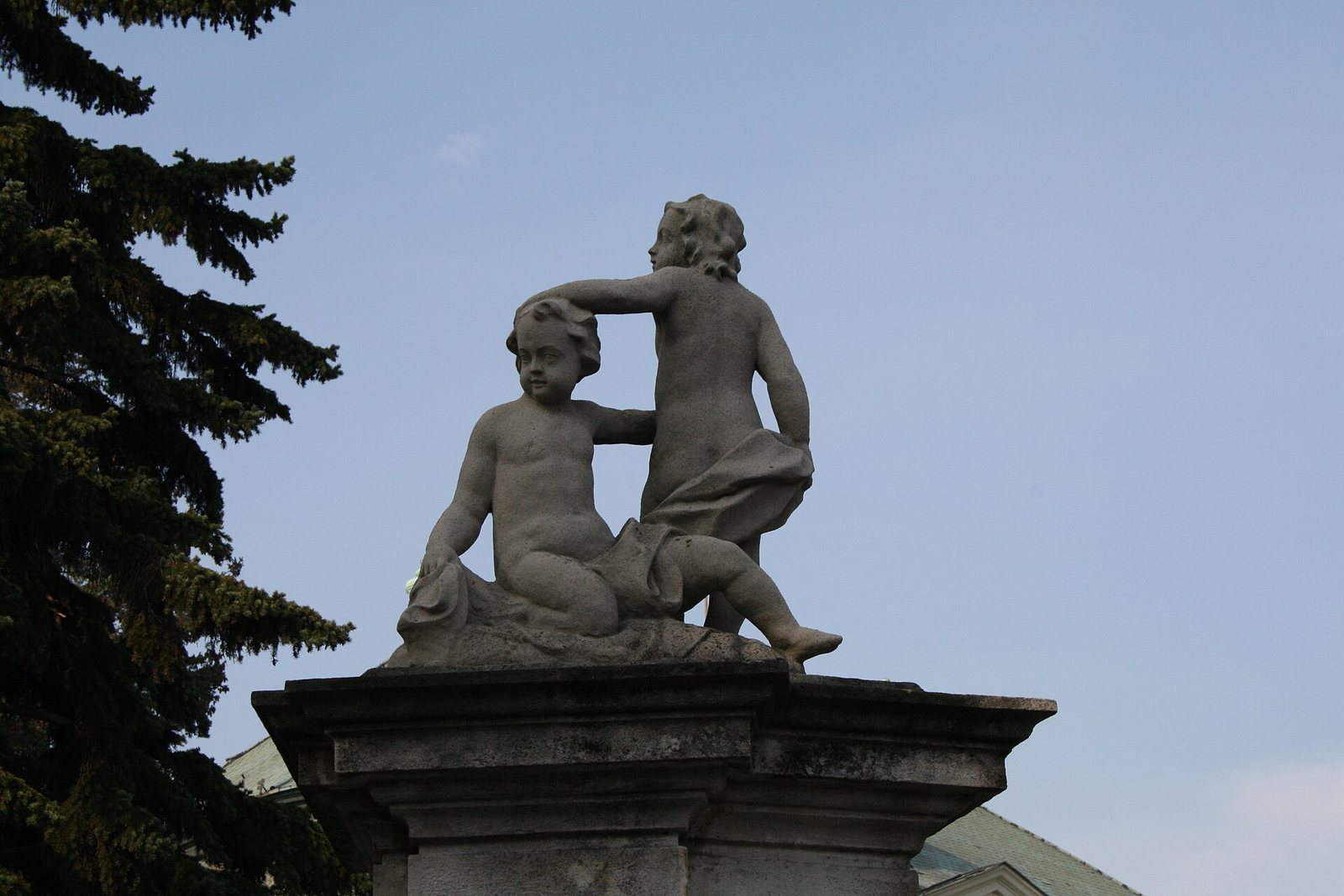
The palace occupies land that lay beyond the city’s second ring of defences, then regarded as countryside. Its development from a Renaissance summer residence into a Baroque palace brought Rococo decoration, a Rococo fence, and a courtyard of honour, a formal forecourt in front of the main building. Later changes cleared buildings and structures from the garden and added two wings to the palace. The building was also altered for government use, including changes to its interior.
Garden
Lippay’s garden included exotic plants and trees, fountains fed by mountain springs, artificial caves, and a large pool used for bathing horses. Its pavilion had mosaic-covered walls, and water flowing through a musical instrument resembling an organ produced sound. Later, the garden’s buildings and structures were cleared, and the restored grounds now follow the English garden style, a more naturalistic landscape design. Garden statues were sold during the hospital period. A statue of St John is now in the courtyard of the Primate’s Palace, and atlantes, sculpted male figures used as architectural supports, are in Kittsee.
Interior spaces
During the palace’s hospital use, an exterior stairway connecting the garden to a first-floor hall was demolished, and the hall was divided into two rooms for wounded soldiers. The chapel is the best-preserved interior space. Its surviving original features include a ceiling fresco and an altar. Named rooms in the palace include the Mirror Hall, Yellow Room, Green Room, and Pink Room, alongside the Vice Prime Minister’s Conference Room and a government office chapel.