The Old Church (Stara crkva): Serbia’s First Metropolitan, Cathedral, and Court Church
Site at a Glance
- Rating
- 4.9
- Popularity
- Medium
- Country
- Serbia
- Primary era
- Modern
- Eras represented
- Modern
- Civilizations
- Ottoman, Serbian
- Site type
- Religious
- Remains
- Cathedral
On this page7 sections
History
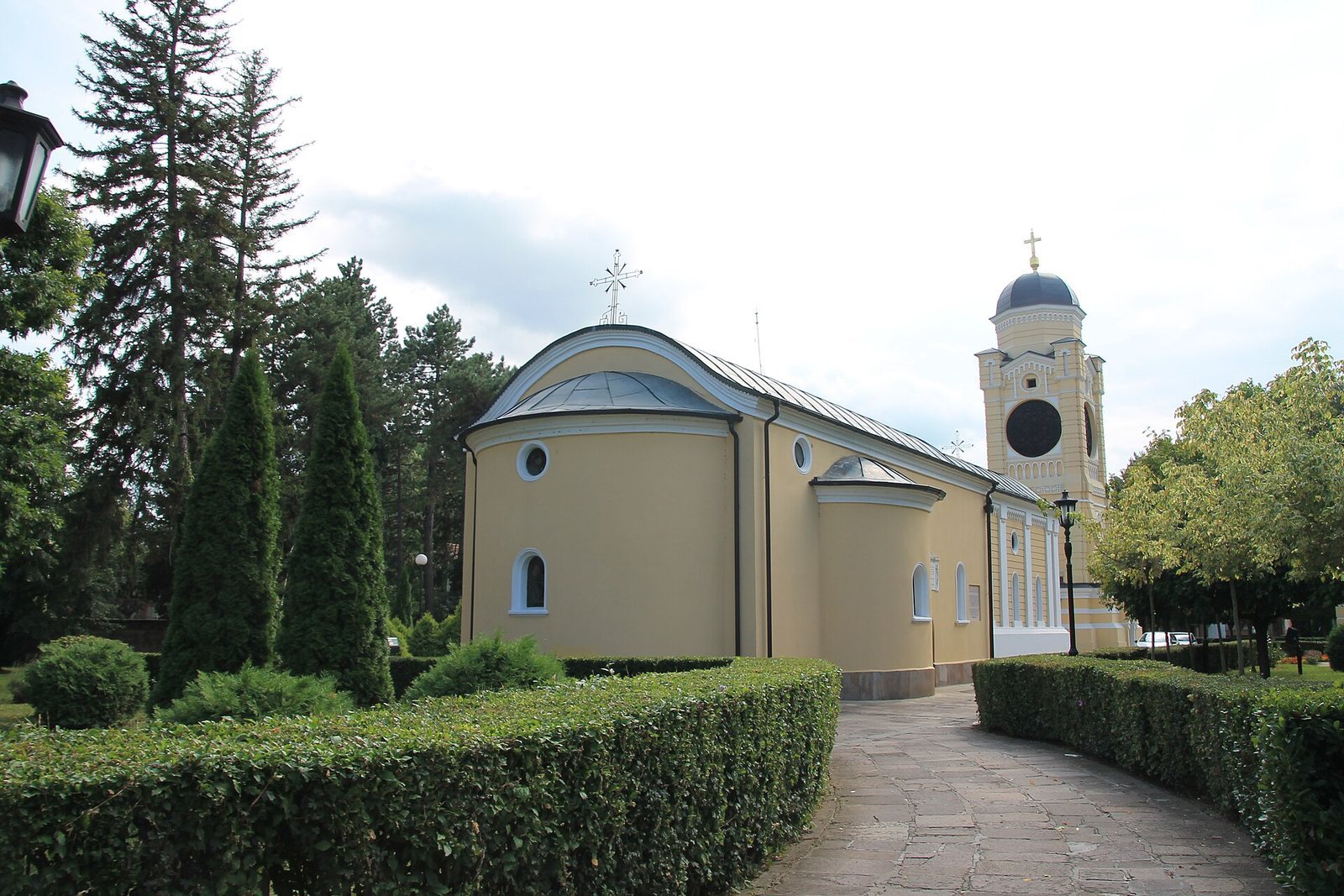
The Old Church, known locally as Stara crkva, is a Serbian Orthodox church in Serbia, built in 1818 under Prince Miloš Obrenović. Milutin Gođevac, a builder from Bosnia, was its principal builder. The church was erected on an earlier cemetery, with Prince Miloš gathering skilled craftsmen and committing substantial resources to the work. It became the first metropolitan, cathedral, and court church in liberated Serbia.
Foundation and Church Use
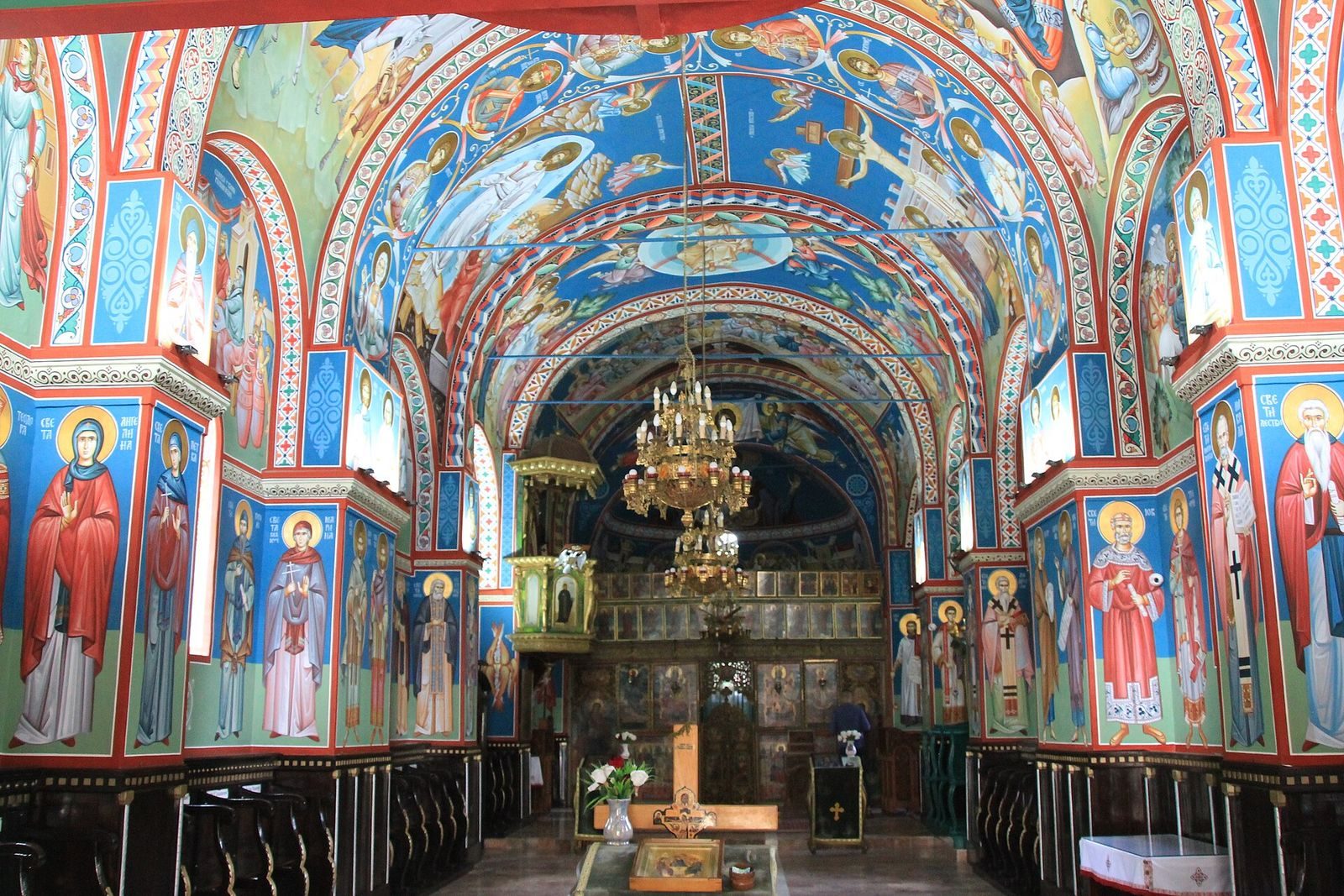
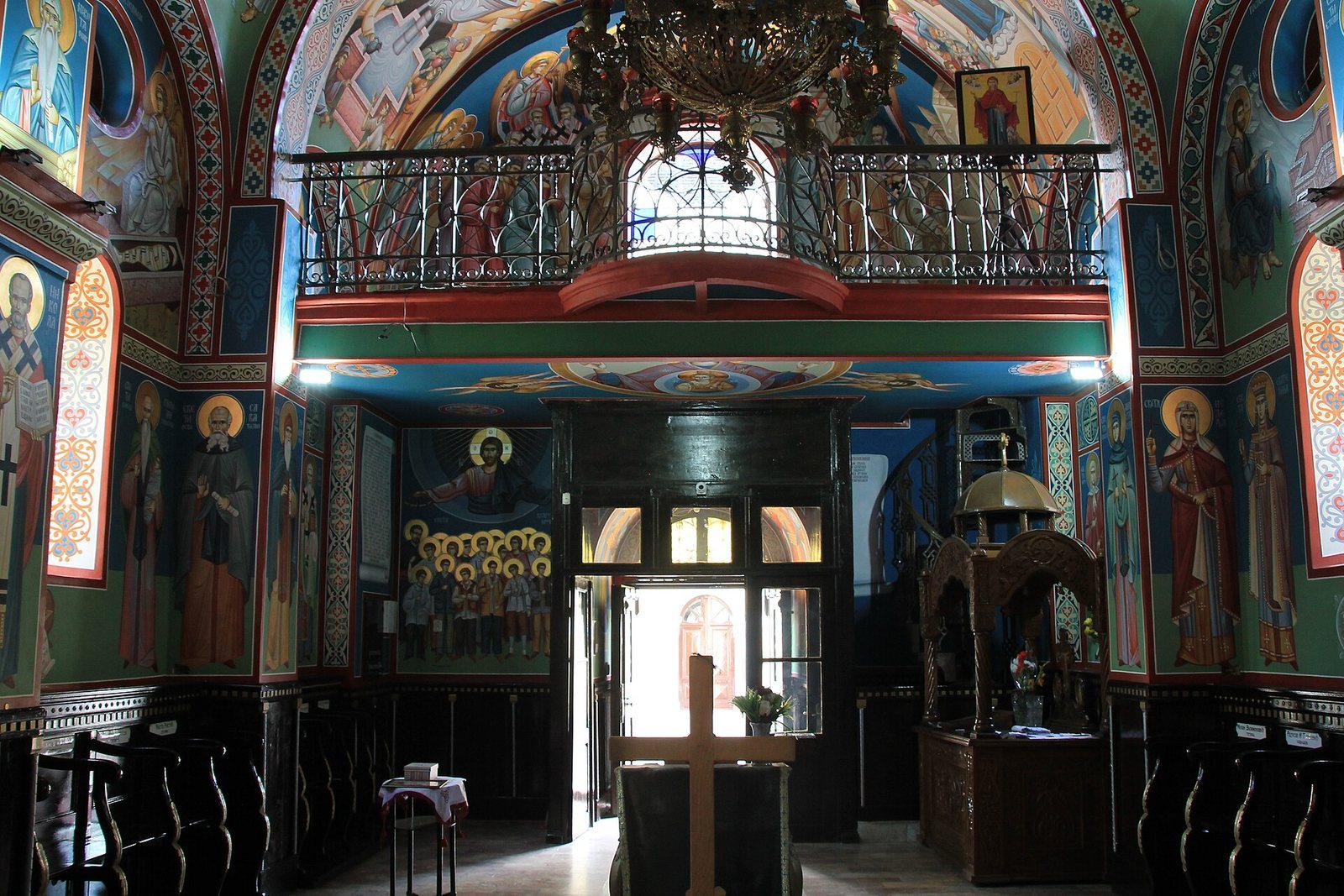
The church is dedicated to the Descent of the Holy Spirit upon the Apostles, the Christian event commemorated at Pentecost. A local tradition holds that it was the first church in the area built higher than the mosque, at a time when the Smederevo Sanjak, an Ottoman administrative district, remained under the Ottoman sultan’s vassal authority. Its bells first rang in 1829, and the church was remodeled several times. It remains an active Serbian Orthodox church affiliated with the Diocese of Šumadija.
The Courtyard and Serbian Assemblies
The courtyard became a public setting for important decisions affecting the Serbian people. Ottoman sultanic decrees, constitutions, and other major decisions were proclaimed there. It also hosted open-air gatherings of Christians from the sanjak, known as the Old Assembly.
At the 1835 Sretenje Assembly, named for the Orthodox feast of the Presentation of Jesus at the Temple, Serbia’s first constitution was proclaimed. The autonomous Principality of Serbia, a self-governing polity under Ottoman authority, had been proclaimed five years earlier. Assembly sessions continued in the courtyard until 1859, when they moved into the newly built Old Assembly building, the first purpose-built assembly building of its kind in Serbia.
Decisions made in the Old Assembly building included Serbia’s declaration of war against the Ottoman Empire in 1876. In 1878, the terms of the Congress of Berlin, a diplomatic conference addressing the political settlement of southeastern Europe, were announced there. Those terms concerned Serbia’s independence and territorial expansion.
Later Changes and Protection
The Old Assembly building underwent conservation work in 1984-1992 and again in 1998, after which a permanent museum exhibition was installed there. The church and the Old Assembly are protected together as a Monument of Culture of Great Importance. They also form part of the Milošev venac urban ensemble, designated a Historic-Cultural Spatial Unit of Great Importance, a Serbian heritage category that protects a historically important area as a whole.
Remains
The church courtyard contains two distinct rectangular buildings, the church and the Old Assembly building. The latter stands near the place where the earliest open-air assembly sessions were held.
The Church
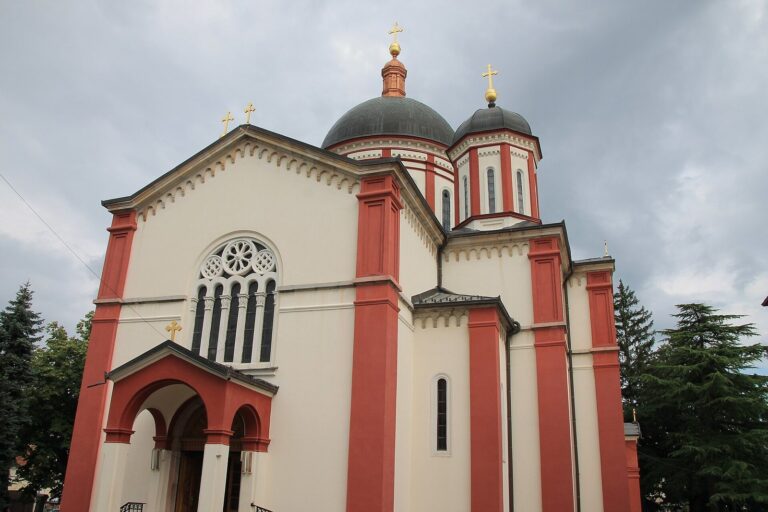
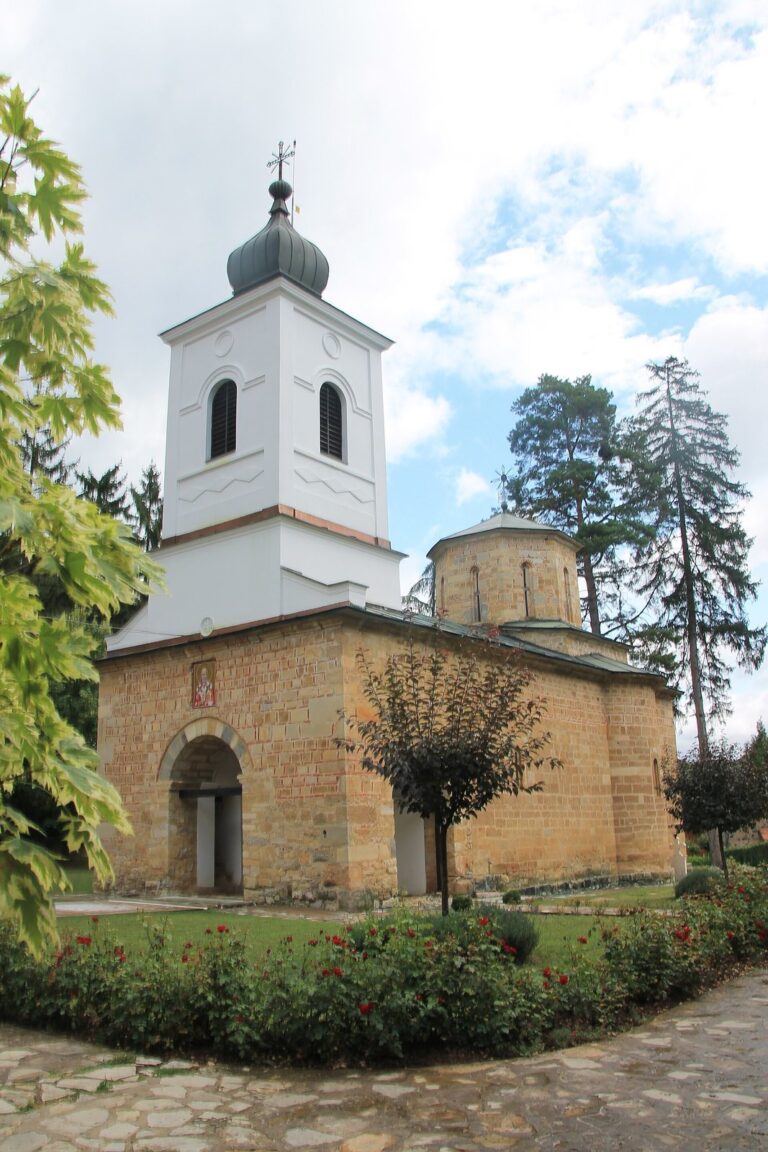
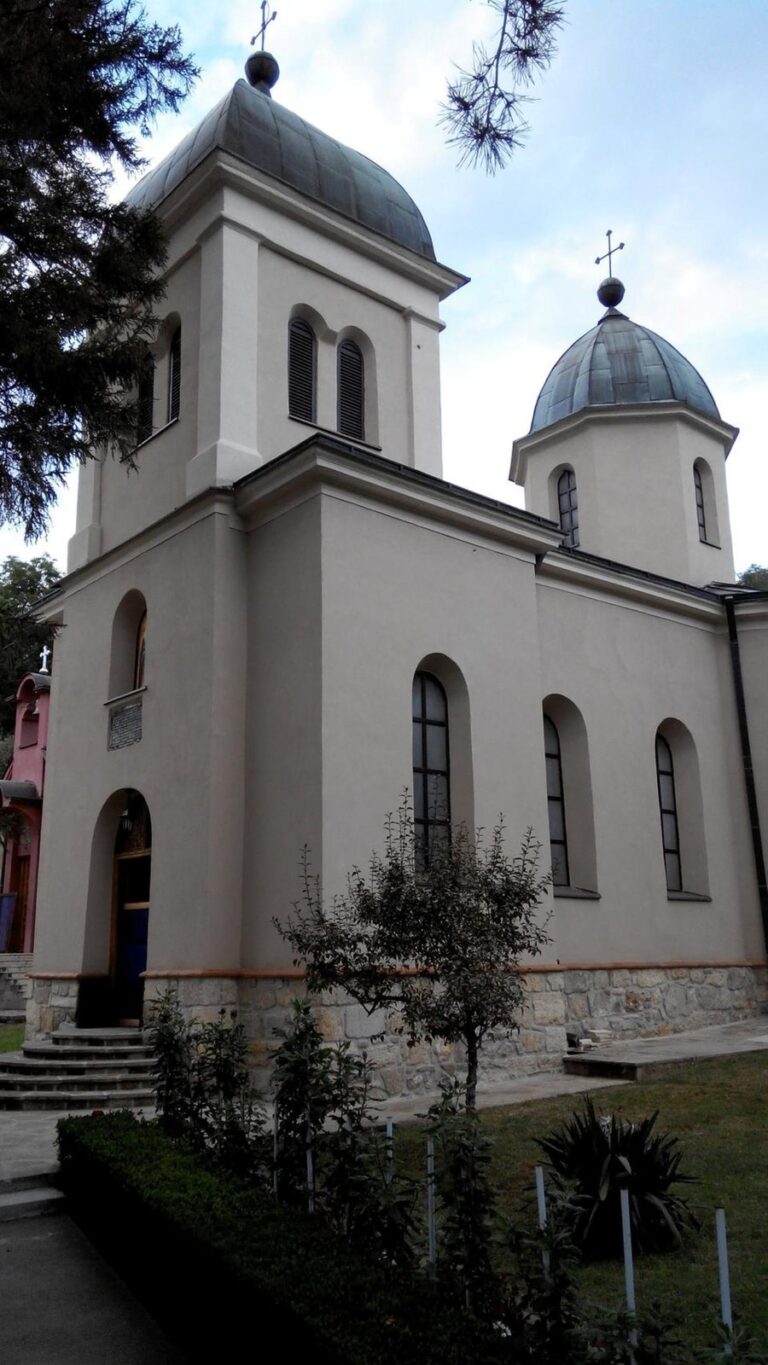
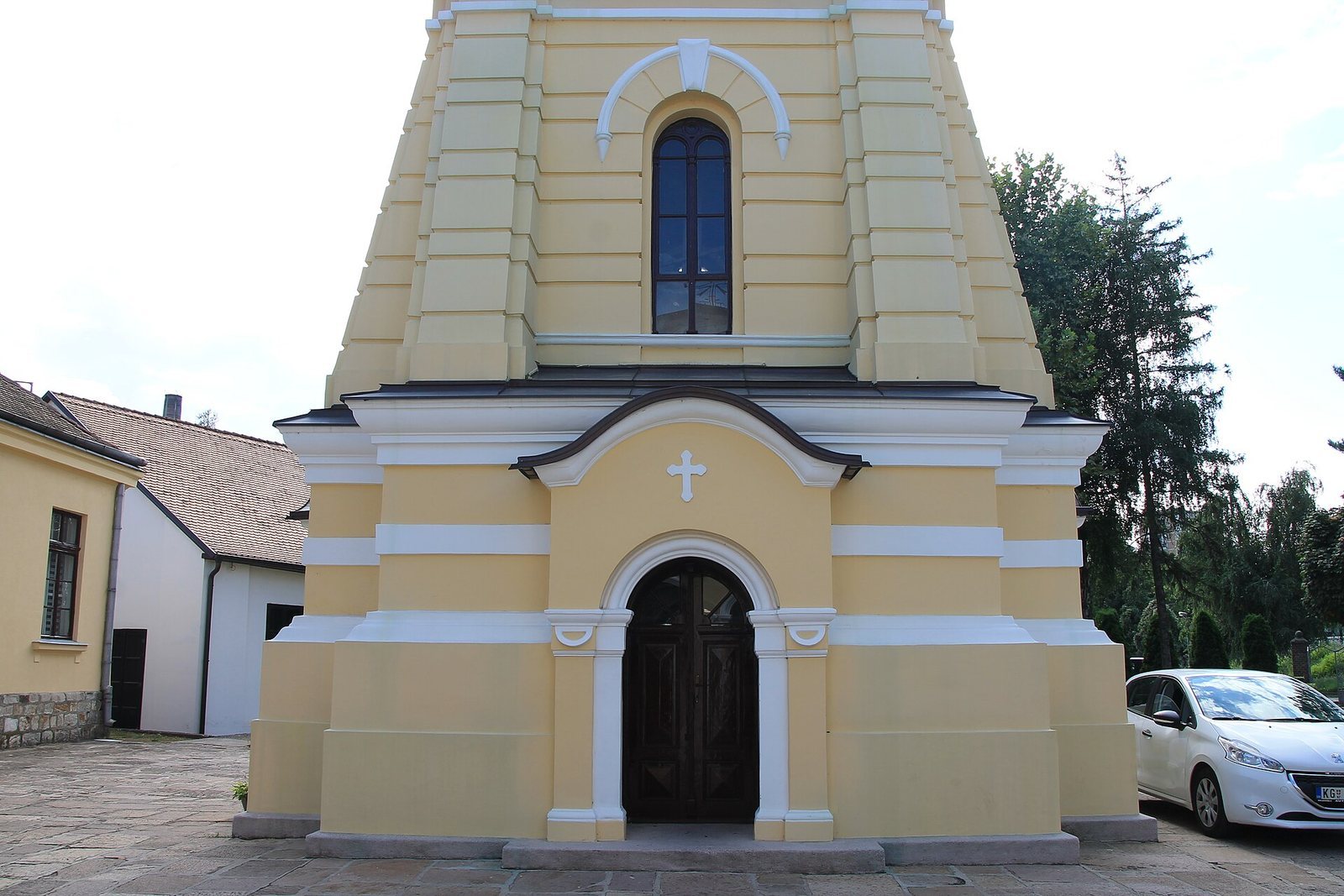
The church has a single nave ending in a semicircular apse, while lateral apses widen the altar area. Its former wooden bell tower was replaced in 1907 by a tower designed by Jovan Ilkić, a pupil of Theophil Hansen.
The Old Assembly Building
The building has shallow foundations of rubble stone and brick walls. Its plain exterior is marked by shallow pilasters, and its assembly hall was designed as a spacious room supported by columns. The structure has undergone substantial physical changes over time.