Jošanica Monastery: A Serbian Orthodox Monastery in the Jošanička Gorge
Site at a Glance
- Rating
- 4.8
- Popularity
- Medium
- Country
- Serbia
- Primary era
- Medieval
- Eras represented
- Medieval, Modern
- Civilizations
- Ottoman, Serbian, Serbian Despotate
- Site type
- Religious
- Remains
- Monastery
On this page12 sections
History
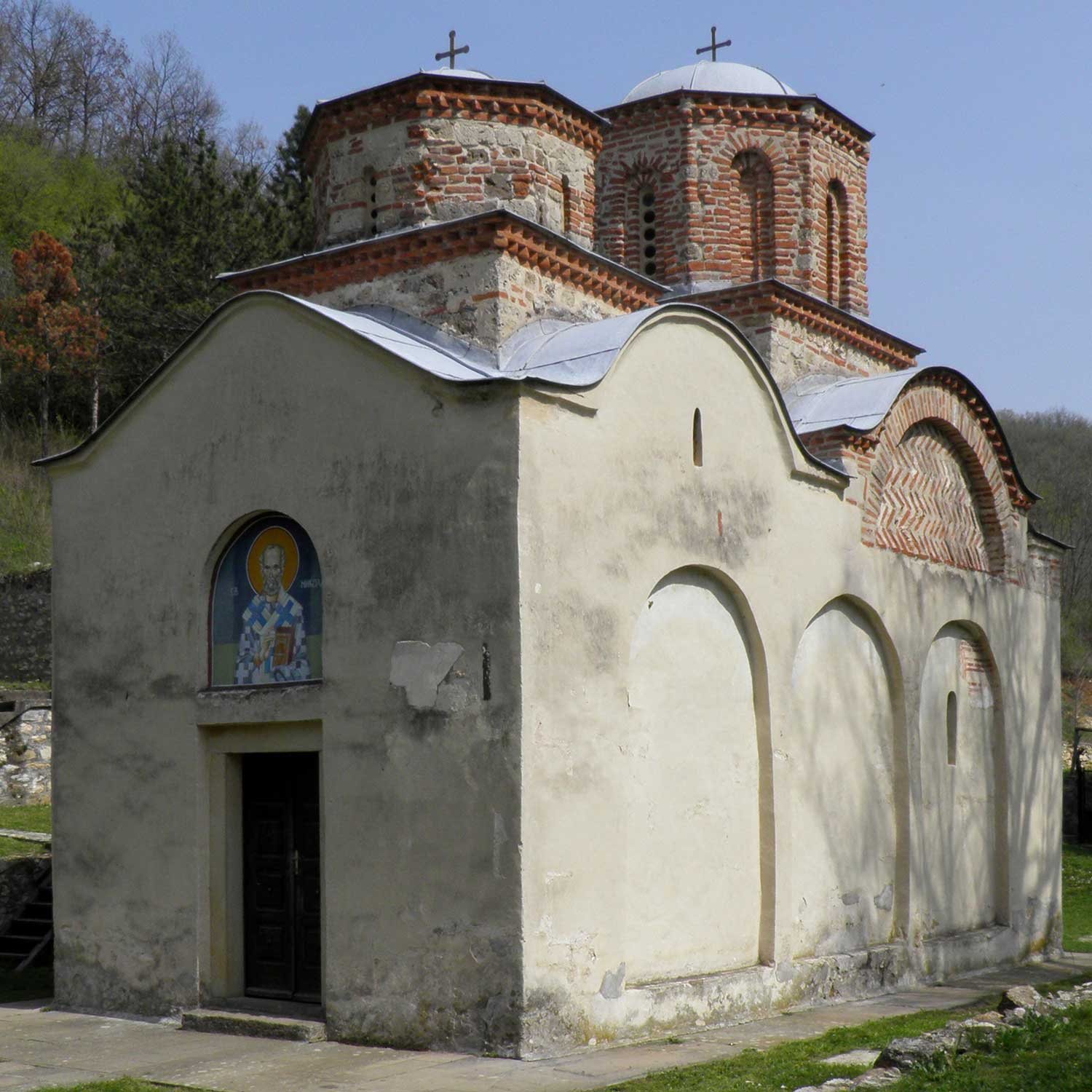
Jošanica Monastery is a Serbian Orthodox monastery in Serbia, near the village of Jošanički Prnjavor and about 10 km from Jagodina. It originated in the 14th century, during the era of Prince Lazar, a Serbian ruler, and its church follows the Morava style, a medieval Serbian architectural tradition. The monastery’s history links Orthodox religious life with conflicts against Ottoman rule and the Serbian uprisings.
Origins and early records
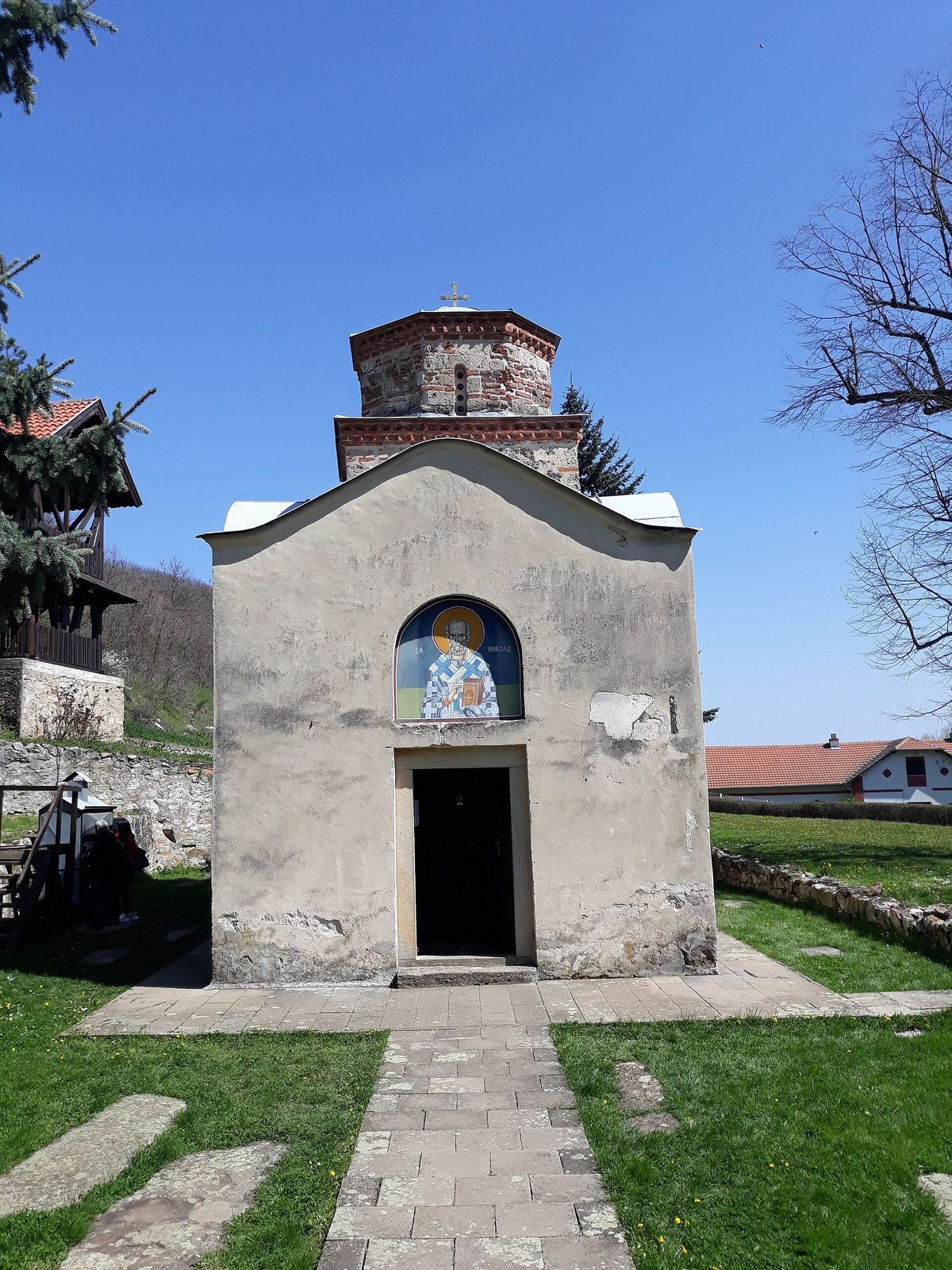
The monastery’s founding tradition is associated with Još, also known as Jovan the Sinaite, a hermit who lived in the Jošanička River gorge. A fresco portrays the founder, who is thought to have been a local aristocrat before becoming a monk. Ottoman documents mention the monastery in 1521 and 1522 under the name Monastery of Saint Nicholas. Two monks lived there by the middle of the 16th century. The church is dedicated to Saint Nicholas, and the monastery belongs to the Serbian Orthodox Church’s Eparchy of Šumadija, an Orthodox diocese.
Burning and rebuilding in the 18th century
Ottoman forces burned the monastery in the late 17th century. It was restored in 1786 through the efforts of Aksentije Teodorović, a monk ordained as a priest, the priest Jovan Popović, and local leaders Dobrosav and Boško.
During the Austro-Turkish War and Koča Anđelković’s 1788 rebellion against Ottoman rule, Captain Koča made the monastery his headquarters. It lay near the Constantinople Road, and fighting between Ottoman troops and rebels took place in the Jošanička gorge. When Koča withdrew into the Crni vrh foothills, Ottoman forces entered and burned the monastery. He later retook it in a counterattack. After Koča left Serbia later that summer, Ottoman troops looted and burned the site again.
Restoration began in 1791, after the Treaty of Sistova. Those involved included Abbot Aleksije, senior priest Jovan Popović, and the monastery’s spiritual father, Gligorije. All had taken part in the fighting during Koča’s rebellion.
Uprisings and later changes
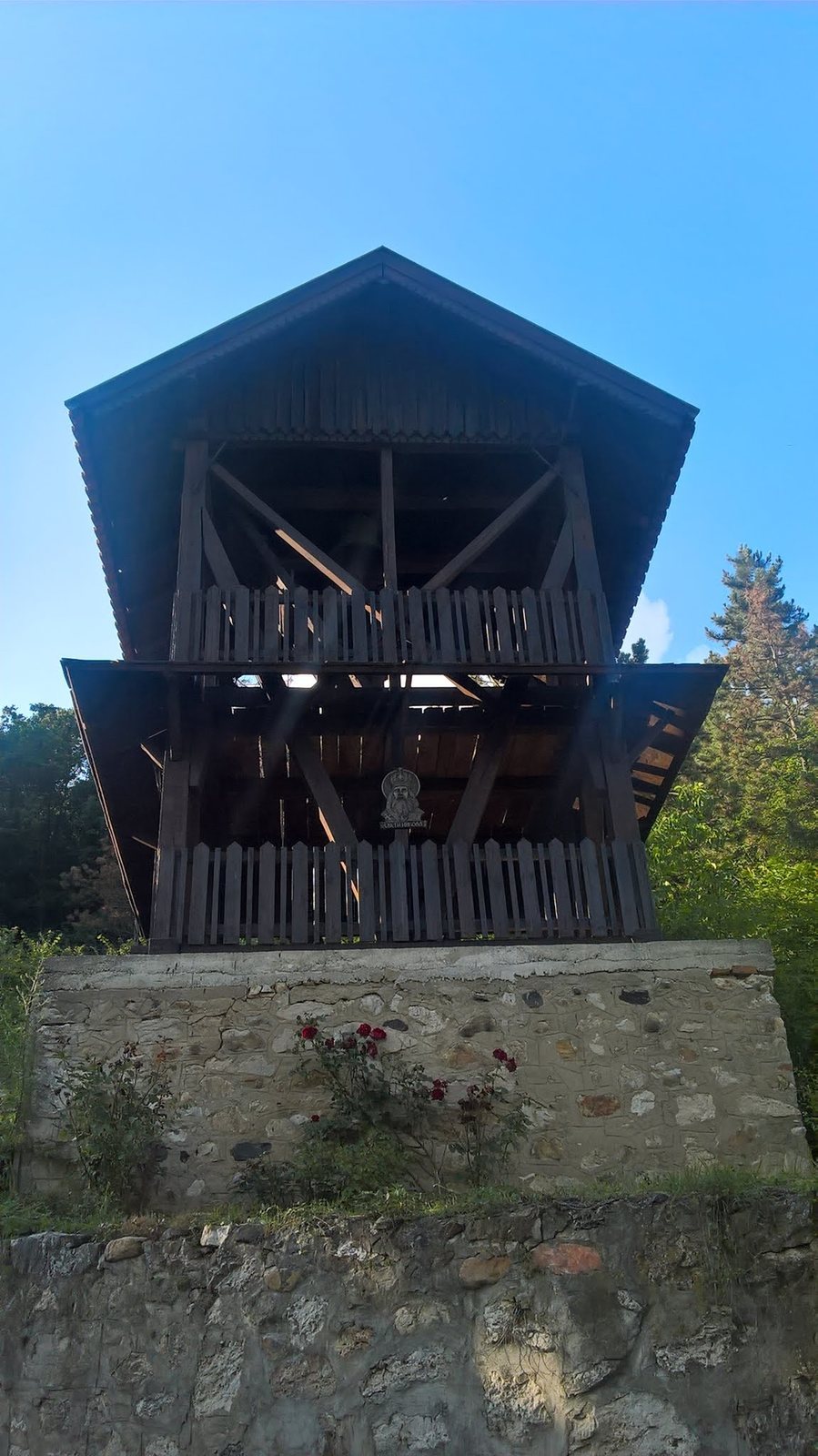
The monastery suffered damage during the First Serbian Uprising. In 1815, during the Second Serbian Uprising, Prince Miloš Obrenović, a Serbian prince and leader in the uprising, met there with Melentije, Metropolitan of Belgrade and a senior bishop, and Marashli Ali Pasha, the Ottoman Empire’s grand vizier, or chief minister. They discussed peace. In 1832, Miloš gave the monastery three bells in recognition of its part in the liberation wars.
A major restoration in 1851 added an entrance vestibule, or narthex, and the monastic residences were repaired in 1885. During the Serbo-Turkish War of 1876–1877, those residences served as a hospital. The 19th-century work substantially altered the monastery’s appearance. The narthex was demolished in 1946 after it had deteriorated.
20th-century restoration and protection
A general restoration took place from 1960 to 1970 under the monastery’s superior, Hristifor (Obradović), and Valerijan (Stefanović), Bishop of Šumadija. The frescoes were restored in 1969. Jošanica is protected in Serbia as a Monument of Culture of Great Importance.
Remains
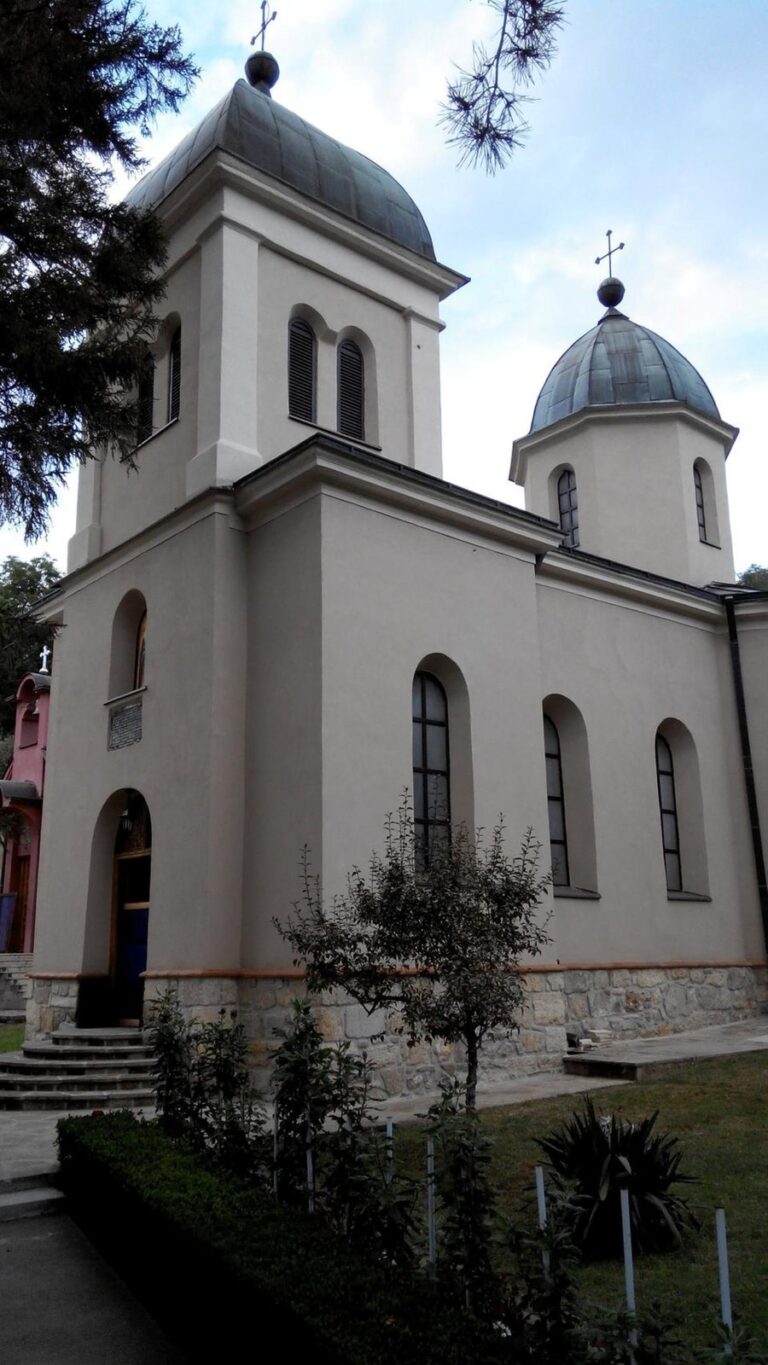
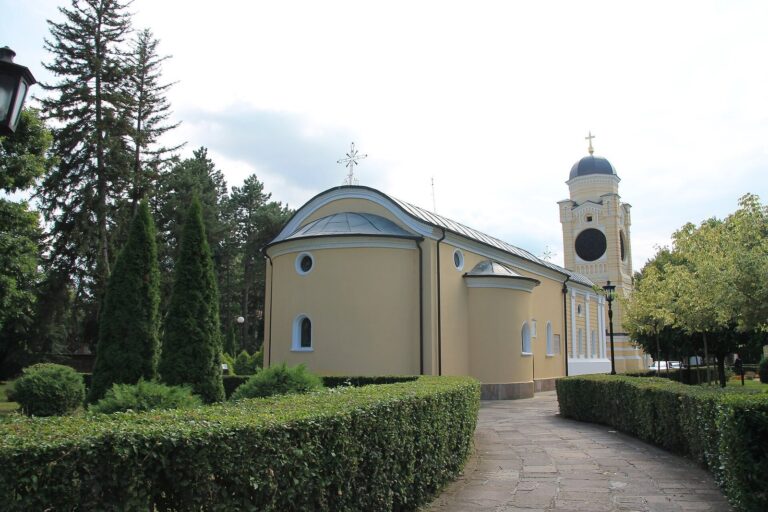
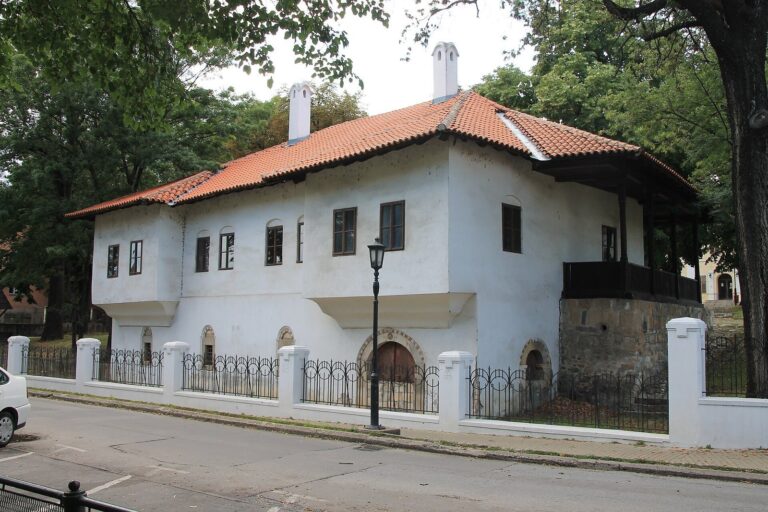
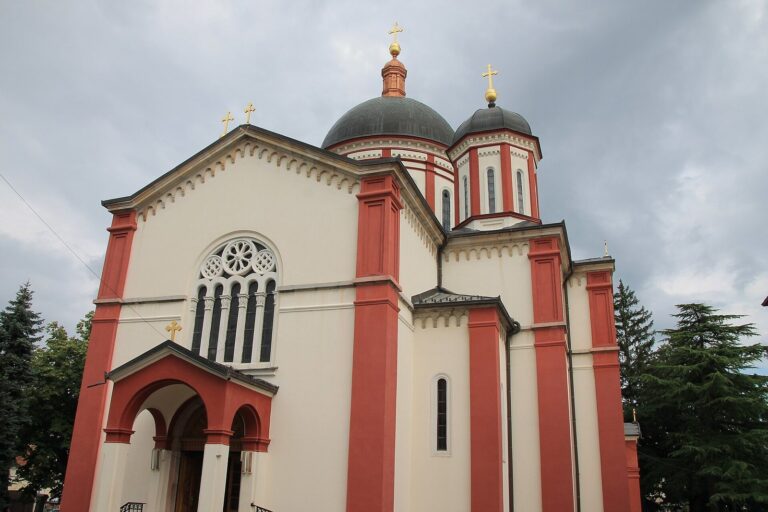
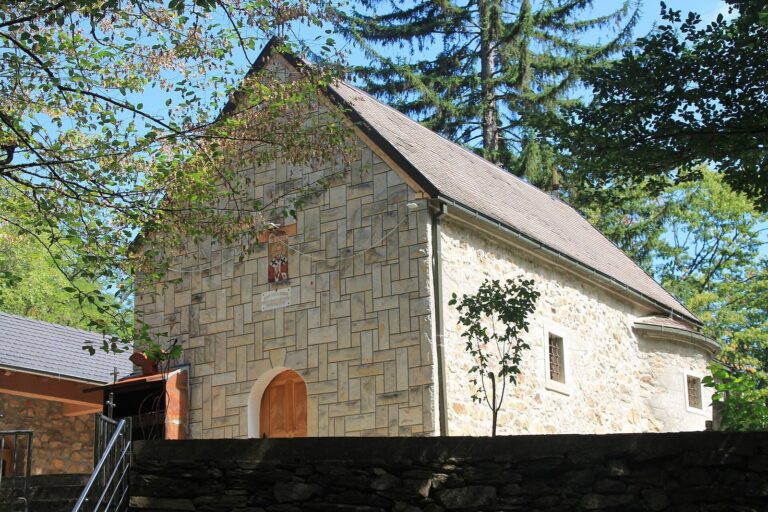
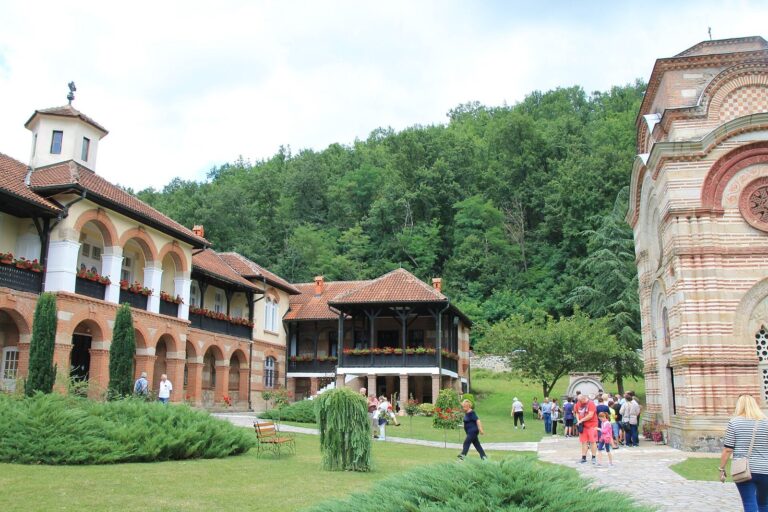
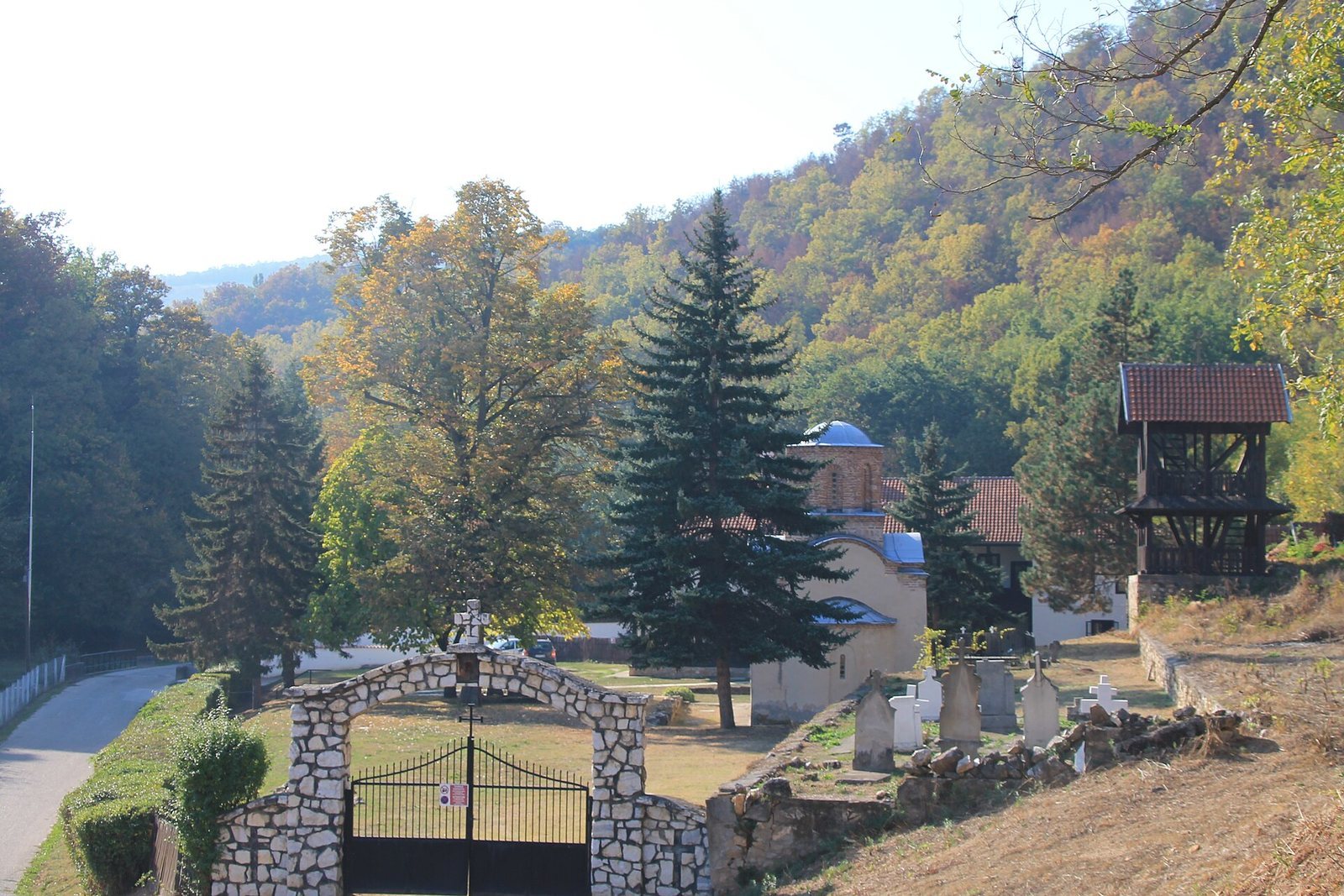
The monastery stands in the Jošanička River gorge at the foot of Crni vrh. Its complex includes a stone church with brick domes, monastic residences, a family tomb, and a memorial to Serbian soldiers.
The church
Plan and construction
The church has an elongated plan with a single nave, or main worship space. Pillars support its central dome, and a barrel vault, a continuous curved ceiling, covers the interior. A semicircular apse, the rounded end of the church, forms the altar area, with a niche on either side. Large arches decorate the side walls; most are blind, meaning they have no openings.
Frescoes and furnishings
An inscription compares the church’s interior decoration with that of Kalenić and Ljubostinja. Fragments of early 15th-century frescoes survive in the apse and main worship space. The altar area includes the Adoration of the Lamb and the Mother of God “Wider than the Heavens.” A cycle of scenes from Christ’s Passion appears in the main space, including Christ praying in the Garden of Gethsemane. Paintings in the former narthex showed the founder and his family, along with rulers. Much of the interior painting was covered with plaster during the 19th century.
The church’s iconostasis, the screen of icons separating the sanctuary from the main worship space, was painted by Ilija Dimitrijević in 1864.
Residential and commemorative features
Monastic residences and family tomb
Monastic residential buildings form part of the complex. On the south side of the church is the family tomb of Prince Miloje Teodorović, military commander of Levač. He led rebels from the Jagodina and Belica districts in both Serbian uprisings between 1804 and 1815.
Soldiers’ memorial
A monument to Serbian soldiers commemorates the wars of 1912–1918. It bears verses by the Serbian poet Vojislav Ilić Jr.