St. Peter and Paul: A Gothic Roman Catholic Church in Wrocław


Site at a Glance
- Rating
- 4.7
- Popularity
- Low
- Country
- Poland
- Primary era
- Medieval
- External website
- Open
- Eras represented
- Medieval, Early Modern, Modern
- Civilizations
- Habsburg, Holy Roman Empire, Kingdom of Bohemia
- Site type
- Religious
- Remains
- Church
On this page7 sections
History
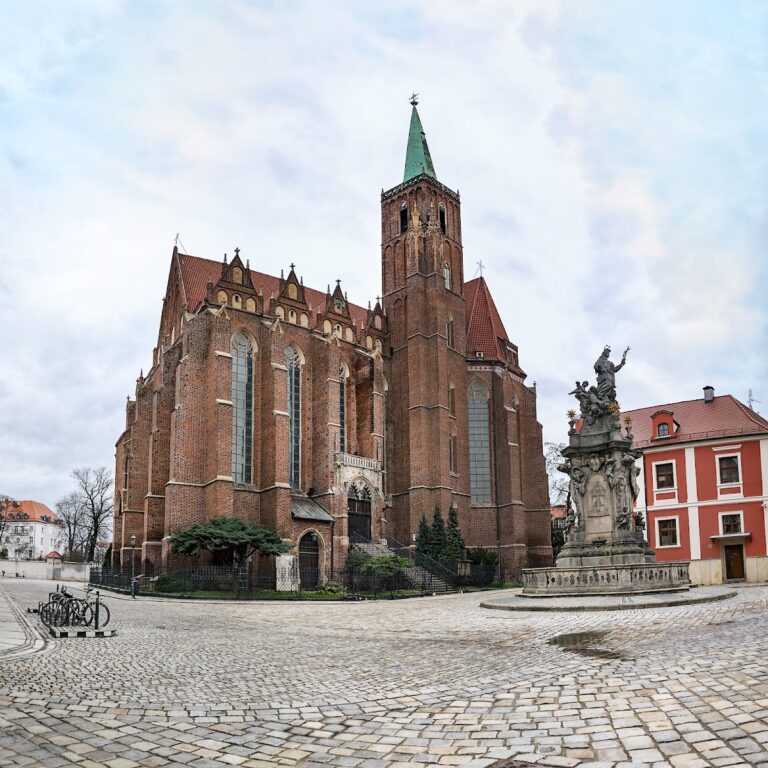
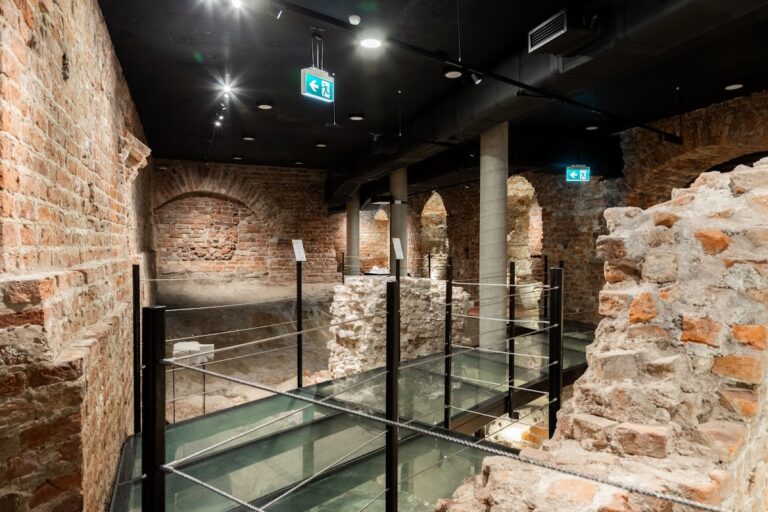
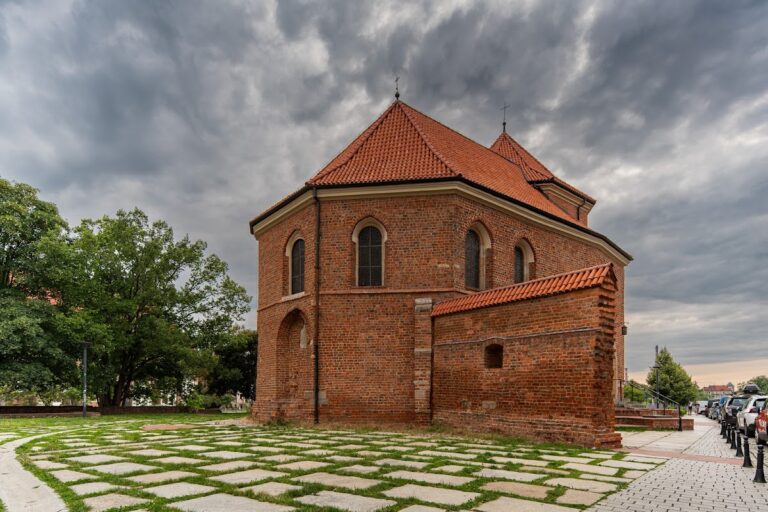
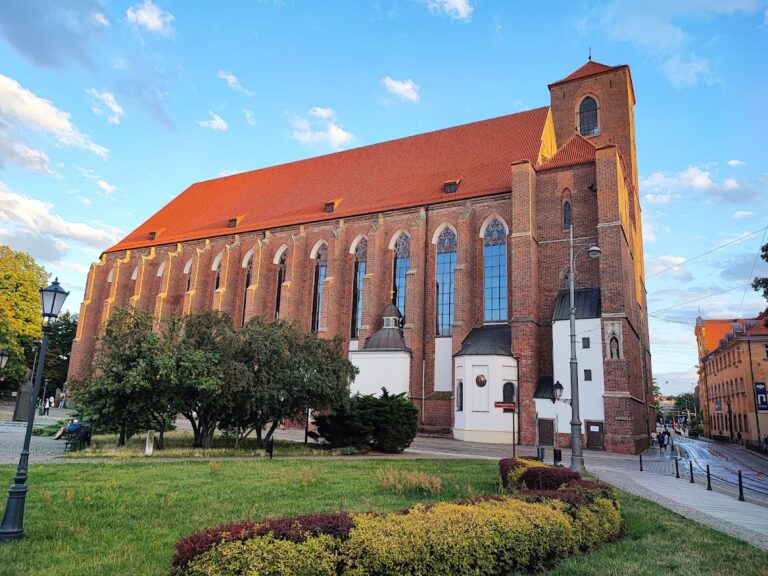
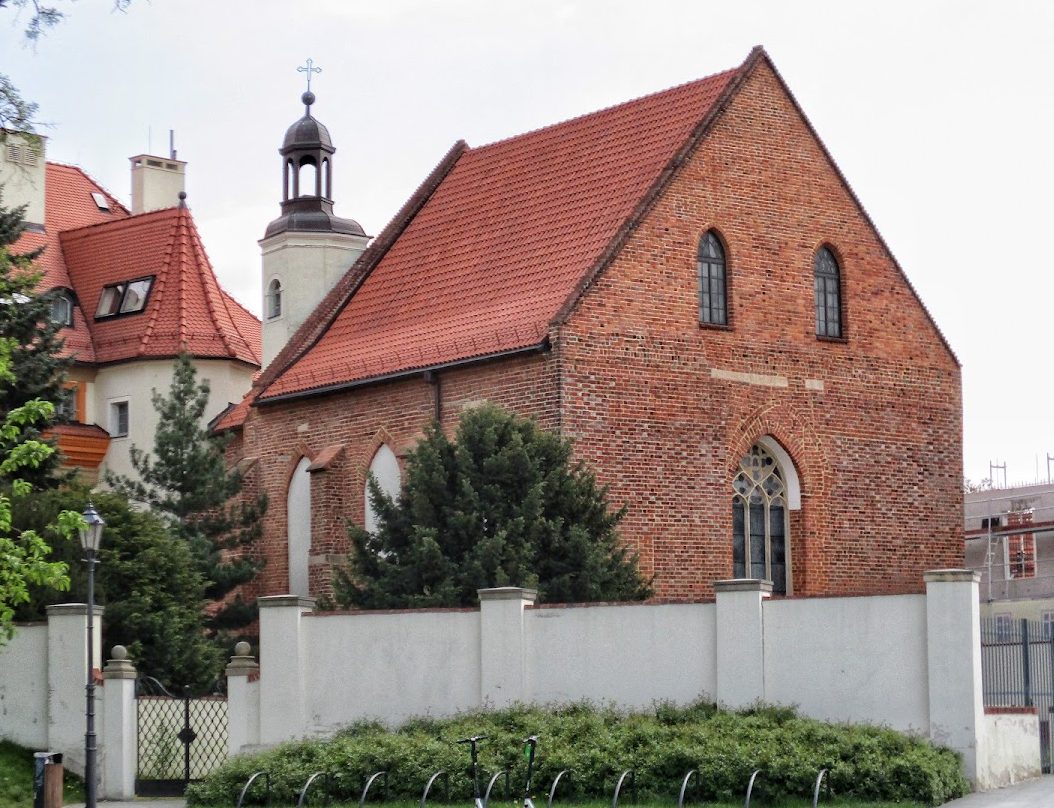
St. Peter and Paul is a Roman Catholic church in Wrocław, Poland, dedicated to the Apostles Peter and Paul. The present Gothic brick building replaced a twelfth-century Romanesque church on the same site. Construction began with the presbytery in 1404 and was completed with the nave in 1454.
Medieval church and Capuchin use
The church formed part of the religious landscape of Cathedral Island and belonged to the parish of St. John the Baptist. From 1666, it belonged to the Capuchin monastery in Breslau, the historical German name for Wrocław. The Capuchins, a branch of the Franciscan order associated with communal religious life, preaching, and simplicity, held services and preached in the church. Government-led secularization later dissolved the monastery and transferred or suppressed its church institutions and property.
Fires and changing forms
A major fire on Cathedral Island in 1634 destroyed the church’s roof and vaults. The roof and vaults were rebuilt in 1667 in the Baroque style, an early-modern approach known for elaborate ornament and spatial effects. The rebuilding omitted the original central pillar, and the interior received Baroque decoration. Another fire affected the church in 1791, after which repairs were carried out soon afterward.
During the Napoleonic Wars, the church served in 1813 as a hospital for French prisoners of war. Its interior was renovated and remodelled in the Neo-Gothic style in 1884, reviving medieval Gothic forms and decoration. In 1927, a direct passage was opened between the church and the adjoining boarding institution.
War damage and postwar reconstruction
The church suffered severe damage in 1945, when about 40 percent of the building was affected, including the loss of its roof and vaults. Reconstruction in 1952–1953 partly restored its Gothic character, although the accuracy of the rebuilding, especially the western gable, remains disputed. Postwar organs built by Theodor Böhme are used by the Metropolitan Organist Study Centre. In 1963, a stone statue of Saint Peter was moved from the nearby Church of Our Lady on Sand Island to the church’s eastern garden.
Remains
St. Peter and Paul stands in the southwestern part of Wrocław’s Cathedral Island, beside Tumski Bridge and along Katedralna Street. It is an oriented church, aligned on a traditional longitudinal axis with the sanctuary toward the east. The brick building is approximately 14 metres wide and 24 metres long, with its longer side facing Katedralna Street. Its surviving and reconstructed fabric brings together the medieval Gothic structure, Baroque rebuilding after the seventeenth-century fire, and Neo-Gothic interior work from the nineteenth century.
Church building
The presbytery, the part surrounding the main altar and reserved for the clergy, partly adjoins the later Orphanotrophaeum, an orphanage built between 1702 and 1715 for children of the nobility and later converted into a boarding institution. The original nave had a vault supported by a central pillar. The postwar rebuilding recreated a ribbed-vaulted nave and introduced a rebuilt stone pillar approximately 0.5 metres in diameter. The roof and vaults reflect the building’s repeated reconstruction after fire and wartime destruction.
Garden statue and organs
The eastern garden contains a stone statue of Saint Peter transferred there in 1963 from the Church of Our Lady on Sand Island. The church also retains postwar organs built by Theodor Böhme, which serve the work of the Metropolitan Organist Study Centre.