Štěnovice Castle: A Baroque Aristocratic Residence in Czechia
Site at a Glance
- Rating
- 4.5
- Popularity
- Very Low
- Country
- Czechia
- Primary era
- Early Modern
- External website
- Open
- Eras represented
- Early Modern
- Civilizations
- Habsburg, Holy Roman Empire, Kingdom of Bohemia
- Site type
- Domestic
- Remains
- Castle
On this page7 sections
History
Medieval and Renaissance predecessors
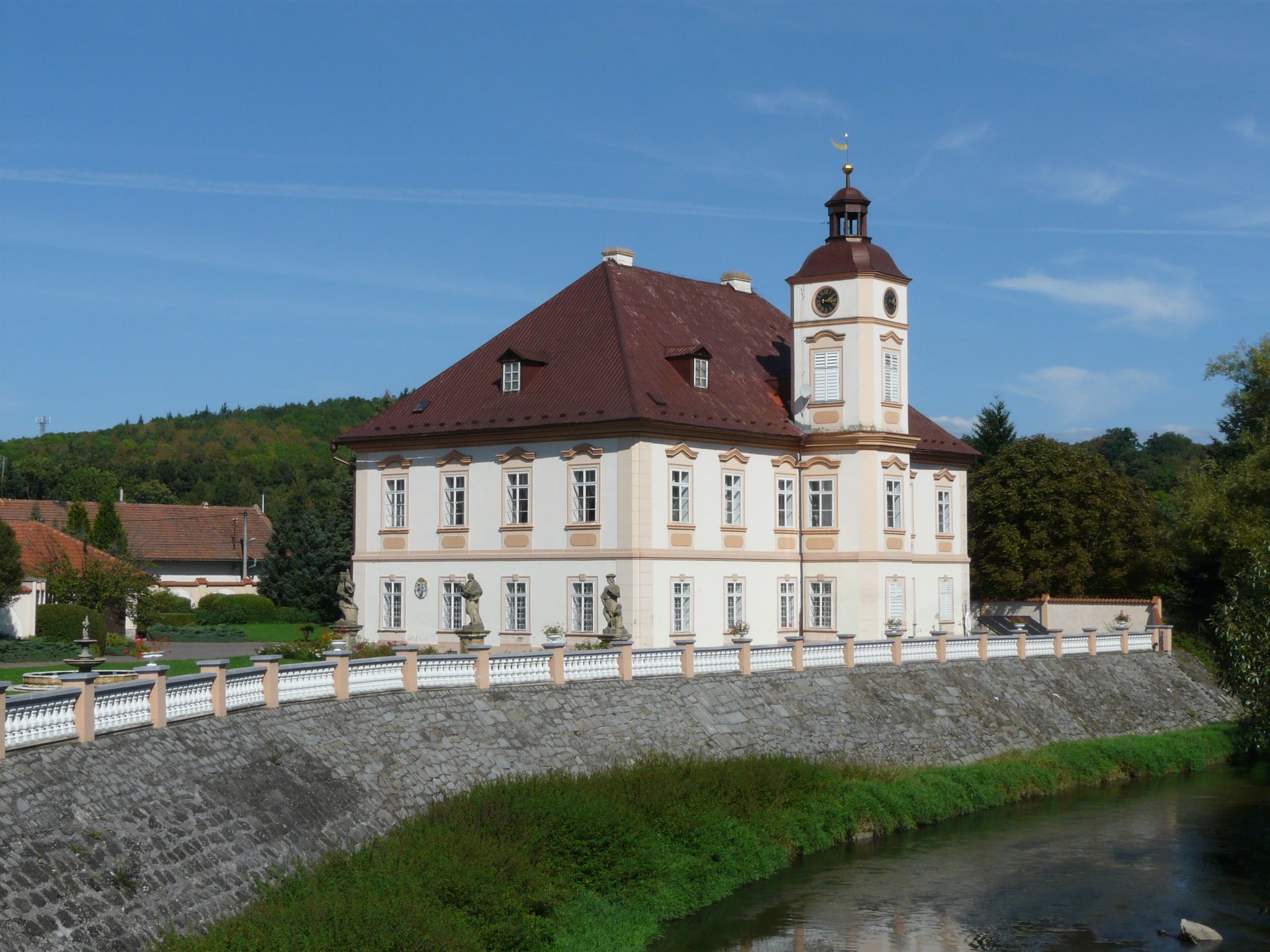
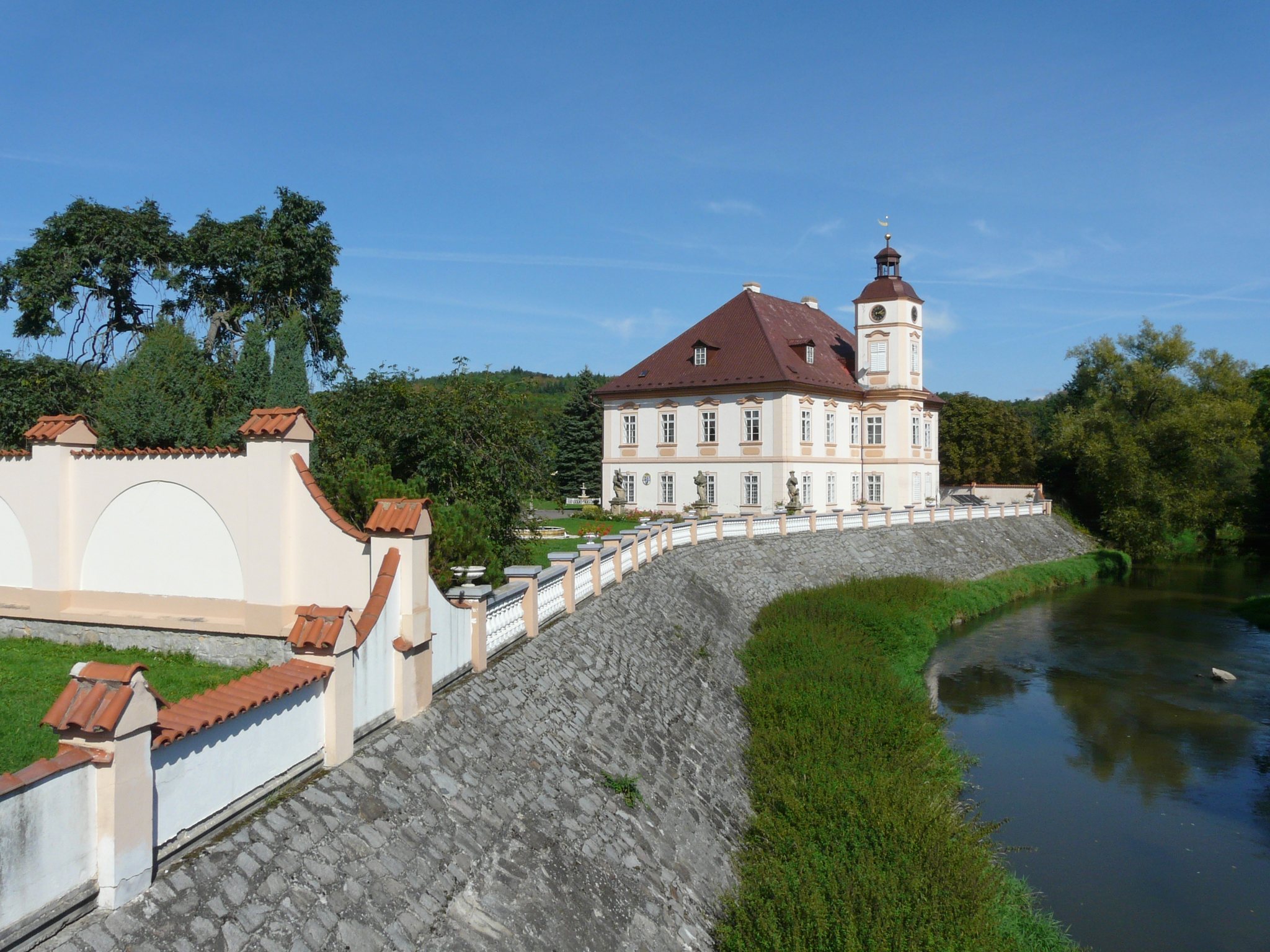
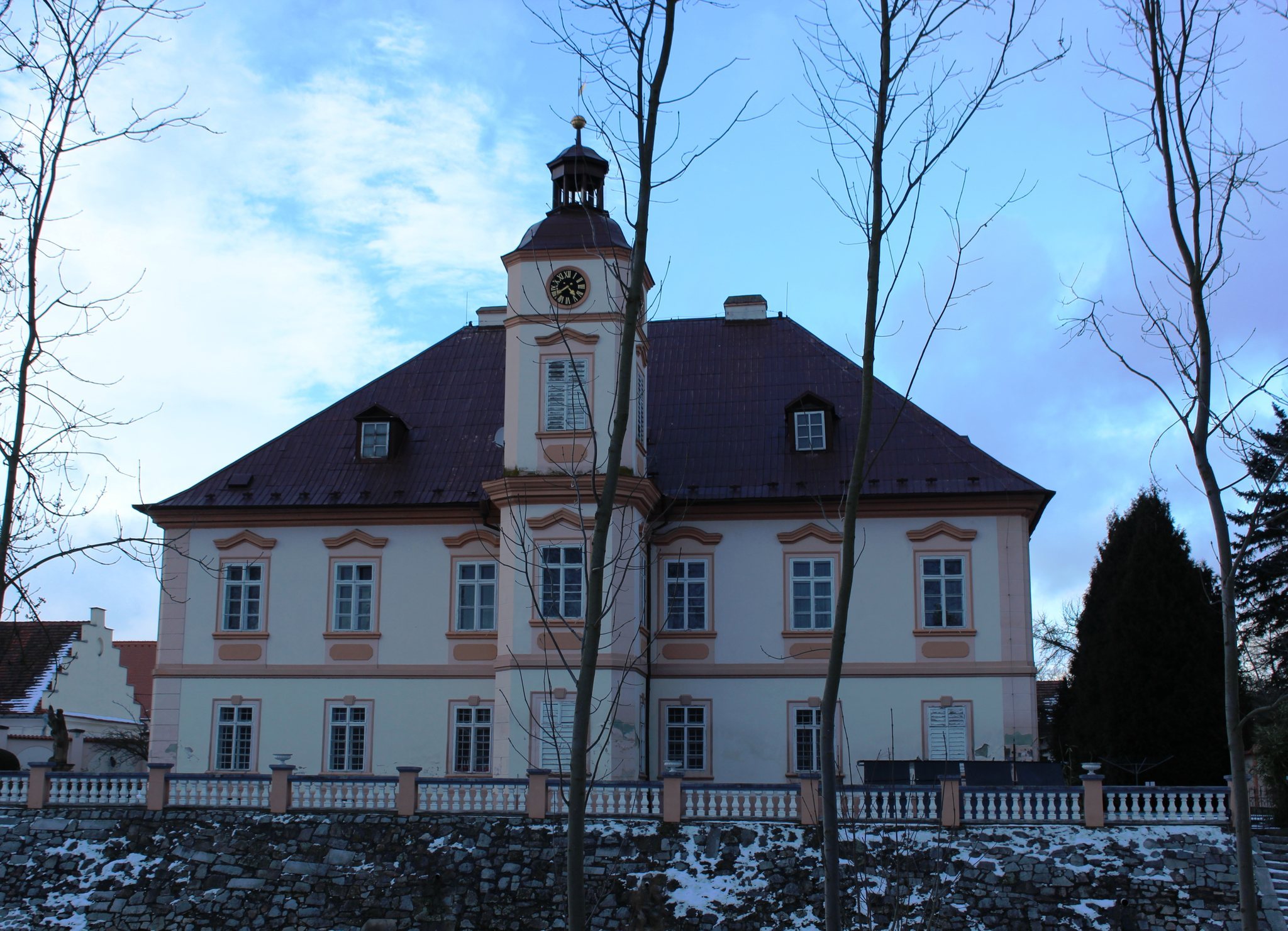
Štěnovice Castle is a Baroque aristocratic residence in Czechia, built around 1723 on the left bank of the Úhlava River in Štěnovice. It replaced earlier noble residences on a site whose history reached back to an early medieval hillfort. The earliest recorded lordly residence was a fourteenth-century fortified manor house on a promontory above the confluence of the Úhlava and Losinský Brook.
During the first half of the sixteenth century, that building was replaced by a Renaissance fortified manor house, meaning a defended noble residence from the period that followed the medieval era and preceded the Baroque age. It probably stood on the site of the later farmyard, although its exact location is unknown.
The Baroque castle and its owners
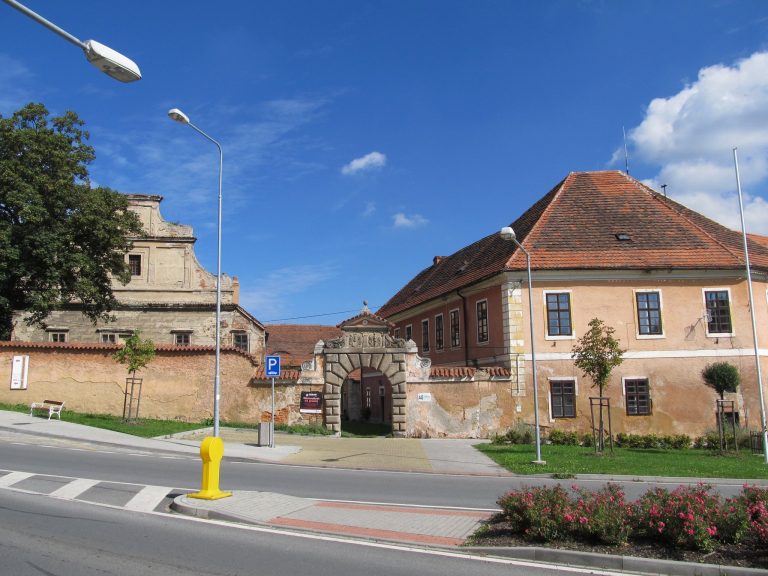
The Baroque castle was constructed around 1723 in the then-renovated Štěnovičky. Tradition names Anna Dorota of Schirnding as its founder, while an inscription on the entrance portal names Marie Rozina of Schirnding, née Vinkler of Heimfeld. Marie Rozina probably inherited the village from Anna Dorota. The design of the portal has led to the castle being attributed to the architect Jakub Auguston the Younger.
Marie Rozina retained the estate until about 1738, when it passed to Countess Terezie Pötting, née Michna. In 1788, Count Karel Michna of Vacínov owned an estate that included Štěnovice, Čižice, and Štěnovický Borek. Matyáš Leština later bought the estate and died in 1809. His son Karel inherited it, then sold Štěnovice in 1834 to Baron Vojtěch Mladota of Solopisk.
Ferdinand of Weissenbach became owner in 1840 and died two years later. His widow, Countess Antonie Weissenbach, née Trauttmansdorf, retained the estate until 1851, when Baron Antonín Starck bought it. After Starck, ownership passed by inheritance to Ludvík Fritsch, a doctor of law.
Twentieth-century administration
Šebestián Klička became owner in 1899, followed by Antonín Veltrubský of Veltruby in 1913 and Josef Vykoukal in 1915. Josef’s sons, Jaroslav and Karel, jointly managed the estate until 1945, and Karel Vykoukal became its sole owner in 1946.
In 1948, the castle became the seat of the local National Committee, a local administrative body used in Czechoslovakia during the Communist period. It continued to house municipal administration until 1991, when the municipal authority transferred it to Jaroslav Vykoukal, the son of the last owner. Štěnovice Castle is now privately owned and protected as a cultural monument of the Czech Republic.
Remains
Castle building
Štěnovice Castle is a rectangular, one-storey Baroque building with rounded corners. Its façades are arranged on seven window axes on one side and four on the other, with window axes indicating the vertical lines used to organize windows across a façade. A prismatic clock tower rises from the longer side facing the river.
The ground floor contains barrel vaults with lunettes, the semicircular sections created where a smaller vault or opening intersects a larger barrel vault. A fresco by F. J. Luxe survives in the entrance hall of the former chapel, preserving part of the building’s interior decoration.
Park sculptures
Three Baroque statues stand in the park beside the castle’s left wall. They depict Saint Florian, Saint Joseph, and Saint Ivo, and date from 1723 to 1725. Their pedestals carry an alliance coat of arms combining the Schirnding and Winkler families, together with the date 1723.