St. Nicholas Monastery, Myltsi: An Orthodox Monastic Complex in Ukraine
Site at a Glance
- Rating
- 4.9
- Popularity
- Low
- Country
- Ukraine
- Primary era
- Early Modern
- Eras represented
- Early Modern, Modern
- Civilizations
- Grand Duchy of Lithuania, Polish–Lithuanian Commonwealth, Russian
- Site type
- Religious
- Remains
- Monastery
On this page14 sections
History
St. Nicholas Monastery, Myltsi, is an Orthodox male monastery in Ukraine, in the Volhynian region near the village of Myltsi. Tradition attributes its foundation to monks from the Trinity Monastery at Verbka. Written references from 1522 and 1532 show that the monastery was already established in the early sixteenth century, with the earlier record describing it as a family foundation of the Sangushko princely house.
Foundation and Sangushko patronage
Prince Theodore Sangushko strengthened the monastery around 1540–1542 by building a stone Church of St. Nicholas for the monks. He also endowed the community with landed property and issued a charter confirming those lands on 23 May 1542. The Sangushko family, a princely Ruthenian-Lithuanian dynasty, continued to support the monastery through later generations.
The monastery remained within the Orthodox Church until either 1656 or 1707, when it entered the Union. This ecclesiastical union brought communities following the Eastern Christian rite into communion with the Roman Catholic Church while allowing them to retain their Eastern liturgy. Monks who rejected the change reportedly moved to the Kyiv Cave Monastery. In 1713, higher Uniate authorities renamed the institution the Myltsi abbey.
Schools and restoration of Orthodox rule
From 1833, under Varlaam Yaskulsky, the monastery operated both a theological school and a parish school. In 1839, the monastery and its educational institutions were transferred back to the Orthodox Church. Yaskulsky became the last Uniate superior and the first superior of the restored Orthodox monastery.
A staffing regulation issued in 1842 classified Myltsi as a first-class monastery. It provided for an abbot or archimandrite, a deputy superior who was a hieromonk, eight other hieromonks, four hierodeacons, three monks, five novices, and 24 servants. A hieromonk was a monk ordained as a priest, while a hierodeacon was a monk ordained as a deacon. The brotherhood numbered 42 men in 1914.
War, interwar administration, and closure
The monastery suffered serious damage during the First World War, and its monks were evacuated in 1915. They returned in 1921. During the interwar period, when Myltsi lay within Poland, the monastery first belonged to the Volhynian Diocese and, from 1927, to the Pinsk-Polesia Diocese of the Polish Autocephalous Orthodox Church, the self-governing Orthodox church established for Orthodox communities in interwar Poland.
Its landed property was disputed with local authorities throughout these years, contributing to the monastery’s position as one of the poorest in that church. For a period, it also housed monks whom church authorities considered insubordinate, including Bishops Panteleimon Rozhnovsky and Antoni Marchenko.
Soviet authorities closed the monastery after the Second World War. The buildings were successively used for an agricultural school and a residential institution for elderly and disabled people. Worship continued only at the cemetery Church of St. Onuphrius, which functioned as a parish church.
Revival after 1993
A monastic community was re-established on 24 November 1993 in buildings returned to the Church, on the initiative of Bishop Nifont Solodukha. Its members also cared for residents of the former institution. The Holy Synod of the Ukrainian Orthodox Church formally reopened the monastery on 8 March 1994, and its revival was completed later that year. The Church of St. Onuphrius subsequently became attached to the monastery.
Since 2001, Myltsi has had a dependent skete of the Nativity of St. John the Baptist at Verbka. A skete is a smaller monastic settlement associated with a larger monastery. It was founded on the site of the former Trinity Monastery, traditionally regarded as the source of the monks who established Myltsi. In 2005, the restored Church of St. Nicholas was reconsecrated.
Remains
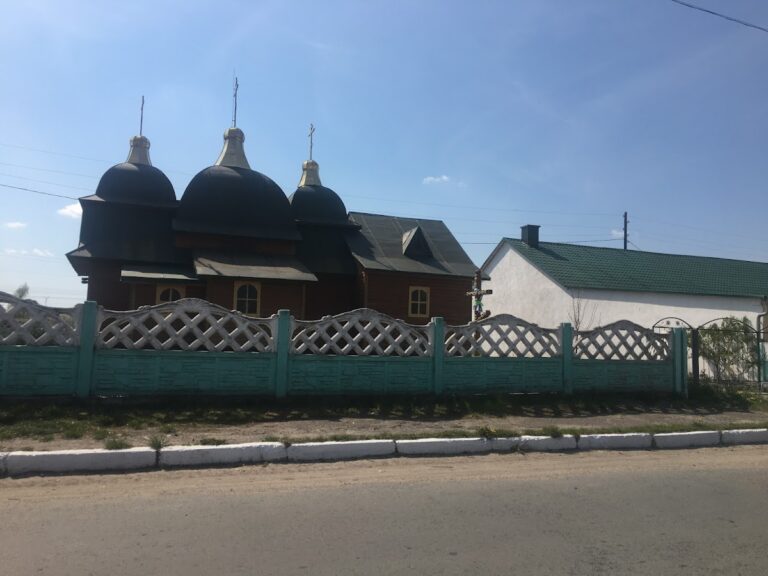
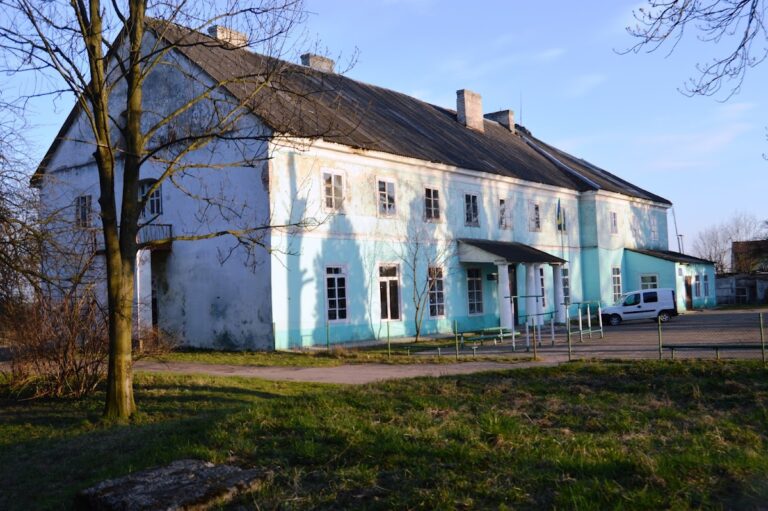
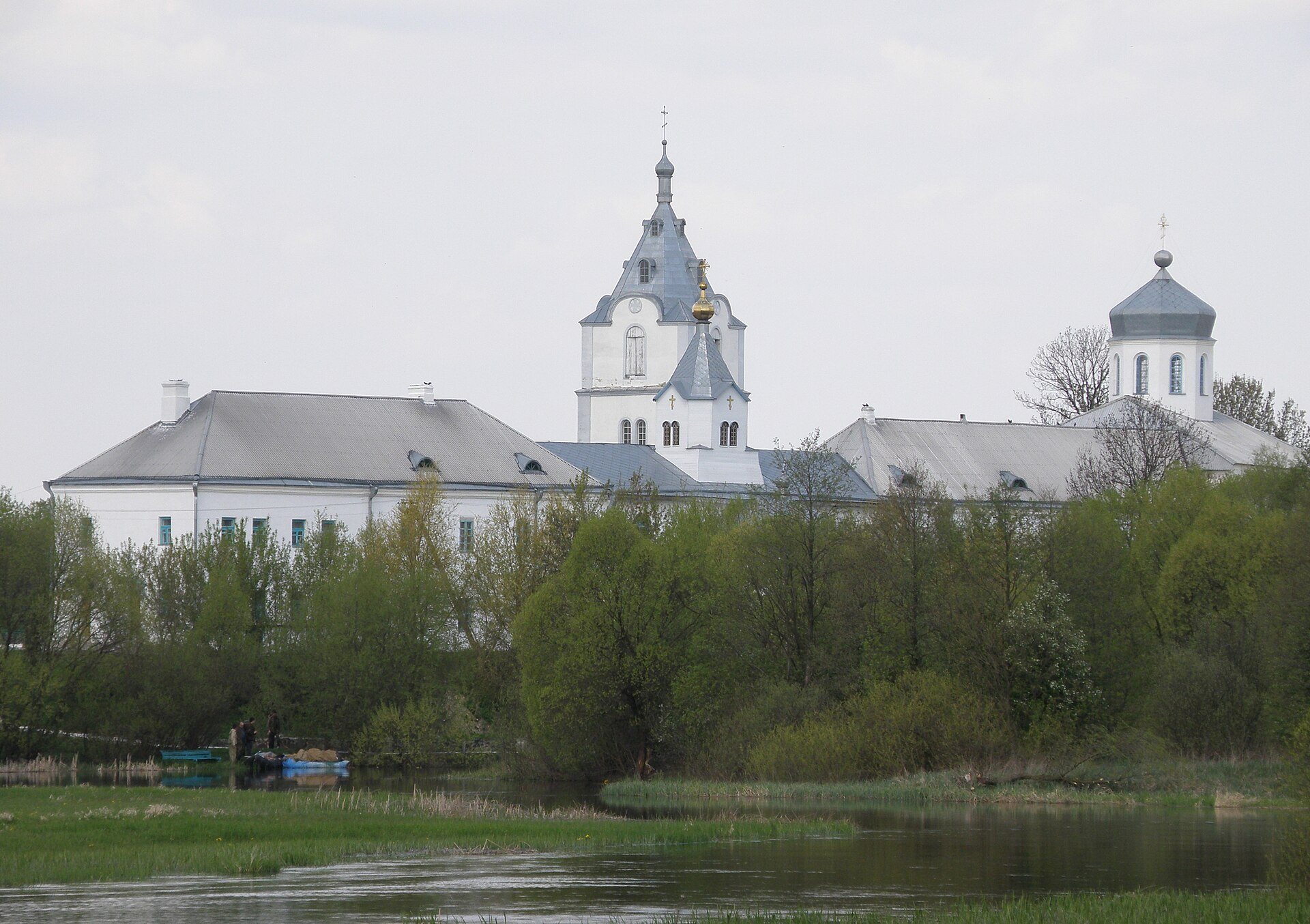
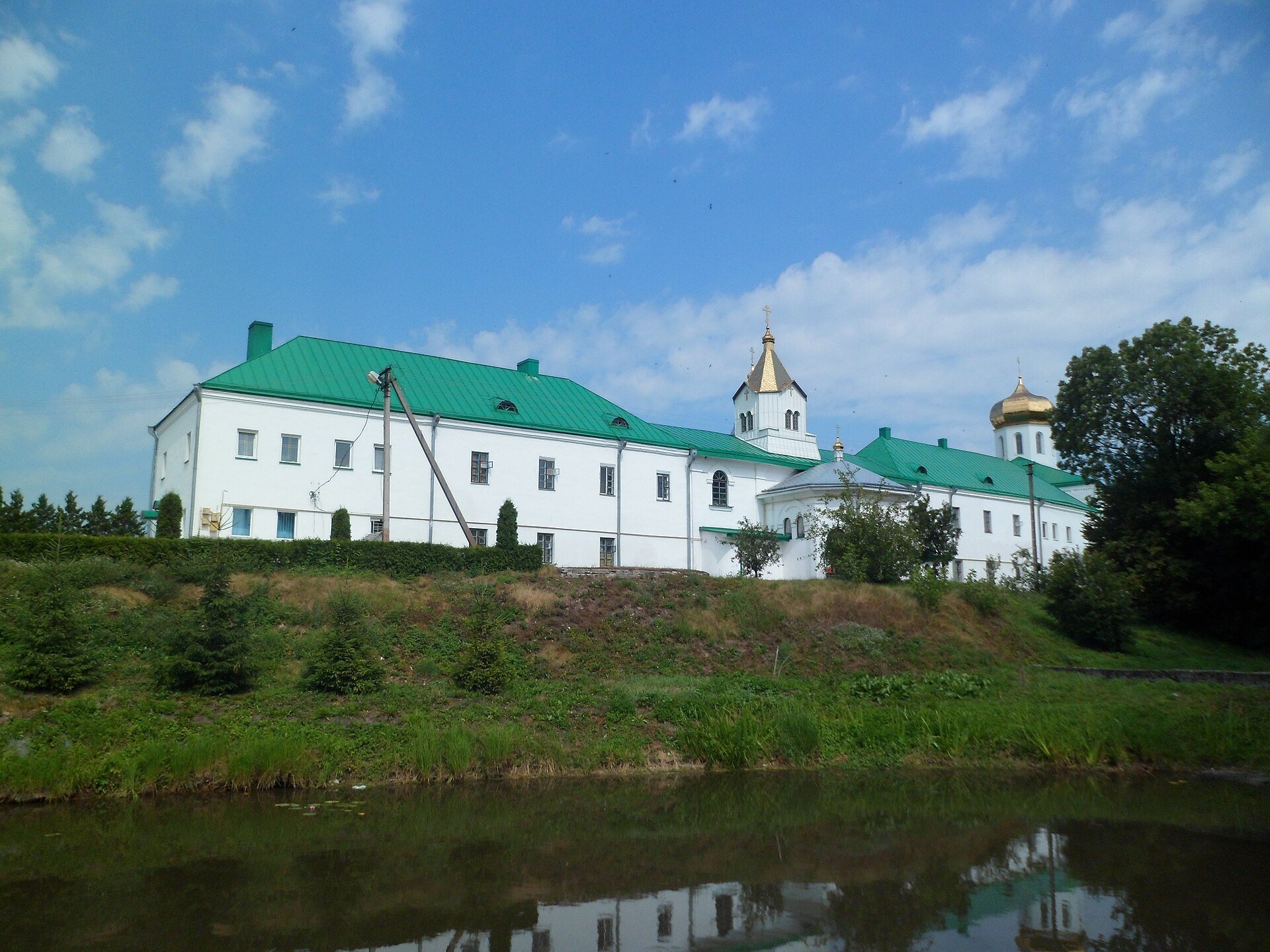
The monastery complex comprises the Church of St. Nicholas, a brotherhood building containing the heated Church of the Transfiguration, a bell tower with the entrance gate, the superior’s house, and utility and auxiliary buildings. The monks’ cells and related buildings date from the late eighteenth century, while the superior’s house adjoins them on the northwestern side and was rebuilt at the turn of the nineteenth and twentieth centuries.
Churches and central buildings
Church of St. Nicholas
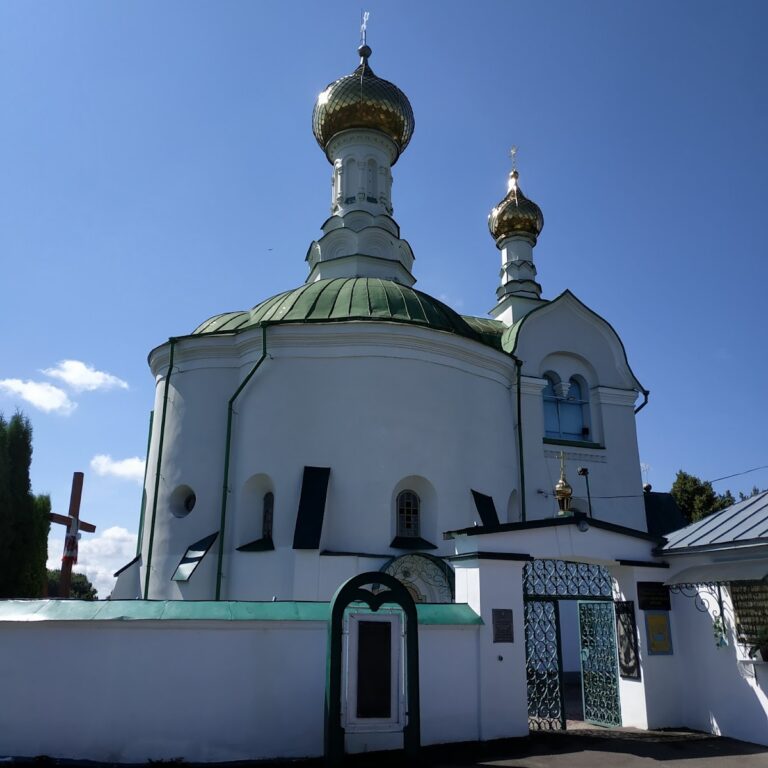
The stone Church of St. Nicholas was erected in 1542 with the support of Prince Theodore Sangushko. It was enlarged during the seventeenth and eighteenth centuries. Its principal dome was removed in the 1950s or 1960s, when the building was adapted for secular use, and was restored after monastic life resumed. The church was reconsecrated in 2005.
Brotherhood building and Church of the Transfiguration
The brotherhood building contains the heated Church of the Transfiguration. Constructed around 1855 in the Byzantine style, it was originally dedicated to St. Alexander Nevsky. The church was later rededicated to the Transfiguration.
Bell tower and entrance gate
The bell tower stands west of the Church of St. Nicholas and incorporates the entrance gate to the monastery grounds.
Cells and superior’s house
The monks’ cell buildings belong to the late eighteenth century. The superior’s house is attached on their northwestern side and took its present form after rebuilding at the turn of the nineteenth and twentieth centuries.
Cemetery church
Church of St. Onuphrius the Great
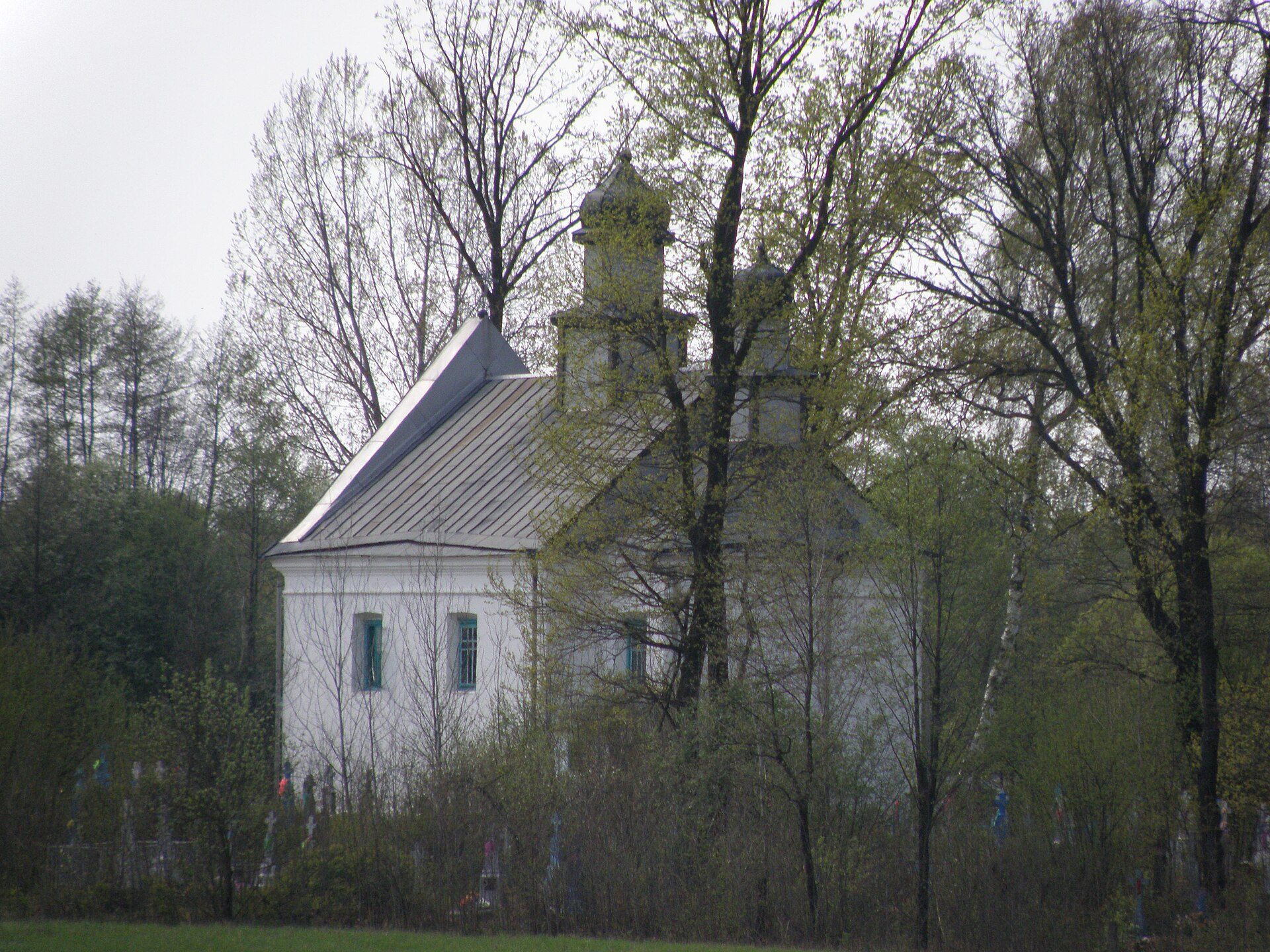
The Church of St. Onuphrius the Great stands in the cemetery about one kilometre south of the monastery. The brotherhood built it as a chapel in 1723. It underwent major repairs during the eighteenth century, and in the nineteenth century its apse and the central part of its roof were each crowned with a wooden dome. After the monastery’s postwar closure, it continued to serve as a parish church before becoming attached to the revived monastery.
Sacred objects
The monastery’s sacred objects include an icon of St. Nicholas of Myra and a cross containing a particle of his relics.