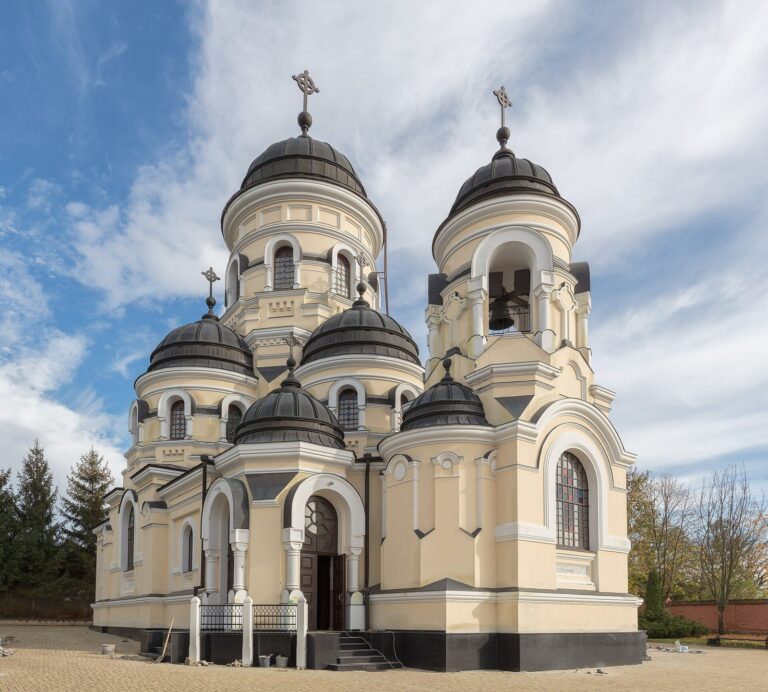
St Nicholas Church in Holercani: An Orthodox Church in Moldova
Site at a Glance
- Popularity
- Very Low
- Country
- Moldova
- Primary era
- Modern
- Eras represented
- Modern
- Civilizations
- Russian
- Site type
- Religious
- Remains
- Church
On this page7 sections
History
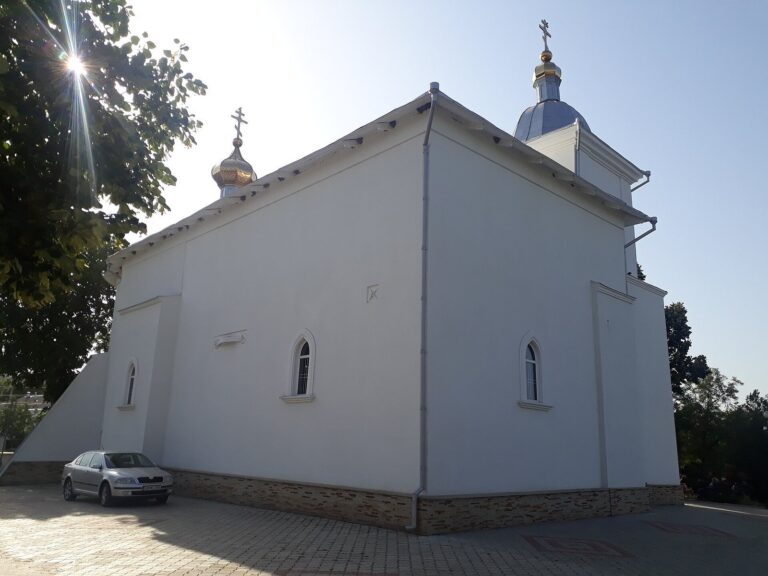
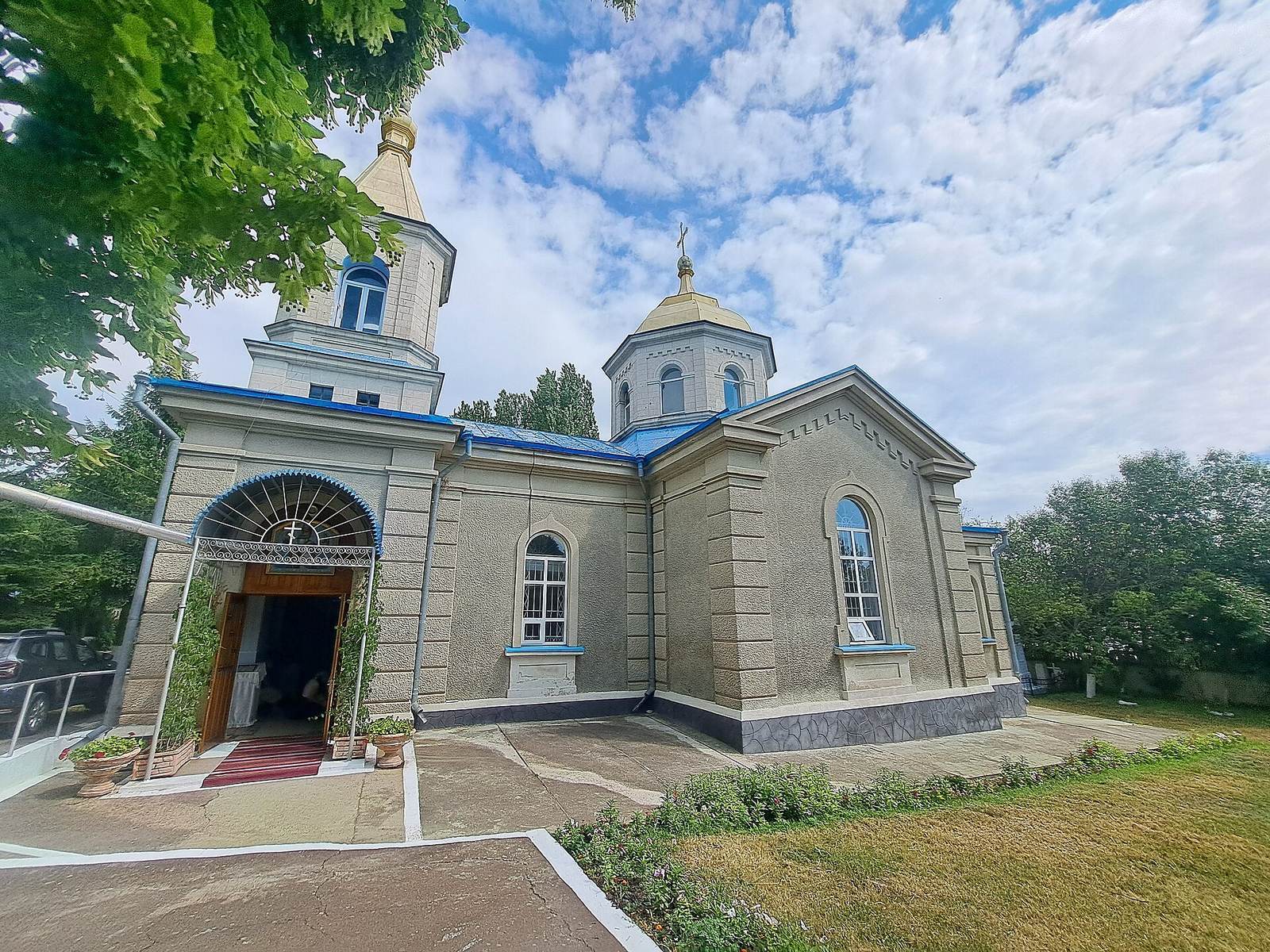
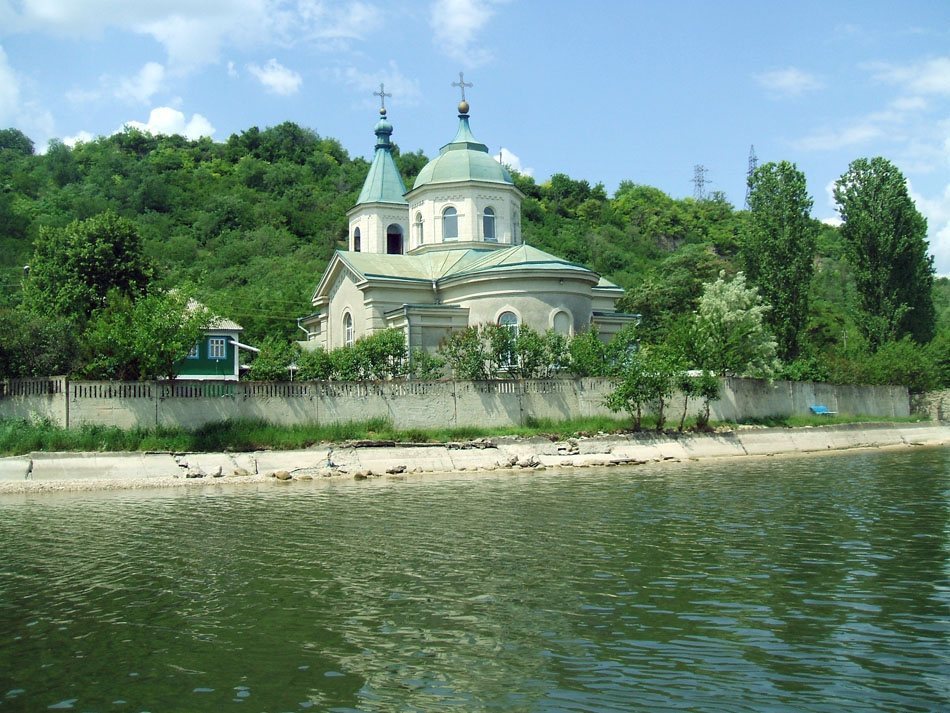
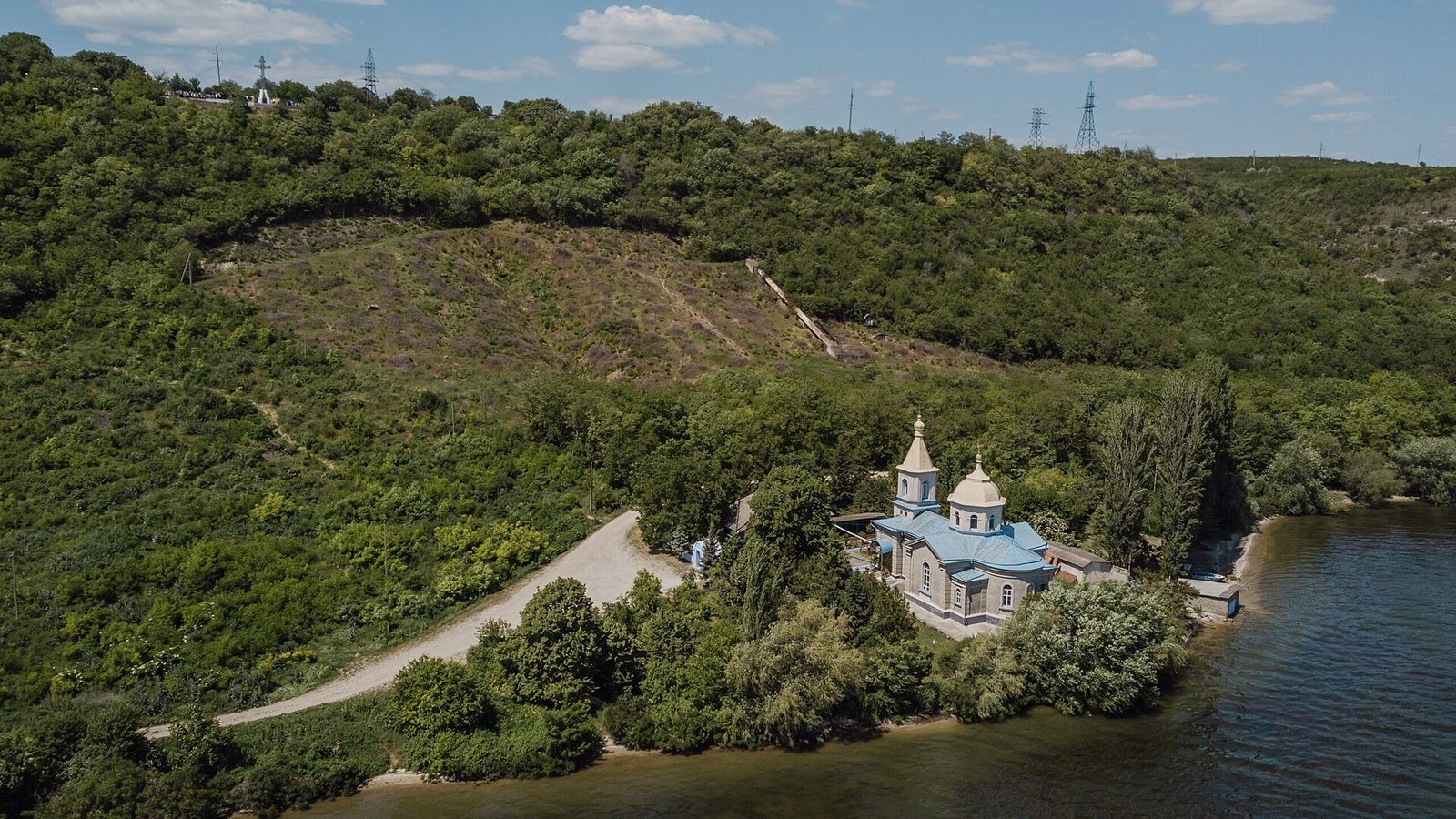
St Nicholas Church in Holercani is an Orthodox church in Dubăsari District, Moldova, built in 1895. It was established through the efforts of local residents, with financial support from church authorities and monastery estates.
Construction and parish life
In 1894, the Holy Synod, a governing council within an Orthodox church, allocated 6,000 rubles for the project. Funds also came from income generated by estates belonging to foreign monasteries. In 1905, nine local families contributed 693 rubles for icons and church furnishings. The Synod set aside a further 4,300 rubles for repairs in 1912.
Renewal and later use
After renovation and repairs in 1935, priests from Chișinău, Molovata, Pojoreni, Trebujeni, Vășcăuți, Răculești, and Holercani gathered for the church’s consecration on 22 May. Soviet authorities closed the church in 1959, and it reopened in 1990.
The church is affiliated with the Moldovan Orthodox Church and the Chișinău Diocese, a regional church jurisdiction. It now functions as the St Nicholas skete, a small religious community associated with a larger monastery, of St Theodore Tiron Monastery in Chișinău. Its patronal feast is observed on 9 May. Moldova lists the church as a national architectural monument, under register entry 420 for Dubăsari District.
Remains
A stone wall encloses the grounds, which contain the church joined to a bell tower and a separate courtyard building. The church and tower are stone structures; the church roof and the courtyard building’s roof are covered with metal sheets.
Church and bell tower
Church
The church stands on a stone foundation and is dedicated to Saint Nicholas the Wonderworker, an honorific for the widely venerated Eastern Orthodox saint. Work carried out in 1913 gave the building a new floor, fitted metal grilles to its windows, laid stone paving around it, and gilded its crosses.
Bell tower
During the 1913 repairs, the tower’s stone cross vault, a ceiling formed by intersecting arches, was dismantled. A doorway was cut through the tower wall to connect it to a newly built choir loft, a raised gallery for singers.