St James’ Church, Cooling: A Medieval Anglican Church
Site at a Glance
- Rating
- 4.8
- Popularity
- Low
- Country
- United Kingdom
- Primary era
- Medieval
- Eras represented
- Medieval, Early Modern, Modern
- Civilizations
- British, English
- Site type
- Religious
- Remains
- Church
On this page9 sections
History
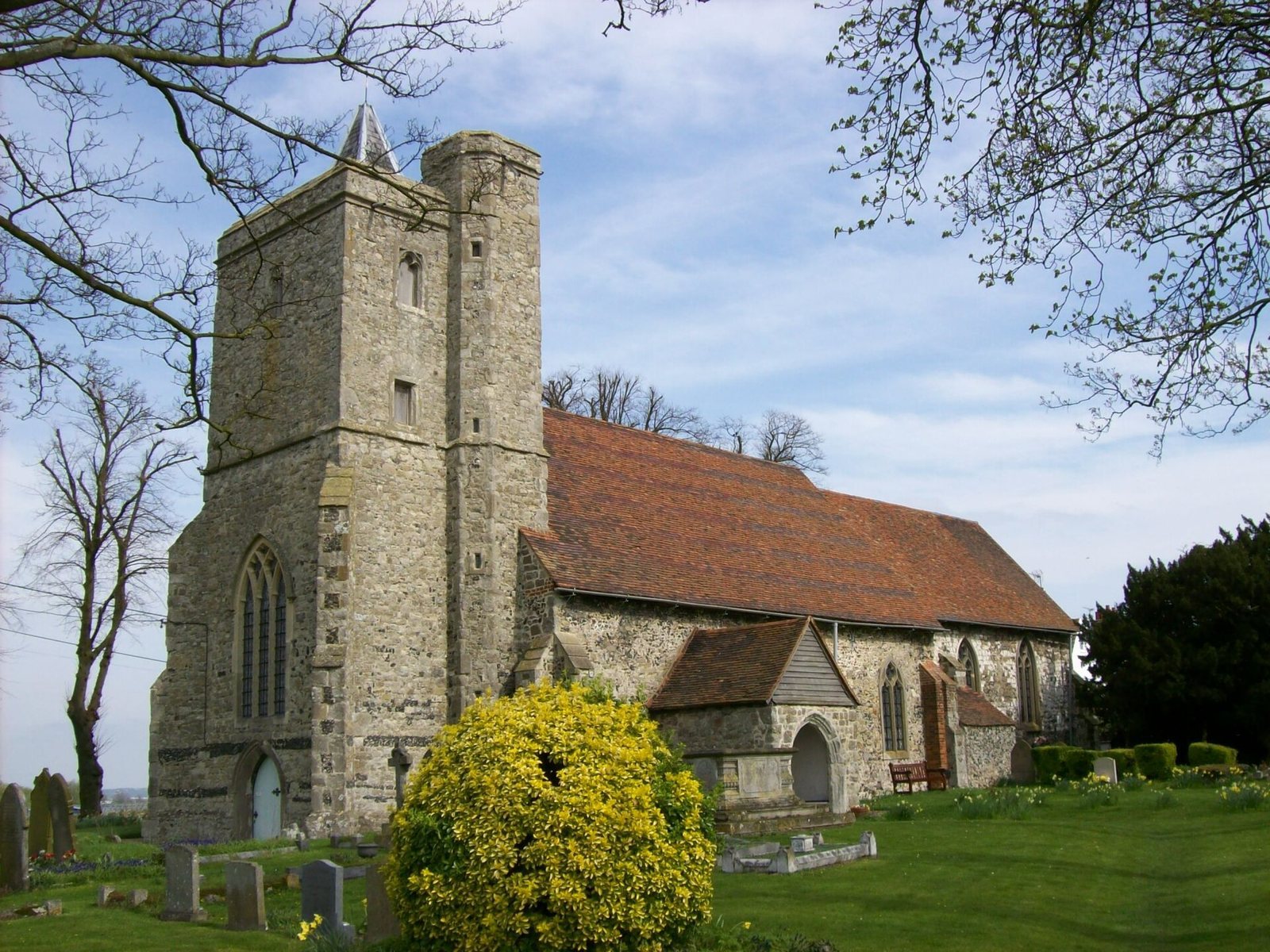
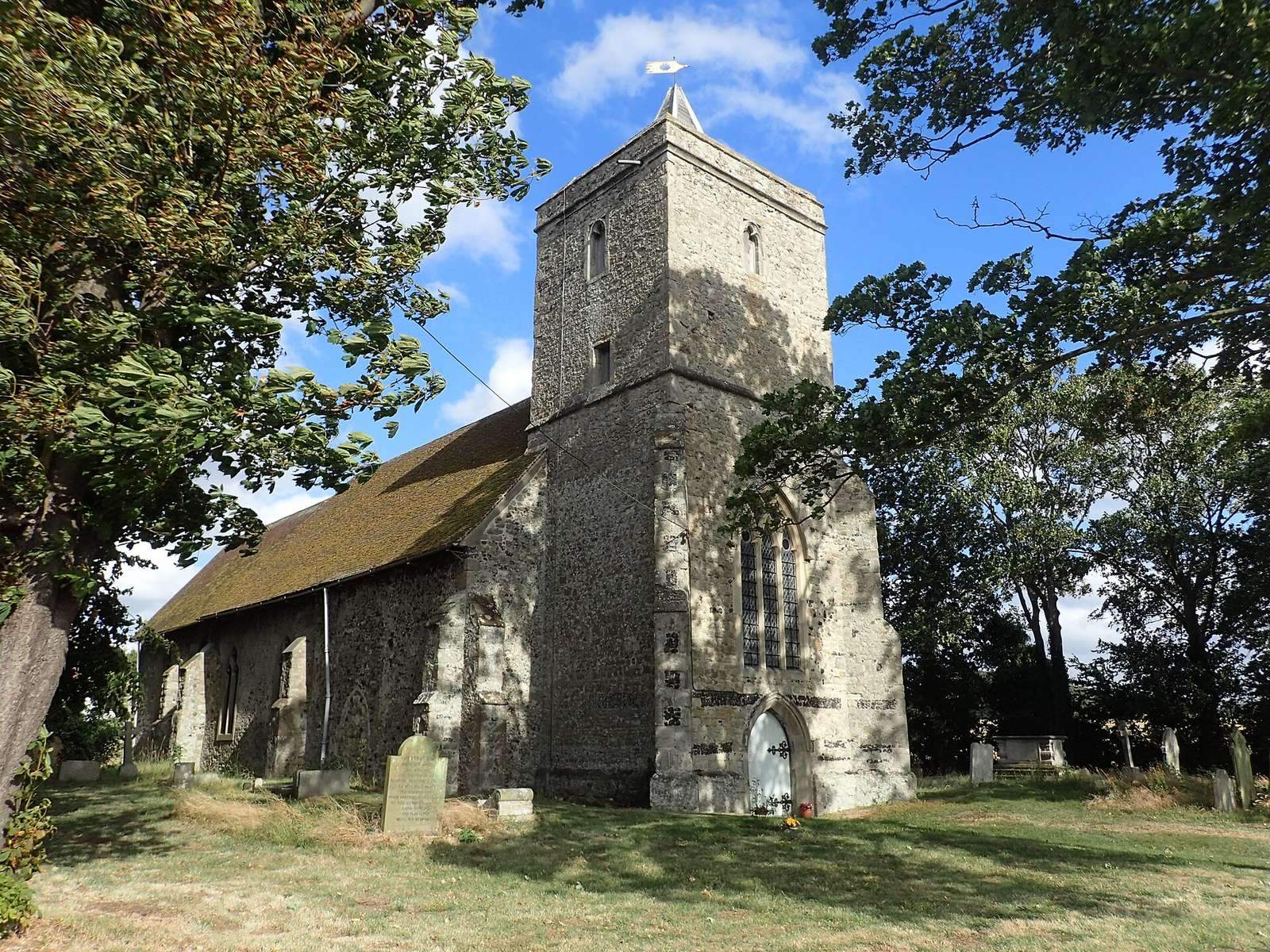
St James’ Church, Cooling, is an Anglican Gothic church on the Hoo Peninsula in the United Kingdom, about six miles (10 km) north of Rochester. Founded in 1250 and dedicated to Saint James the Greater, one of Jesus’ apostles, it was built from the 13th century into the 14th. Gothic is a broad style of medieval architecture. The churchyard inspired the opening chapter of Charles Dickens’s 19th-century novel Great Expectations, in which Pip meets the convict Magwitch.
Later changes and care
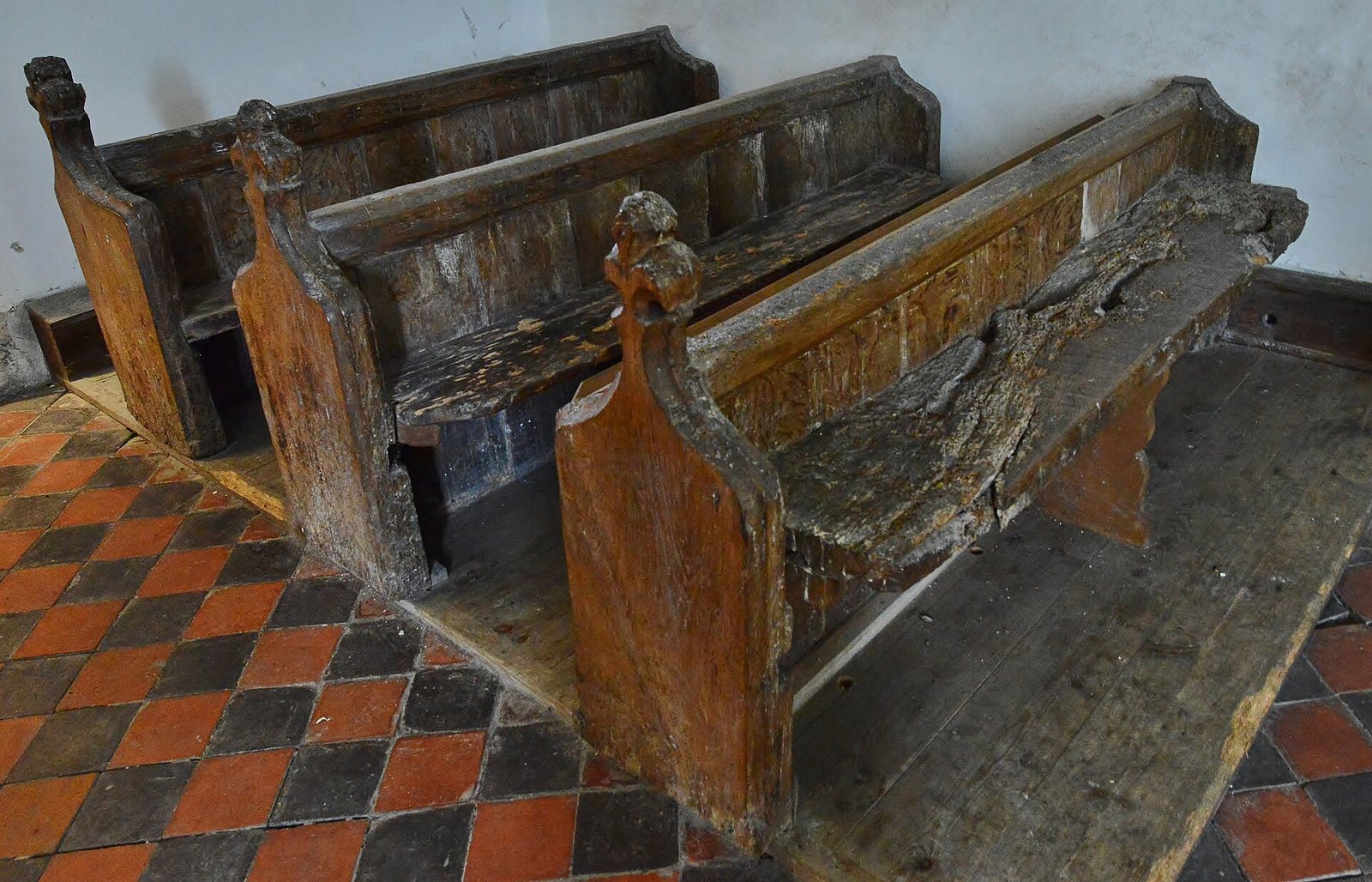
The upper part of the tower was added after the main construction and completed around 1400. During the 19th century, the church was restored, a vestry was added, and the porch was rebuilt. In 1869, the benches were replaced except for six at the west end.
On 21 November 1966, the church received Grade I listing, England’s highest category for buildings of exceptional architectural or historic interest. It was declared redundant on 19 November 1976, meaning it was no longer needed for regular worship, and passed to the Churches Conservation Trust on 31 May 1978. The Trust cares for historic churches no longer used for regular worship. A group called the Friends of St James’ Church now cares for the building.
Remains
Building and setting
The church’s plan consists of a nave with a south porch, a chancel with a south vestry, and a tower at the west end. It stands amid marshland between the church and the River Thames to the north. Ragstone, flint, and chalk form most of the building, with sandstone used in some repairs; the roofs are tiled. The nave windows date from the early 14th century, while those in the chancel are from the 15th. The north doorway is blocked, but its wooden door, about 500 years old, remains on its hinges and still swings.
Interior features
Chancel and furnishings
The chancel contains three sedilia, seats for clergy, and a double piscina, a basin used for washing vessels associated with the Eucharist. The square bowl of the 13th-century font rests on five piers, and the pulpit dates from the 18th century. Cockle shells line the vestry’s interior, reflecting their traditional association with Saint James. Clayton and Bell made the stained glass in the east window in 1897; it depicts the Ascension.
Benches and memorial slabs
Six benches at the west end probably date from the 14th century. Four memorial slabs are set into the nave floor. One bears the date 1611, while another commemorates Feyth Brook, who died in 1508. She was the wife of Thomas Brook, Lord Cobham, a title in the English peerage, who lived at Cooling Castle.
Organ and bells
The church has a one-keyboard organ, probably made around 1880 by A. Kirkland. Its three bells date from the 17th century and cannot be rung. One bears the inscription ‘MICHAEL DARBIE MADE ME 1651’ and is estimated to weigh 760 pounds (340 kg). An inspection in 2004 considered the bell frame possibly medieval, although it may instead be a 17th-century copy. Its fittings may date from 1675, when the youngest bell was made, and the bells themselves may be recastings of earlier bells. Although the bells have full wheels, they were probably never swung through a complete circle: the frame lacks stops to control their movement, and the floor-level pulleys are positioned in a way that supports this interpretation.
Churchyard
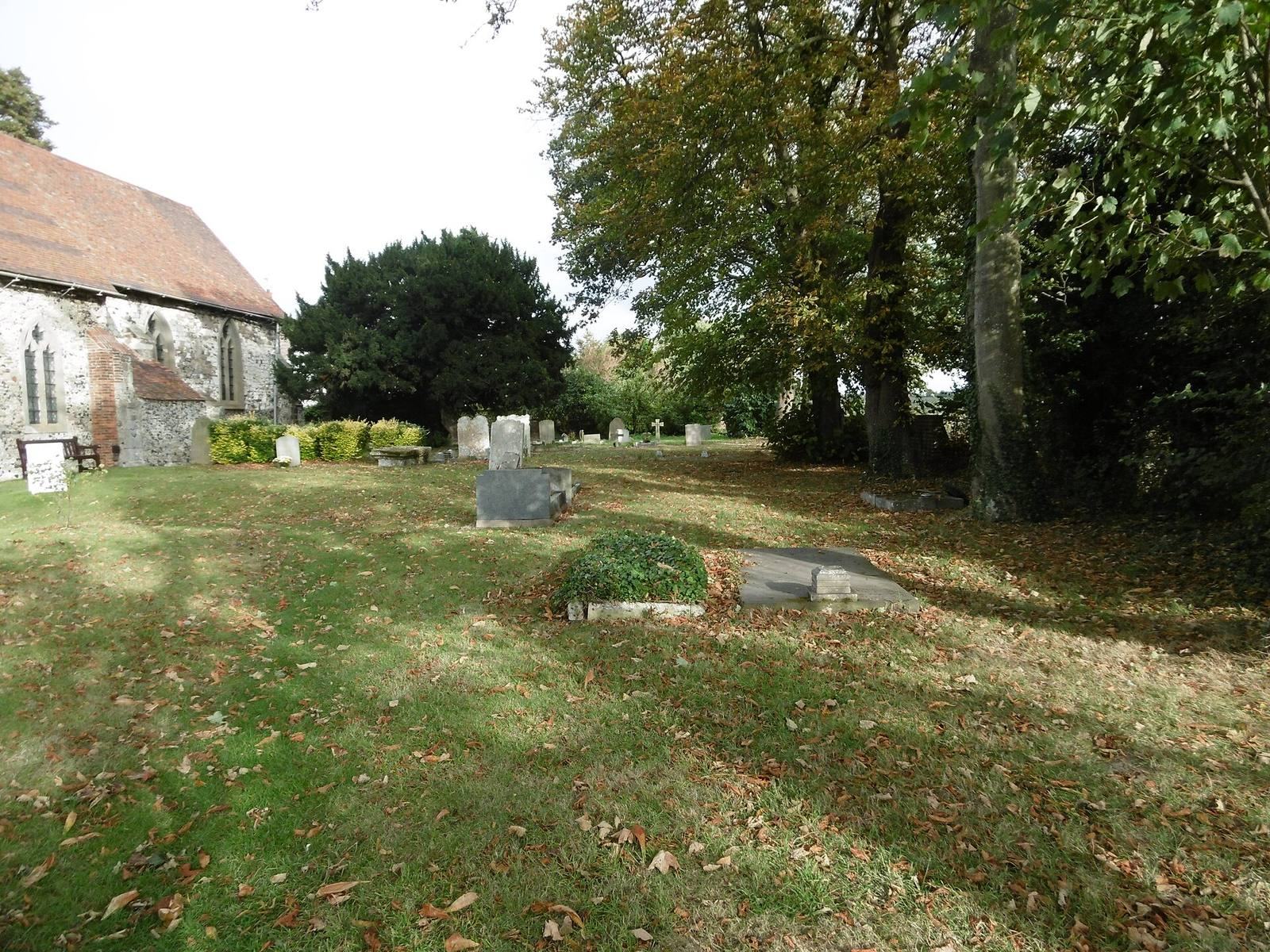
The churchyard contains a chest tomb from the early or middle 18th century and a row of 13 children’s gravestones, each about 18 inches (46 cm) long. The children’s graves are known as ‘Pip’s Graves.’