St. James and St. Clement Church in Brehna: An Evangelical Church Complex
Site at a Glance
- Popularity
- Medium
- Country
- Germany
- Primary era
- Medieval
- Eras represented
- Medieval, Early Modern, Modern
- Civilizations
- Electorate of Saxony, German, Holy Roman Empire, Kingdom of Prussia
- Site type
- Religious
- Remains
- Church
On this page10 sections
History
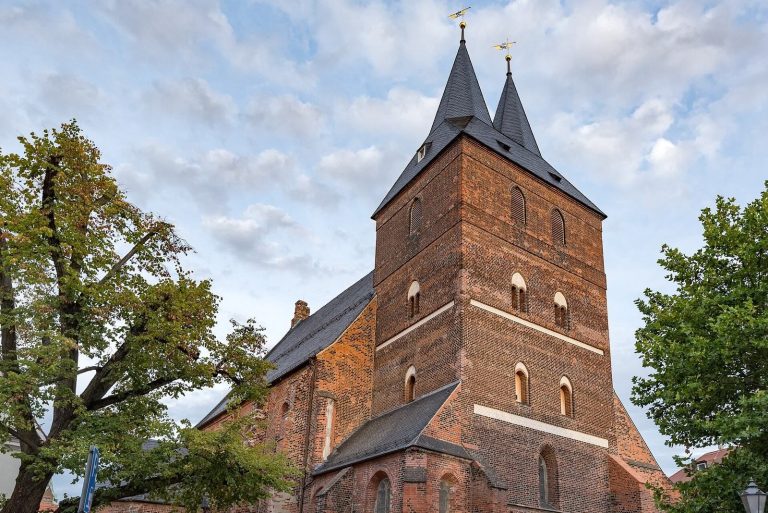
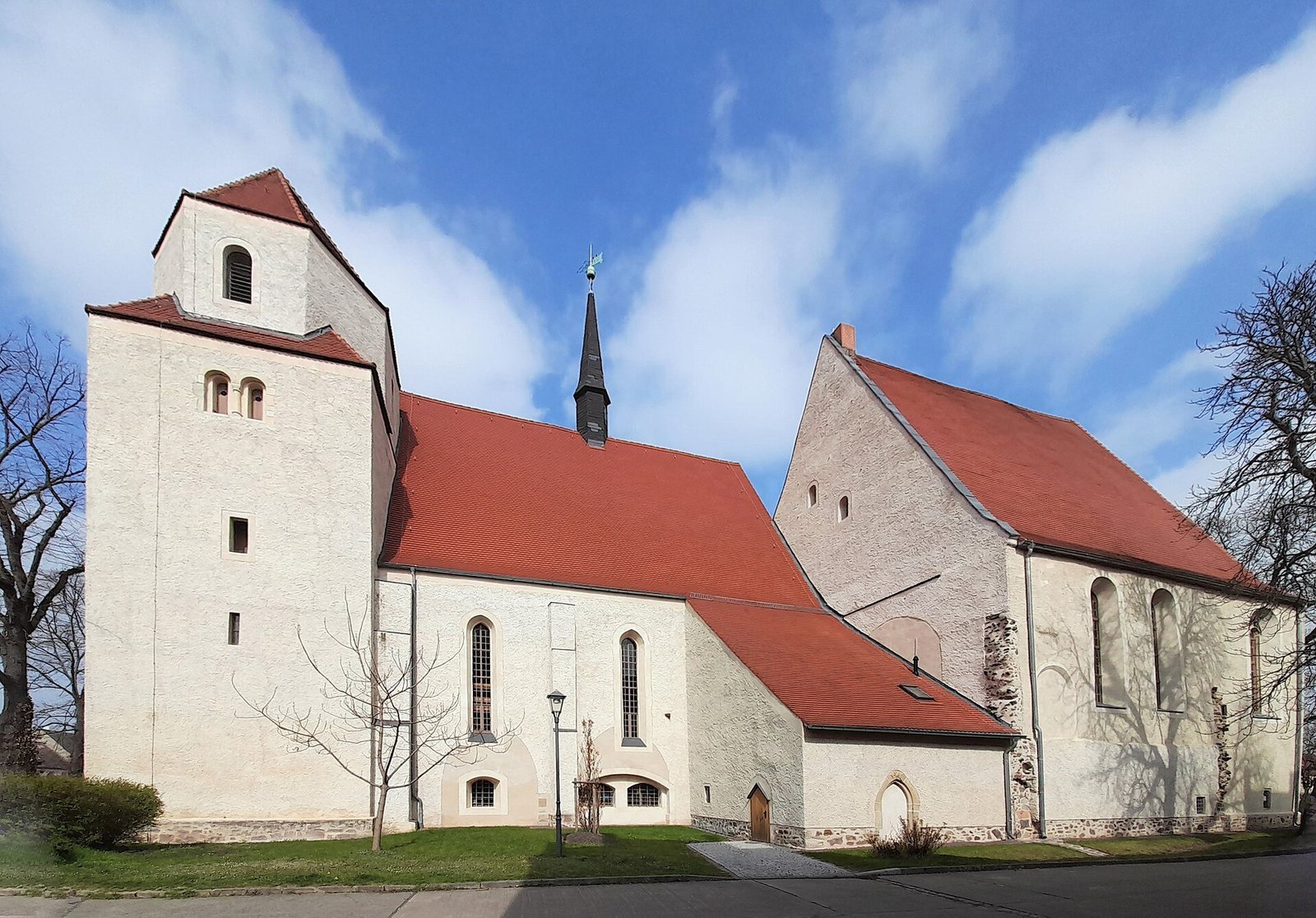
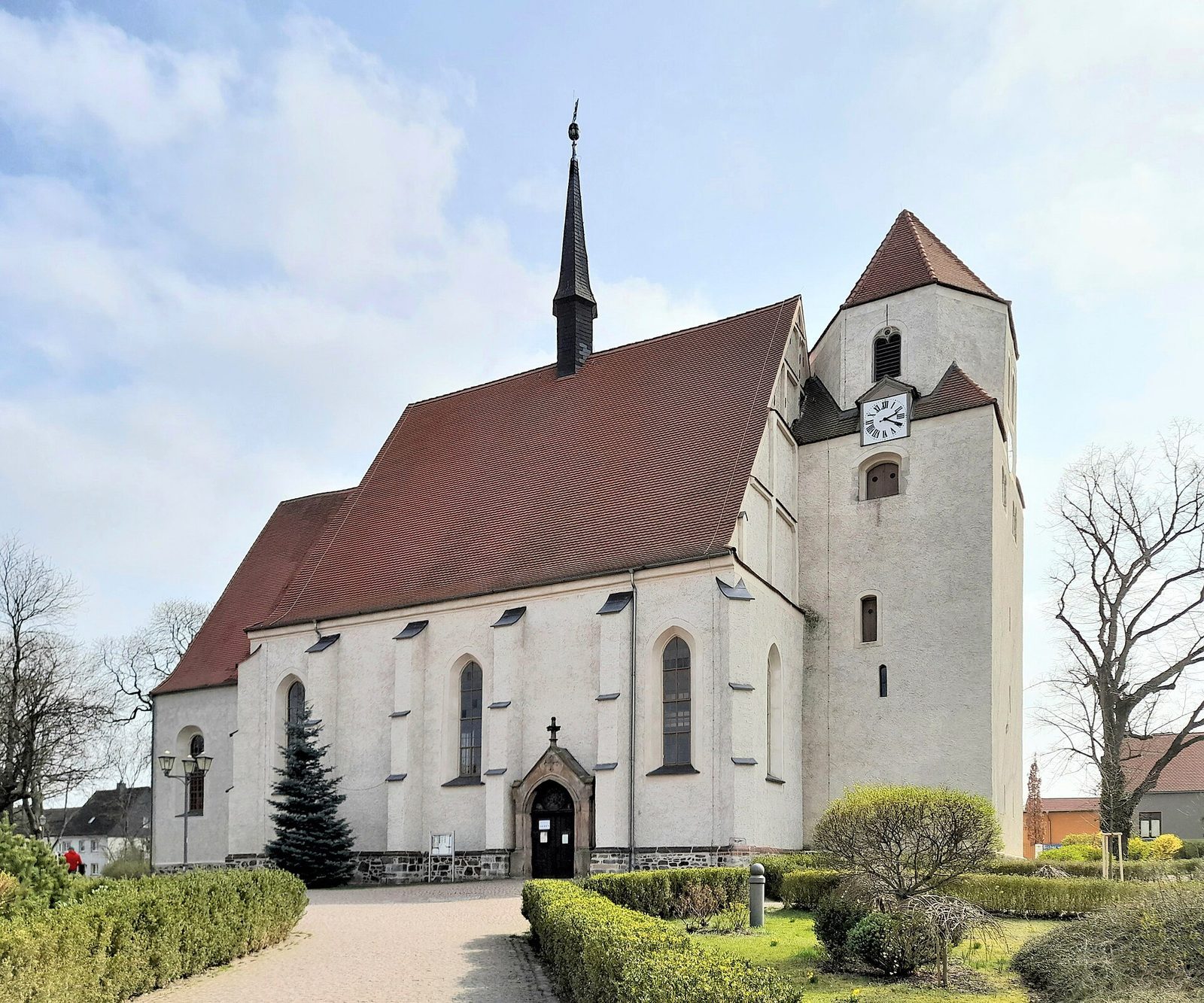
St. James and St. Clement Church in Brehna, Germany, is an Evangelical Protestant church formed from three buildings that once stood independently: a west tower, the convent church of St. Clement, and the parish church of St. James. Its Romanesque west tower dates to the tenth century. The church and convent have served worship for nearly nine centuries.
Early church and pilgrimage
The church is dedicated to James the Greater, one of Jesus’s apostles. Pilgrims had traveled to his tomb at Santiago de Compostela since the eighth century, and Brehna’s church may have served as a stopping place on a southbound route before the Reformation. Travelers may have rested and prayed there.
Foundation of St. Clement’s convent
Friedrich I took over the County of Brehna in 1156. After his death, his wife, Hedwig of Brehna, founded the convent of St. Clement on 15 August 1201 and made it her widow’s residence. Its church was consecrated in 1202. The convent was home to Augustinian canonesses, women religious who lived in a community following the Augustinian rule.
A residence for the convent’s women was built in 1290. Katharina von Bora, probably the convent’s best-known pupil, received her education there from 1504 to 1508. She later became the wife of Martin Luther, a leading figure of the Reformation.
Decline and destruction
The convent declined after the Reformation and was destroyed during the Thirty Years’ War, the major European conflict fought from 1618 to 1648. Its surviving physical remains are described below.
Fire, repair, and later use
The tower was heightened in the seventeenth century. During Brehna’s major town fire in 1713, it collapsed to its octagonal lower storey. The churchyard continued to serve as a cemetery until 1900.
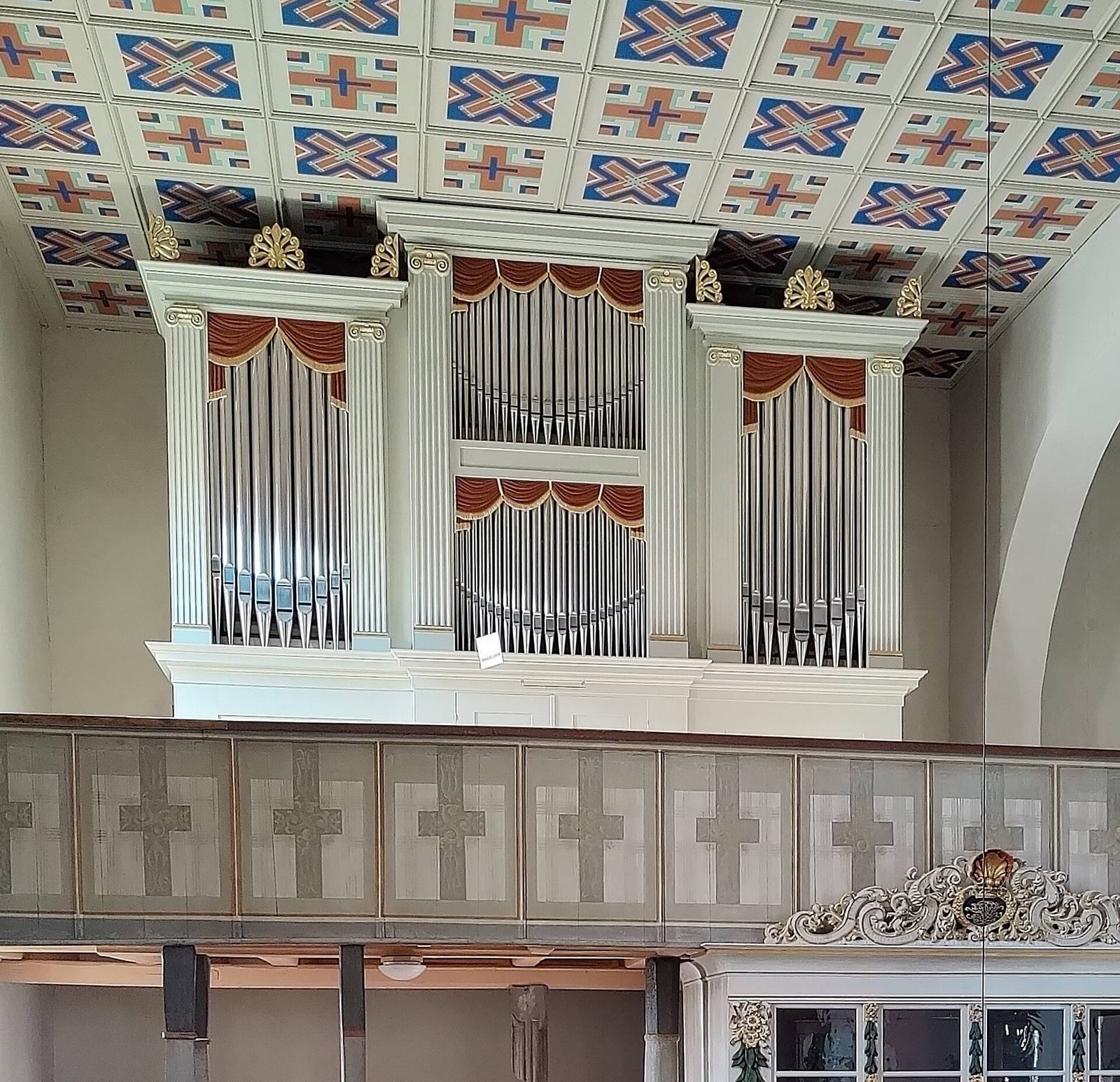
The church was renovated in 2003 and began serving travelers as a motorway church on 10 May that year. Axel Noack, then bishop of the regional Protestant church, opened it. Friedrich Wilhelm Wäldner’s 1835 organ underwent extensive restoration and was rededicated on 8 November 2015.
Remains
The church’s unusual size and form reflect the joining of its three original components. The west tower and parish church stand alongside the former convent church, which forms half of the combined choir, the area near the altar. The exterior has remained substantially unchanged.
Romanesque tower and nave
The west tower is a transverse tower, meaning it spans the width of the building. Its walls are two metres thick, and its surviving lower portion is octagonal. The nave, or main body of the church, extends east from the tower as a single-aisled building of rubble stone. Sixteenth-century buttresses, external supports that brace walls, reinforce the nave.
Convent remains and choir
The lower part of the convent’s chapter hall, a meeting space for a religious community, survives alongside the convent church. That church forms half of the combined choir.
Interior furnishings, bell, and organ
A wooden pulpit dates to the sixteenth century. Most of the parish church’s furnishings are from the seventeenth and eighteenth centuries, including a late Gothic winged altarpiece with hinged panels and Baroque decoration, and confessionals from the early eighteenth century. In the west, a scallop-shell motif on the patron’s box pew, reserved seating associated with church patronage, represents travelers and refers to the church’s patron saint, James. The large bell cast in 1714 from fragments of four bells remains in the church; it was repaired in 1999. Wäldner’s organ, built in 1835, has 22 stops, two manuals, or hand-played keyboards, and a foot-operated pedal. Its mechanisms include pedal and sliding manual couplers, as well as valves for the main division, upper division, and pedal.
Former churchyard
The former churchyard is now a park of about two hectares. Its tomb monuments include examples from Classicism, inspired by ancient Greek and Roman art, and the Gründerzeit, a period of rapid economic and industrial growth in German-speaking Europe, especially during the later nineteenth century.