Kirkham Priory: An Augustinian House in North Yorkshire
Site at a Glance
- Rating
- 4.5
- Popularity
- High
- Country
- United Kingdom
- Primary era
- Medieval
- Eras represented
- Medieval
- Civilizations
- English
- Site type
- Religious
- Remains
- Monastery
On this page6 sections
History
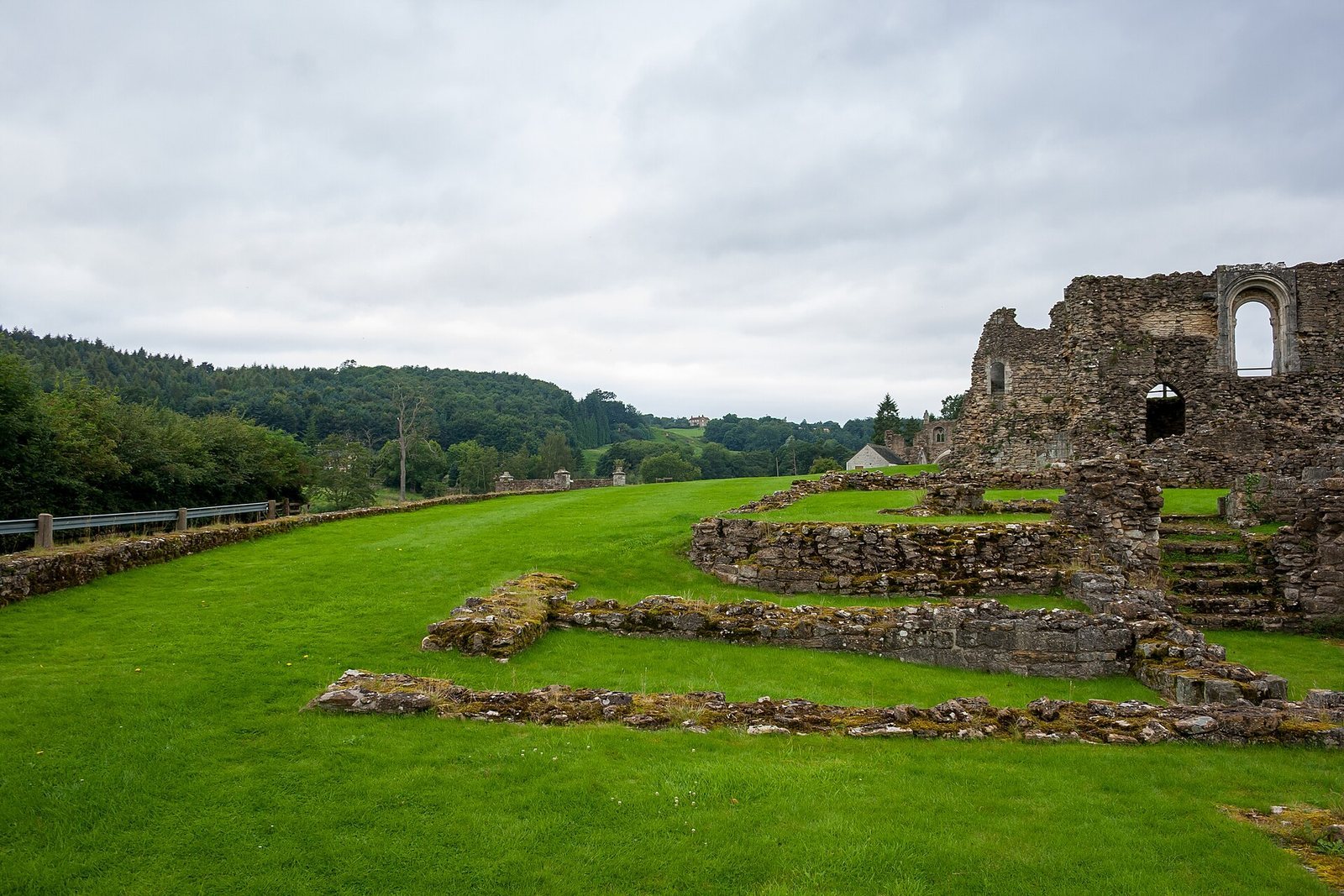
Kirkham Priory is a medieval Augustinian religious house beside the River Derwent at Kirkham, North Yorkshire, England. Walter l’Espec, lord of nearby Helmsley, founded it in the 1120s for Augustinian canons, clergy who lived communally according to the Rule of St Augustine. L’Espec also built Rievaulx Abbey.
Foundation and medieval community
Tradition connects the foundation with a personal loss: l’Espec is said to have established the priory in memory of his only son, who died nearby after a boar startled his horse. William, formerly rector of Garton, was prior around 1122–1123. Waltheof, active in 1139, left to join the Cistercians, members of a monastic order that followed a reforming form of Benedictine life, sometime between 1143 and 1148. Other priors included Geoffrey, elected during Henry Murdac’s time as Archbishop of York (1147–1153), and Maurice, whose tenure began between 1148 and 1153 and ended between 1174 and 1188. Drogo died between 1188 and 1191.
Later priors included Richard, active after 1228 and during 1234–1246; Roger, active in 1251; and Hugh, active from 1257 to 1261. John de Elveley was prior in 1308 before resigning, and Robert of Aldbrough was elected to succeed him on 14 February 1311. The priory also held the burials of members of the de Ros and Greystoke families. Among them were Sir William de Ros, born before 1200 and dead around 1264–1265, his son Robert de Ros, 1st Baron de Ros, and Robert de Ros, who died in 1285. William de Ros, 1st Baron de Ros, William de Ros, 2nd Baron de Ros, and Ralph Greystoke, 5th Baron Greystoke, were also buried there.
Dissolution and wartime use
During the 16th-century Dissolution of the Monasteries, the suppression of religious houses in England, Prior John Kyldwyck surrendered Kirkham Priory.
During the Second World War, the priory and the banks of the River Derwent were used to prepare troops and vehicles for D-Day, the Allied landings in Normandy on 6 June 1944, described as the largest seaborne invasion in history. The British 11th Armoured Division was among the units moved to the area. Training gave drivers practice manoeuvring vehicles, tested waterproofing compounds, and familiarised personnel with equipment intended for the landings. Tanks, jeeps, and other vehicles were put through their paces, while troops practised with scrambling nets. Winston Churchill and King George VI secretly visited to monitor preparations.
The ruins are Grade I listed, England’s highest category for buildings of exceptional interest, and are a scheduled monument protected for archaeological or historic importance. English Heritage cares for the site.
Remains
The precinct and cloister
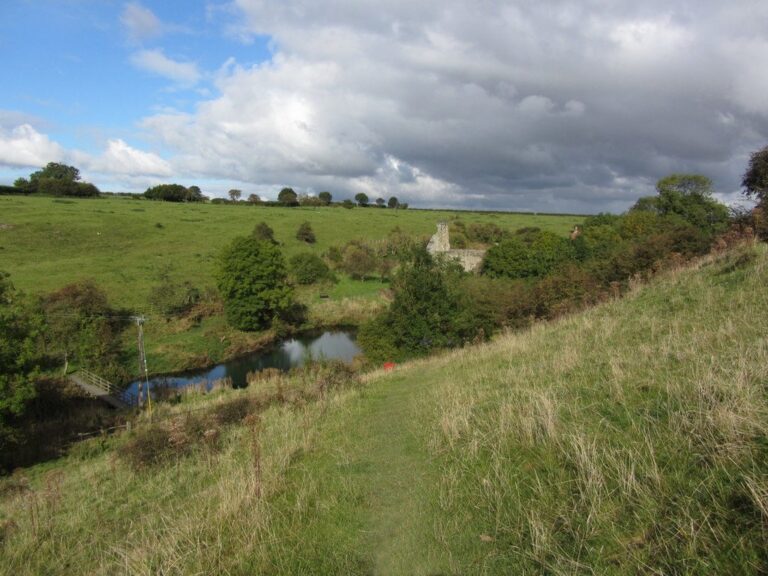
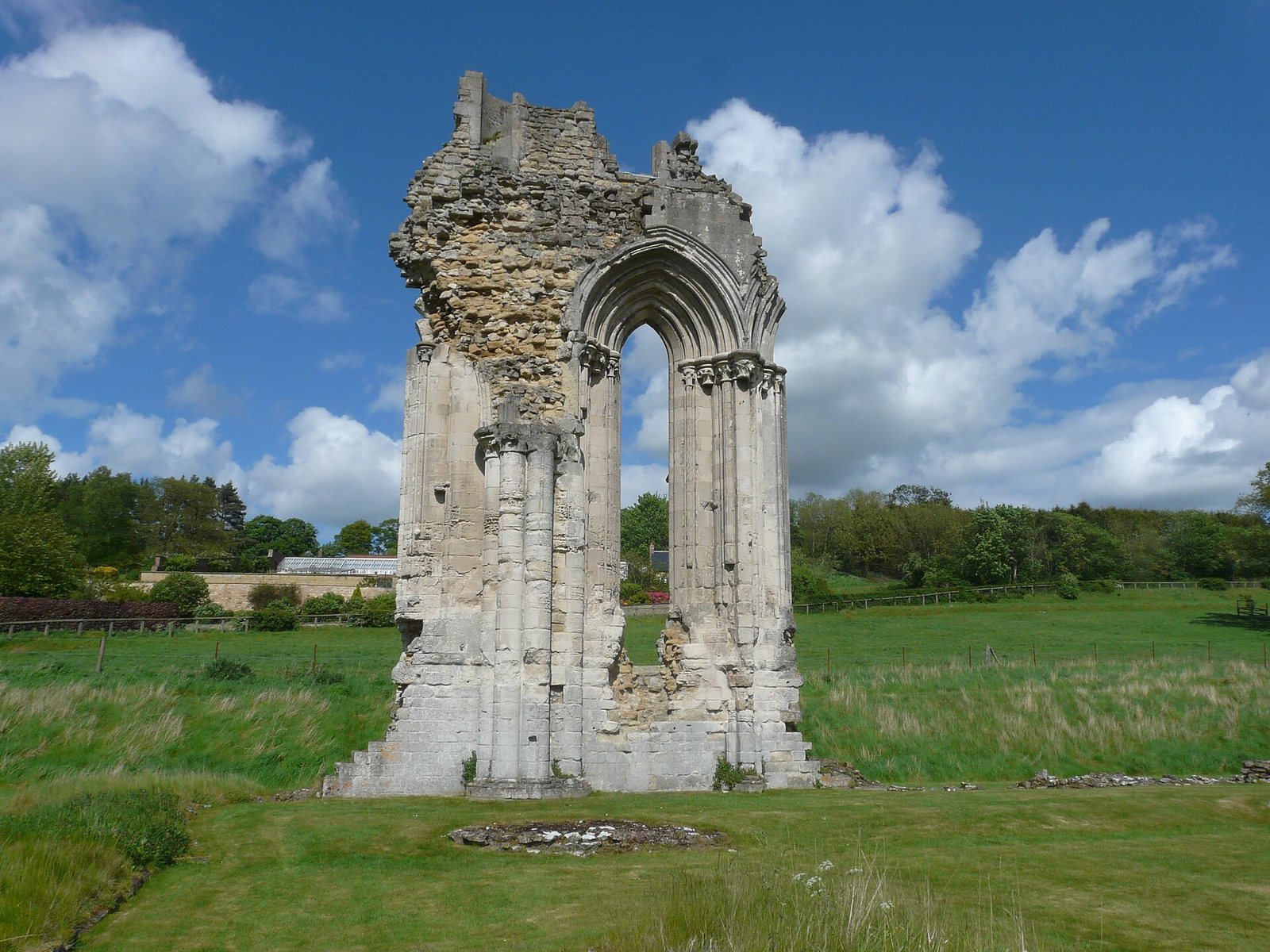
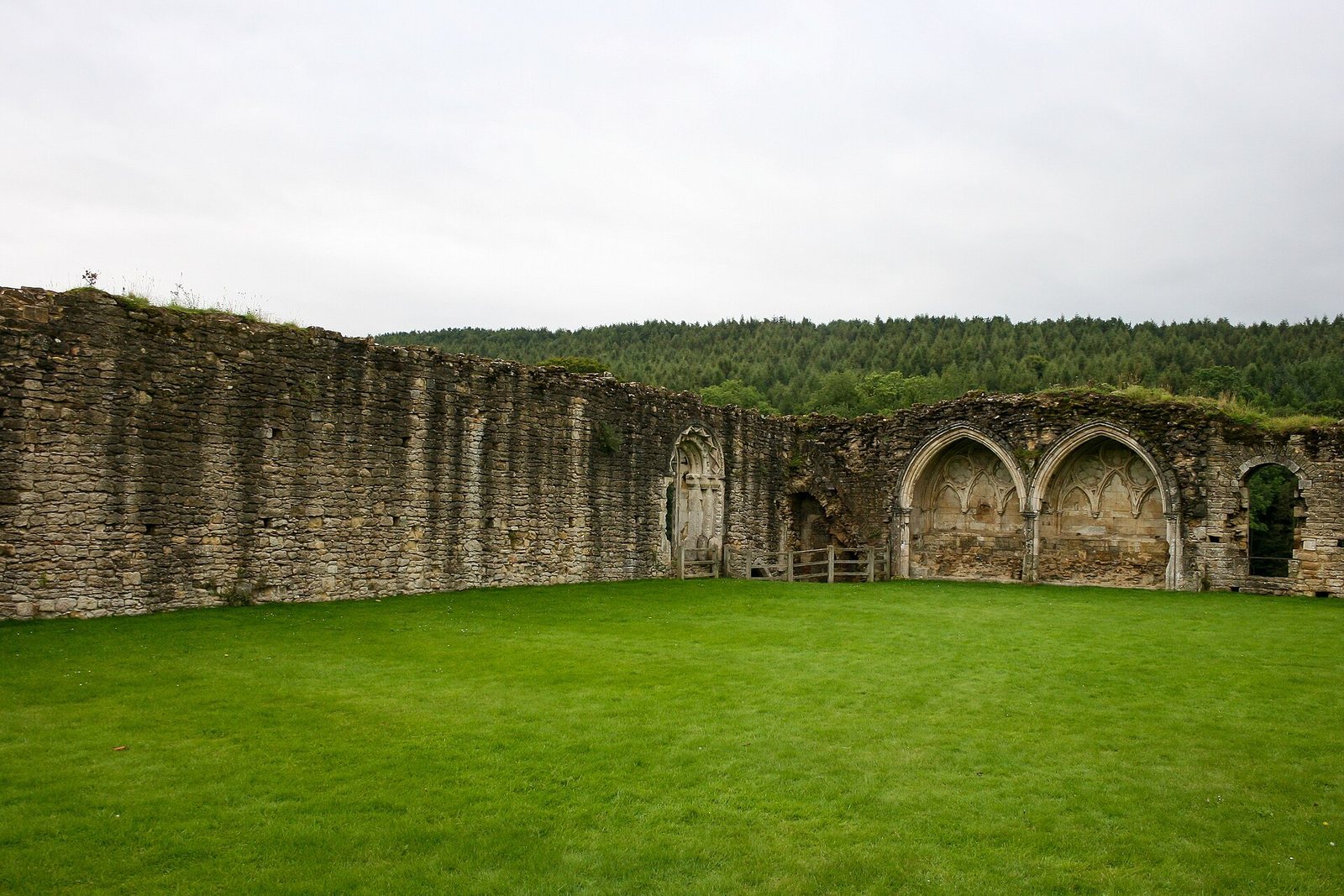
The priory ruins stand beside the River Derwent. The monastic precinct, the grounds and buildings associated with the religious house, includes a boundary and three fishponds. The Western Cloister, a covered walkway around an open courtyard, had a high wall.
The gatehouse
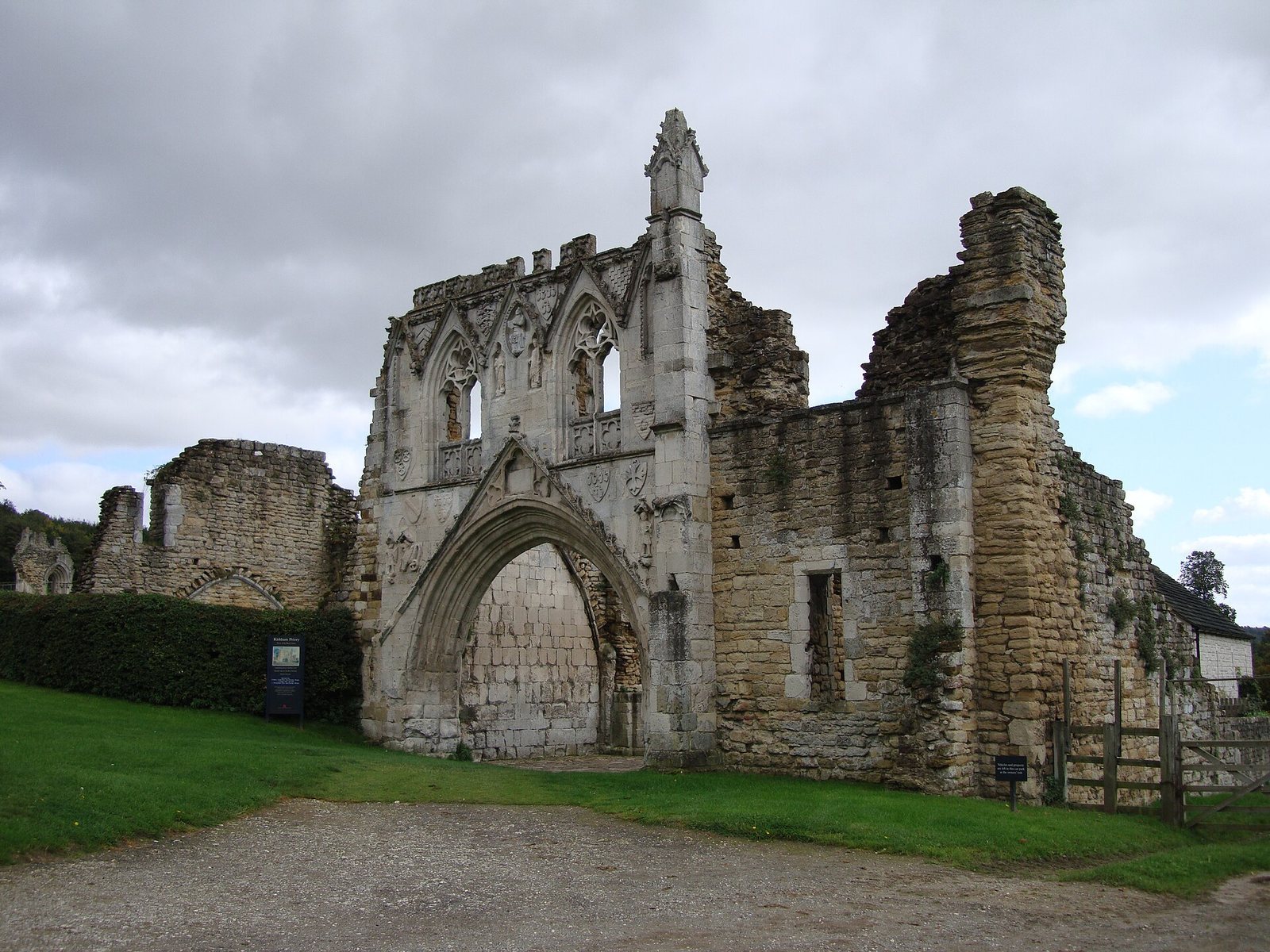
Built around 1290–1295, the gatehouse is a rare surviving English Gothic medieval example, comparable to the gatehouse at Butley Priory in Suffolk. Its broad arch has continuous mouldings, and a gable with projecting Gothic ornaments rises to the windows. Sculptures flank the entrance: St George and the Dragon appear on the left, and David and Goliath on the right. Above the arch, Christ occupies a pointed oval recess; figures of St Bartholomew and St Philip stand in niches below. Numerous shields bear coats of arms associated with benefactors, including the de Ros, Scrope, de Forz, Vaux, FitzRalph, Espec, and de Clare families. The Espec arms show three cartwheels, each with six spokes. The Scrope arms have a blue field crossed by a gold diagonal band.