St Botolph’s Church, Skidbrooke: A Medieval Anglican Church
Site at a Glance
- Popularity
- Medium
- Country
- United Kingdom
- Primary era
- Medieval
- Eras represented
- Medieval, Early Modern, Modern
- Civilizations
- British, English
- Site type
- Religious
- Remains
- Church
On this page13 sections
History
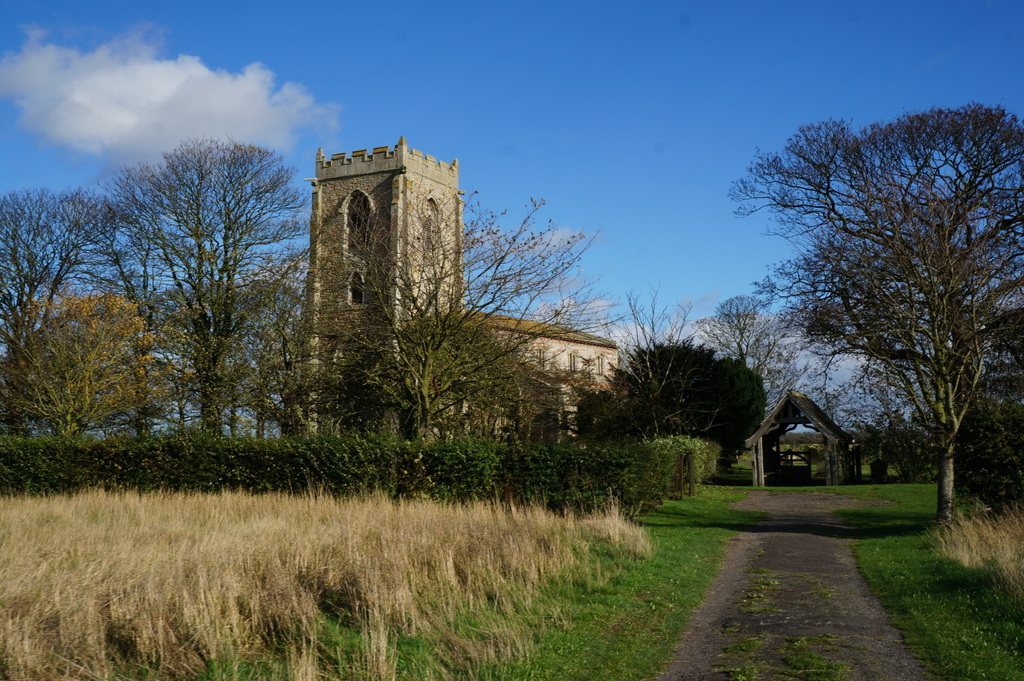
St Botolph’s Church, Skidbrooke, is an Anglican church near the village of Skidbrooke in the Lincolnshire marshlands of the United Kingdom. Dedicated to Saint Botolph, an Anglo-Saxon saint whose life is known through limited accounts, the church dates to the early 13th century and is Gothic in style, a medieval tradition associated with pointed arches.
Medieval origins and later changes
The church was established in the early 13th century. Alterations and additions followed during the 14th and 15th centuries, as well as in 1854, 1871, and the 20th century.
Redundancy and later events
St Botolph’s was listed at Grade I in 1967, the highest category of listed-building protection in England. It was declared redundant in November 1973, meaning it was no longer used for regular worship, and came into the care of the Churches Conservation Trust.
Rumors of paranormal activity and alleged ghost sightings have drawn ghost hunters and Satanists to the church over the years. At intervals, animal remains, lit candles and fires, and painted pentagrams and other symbols have been found inside. The Churches Conservation Trust has expressed dismay at damage to the building and acts of desecration.
Remains
Plan and exterior
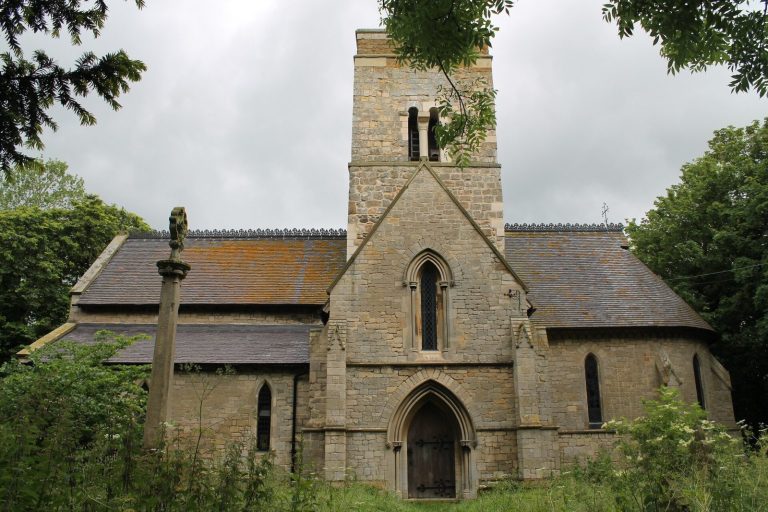
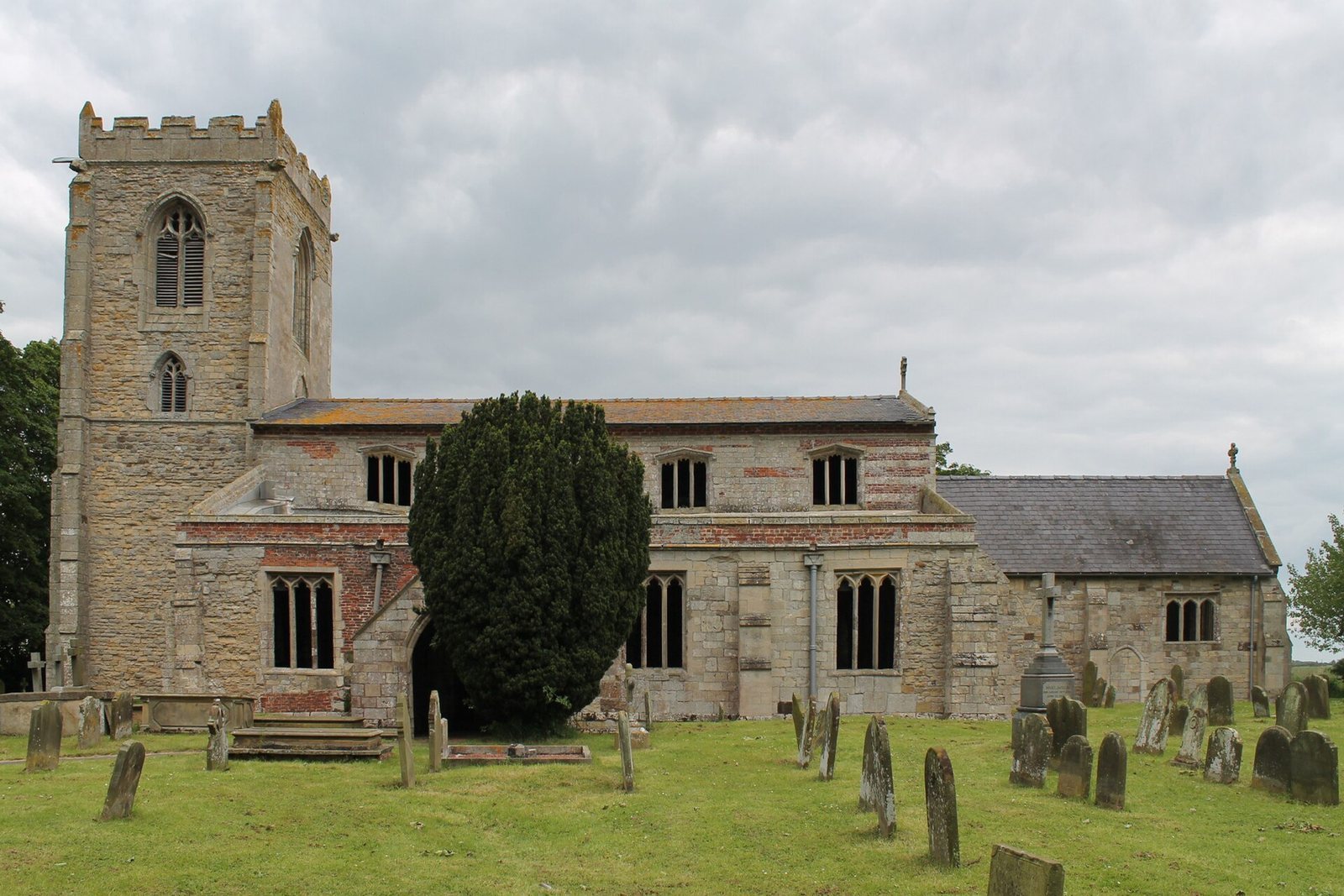
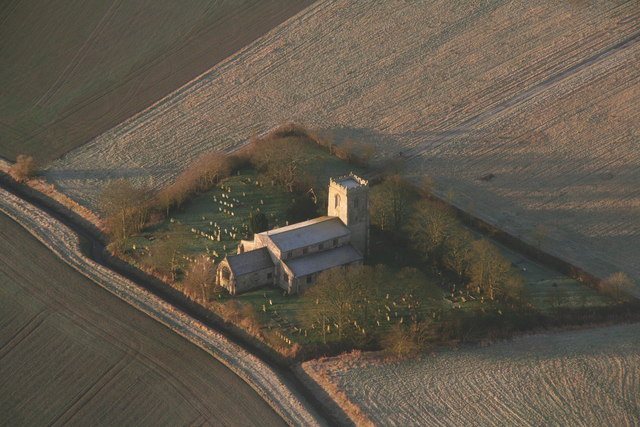
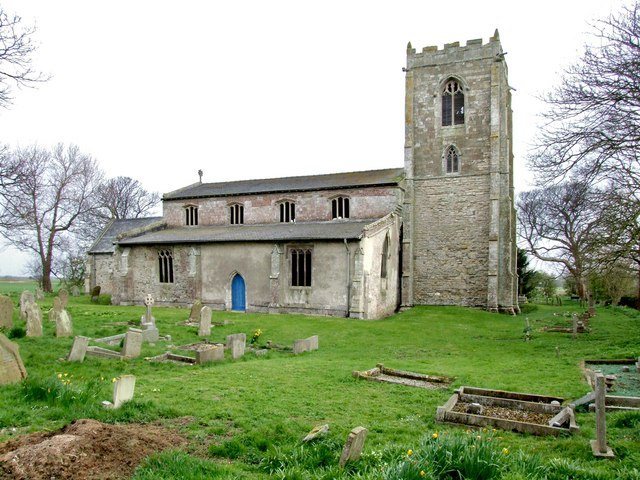
The church has a nave with north and south aisles, a clerestory (a raised wall with windows above the adjoining roofs), a chancel, a west tower, and a south porch. It is built mainly of limestone and brick, with some surfaces covered in render. The roofs are slate, and the gables have stone caps. Brick is also used in the aisle parapets, the nave’s east gable, and the clerestory eaves. Crosses top the east gables of the nave and chancel.
West tower
The tower rises from a shaped base and has stepped buttresses at its corners. Its west doorway has a pointed arch, with a three-section window above whose heads are ogee-shaped, or double-curved. A horizontal moulded band separates the lower and upper stages. The upper stage has two-section windows on its north, west, and south sides, with a two-section bell opening above each. A protective top wall has battlements, gargoyles (carved water spouts), and plain pinnacles at the corners.
Nave and aisles
Four gabled buttresses divide the north aisle wall into three bays. A pointed 13th-century doorway occupies the middle bay, while each side bay contains a three-section window. At the aisle’s east end are a four-section window and two buttresses. The clerestory has four three-section windows on each of its north and south sides.
The south aisle has a three-section window in its east wall and two in its south wall. Its gabled porch has another three-section window in the west wall.
Chancel
The north wall has a three-section window and a brick buttress. The east window has five sections. On the south side are two three-section windows, a blocked doorway, and a buttress.
Interior and churchyard
Arcades
The four-bay arcades, or rows of arches, date to the early 13th century. Their octagonal piers stand on tall octagonal bases. The capitals, or column tops, of the north arcade are plain; three of the four capitals in the south arcade have carved motifs.
Chancel fittings and carved stones
A recess for sacred objects, an aumbry, is set into the chancel’s north wall. Its south wall contains a piscina, a basin used in washing sacred vessels, and damaged sedilia, seats for clergy. Large grotesque carved stone supports flank the east window and are painted white. Another grotesque carved stone is set in the south aisle.
Font and memorials
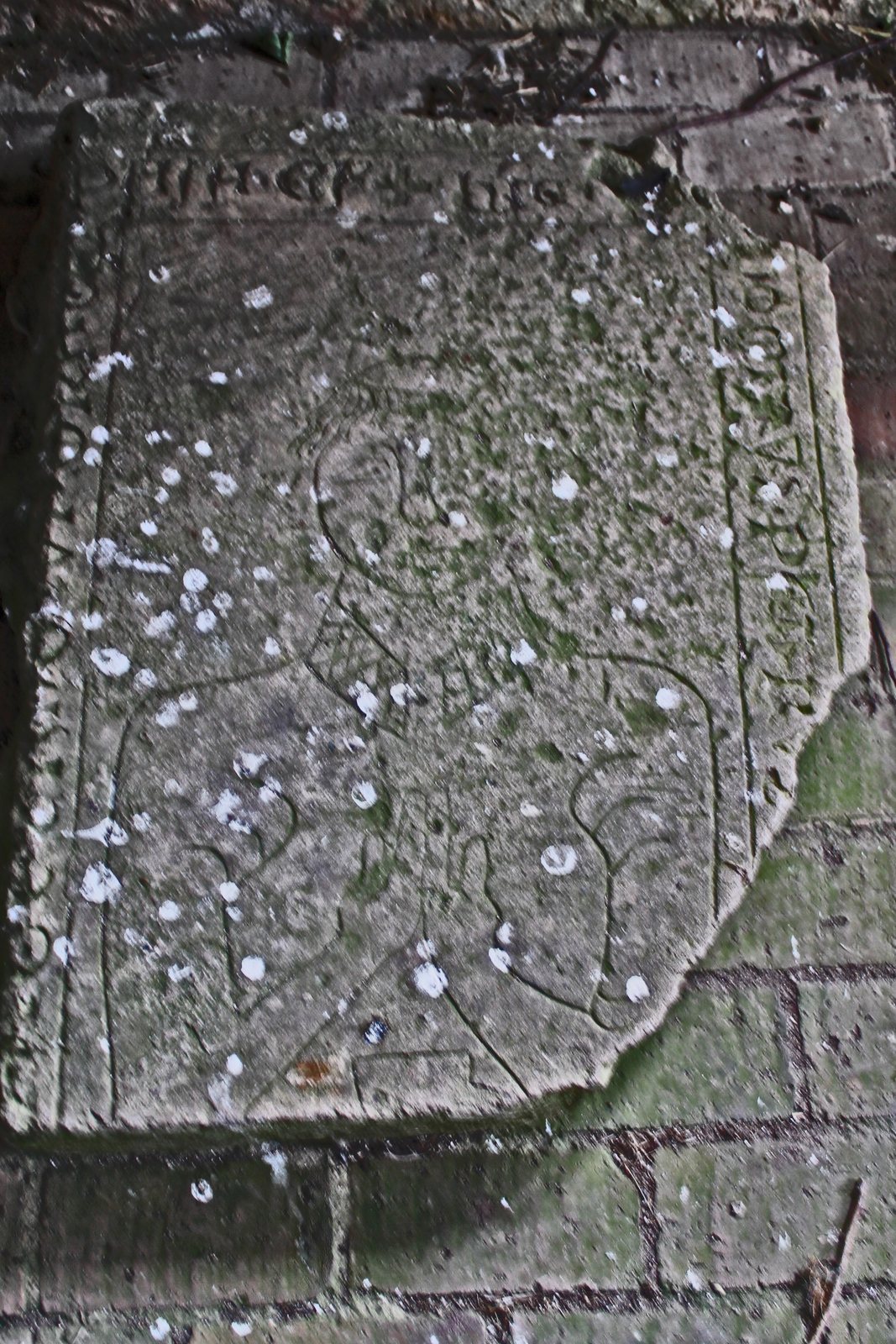
The early 13th-century font has an octagonal bowl on an octagonal base. A gravestone in the chancel floor marks the burial of a vicar who died in 1413. Two further gravestones in the nave floor bear 18th-century dates, and the church contains monuments from the 19th and early 20th centuries.
Churchyard war graves
The churchyard contains First World War graves of a Labour Corps soldier and a Coastguard, as well as the grave of a Merchant Navy sailor from the Second World War.