Squerryes Court: A Queen Anne Country House in Kent
Site at a Glance
- Popularity
- High
- Country
- United Kingdom
- Primary era
- Early Modern
- Eras represented
- Early Modern
- Civilizations
- English
- Site type
- Domestic
- Remains
- Manor House
On this page11 sections
History
The manor and medieval ownership
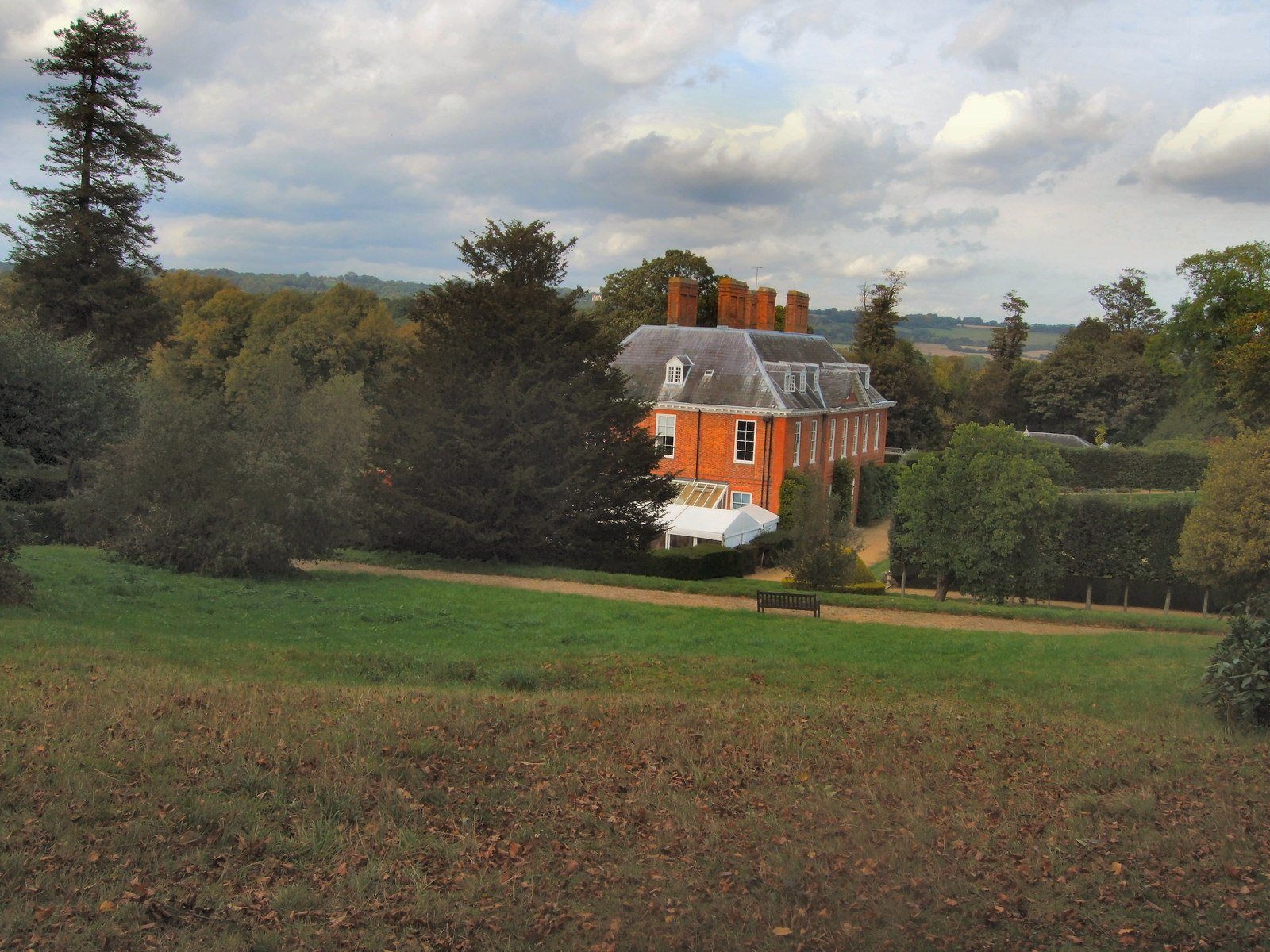
Squerryes Court is a Queen Anne country house just outside Westerham in Kent, United Kingdom, built between 1681 and 1685 by Sir Nicholas Crispe. The site had been inhabited for at least eight centuries. In 1086, the Domesday Book, a survey of English landholdings and resources commissioned by William the Conqueror, recorded the Manor of Westerham under Eustace de Boulogne, a Norman nobleman to whom William had granted it. Before the Norman conquest, the manor had belonged to Earl Godwin under Edward the Confessor, the English king who ruled before William. A substantial timber-framed hall house stood on the site before the present house.
The Squery family owned the property from before 1272. Their coat of arms showed a squirrel feeding on a hazelnut. When Sir Thomas Squery died without a son in 1439, the estate passed to his daughter Margaret, wife of William Cromer. After Margaret died in 1448, their son William inherited it. He died in 1450 during Jack Cade’s Rebellion, an uprising against the government of Henry VI. The estate later passed through several hands before the earlier house was demolished for Crispe’s new building.
Construction and later owners
In 1700, Sir Nicholas Crispe’s son sold the property to Edward Villiers, 1st Earl of Jersey. In 1731, the third earl transferred it to John Warde. John was the great-nephew of Sir Patience Warde, who had been Lord Mayor of London in 1680. John’s father had also held that office and was among the first governors of the Bank of England.
The Warde estate
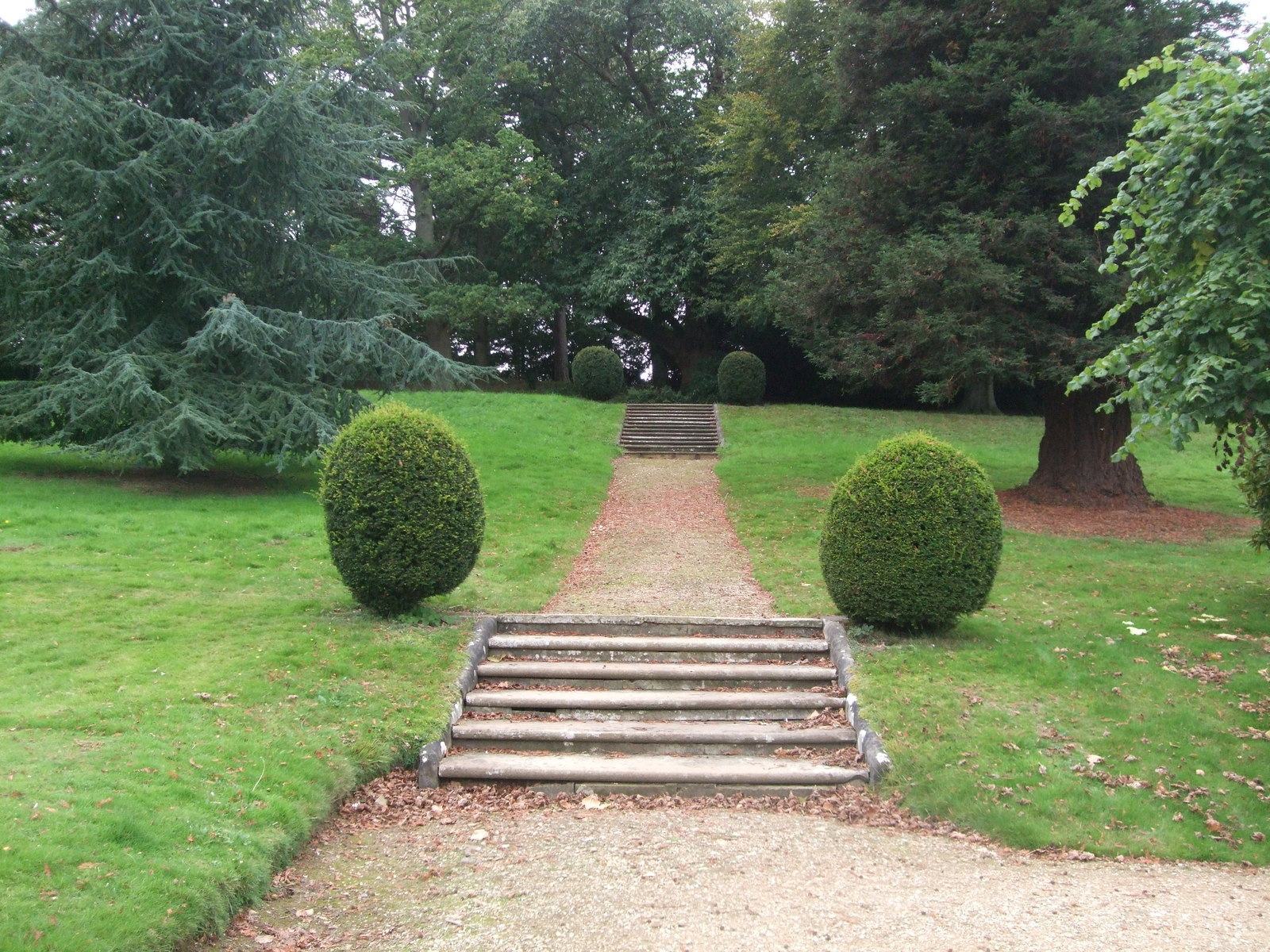
The Warde family held Squerryes Court for more than 280 years. When they acquired the estate in 1731, they changed the garden from a formal design to the natural landscape style then in fashion. After the Great Storm of 1987 toppled 147 trees, the family began reshaping the garden formally again, using earlier plans and a print dated 1709 as guides.
Squerryes Park was home to Westerham Cricket Club from 1875 to 1987. The family had asked the club to relocate, and it had expected to leave in 1990. However, three trees fell onto the club pavilion during the 1987 storm, prompting an earlier move to King George’s Field in Westerham. The house and gardens were opened for public tours from 1952 until September 2012, when the family moved into the house. Squerryes Court is Grade I listed, England’s highest statutory category for buildings of exceptional architectural or historic interest.
Remains
The surviving estate includes a compact brick house on a terrace, its garden and a much larger rural landscape containing woodland and farm properties.
The house
Main block
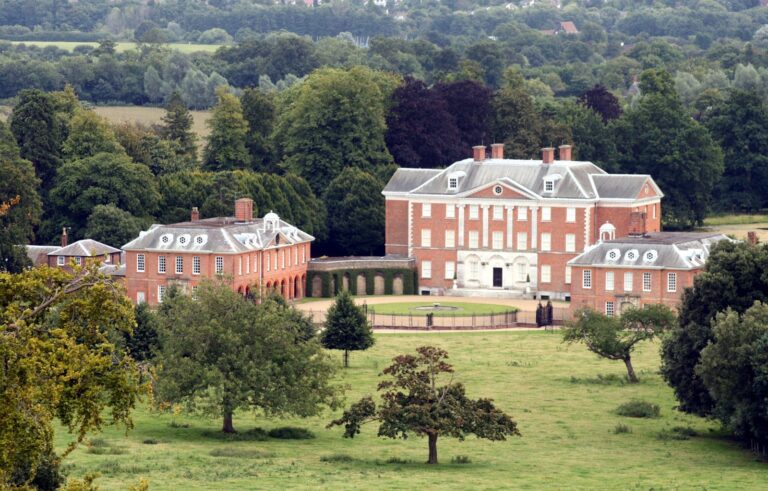
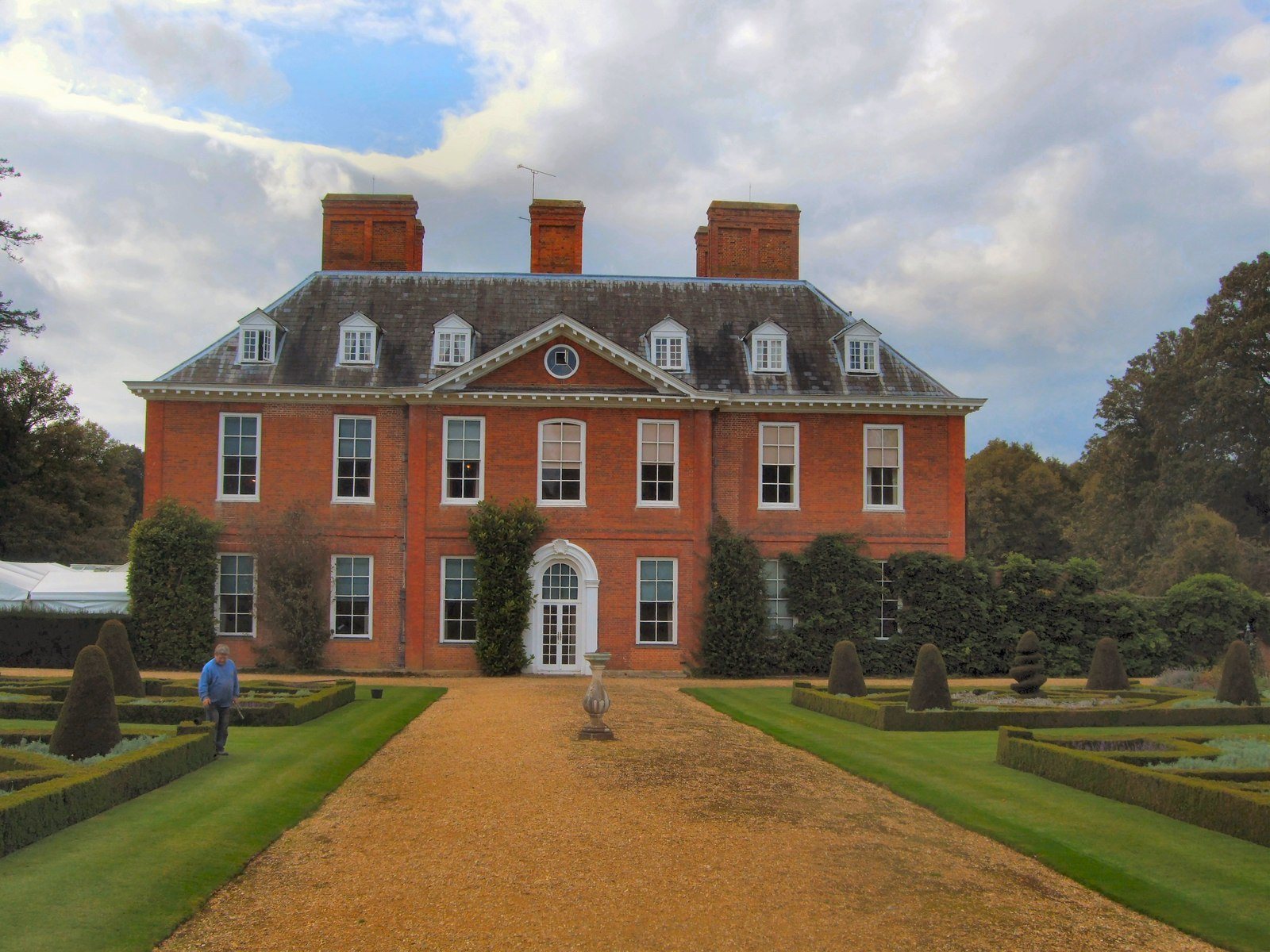
The house is an oblong building in the Queen Anne style, an English architectural style associated with the late seventeenth and early eighteenth centuries. Its central block is two storeys high and divided into seven bays, the repeated vertical sections of the facade. Mellow orange brick walls rise beneath a steep, hipped slate roof, with pedimented gables and dormer windows. This central block is the only part of the house that survives.
Former wings
Two small wings once stood on either side of the house, enclosing a forecourt. They were replaced in the nineteenth century, and those later wings were demolished after the Second World War.
Garden and estate landscape
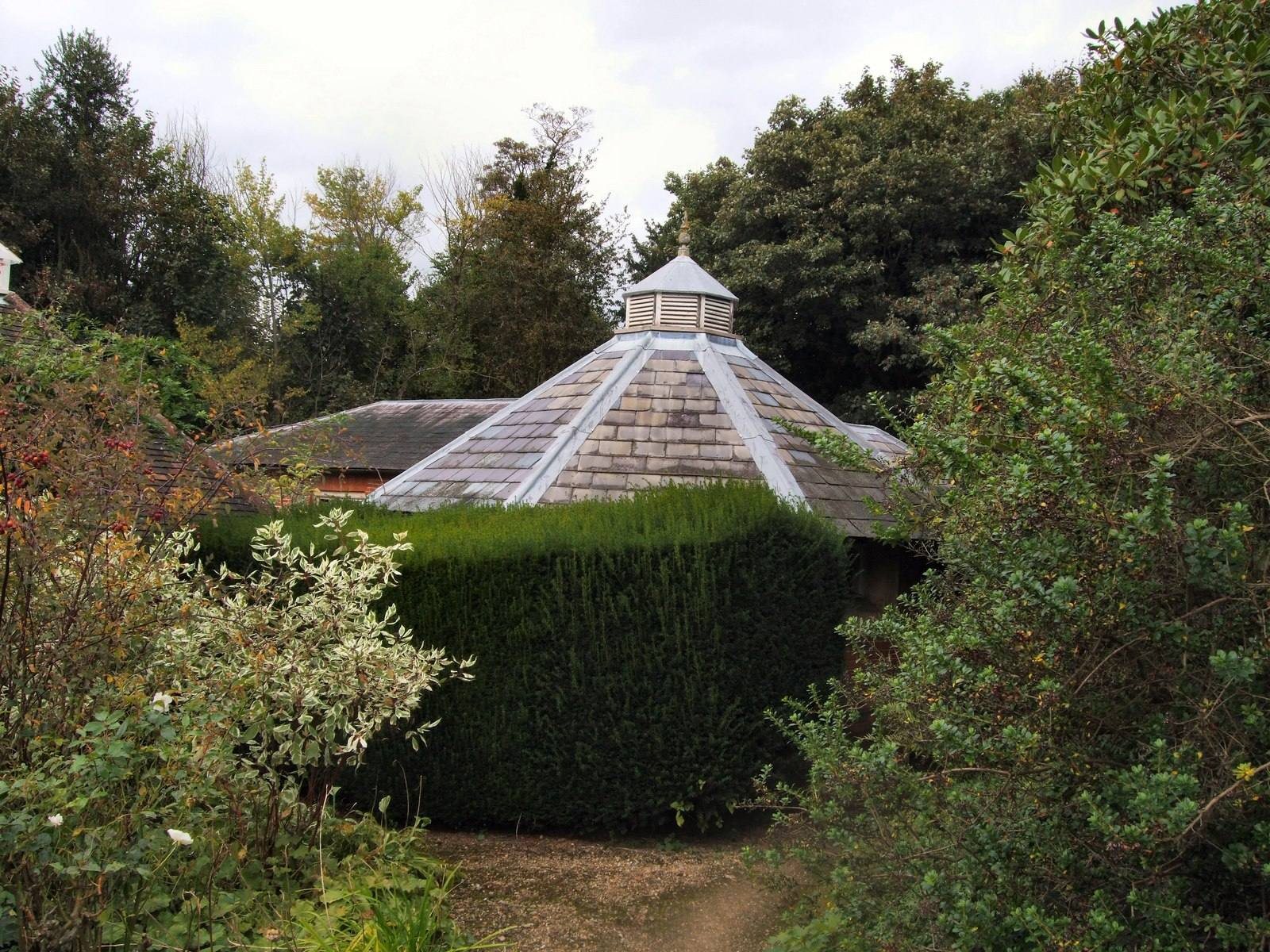
The garden covers about 10 acres, or around 4 hectares. Its features include formal garden beds, a lake, a gazebo, a small pavilion, and a dovecote, a building for keeping doves or pigeons. The wider estate covers about 2,500 acres, borders Surrey to the west and Greater London to the north, and is approximately one-third woodland.
Farm buildings and cottages
Traditional farm buildings form part of the wider estate. Almost all have been restored, with some converted into offices or workshops. Some farmhouses and cottages have also been refurbished as rental properties.
Paintings and furnishings
The house displays paintings by Old Masters, a term for respected European painters active before about 1800, including works from Italian, seventeenth-century Dutch, and eighteenth-century English schools. The collection also includes furniture, porcelain, and tapestries acquired or commissioned by the family in the eighteenth century, as well as items associated with General James Wolfe, the British commander best known for his victory at the 1759 Battle of the Plains of Abraham.