Sjöö Castle: A Swedish Castle Estate in Uppland
Site at a Glance
- Rating
- 3.7
- Popularity
- Very Low
- Country
- Sweden
- Primary era
- Early Modern
- Eras represented
- Early Modern
- Civilizations
- Swedish
- Site type
- Domestic
- Remains
- Castle
On this page5 sections
History
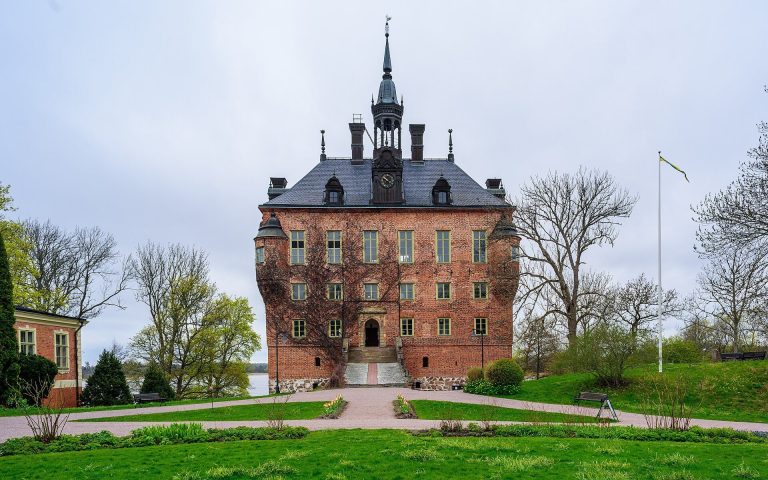
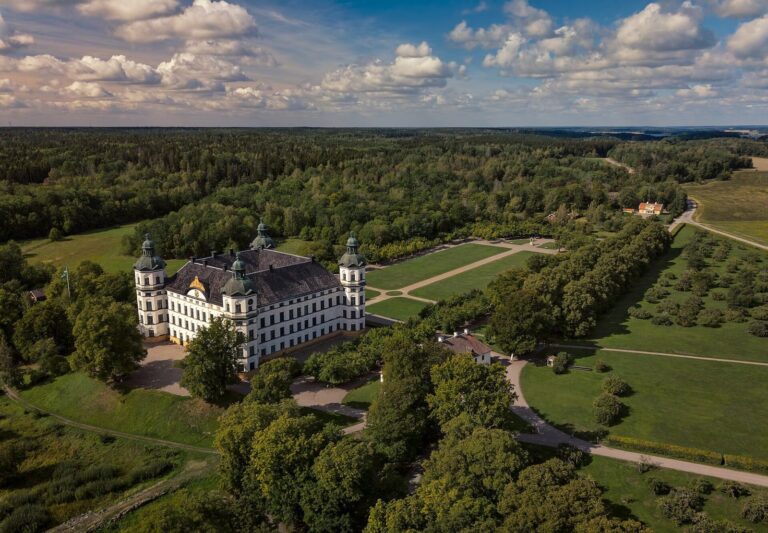
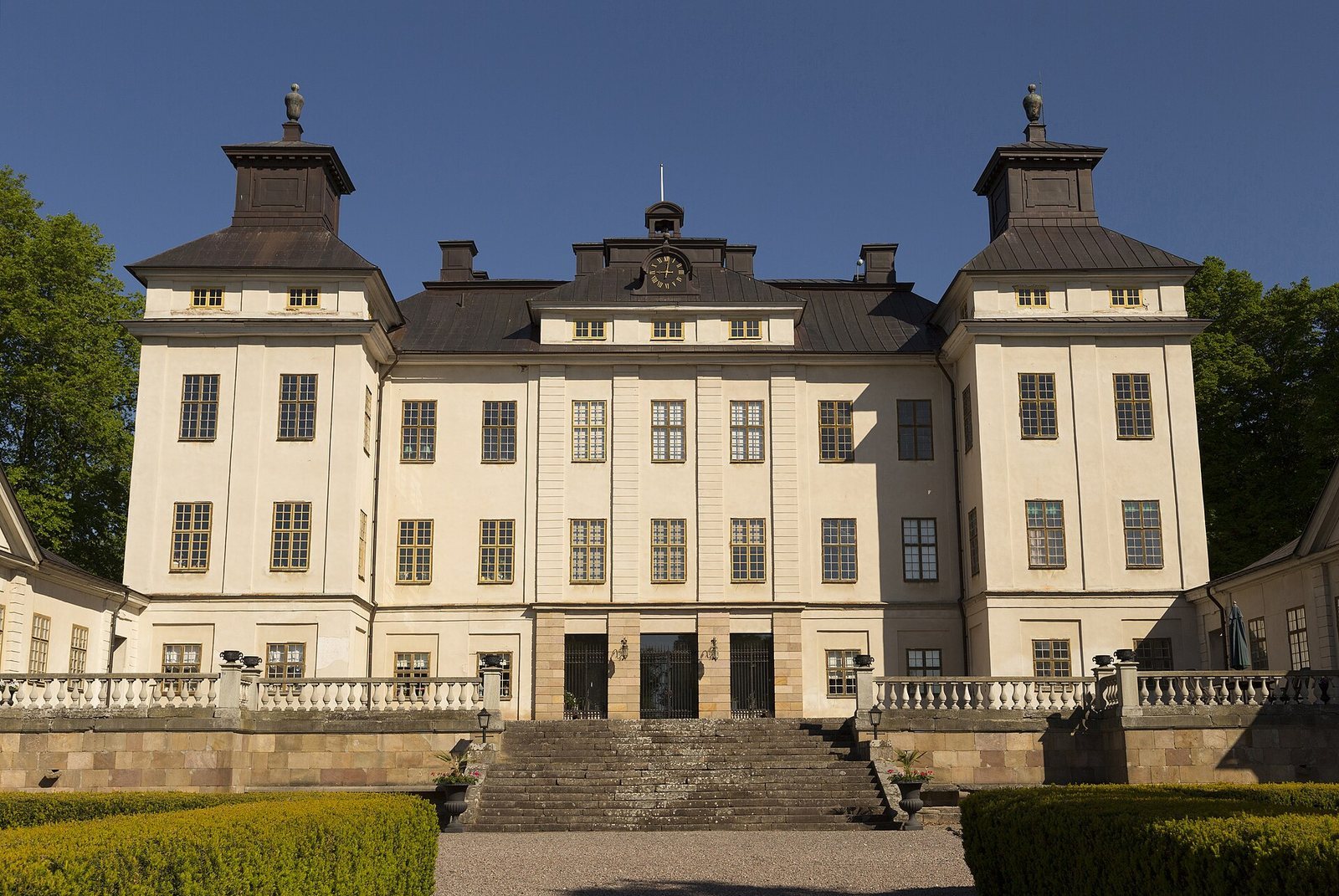
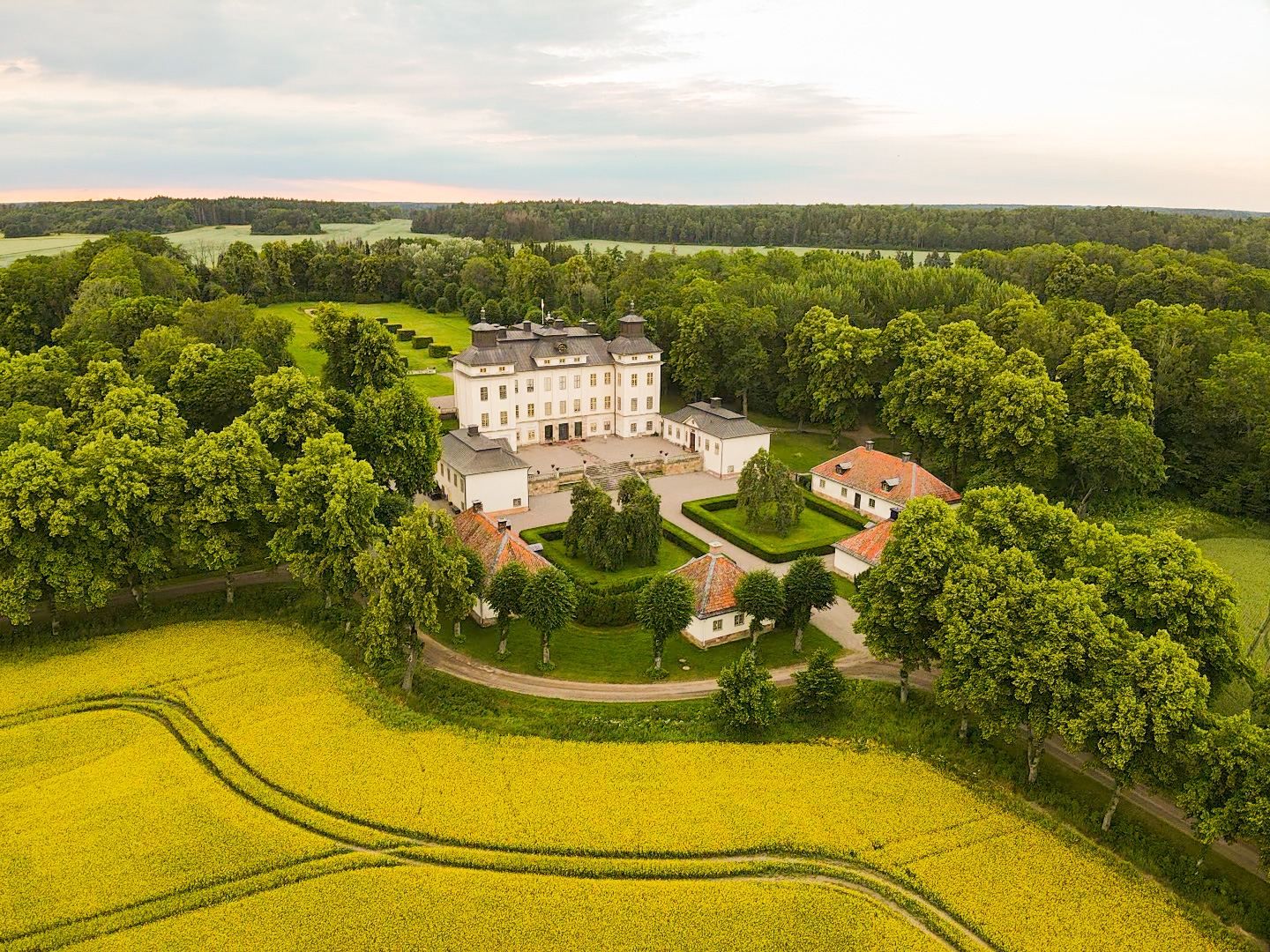
Sjöö Castle stands in Holm Parish, Enköping Municipality, Uppland, Sweden. The castle was built for statesman Johan Gabriel Stenbock between 1669 and 1679, while the estate’s courtyard history reaches back to the Middle Ages.
Medieval and sixteenth-century ownership
Peter Laurensson took over the estate in 1409. In 1541, King Gustav Vasa bought it from Jacob Vestgöte Sjöö, a local administrative official. Gustav Vasa’s son and successor, King Erik XIV, later transferred the castle to the Swedish nobleman Gustaf Johansson, known as Three Roses.
Stenbock and the seventeenth-century estate
The estate passed to Johan Gabriel Stenbock (1640–1705), a prominent Swedish statesman. He served as Marshal of the Realm, a senior position in the royal court and state administration, headed the court, and presided over the Castle Court, a judicial body connected with castle administration. In the seventeenth century, Marshals of the Realm came from high-ranking noble families. Stenbock commissioned the castle with architect Nicodemus Tessin the Elder and architect and master builder Mathias Spieler.
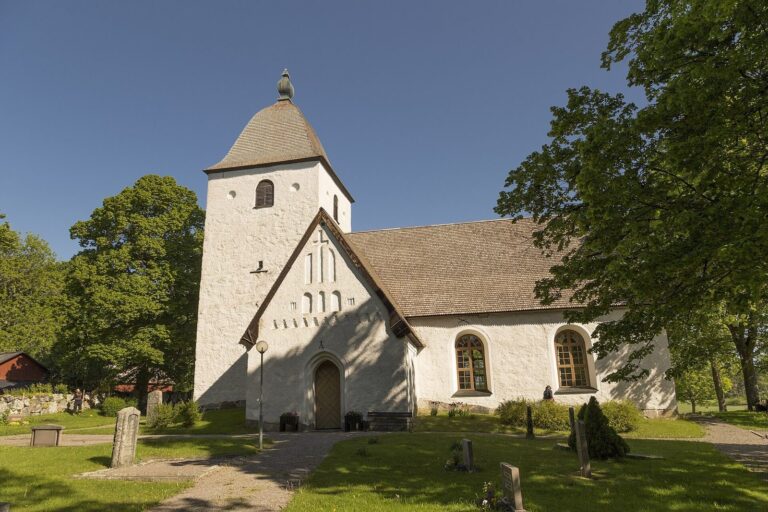
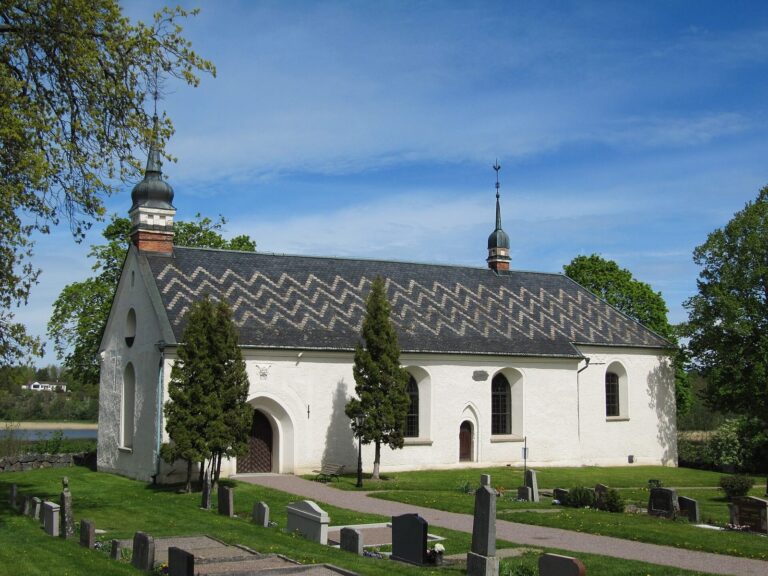
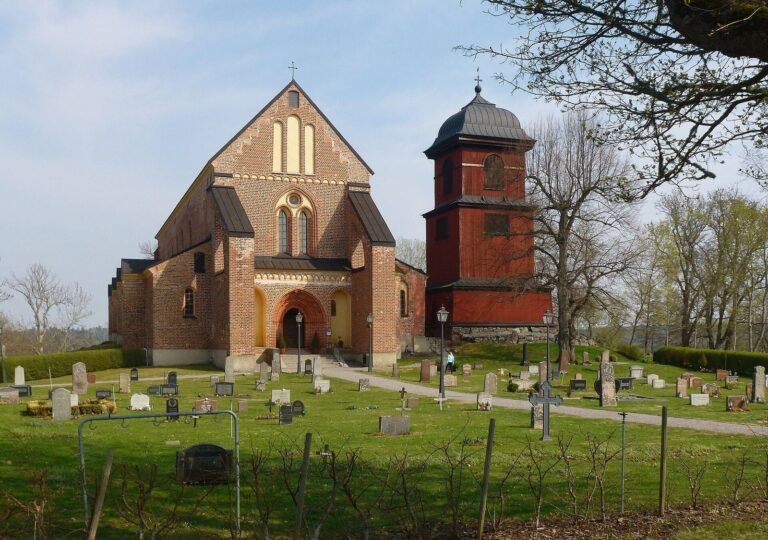
Holm Church was closely associated with the castle. Its patronage included senior statesmen as well as royal and other high-ranking noble friends and relatives of Stenbock. Andreas Hackzelius oversaw the church’s construction, became the parish’s first rector, and used its new facilities.
Later owners
After Stenbock died unmarried, the castle passed to Hedvig Catharina Lilje, the daughter of his sister’s son. She married Magnus Julius De la Gardie. Their son Fredrik married Catherine Charlotte De la Gardie, who lived at the castle from 1748 to 1763. Johan Gustaf Banér bought the castle in 1813, and the Banér family has owned it since.
Remains
The castle and its park are described as having harmonious proportions. Holm Church stands close to the castle and is closely associated with the estate.
Holm Church was erected in 1678 under the supervision of Andreas Hackzelius. Its construction and its position near the castle form part of the physical setting of the estate.