Gallo-Roman Site of Jonvelle: Baths of an Agricultural Villa
Site at a Glance
- Popularity
- Low
- Country
- France
- Primary era
- Classical
- Eras represented
- Classical
- Civilizations
- Roman
- Site type
- Sanitation
- Remains
- Baths
On this page9 sections
History
The Gallo-Roman Site of Jonvelle, at Les Jourdaines in France, preserves the baths of an agricultural villa from Roman Gaul, a culture shaped by Roman rule and local traditions. The bathing complex was probably built in the second half of the second century AD.
Villa occupation and later use
Finds indicate that people occupied the site before the villa was established. The end of the villa’s use is difficult to date. Pottery fragments attributed to the eighth century lay over the road leading to the baths, but this evidence does not establish when the villa ceased to be occupied.
Discovery and protection
Priest Émile Descourvières discovered the remains in 1968 and excavated them from 1968 to 1972. He returned for further excavations from 1985 to 1987 with archaeologist Nathalie Bonvalot. Work has uncovered the villa’s bathing area. The remains were listed as Historic Monuments in 1992.
Remains
The bathing complex
The excavated area comprises three small bathing rooms with tubs and mosaic floors, as well as identified heating, water-supply, wastewater, and access features. The remains lie at Les Jourdaines, about 900 metres south of central Jonvelle, halfway up the slope on the Saône Valley’s left bank, at just over 250 metres above sea level.
Mosaic floors
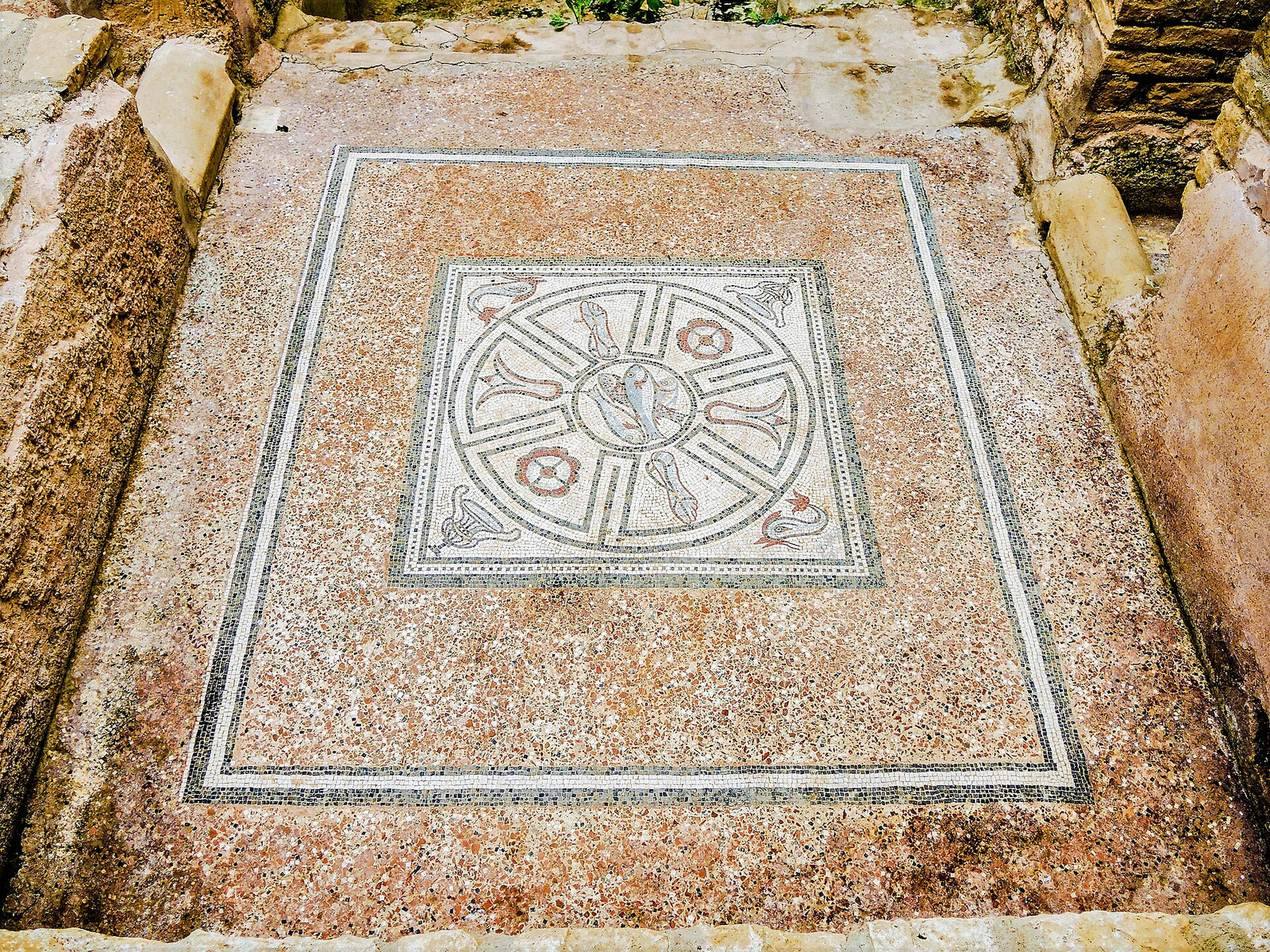
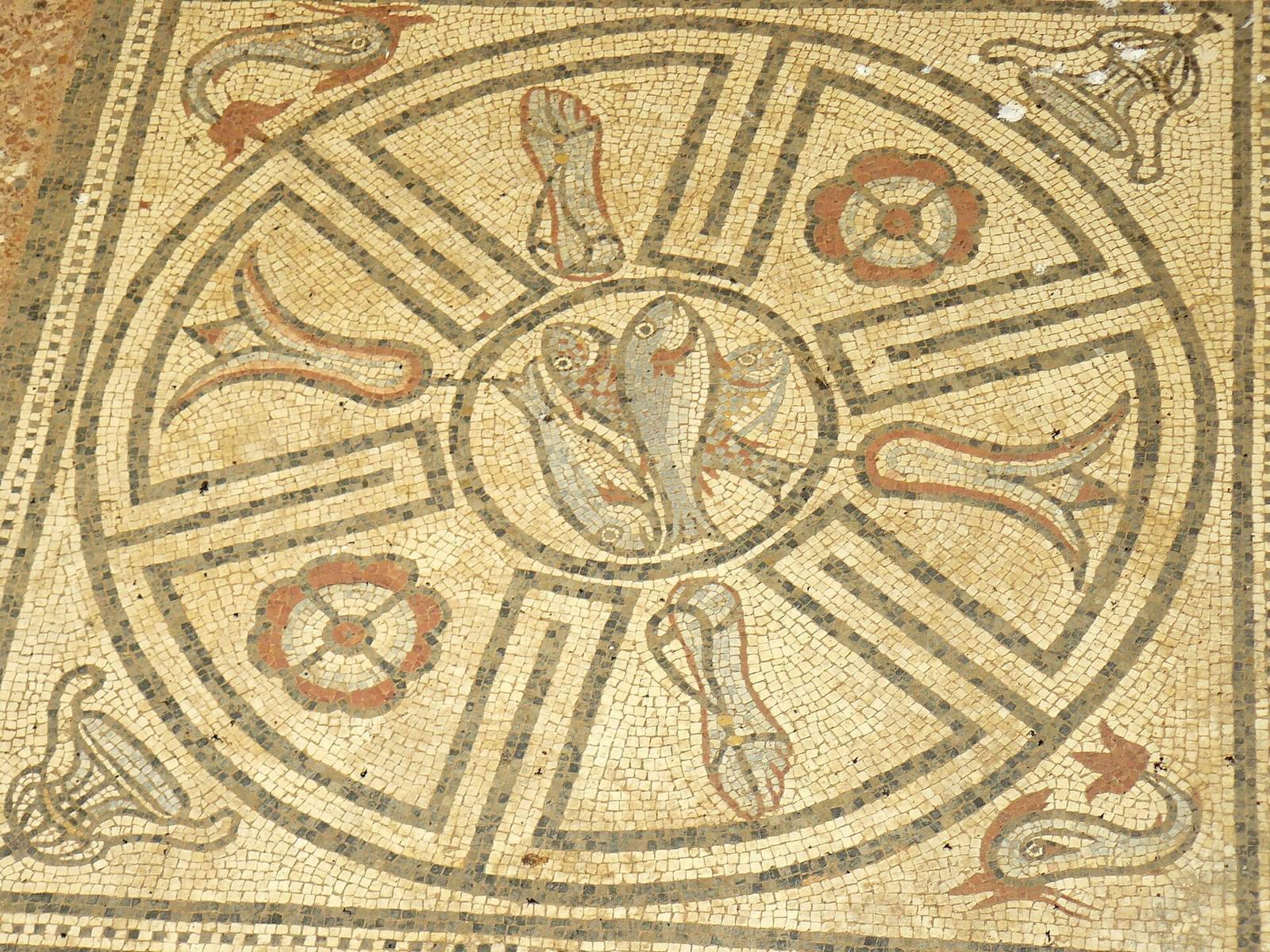
A very well-preserved mosaic probably dates to the second century AD. The tepidarium (warm room) has a square mosaic floor dated to the second half of that century. Its design includes four fish arranged as if on a plate and two sandals.
Heating system
The caldarium (hot room) and its apse (curved end space) were served by a hypocaust (underfloor heating system using circulating hot air). Small supports made from stacked brick tiles, which carried the floor, remain in place.
Cold room, water, and access
The frigidarium (cold room), a water-supply channel, a wastewater drain, and the road leading to the baths have also been identified. Together, these features reveal the basic operation of the complex.
Excavated finds
Excavations recovered brooches, coins, and pottery fragments that predate construction of the villa.