Shahabuddin Ahari Mausoleum: A Safavid Mausoleum and Sufi Complex in Iran
Site at a Glance
- Rating
- 4.7
- Popularity
- Very Low
- Country
- Iran
- Primary era
- Early Modern
- Eras represented
- Medieval, Early Modern
- Civilizations
- Ilkhanate, Safavid
- Site type
- Religious
- Remains
- Tomb
On this page6 sections
History
Shahabuddin Ahari Mausoleum is a mausoleum and former khanqah in Ahar, Iran, associated with Sheikh Shahab ol-Din Ahari, a Sufi religious teacher and spiritual leader. The complex incorporates remains from the Ilkhanid period, the era of Mongol rule in Iran and surrounding regions, while the mausoleum was probably built during the Safavid period over the sheikh’s tomb, likely under Shah Abbas I.
A Sufi centre in Ahar
The complex served as a khanqah, a residence and place of instruction, worship, and spiritual practice for Sufi communities. Sheikh Shahab ol-Din also lectured there to his students. His tomb remains within the complex, preserving the site’s connection with the teacher and the religious community associated with him.
Safavid and later history
The mausoleum’s Safavid construction belongs to the period when the Safavid dynasty established a major Persian state and promoted Twelver Shiism. During the Qajar wars with Tsarist Russia, some of the complex’s possessions were stolen. In 1932, the mausoleum was registered as a National Monument of Iran under registration number 179.
Since 1374 in the Iranian calendar, the former khanqah has functioned as a Museum of Literature and Mysticism, described as Iran’s only museum devoted to mysticism. An earthquake in the modern period damaged parts of the mausoleum, and the affected sections were undergoing restoration.
Remains
Complex and courtyard
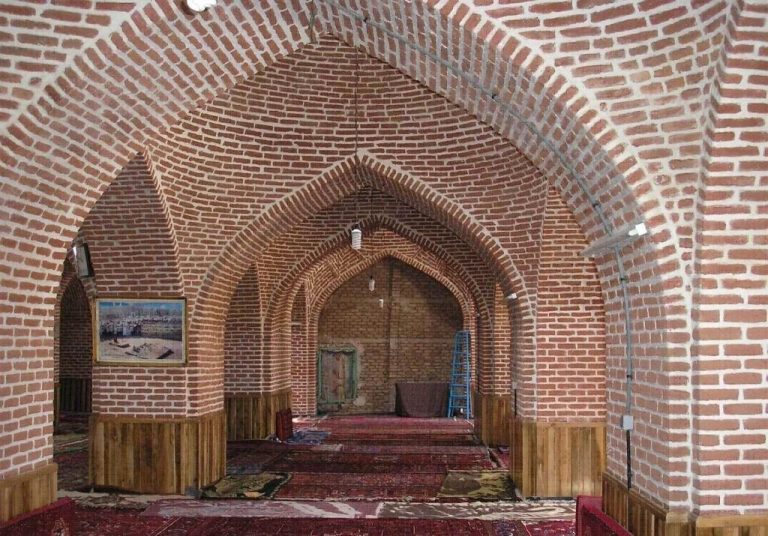
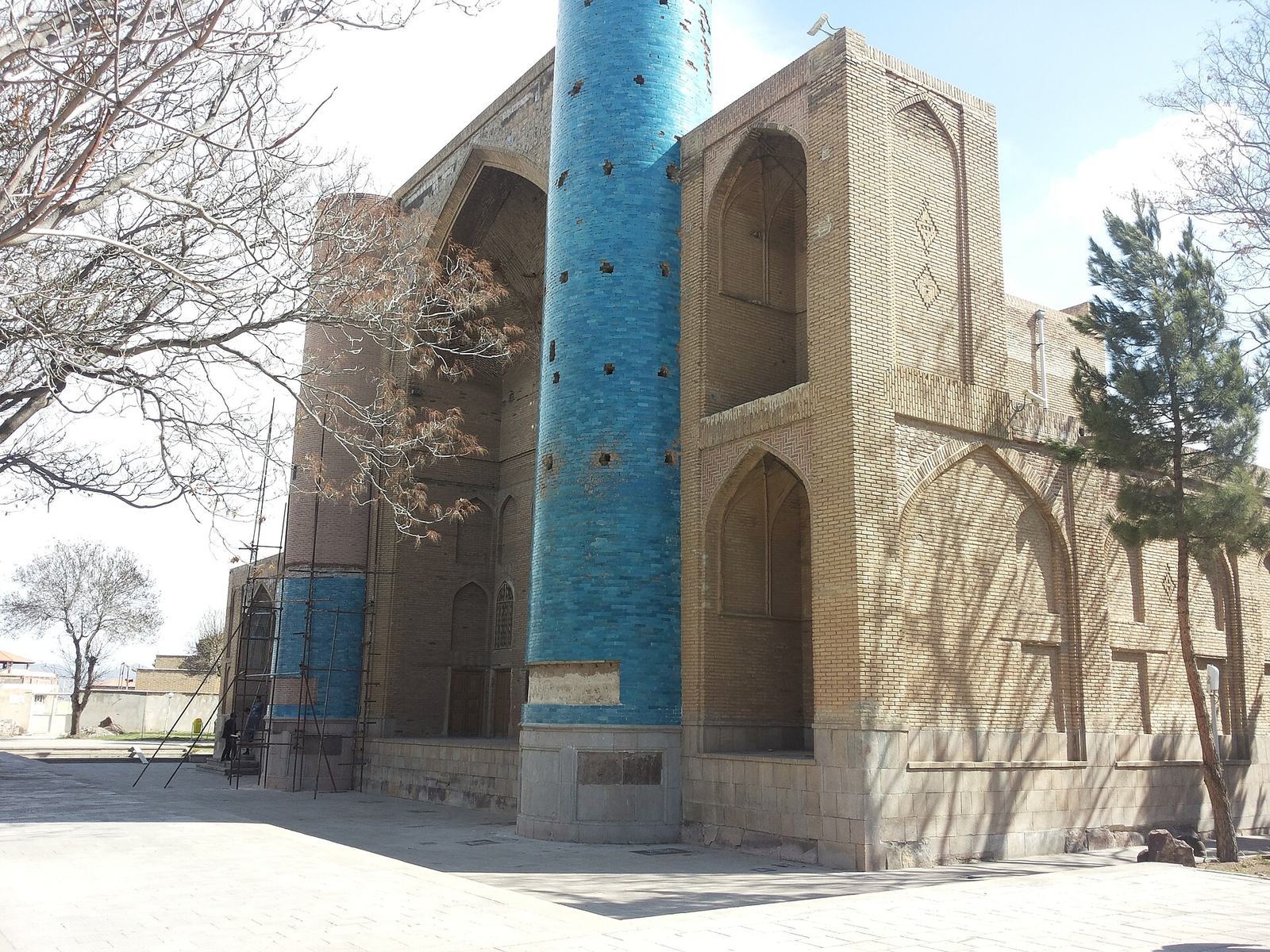
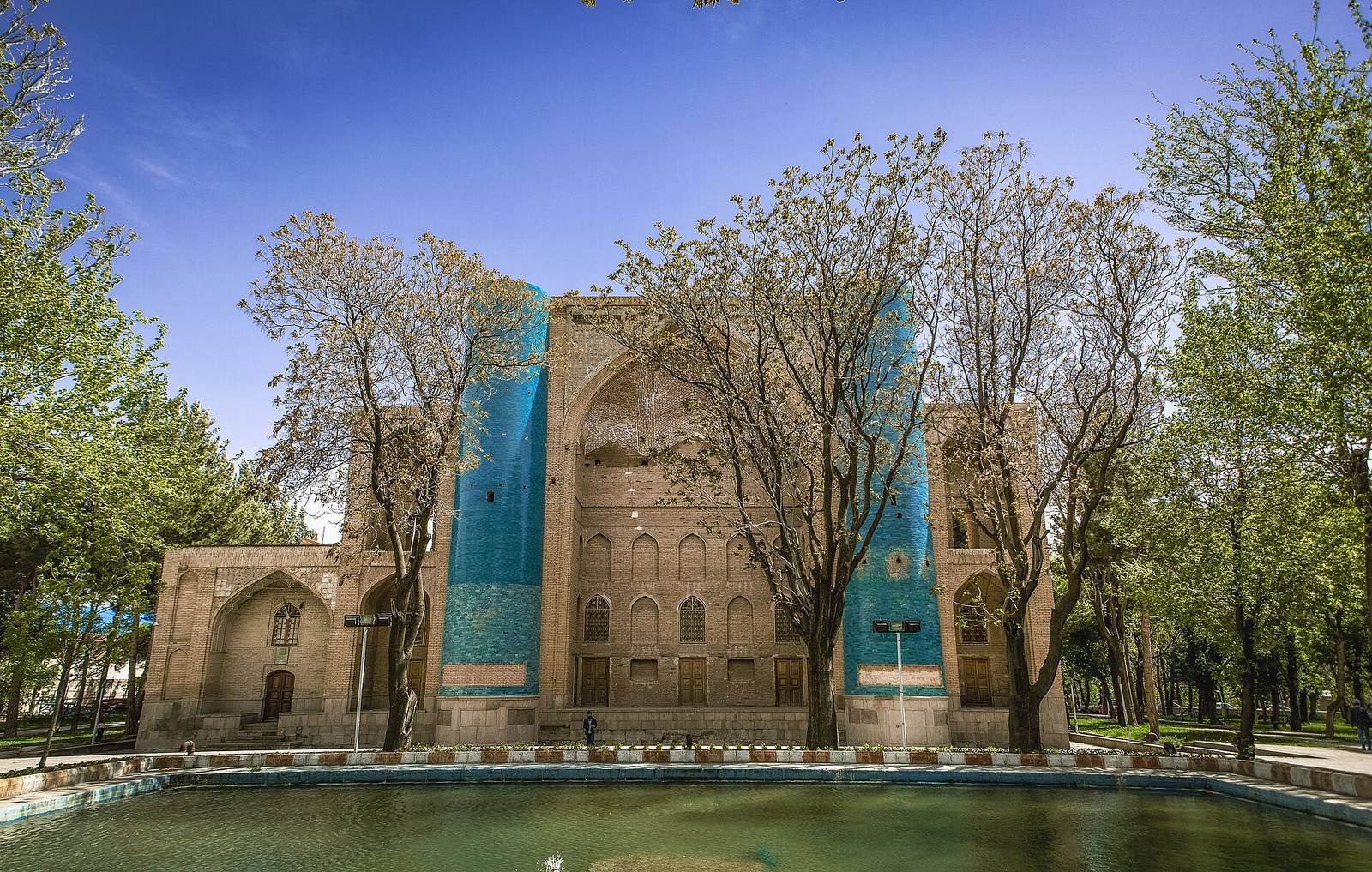
The complex follows Safavid Iranian architectural design and Islamic ornamental traditions. Its buildings include the mausoleum, former khanqah, mosque, a tall iwan (vaulted hall or porch opening onto a courtyard), two minarets, two smaller iwans, several chambers, and a space used for the worship of dervishes, members of Sufi religious communities. Sheikh Shahab ol-Din’s tomb lies in the courtyard and is enclosed by a stone wall.
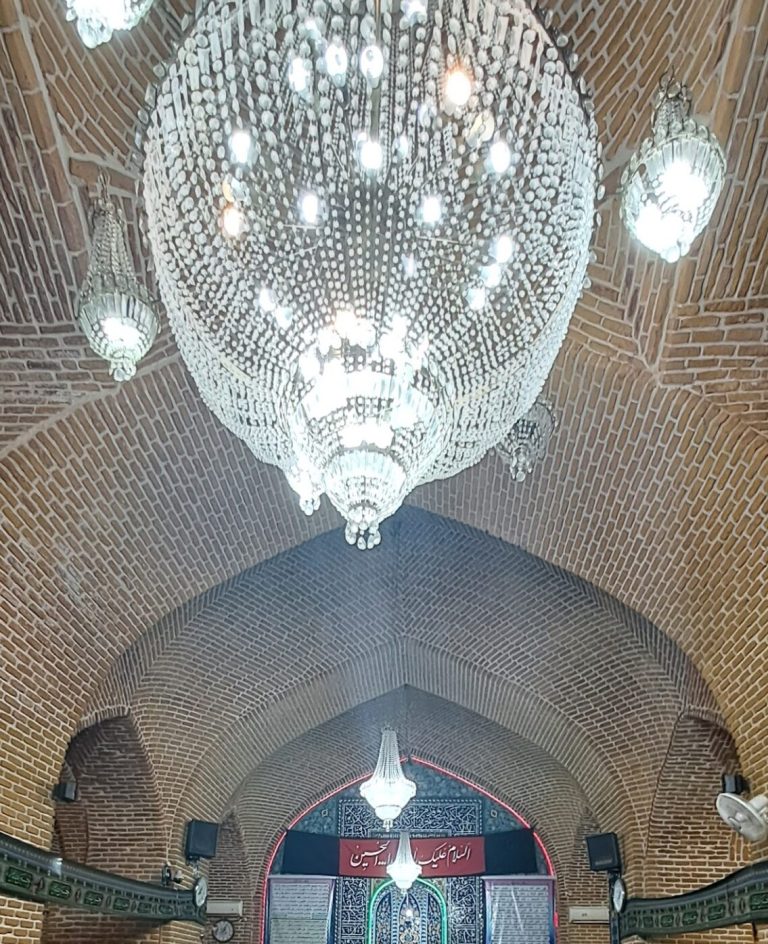
Mosque and inscriptions
The mosque occupies the eastern side of the courtyard. Its interior contains plasterwork and painted decoration, while its walls carry inscriptions and handwritten texts. These writings are identified with Sheikh Baha’i, a Safavid-era religious scholar, jurist, mathematician, and architect; Shah Abbas III, a later Safavid shah; and Abolqasem Nabati, a poet. Together, the mosque’s decoration and written material form part of the complex’s surviving religious and literary character.