Servite Church: An Early Baroque Parish Church in Vienna
Site at a Glance
- Rating
- 4.6
- Popularity
- Medium
- Country
- Austria
- Primary era
- Early Modern
- Eras represented
- Early Modern, Modern
- Civilizations
- Habsburg, Habsburg Austria, Holy Roman Empire
- Site type
- Religious
- Remains
- Church
On this page15 sections
History
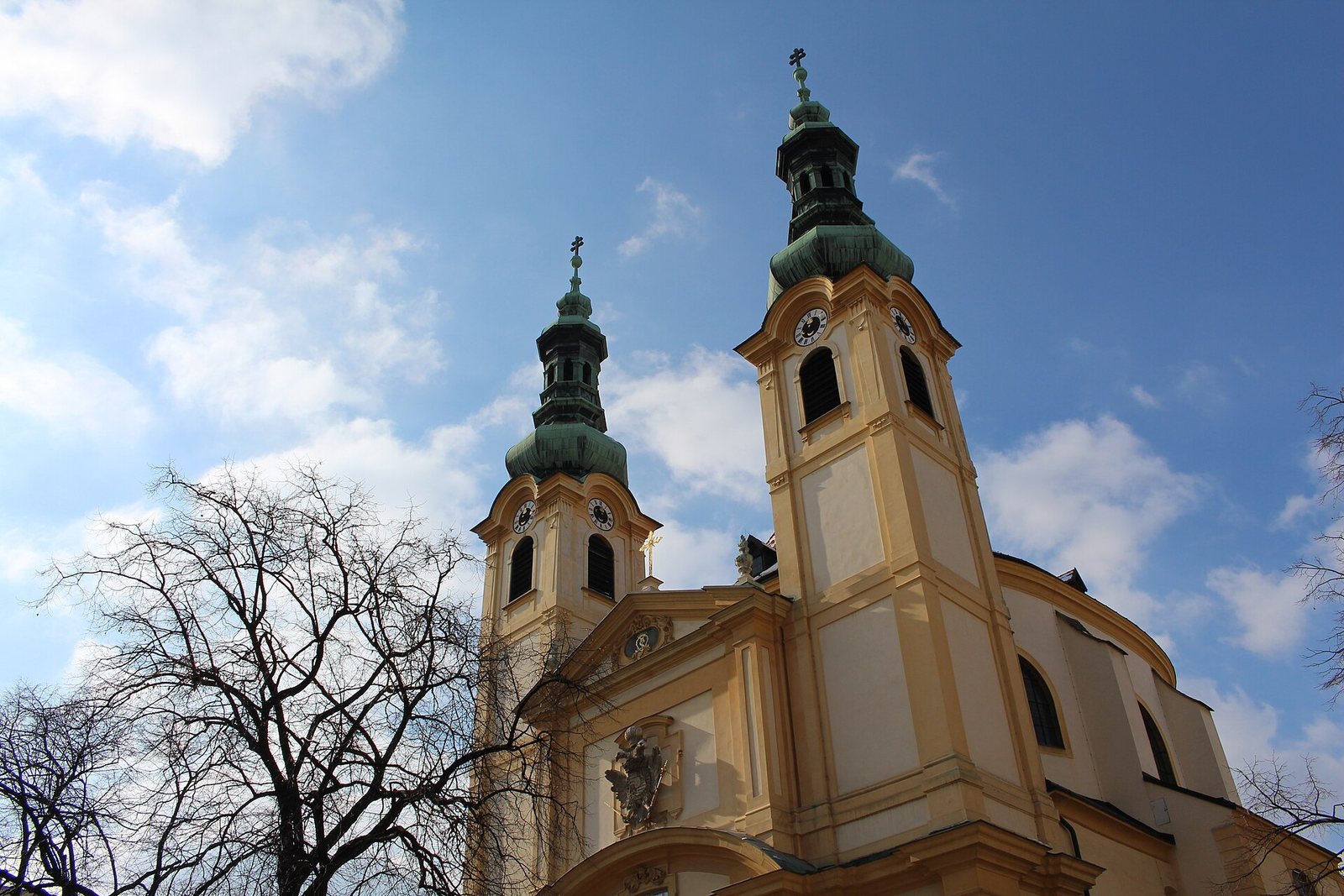
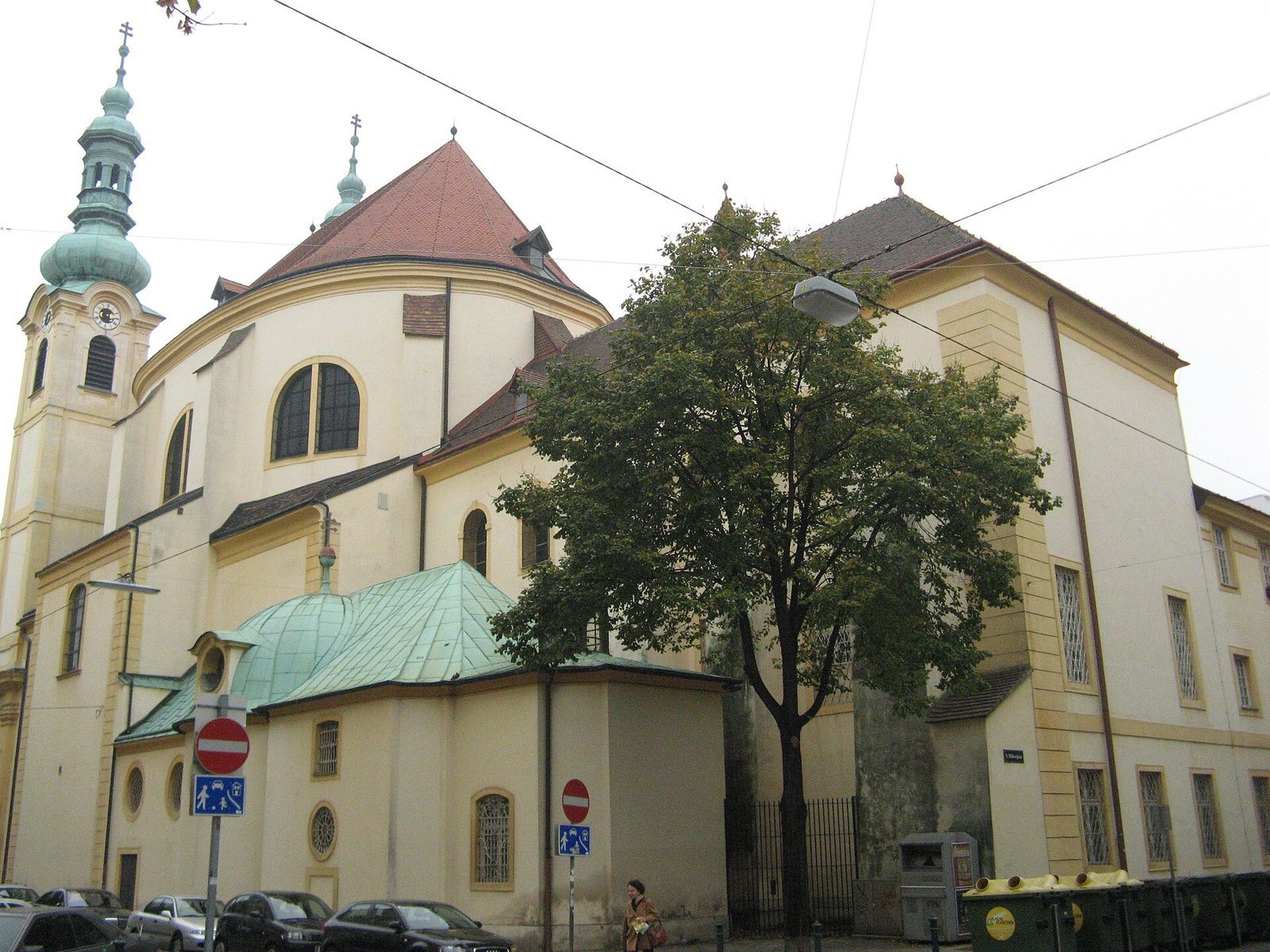
The Servite Church is an early Baroque church in Vienna, Austria, in the Rossau area of Alsergrund. Built for the Servite Order, it became the parish church of Rossau and was regarded as an influential model for later Baroque churches.
Foundation and construction
On 16 September 1638, Servite monks arrived in Vienna from Florence at the invitation of Ferdinand III, a Habsburg ruler and Holy Roman Emperor. They received permission to establish a monastery in Rossau. The order had founded its monastery in Innsbruck in 1613, its first north of the Alps.
The church was dedicated to the Annunciation, the Christian account of the angel Gabriel telling Mary that she would bear Jesus. Its foundation stone was laid on 11 November 1651, it was consecrated in 1670, and work on its interior was completed in 1677. It is regarded as one of Vienna’s important early Baroque suburban churches and helped shape the design of later Baroque churches.
Parish church and later changes
Originally serving the Servite Order, the church became Rossau’s parish church in 1783 and continues in that role within the Archdiocese of Vienna. Ottavio Piccolomini, a general who opposed Wallenstein during the Thirty Years’ War, was an important patron of the order. The war was a major European conflict fought from 1618 to 1648.
On 8 June 1917, a fire destroyed the church’s roof structure and brought down a corner tower that contained the funeral bell. Gerhard Hradetzky built the church organ in 1981.
Remains
Plan and architectural design
The church is a basilica, a form organized around a long central nave, with an early Baroque façade and interior. Carlo Martino Carlone designed it, drawing influence from the Italian Renaissance architect Andrea Palladio.
Altars and chapel
Altar of Our Lady of Sorrows
Designed by Antonio Beduzzi, this altar includes a 1470 Pietà, a sculpture showing Mary with the dead Christ. It also serves as the tomb monument of Ottavio Piccolomini.
Peregrine Chapel
Built on the church’s north side in the eighteenth century by Melchior Hefele, the chapel honors Peregrine Laziosi, a Servite friar venerated as a saint. Joseph Adam Ritter von Mölk painted its frescoes in 1766.
Altar of Saint Liborius
Baron Christoph Ignaz Abele funded this altar, dedicated to Saint Liborius, a fourth-century bishop of Le Mans venerated as a saint.
Sculpture and pulpit
Trinity group
A sculptural group showing the Trinity with angels was made by court sculptor Franz Caspar in 1723.
Baroque pulpit
Dating to 1739, the pulpit carries figures of the Four Evangelists and the Three Divine Virtues by sculptor Balthasar Ferdinand Moll.
Organ and bells
Organ
Built by Gerhard Hradetzky in 1981, the organ has 23 stops, which control sets of pipes, two keyboards, and a foot-operated pedal keyboard.
Bells
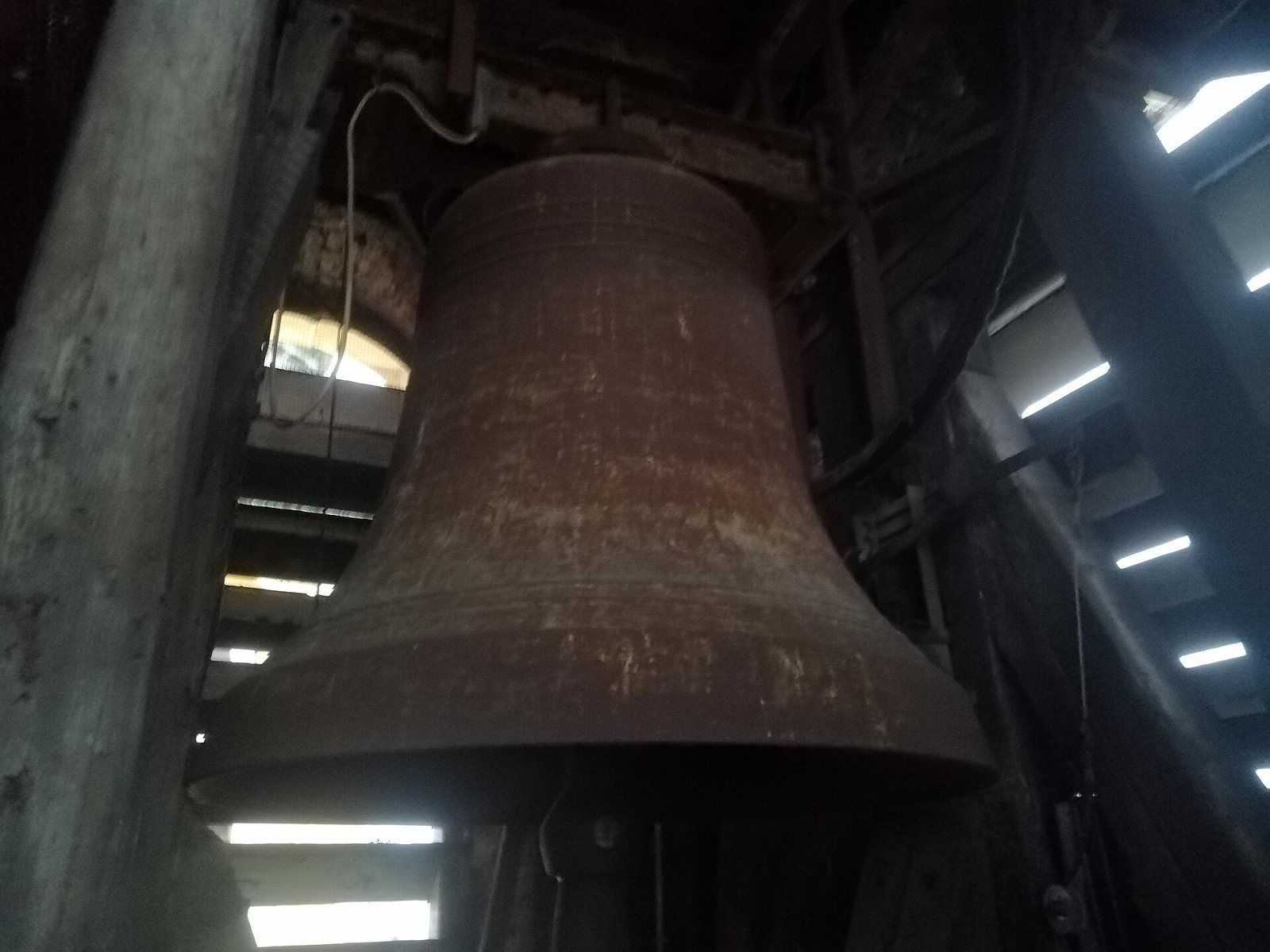
The four-bell peal is divided between the church’s towers: bells one and three hang in the left tower, while bells two and four hang in the right. Three bells were cast in steel by the Böhler foundry in 1924. The third-largest bell is bronze, cast by Joachim Groß in 1685. A smaller bell hangs above the choir in a Tyrolean-style bell turret.