Westerburg Castle: Medieval Noble Residence and Later Palace
Site at a Glance
- Popularity
- Medium
- Country
- Germany
- Primary era
- Early Modern
- Eras represented
- Medieval, Early Modern
- Civilizations
- Holy Roman Empire
- Site type
- Domestic
- Remains
- Castle
On this page8 sections
History
Westerburg Castle, in Germany, was first recorded in 1192, although a predecessor castle occupied the site in the 12th century. The castle later became the seat of the lords of Westerburg and a residence of a branch of the counts of Leiningen-Westerburg.
Leiningen and Runkel
The predecessor castle initially belonged to the counts of Leiningen, a German noble house. By the beginning of the 13th century at the latest, it had passed to the lords of Runkel. The transfer followed the marriage of Siegfried III of Runkel to a daughter of the House of Leiningen.
Seat of the lords of Westerburg
In the first half of the 13th century, the castle became the seat of the lords of Westerburg. By 1288, under Henry I, the Westerburg line had definitively separated from the House of Runkel.
Rebuilding and residence
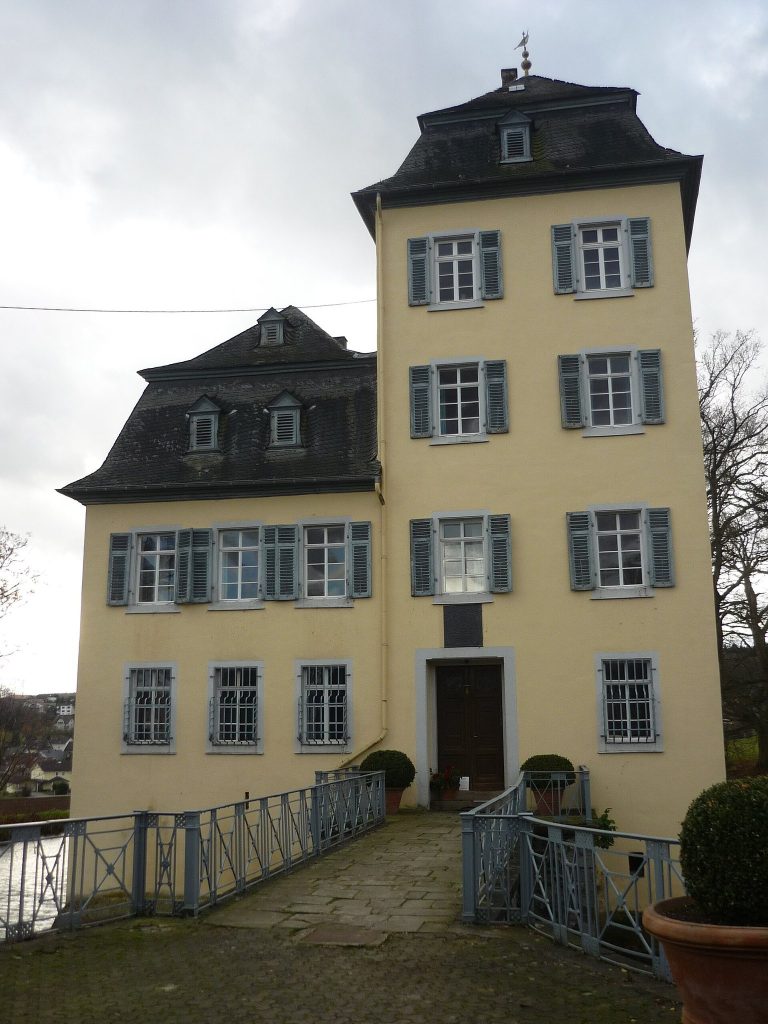
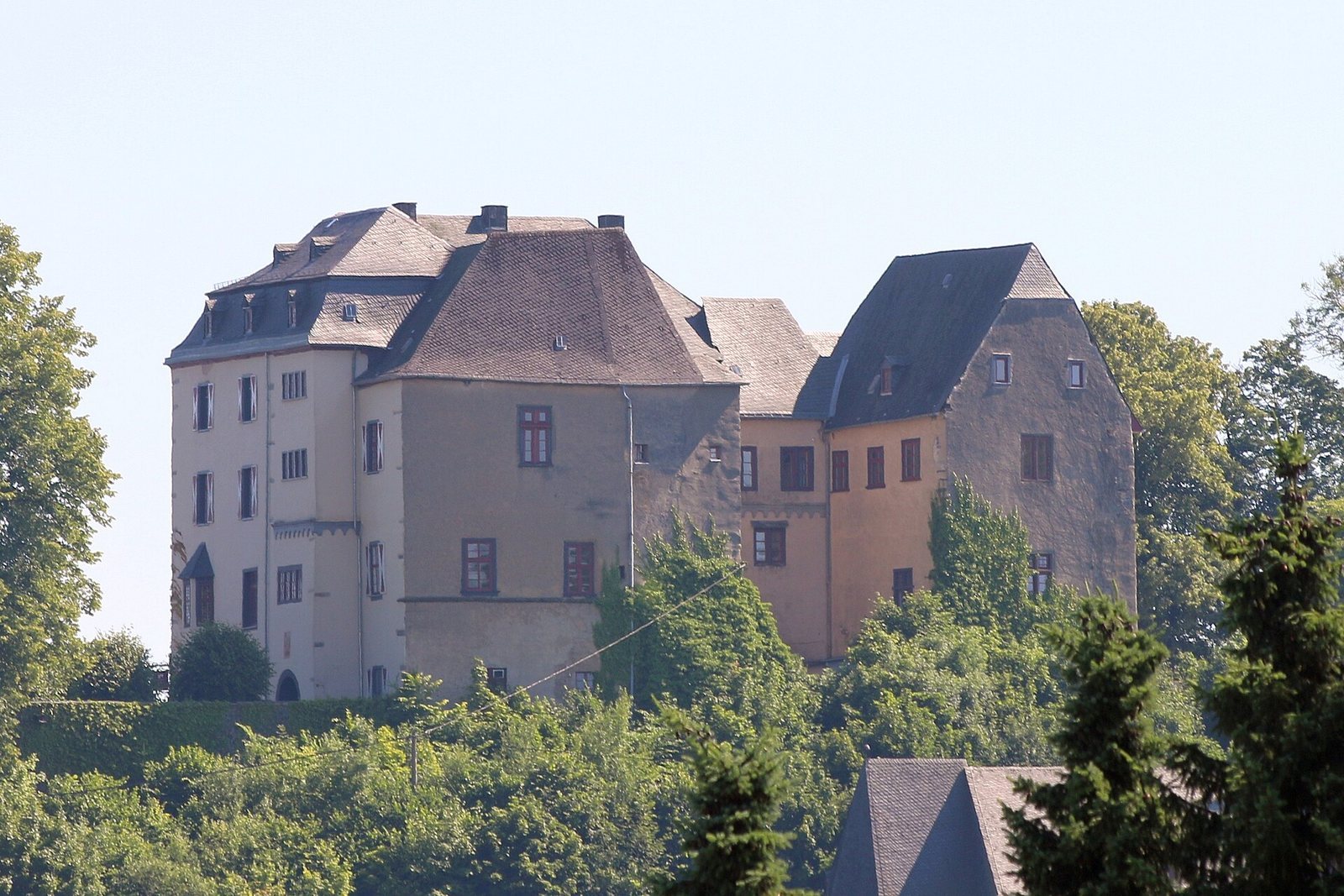
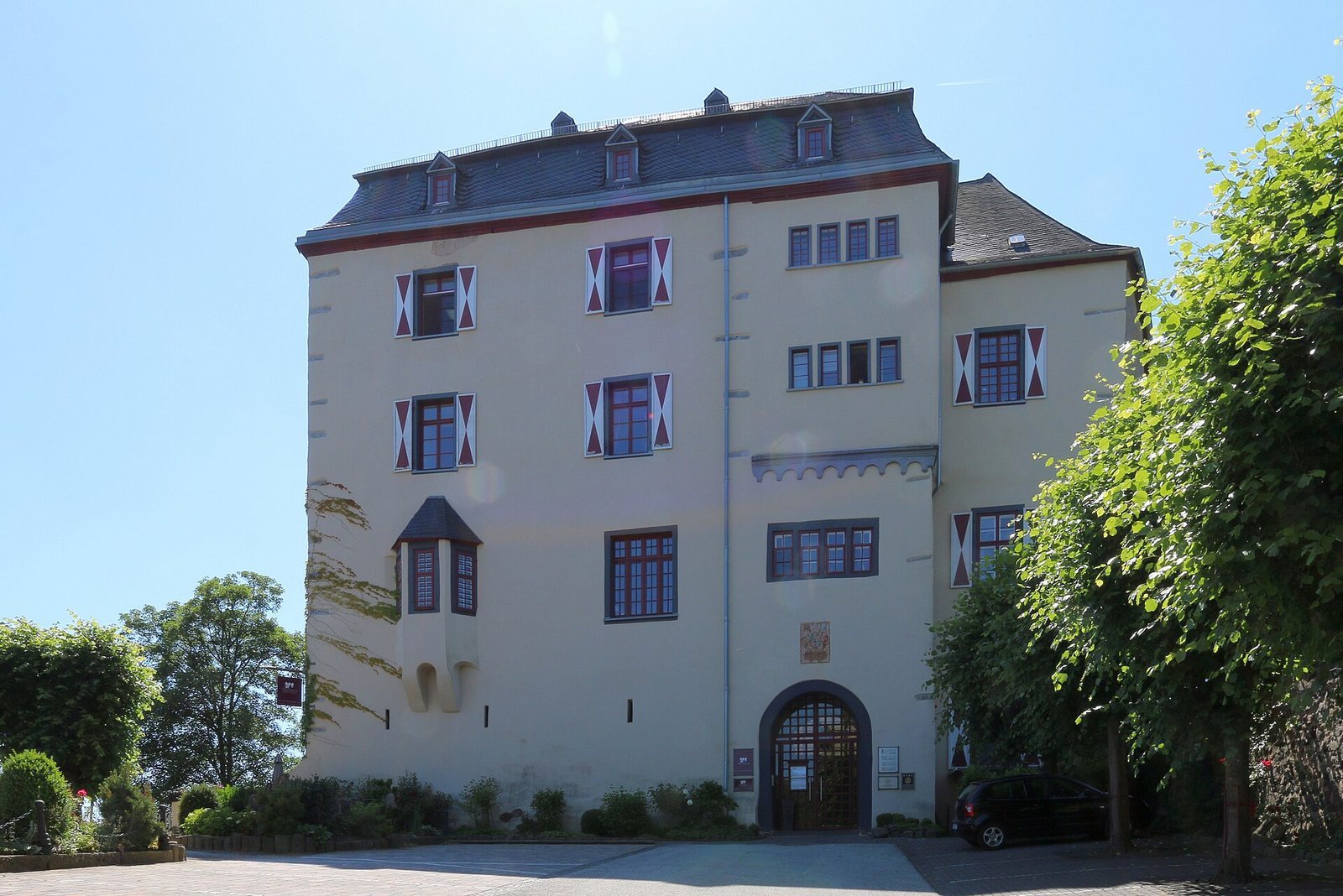
A rebuilding and renewal campaign probably took place shortly before 1561. The castle was enlarged and remodelled over time, and for a long period served as a residence for a branch of the counts of Leiningen-Westerburg. In the 18th century, it was expanded into a palace.
Remains
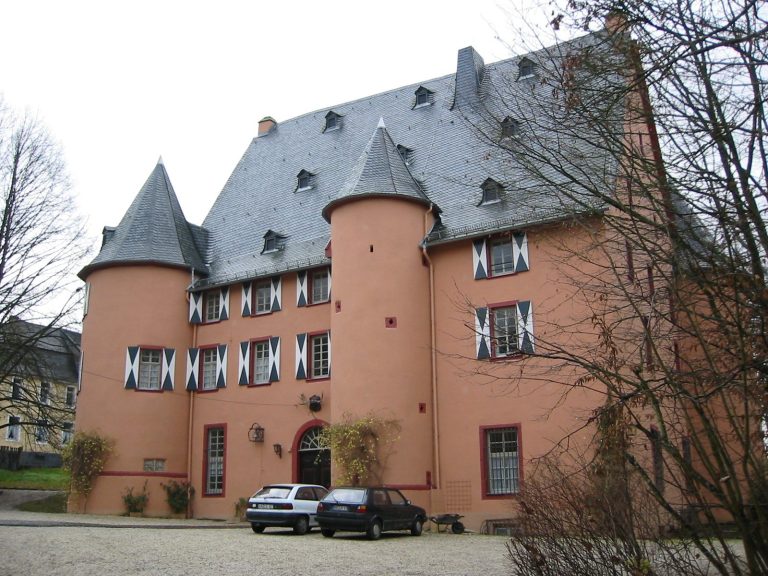
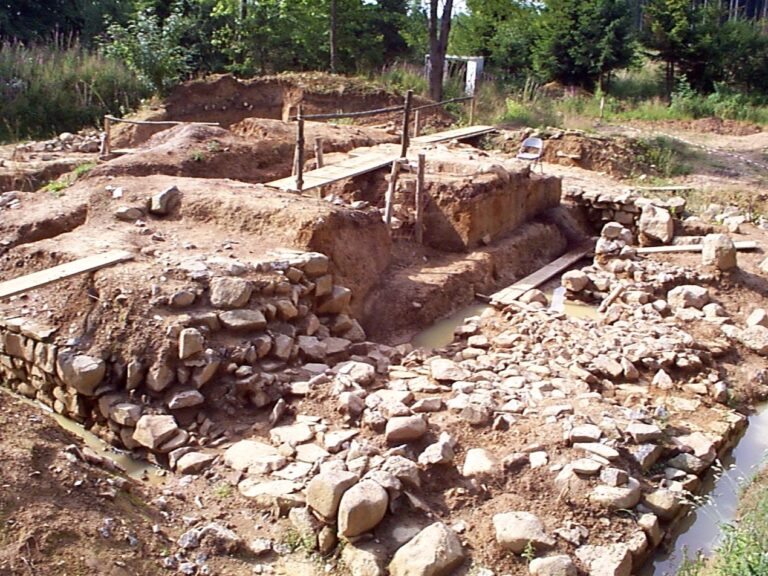
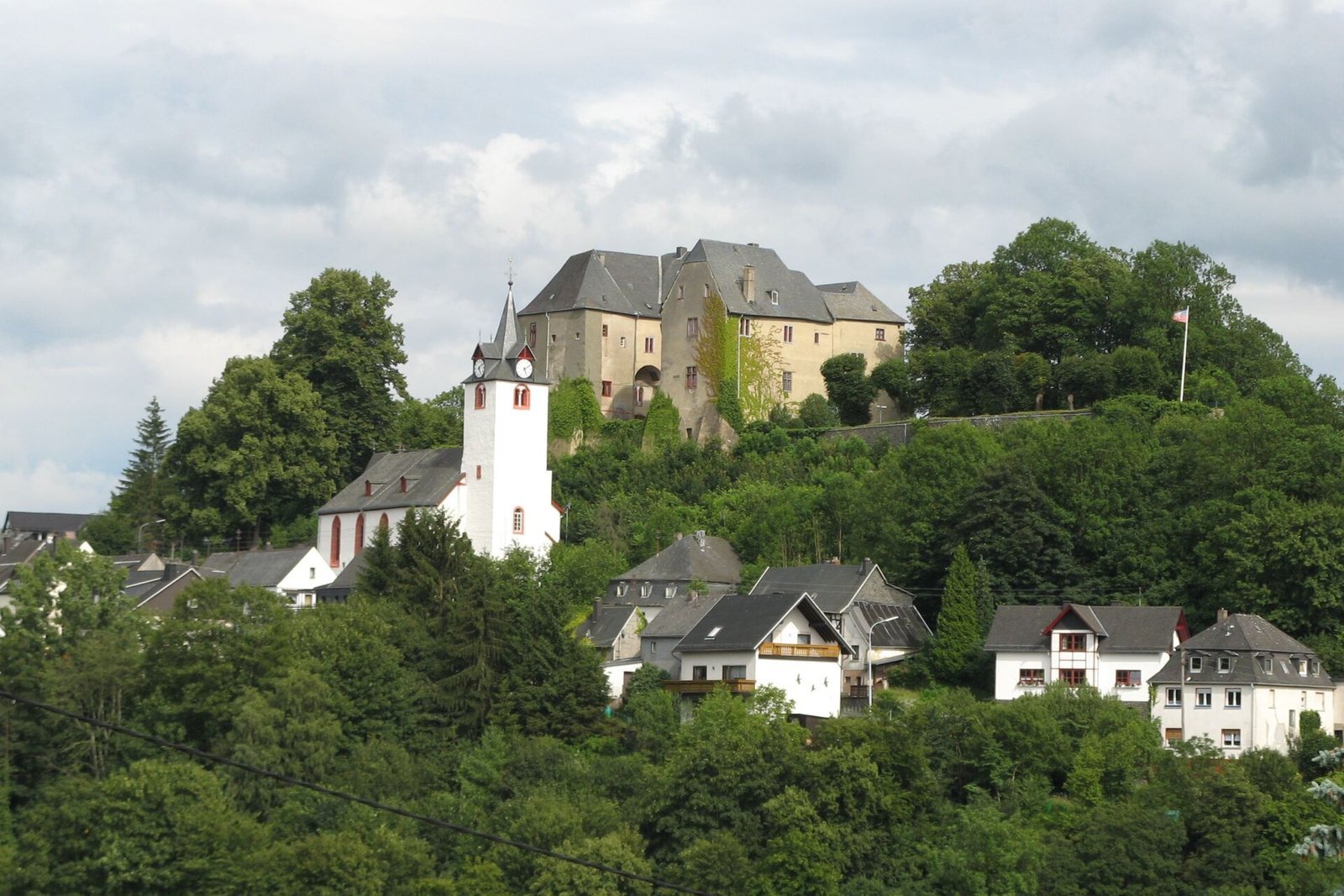
The castle occupies elevated ground on a plateau that originally lay east of Westerburg. The town has since grown around the site, whose surviving buildings reflect several periods of construction.
Early castle fabric
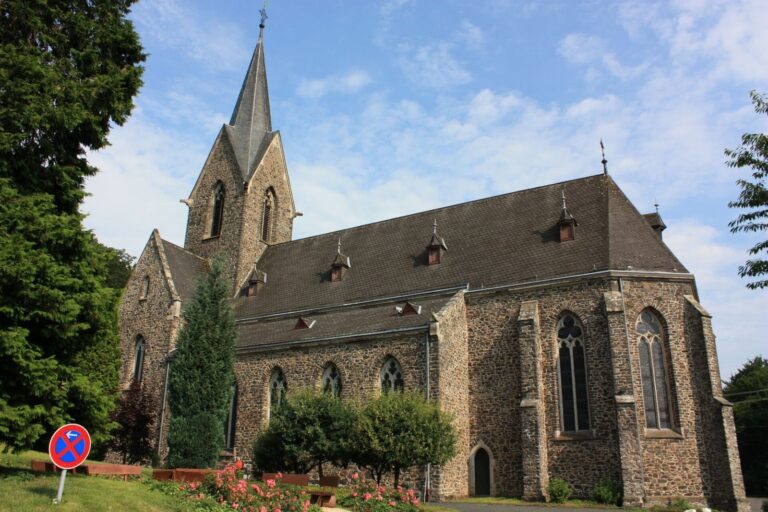
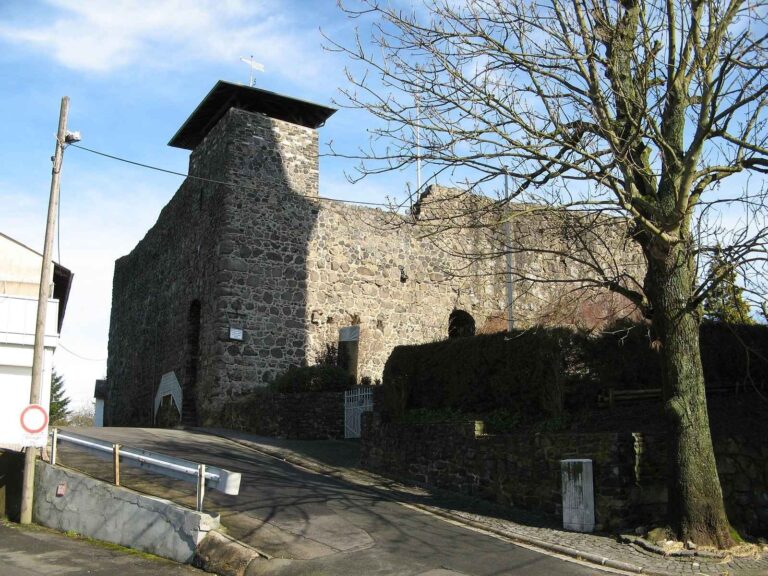
The northeast corner and east frontage are probably the oldest surviving parts of the complex. They include the castle chapel and are thought to date from the early 13th century.
Great hall
The building containing the great hall was completed between 1476 and 1483.
Eighteenth-century buildings and medieval tower
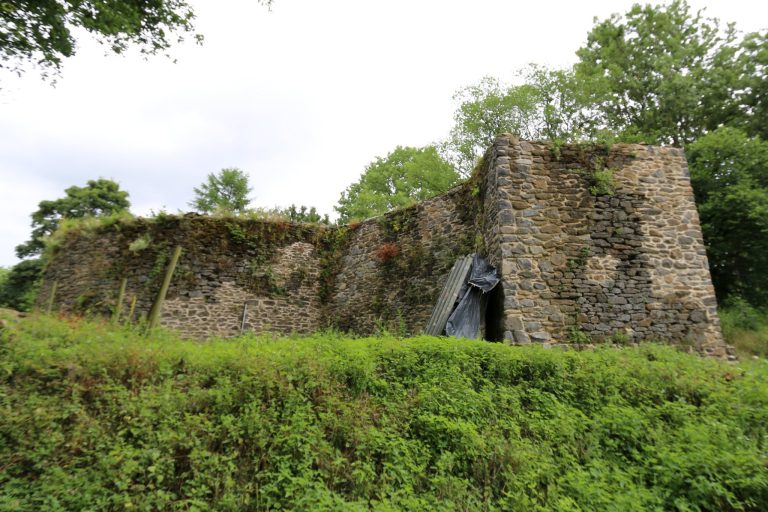
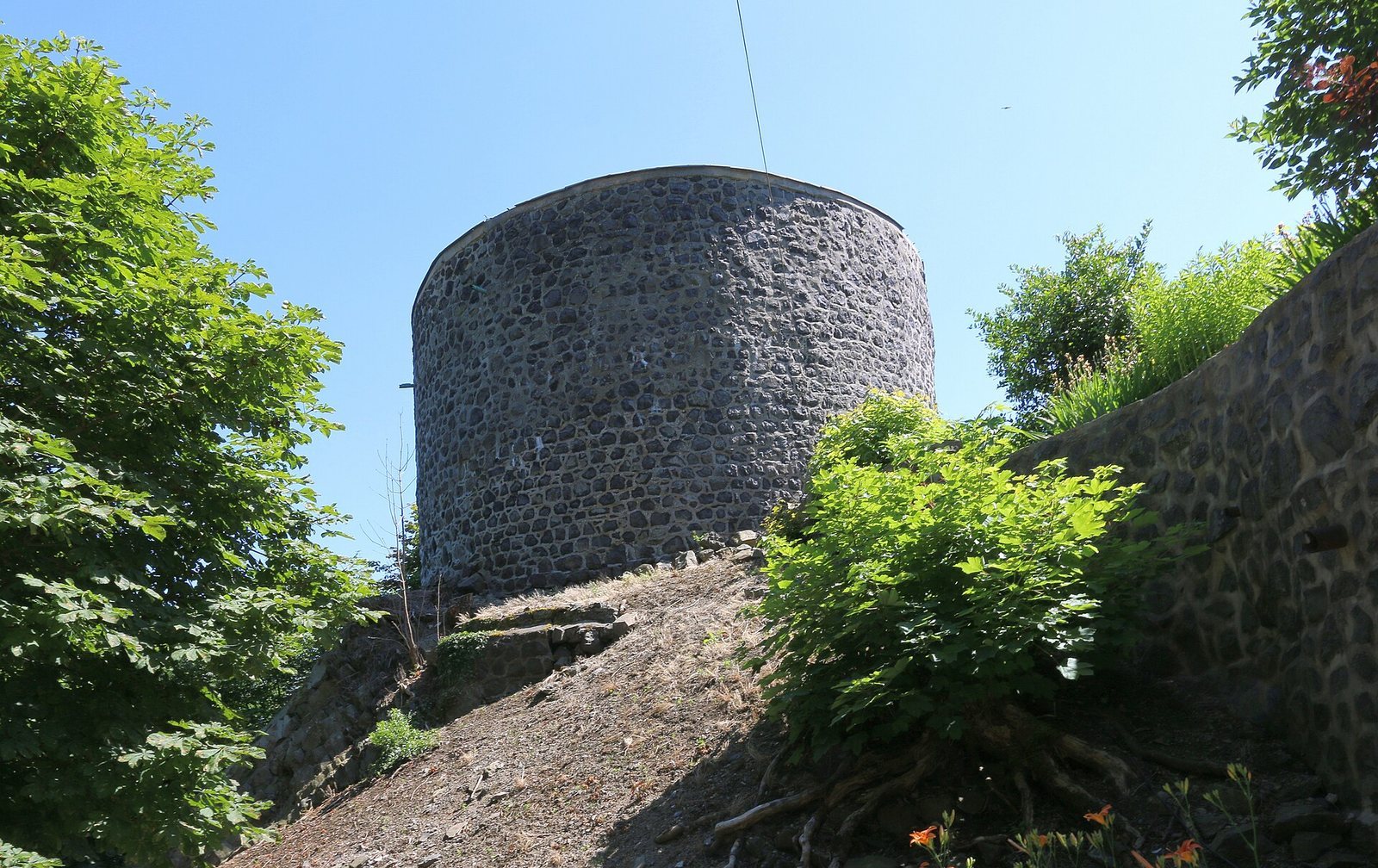
The other parts of the complex that survive today date from the 18th century. An image from that century shows a ruined medieval tower above the approach to the plateau. By the end of the century, the tower appears to have largely disappeared.