Schloss Vinsebeck: A Baroque Water Castle in Germany
Site at a Glance
- Popularity
- Medium
- Country
- Germany
- Primary era
- Early Modern
- Eras represented
- Early Modern
- Civilizations
- Holy Roman Empire
- Site type
- Domestic
- Remains
- Castle
On this page6 sections
History
Construction as a family residence
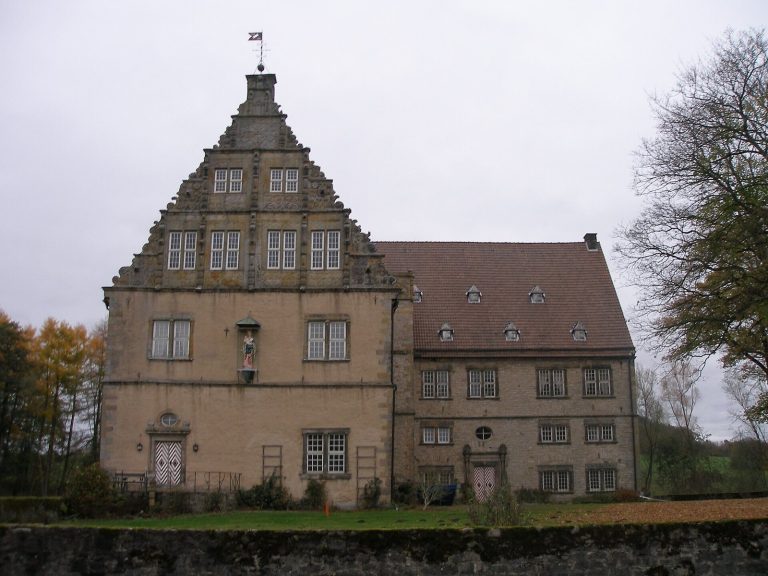
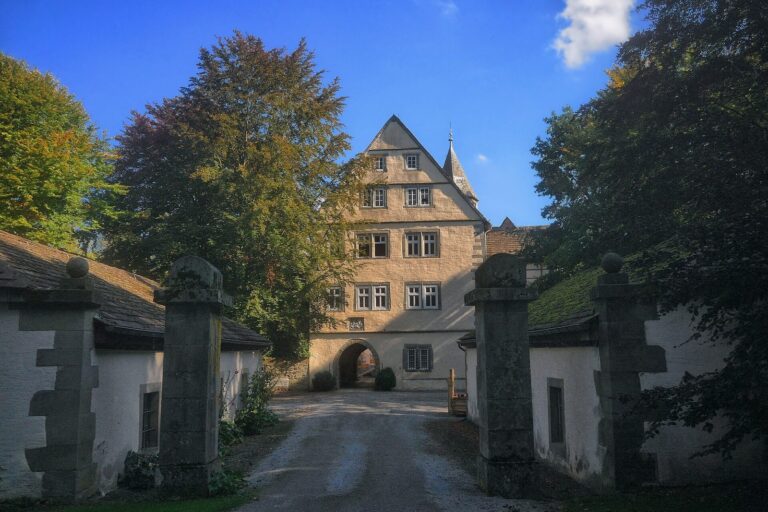
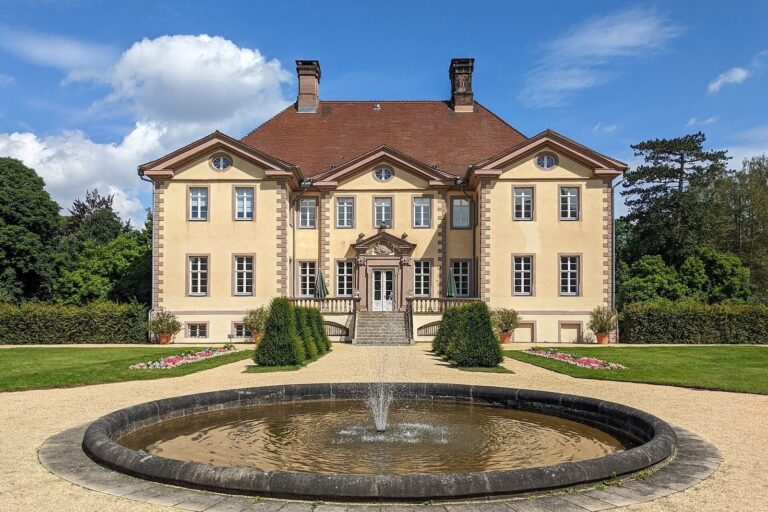
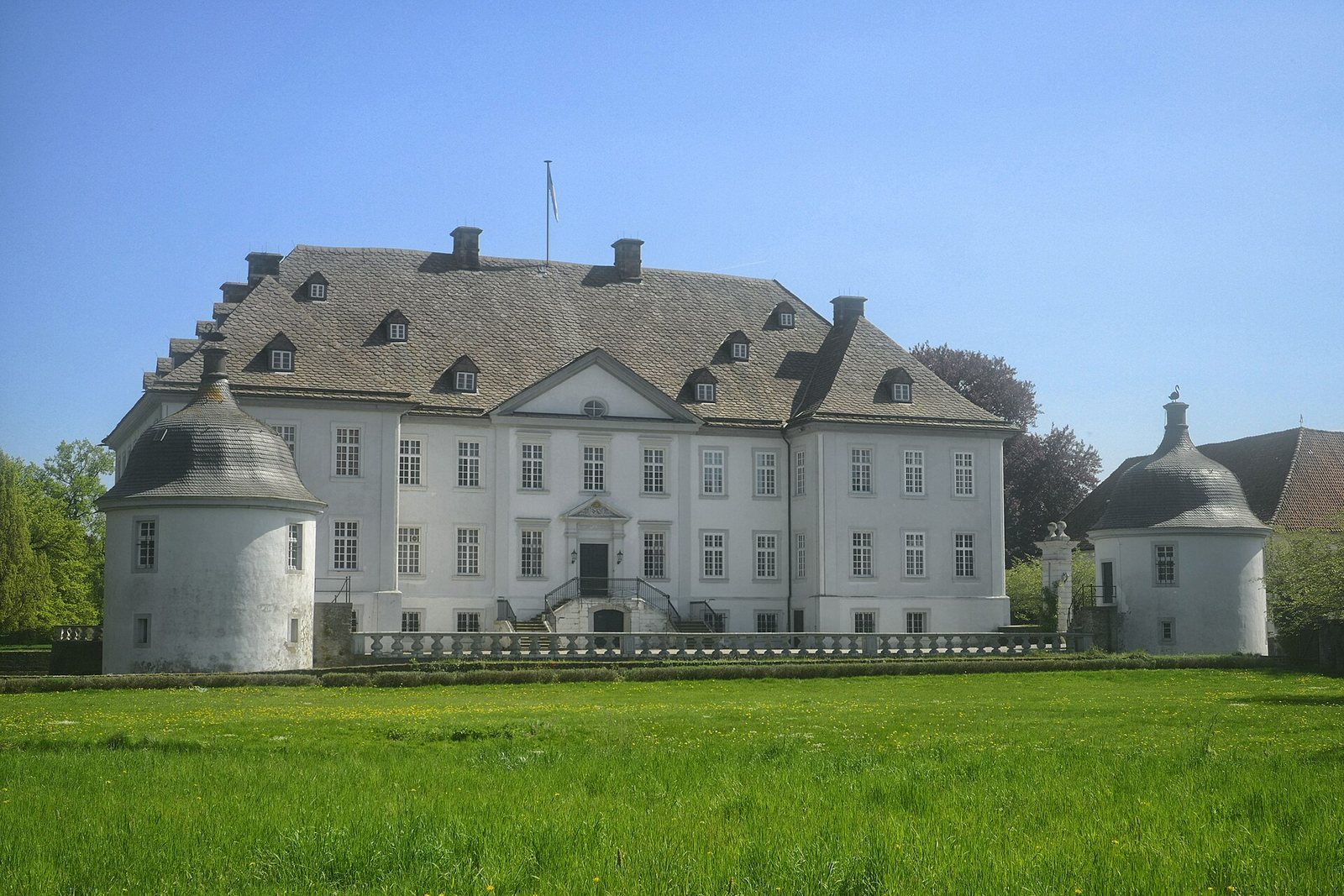
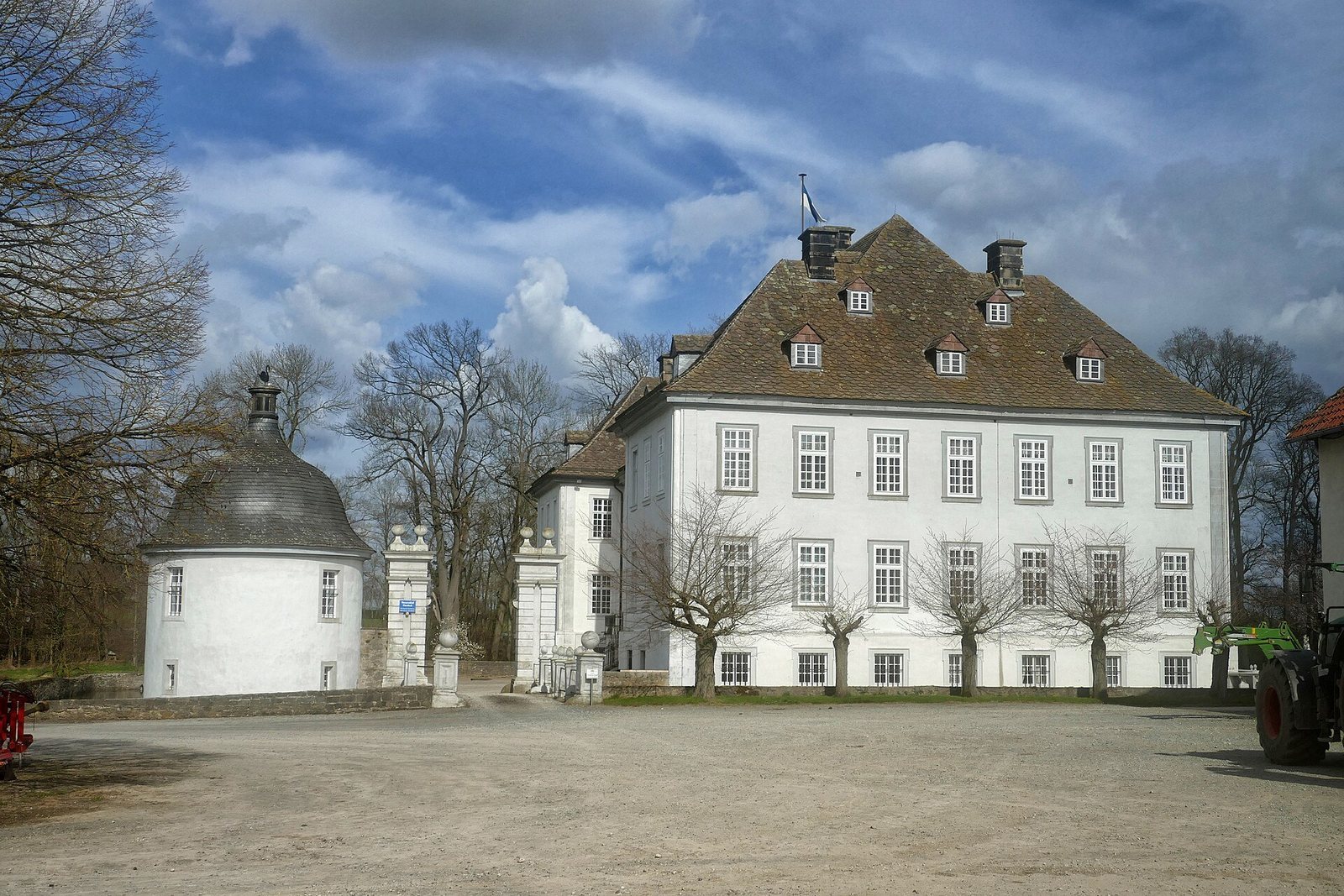
Schloss Vinsebeck is a water castle in Germany, built in 1720 as a summer residence for four brothers of the von der Lippe family. Its design is late Baroque, a European style associated with elaborate ornament and dramatic forms, and includes pronounced Classical elements drawing on ancient Greek and Roman architecture. The brothers were Johann Friedrich Ignaz, Ferdinand Ernst Adam, Adolf Franz Friedrich, and Mauritz Lothar. All four were canons of Paderborn Cathedral, members of the chapter involved in the cathedral’s religious life and governance. Johann Friedrich Ignaz also served the archbishop as Drost, an administrative steward.
Inheritance and family dispute
In 1767, Baron Moritz Anton von der Lippe died, bringing the male line of the Vinsebeck branch to an end. The castle passed to his sister Theresia, who was married to Hermann Werner von der Asseburg, and later to their daughter Antonette, wife of Count Johann Ignatz von Wolff-Metternich zur Gracht.
Around 1795, the Wintrup branch of the von der Lippe family began an unsuccessful lawsuit against the Wolff-Metternich counts over the lordship of Vinsebeck. The case challenged a family agreement made in 1767 that ended the castle’s status as a male fief, an estate restricted to inheritance through the male line, and permitted inheritance through women. The legal proceedings continued for more than 40 years. The castle is privately owned by Count Simeon von Wolff-Metternich.
Remains
Island, moat, and gardens
The castle stands on a square island in the Heubach, a tributary of the Emmer, with a water-filled moat surrounding it. A bridge on one side connects the island to a terrace-shaped forecourt before the main façade. The surrounding garden contains stone figures and a Neptune fountain, and only part of its original Baroque form survives.
Interior rooms
The interior includes the Italian Room, Driburg Room, Green Room, Moorish Room, and Chinese Room. Their fittings largely date to the original construction period and include stucco work and linen wall coverings painted across their surfaces.