Schwarzenegg Castle: A Renaissance Residence in Styria
Site at a Glance
- Rating
- 4.3
- Popularity
- Low
- Country
- Austria
- Primary era
- Early Modern
- Eras represented
- Early Modern, Modern
- Civilizations
- Duchy of Styria, Habsburg, Habsburg Austria, Holy Roman Empire
- Site type
- Domestic
- Remains
- Castle
On this page7 sections
History
Schwarzenegg Castle is a Renaissance residence in Kainach bei Wildon, within the municipality of Wildon in Styria, Austria.
From farmstead to lordly residence
The site began as a medieval farmstead known as Schwarzhof. Toward the end of the sixteenth century, the Styrian nobleman Kaspar Herberstorffer bought it and converted it into a noble residence. Ownership later changed several times as the property was progressively reshaped into a Renaissance castle and seat of a lordship. It served as a residence rather than a military stronghold.
Later history
Franz Kalchegger von Kalchberg (1807–1890), an administrative lawyer and politician, was born at the castle.
During the Second World War, the castle housed the inventory of the Graz Armoury.
Remains
Layout and architecture
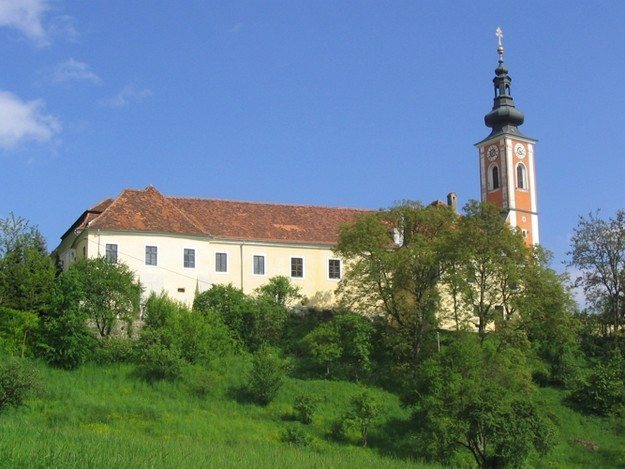
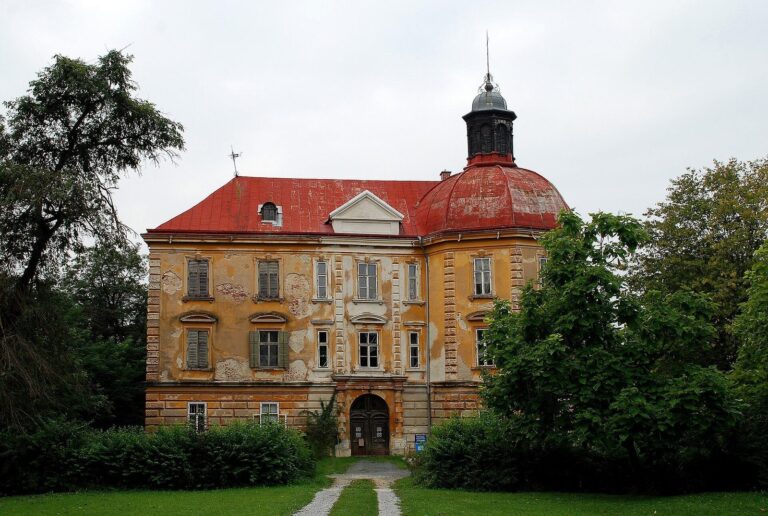
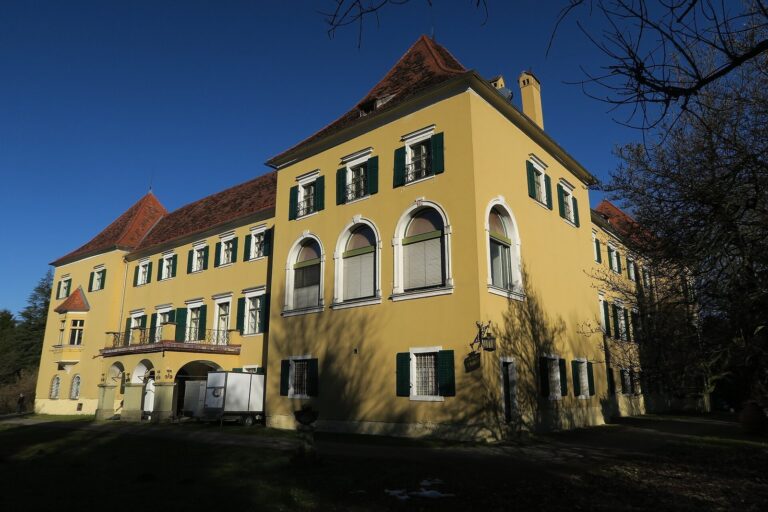
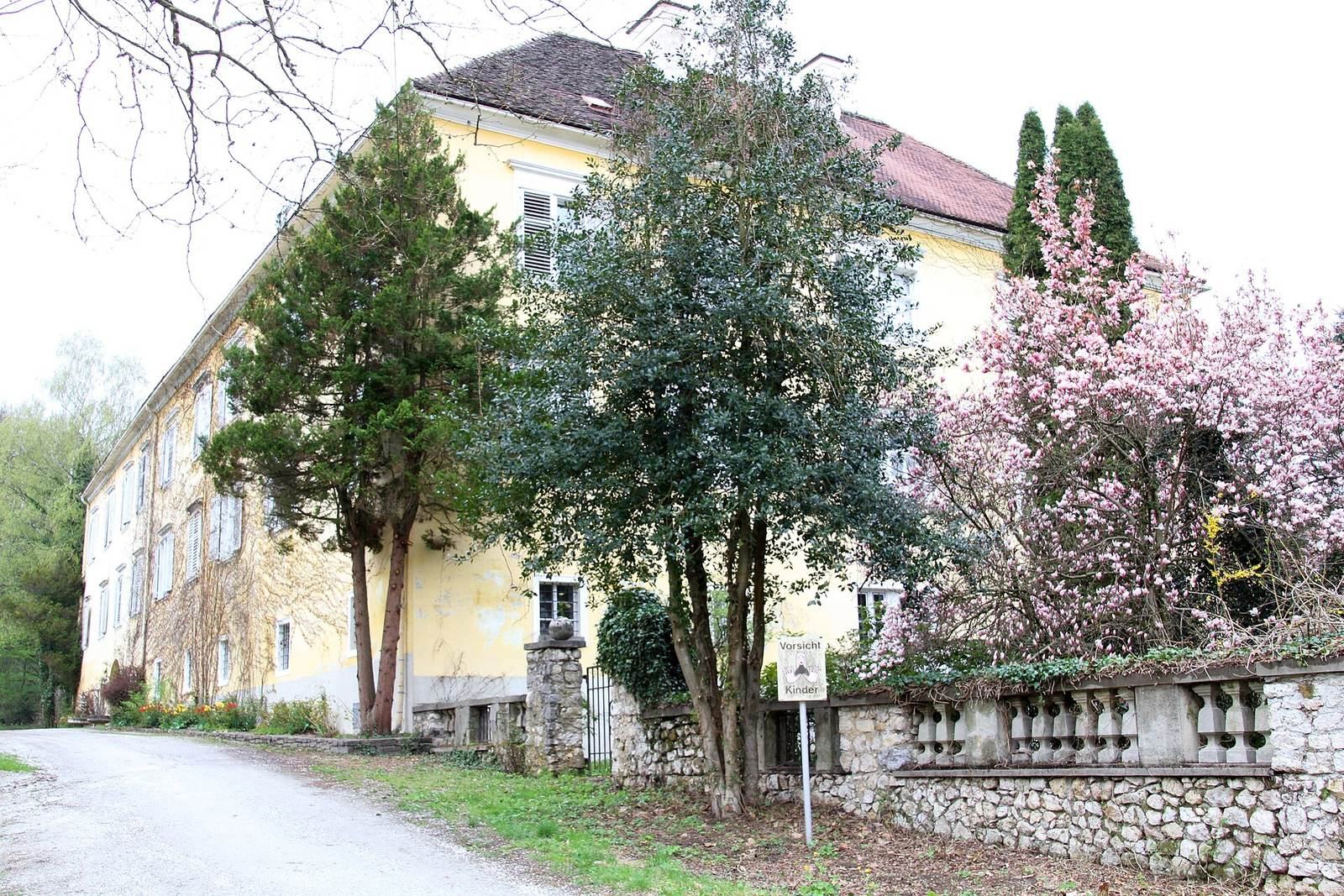
Set in a park at the foot of Wildoner Schlossberg, the castle consists of a two-storey Renaissance main building and ancillary buildings arranged around an arcaded courtyard.
Main building and courtyard
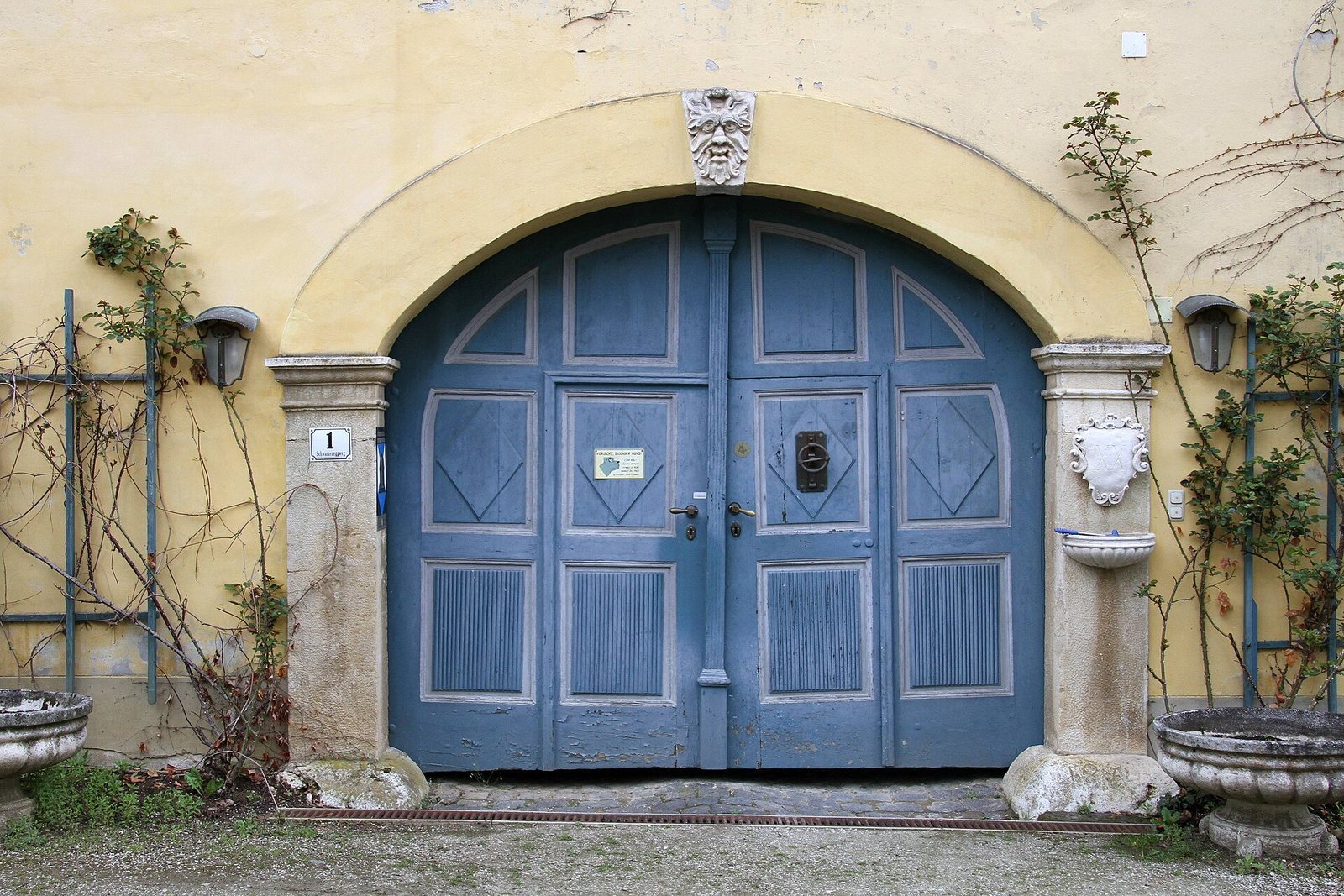
The main building has a plain façade with Renaissance shutters and two simple portals. Along the courtyard side of the south wing, a three-storey column arcade forms a prominent part of the building’s arrangement.
Chapel, ancillary buildings, and approach
The ancillary buildings include a chapel dedicated to the Visitation of Mary, the Christian account of Mary visiting Elizabeth, and a modern riding hall. A statue of St John of Nepomuk, a fourteenth-century Bohemian priest venerated as a Catholic saint, stands beside the castle’s approach. The statue dates to 1739.