Schloss Schönhagen: A Manor House and Estate Center in Germany
Site at a Glance
- Popularity
- Medium
- Country
- Germany
- Primary era
- Modern
- Eras represented
- Modern
- Civilizations
- German
- Site type
- Domestic
- Remains
- Manor House
On this page10 sections
History
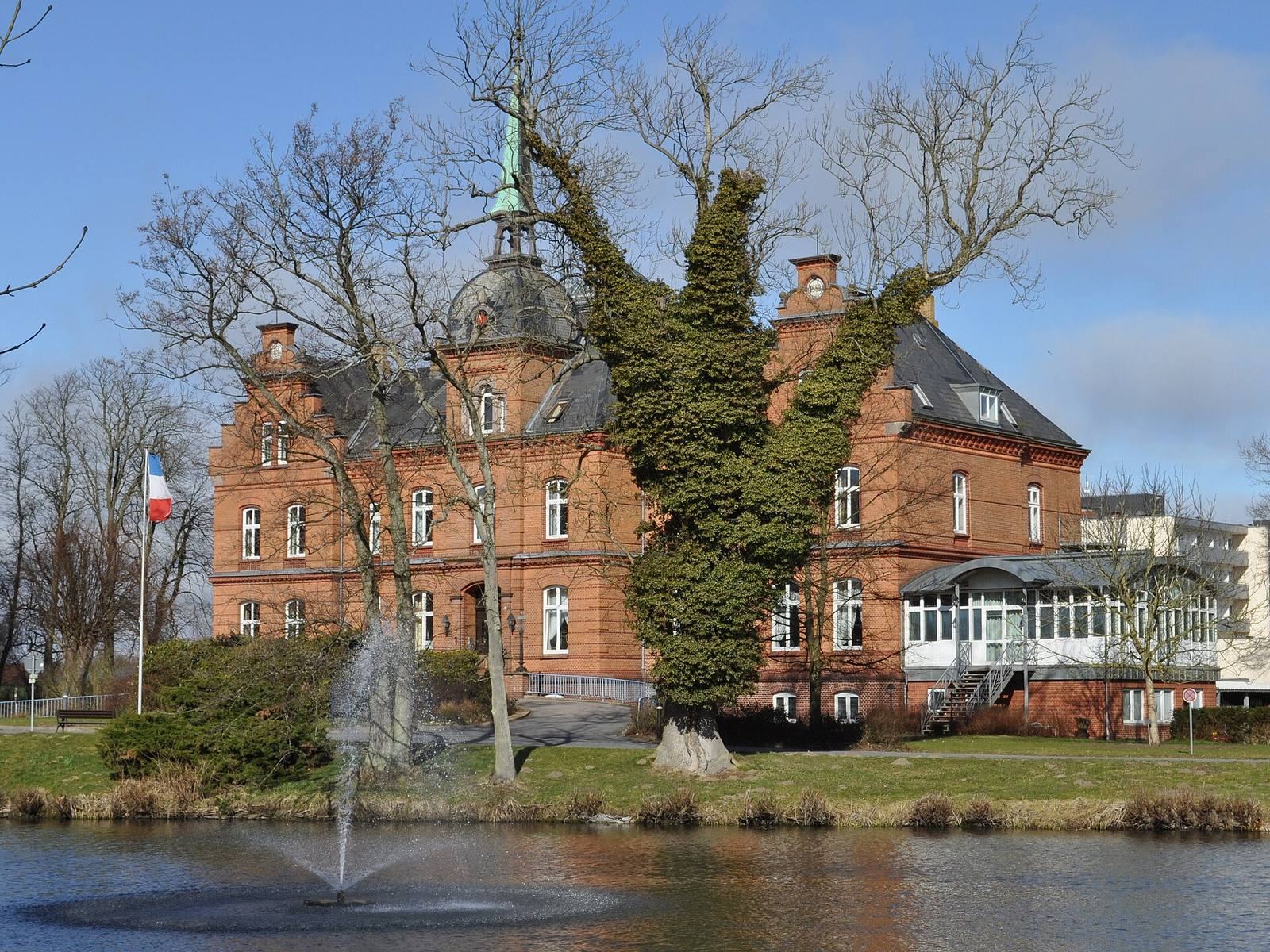
Schloss Schönhagen is an 1889 manor house in Schönhagen, within the municipality of Brodersby, Germany, and the former central building of its manor estate. The place was first recorded in 1652, while its origins reach back to an estate farm established in 1604 near Höxmark.
From estate farm to manor
The name Schönhagen derives from Hagen, meaning an enclosure or enclosed clearing, and has been understood as “beautiful enclosure” or “garden.” It also appeared as “Norhafen,” probably reflecting the Old Danish haghi and Danish have, both associated with “garden,” corresponding to Skønhave.
Schönhagen became a separate manor estate in 1711, when it split from the Olpenis estate. From 1712 to 1754 it was attached to the Loitmark estate as a dependent farm. Colonel Joachim Dietrich von Dewitz owned Schönhagen in 1712, and the estate later changed hands.
The estate in the nineteenth century
By 1840, the estate covered just under 2,500 Morgen, a historical measure of land area. It had 64 families, numbering 310 people, and its dependent holdings included Höxmark, half of Brodersby, Nordhagen, and Kiekut.
During the Schleswig-Holstein Uprising of 1848–1851, a conflict over the political and national affiliation of Schleswig and Holstein, Schönhagen joined the estates of Carlsburg and Wittmark in forming a popular militia. At the time, Schleswig was a fief of the Kingdom of Denmark, and the uprising involved people with both German- and Danish-oriented loyalties. In April 1848, estate lord Paul Paulsen Henningsen voted in the united Schleswig-Holstein Estates Assembly for the insurrectionary government. He also supported asking the Frankfurt Federal Diet, an assembly of delegates from the German Confederation’s member states, to advocate for Schleswig’s incorporation into Germany.
The Jauch estate and the manor house
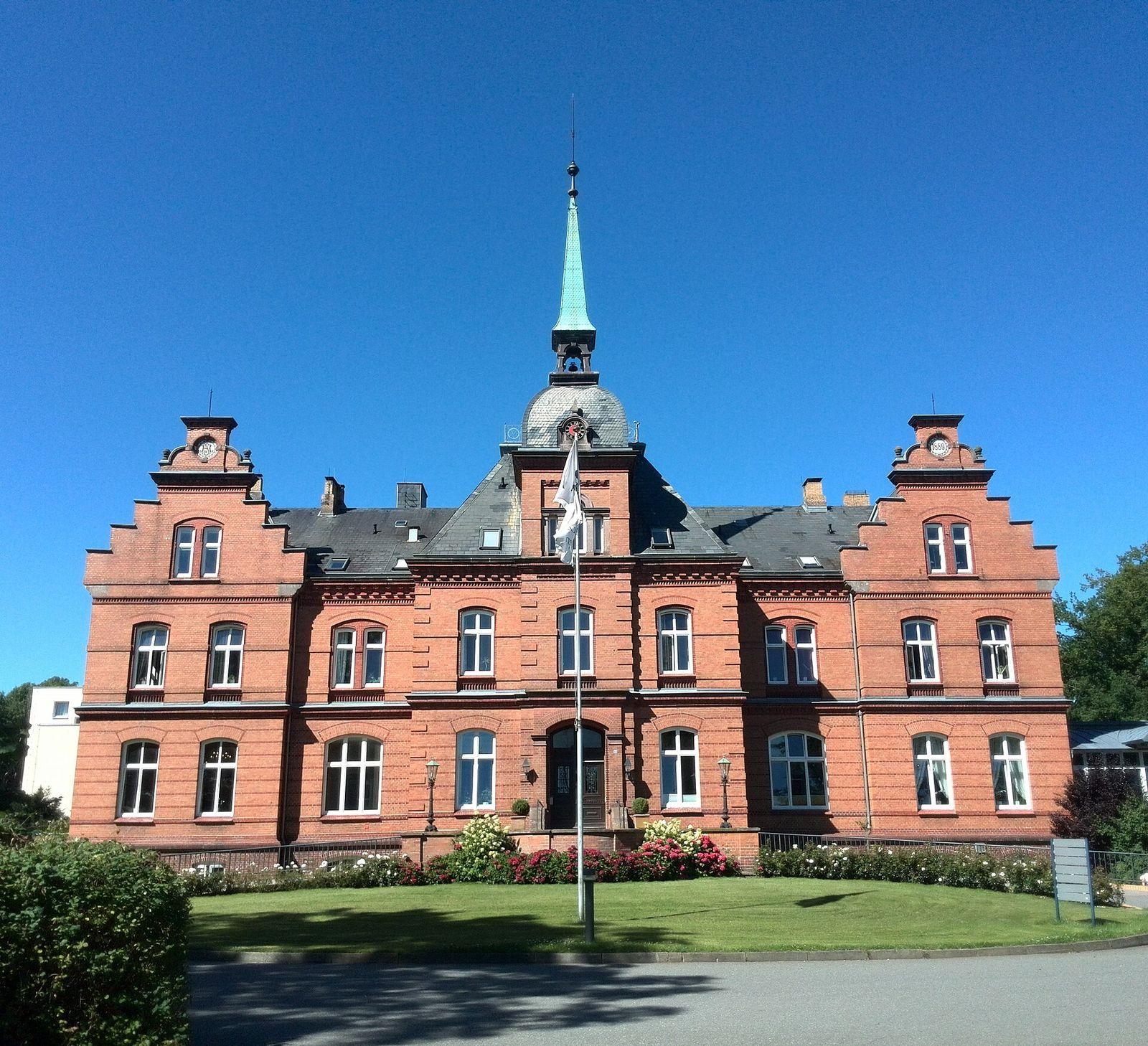
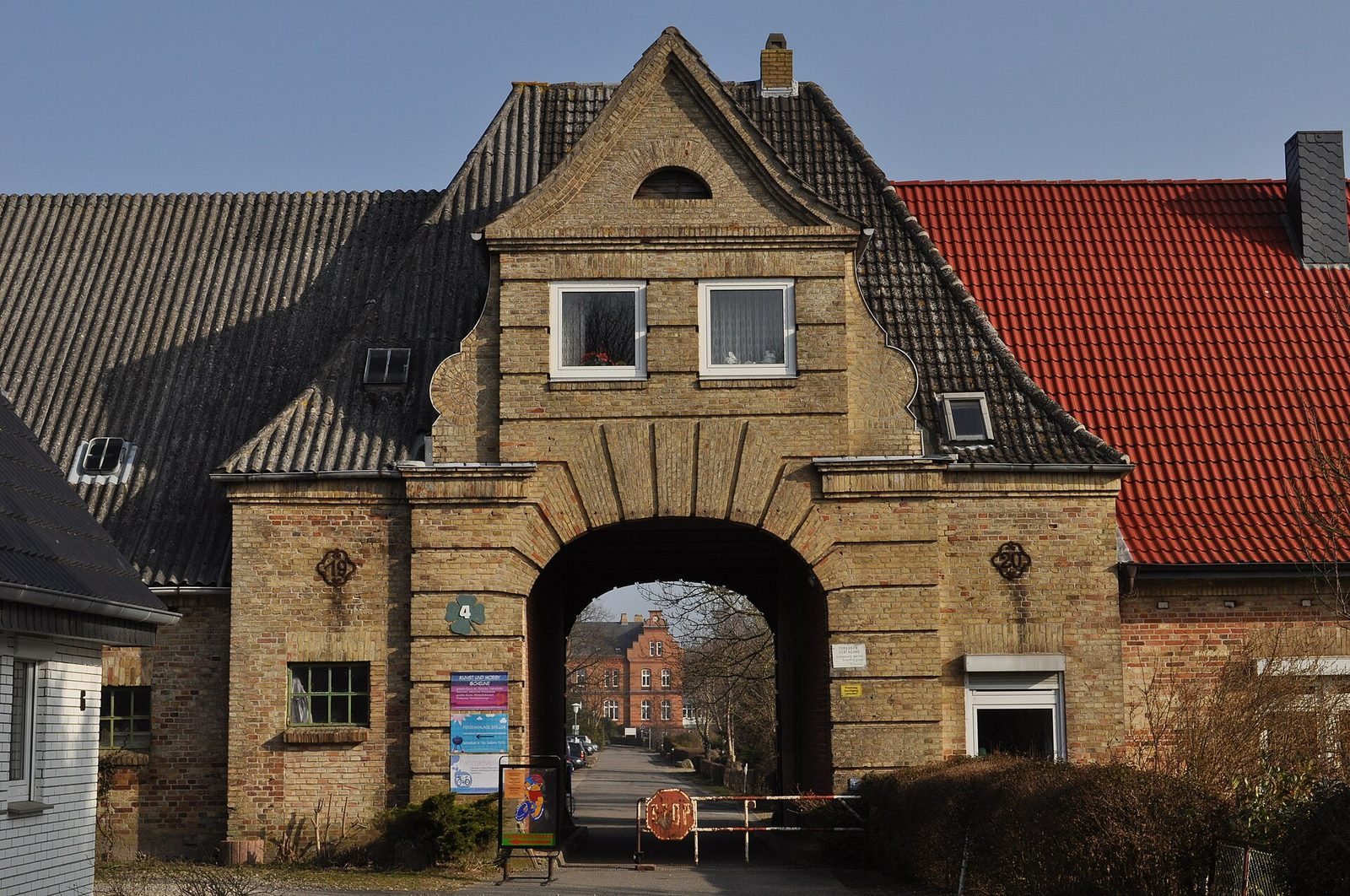
Hermann Jauch, a wealthy member of Hamburg’s Jauch family, acquired Schönhagen and Schwonendahl in 1882. Further purchases enlarged the estate to its greatest extent, 2,800 Morgen. In 1889 he had the manor house built, and it became known locally as Schloss Schönhagen. After Hermann’s death, his son Erich inherited the estate and commissioned the gatehouse in 1913. Erich sold the estate in the second half of the 1920s; it remained an estate district until 1928.
School, hospital, and later uses
The Society for the Promotion of the Hebbelschule, a secondary school in Kiel, acquired the building in 1928 and opened it as a country home for school groups the following year. From 1931, it also rented the property to other schools to reduce costs. After war broke out, the building served temporarily as a reserve hospital.
The society sold Schloss Schönhagen to the City of Kiel in 1941. From 1945 to 1970, the city continued to operate it as a country home for Kiel schools, with each pupil able to stay once. In the 1970s it was used as a hotel and international educational center. Today the manor house is the principal building of a Helios Clinics rehabilitation center and remains the central building of the former estate and the seaside resort of Schönhagen.
Remains
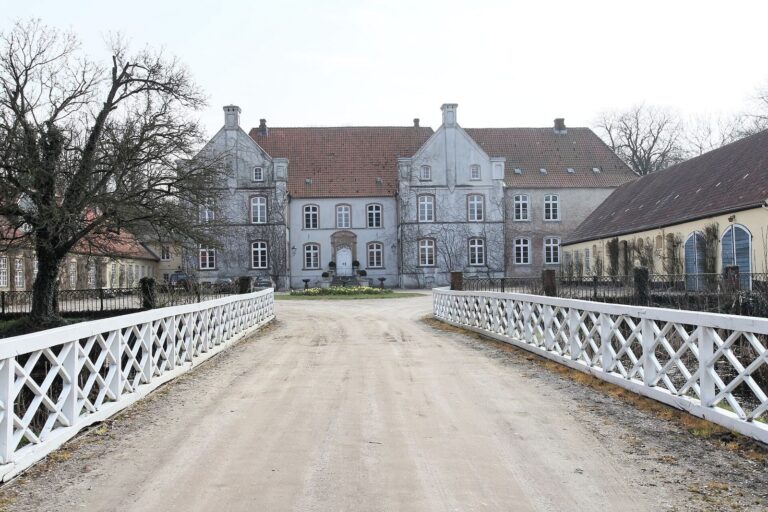
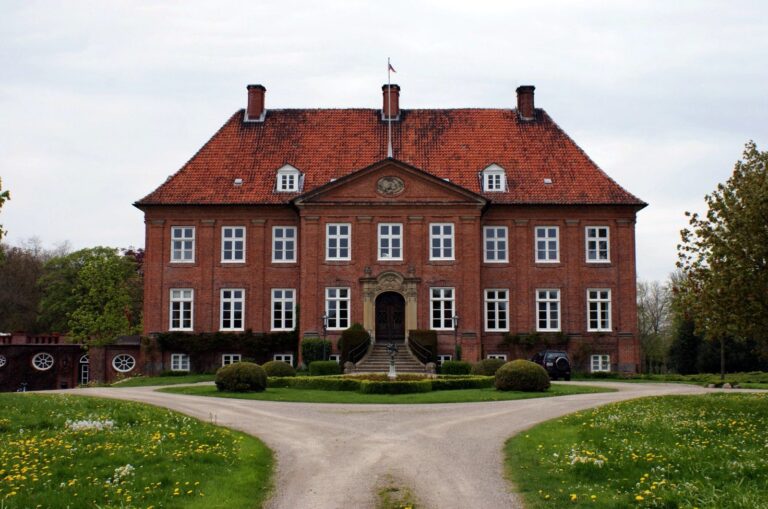
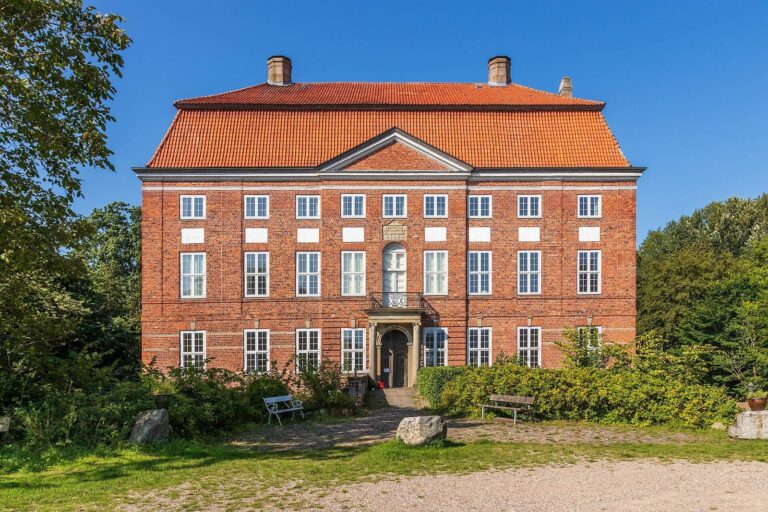
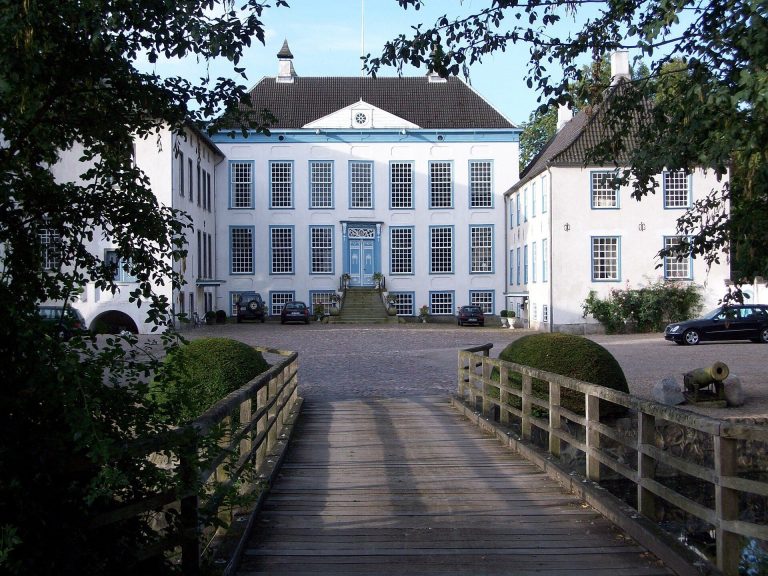
Schloss Schönhagen stands behind the Baltic Sea’s steep coast. The estate includes the manor house, a gatehouse, a castle park, and a castle pond.
Buildings and grounds
Manor house
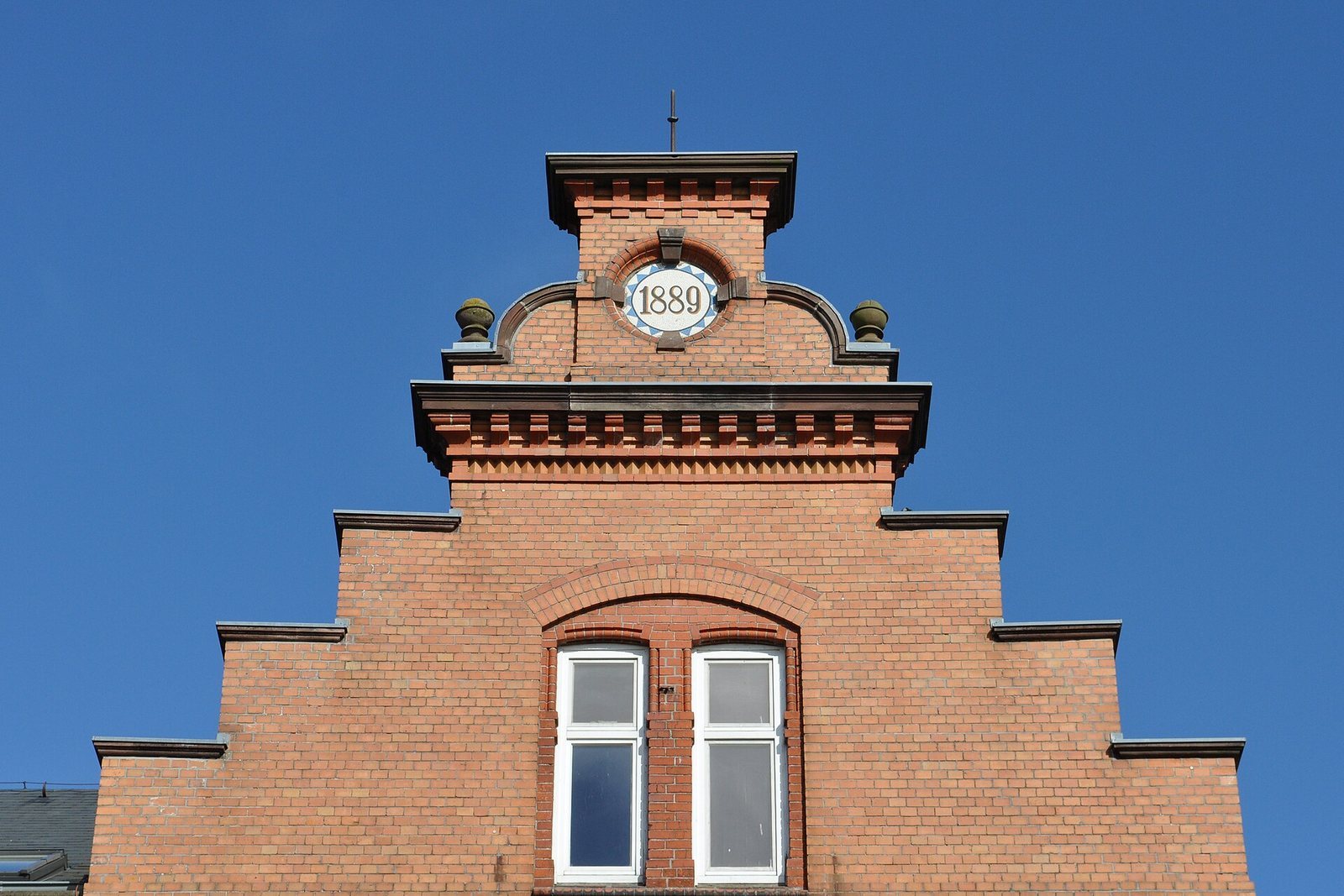
The manor house was built in 1889. Its gable bears that year, marking the building’s construction.
Gatehouse
The gatehouse is another building within the estate group. It was commissioned by Erich Jauch in 1913.
Park and pond
The grounds also include a castle park and a castle pond, which form part of the former manor estate.