Schloss Schlotheim: A Baroque Palace in Thuringia
Site at a Glance
- Popularity
- Low
- Country
- Germany
- Primary era
- Early Modern
- Eras represented
- Early Modern
- Civilizations
- Holy Roman Empire
- Site type
- Domestic
- Remains
- Elite Residence
On this page6 sections
History
Early castle and changing rule
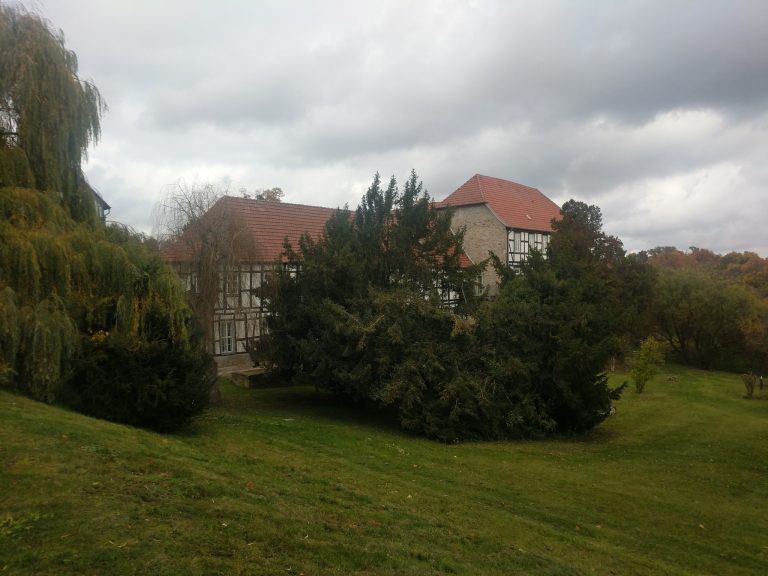
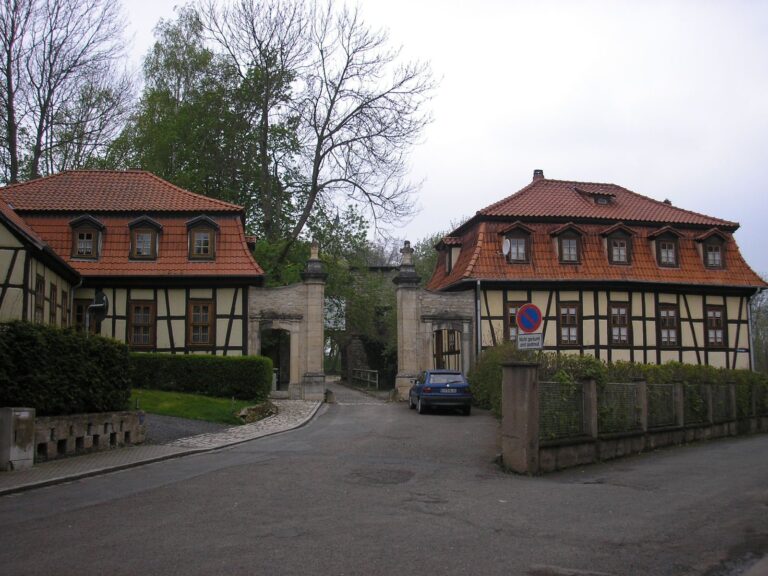
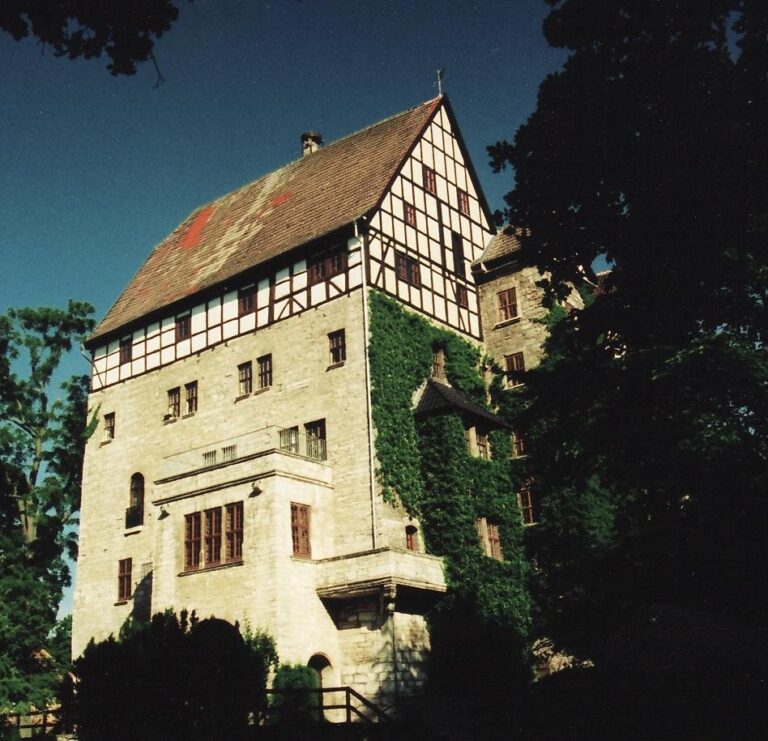
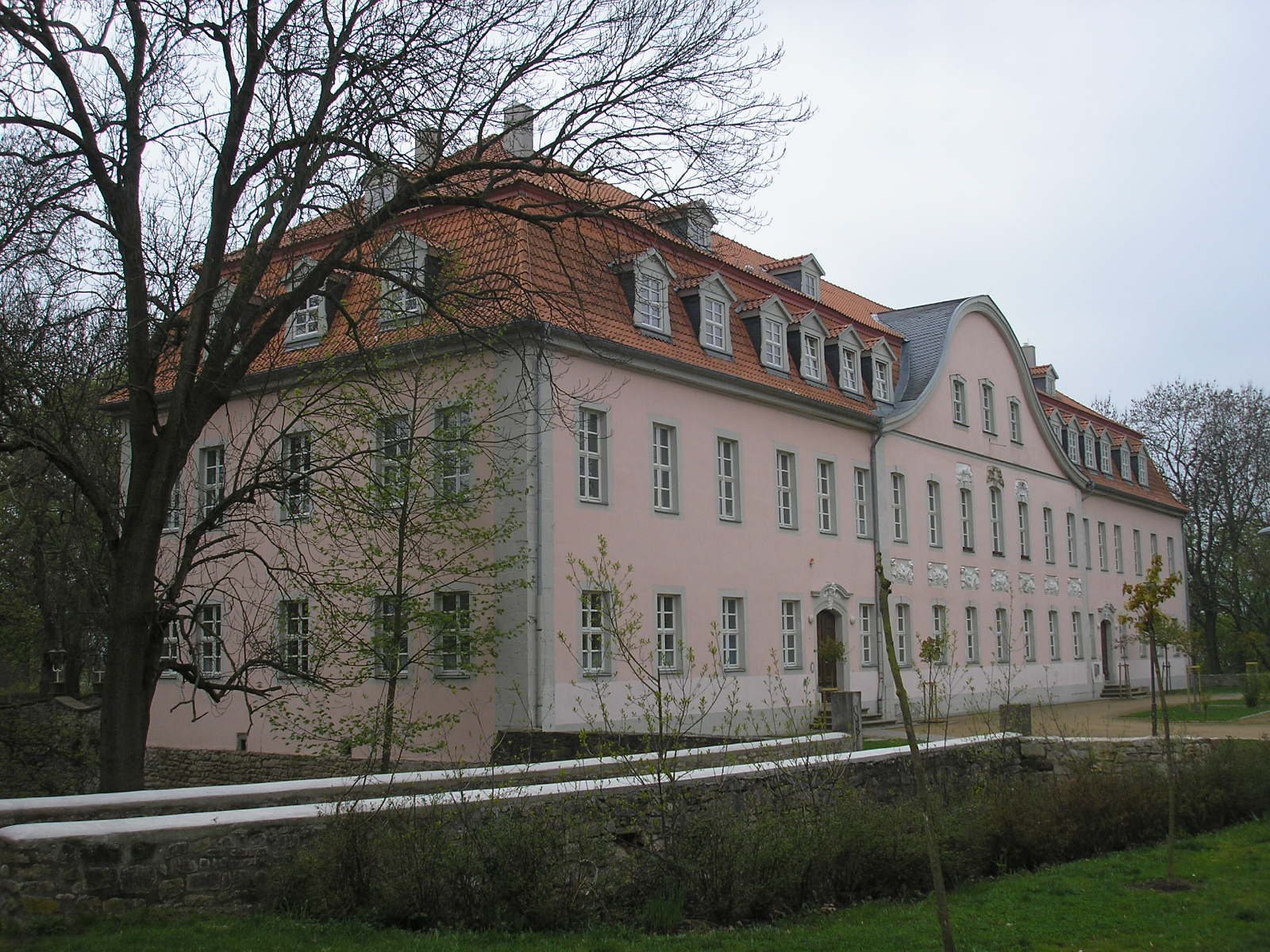
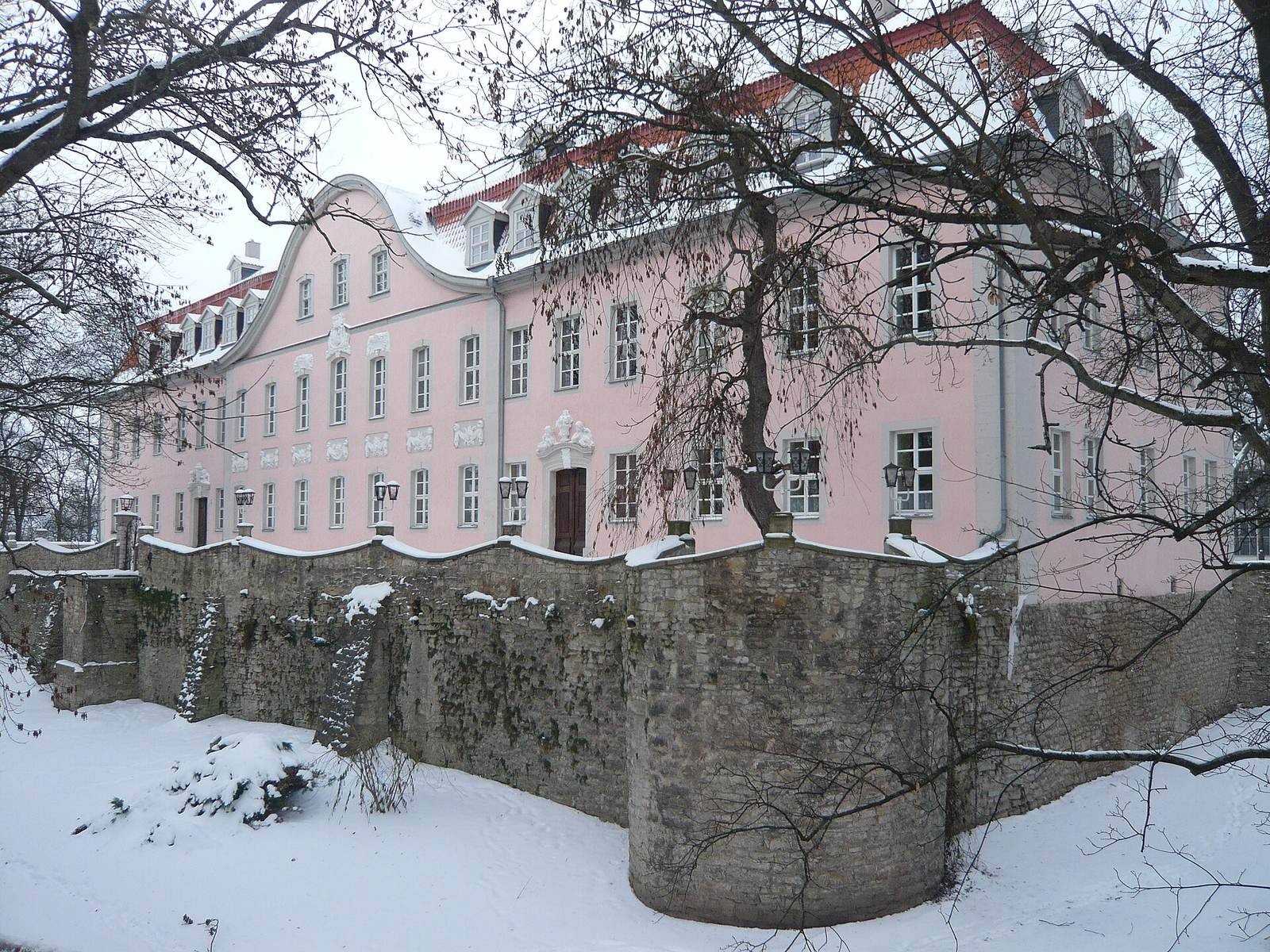
Schloss Schlotheim is a Baroque palace in Schlotheim, Thuringia, Germany, built from 1773 to 1777 by Maximilian Ernst von Hopffgarten on the site of an earlier castle. The site’s history reaches back to a royal estate and castle in the 10th century. Schlotheim is first mentioned in documents in 802–817, while the castle appears in a record from 974.
The Schlotheim family held a castle there but lost property and influence amid political upheavals linked to the growing power of the Wettin dynasty. Schlotheim gained town rights in 1277, passed to the County of Hohnstein in 1323, and became a Schwarzburg possession in 1340. In 1425, Friedrich von Hopffgarten purchased the town and castle from Count Heinrich of Schwarzburg.
Schlotheim became part of Schwarzburg-Sondershausen in 1571 and Schwarzburg-Rudolstadt in 1599. It then formed a separated part of Schwarzburg-Rudolstadt’s Lower Lordship, a subordinate territory.
Palace and modern use
The medieval castle was demolished in 1768. Five years later, Maximilian Ernst von Hopffgarten began building the Baroque palace on its site, completing it in 1777. The Hopffgarten family lost the property in the 1945 land reform, after which the palace became municipal property. It was used as a cultural center and also housed residents, a restaurant, a library, and a veterans’ club.
After the palace was threatened by decay in 1997, a private investor acquired it. Interior work from 1999 to 2001 removed later additions and restored or reconstructed historic features. The building now houses a special-education and therapy institution, serving mainly children, including children with disabilities.
Remains
Site and palace
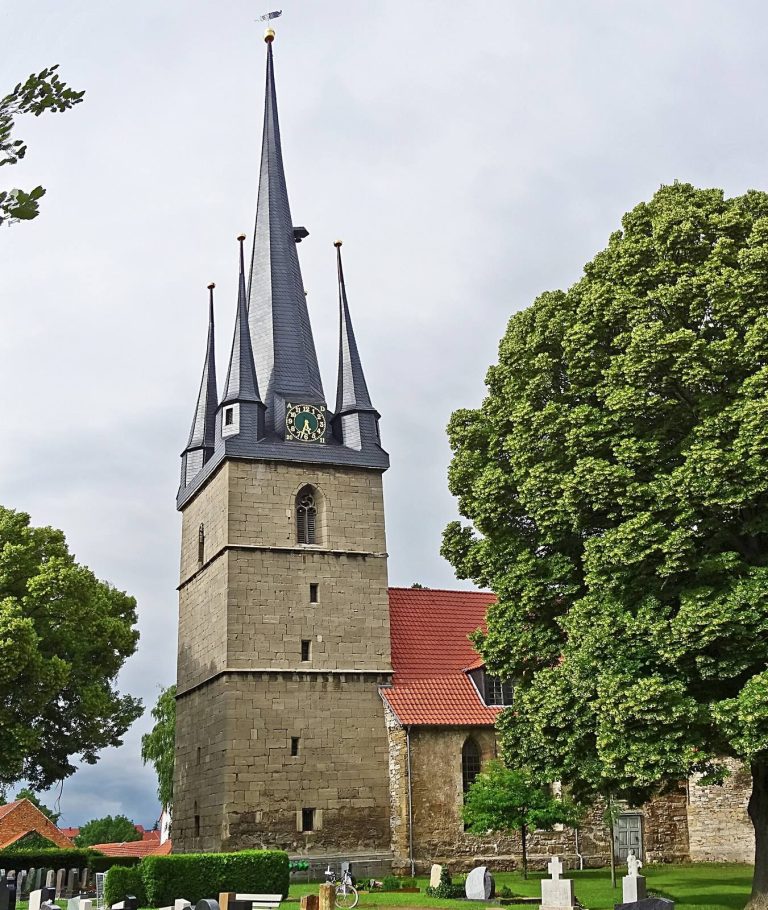
The Baroque palace stands on the site of a larger Ottonian castle, from the period associated with the German rulers Otto I and his successors. The castle occupied ground raised 4–6 metres above the surrounding terrain and extended across a wider area. The palace’s construction incorporated St. Salvator Church, which stood to the south.
Restored interiors
Historic evidence guided the colors used in the rooms and the restoration of the Baroque staircase. A second staircase was reconstructed in oak. In the ballroom, workers secured the stucco decoration and supplemented historic paintings in keeping with the evidence.