Rittershain Castle: A Nineteenth-Century Castle and Park
Site at a Glance
- Rating
- 3.7
- Popularity
- Very Low
- Country
- Germany
- Primary era
- Modern
- Eras represented
- Modern
- Civilizations
- Unclassified
- Site type
- Domestic
- Remains
- Castle
History
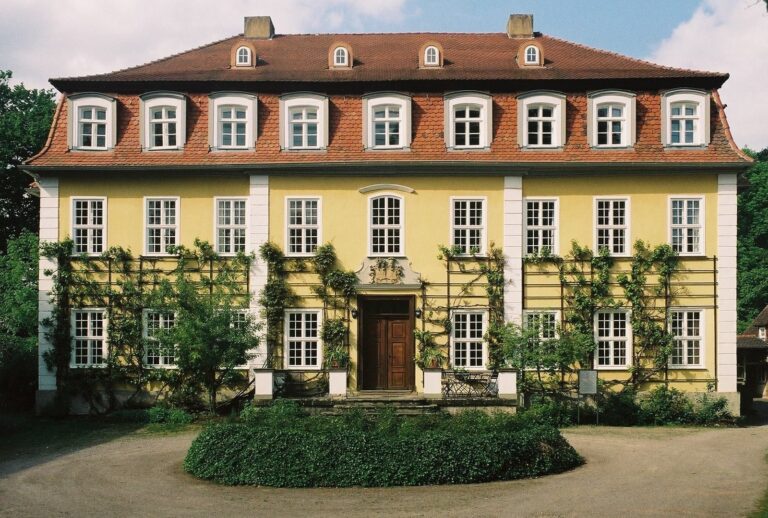
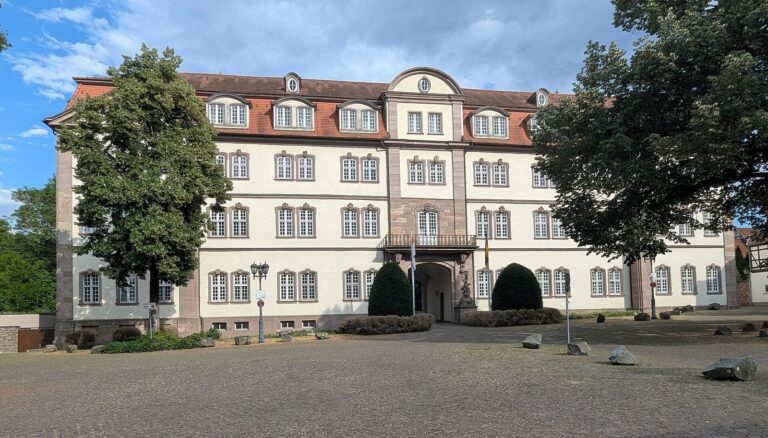
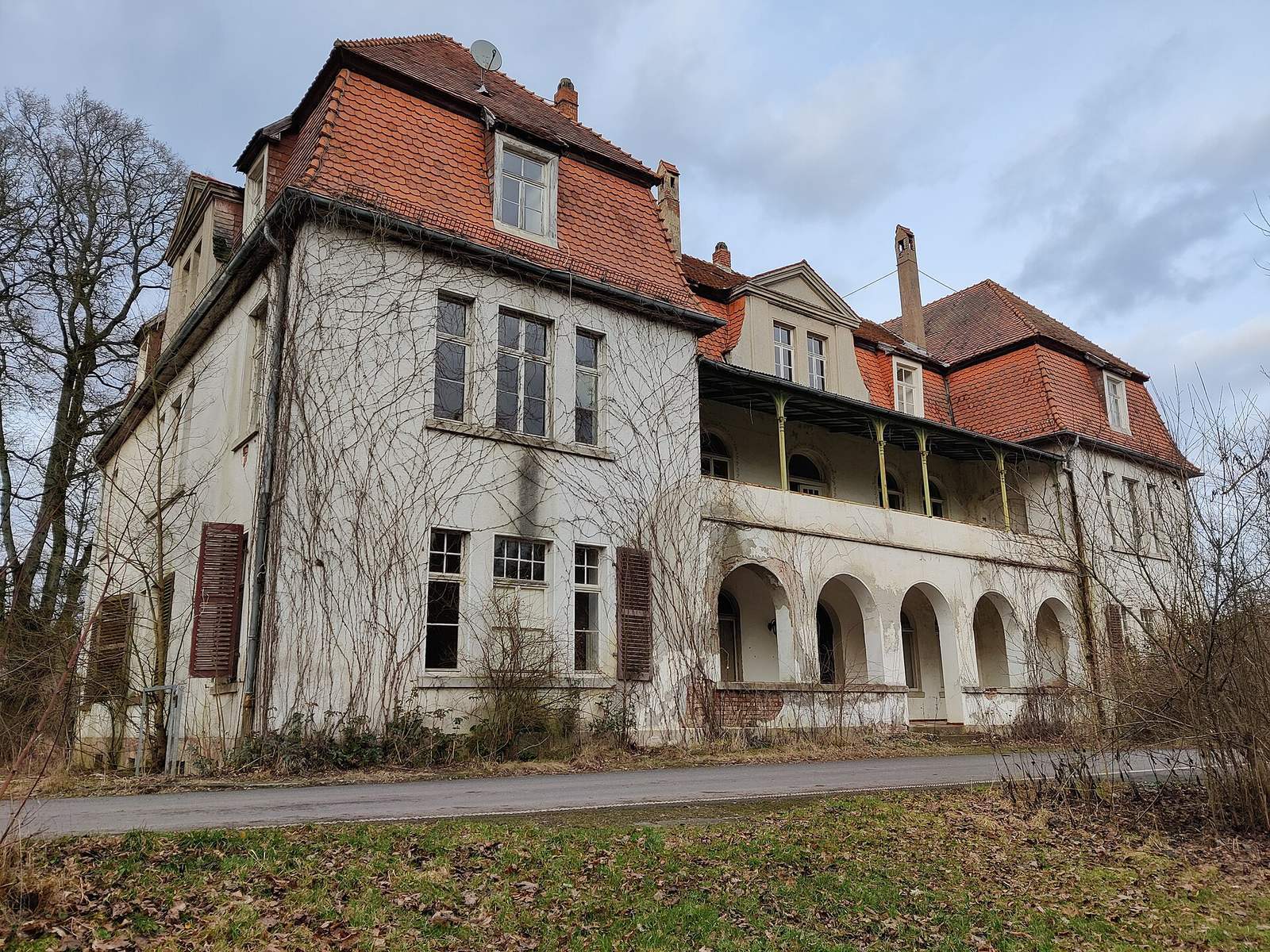
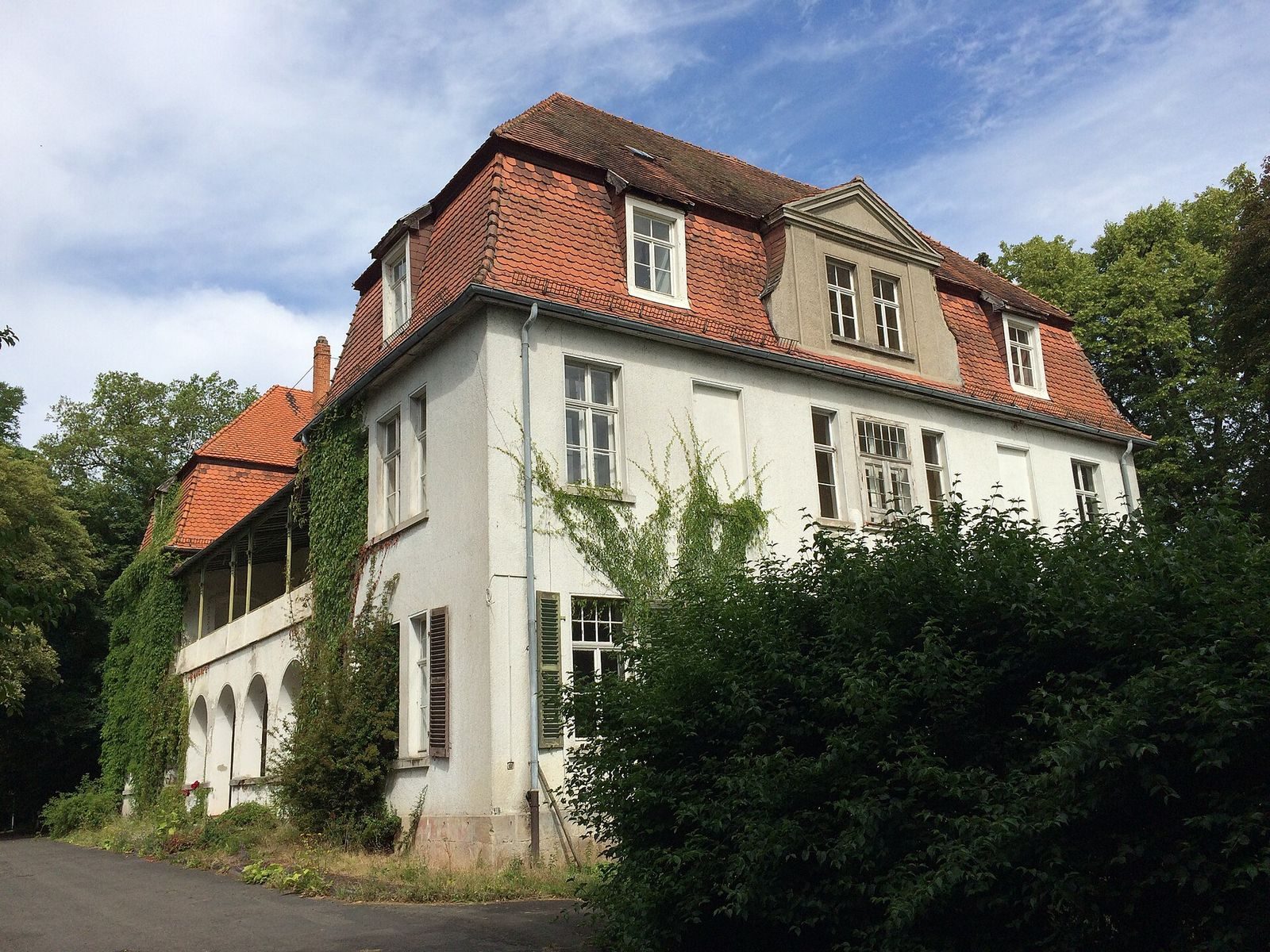
Rittershain Castle is a nineteenth-century castle-and-park complex in Germany, built in 1854 for the von der Recke family. Its history is connected with an earlier settlement and estate at Rittershain.
The settlement, about 300 metres east of the present castle, was first recorded in 1322 and had been deserted by 1376. The Lords of Rotenburg then held the village headman’s holding, fields, and arable land at Rittershain as a Hessian fief, land held under the authority of the Landgraviate of Hesse. Rittershain later became a fief of Hersfeld, the territorial lordship of the Imperial Abbey of Hersfeld, held by the Lords of Eschwege. It passed to the Lords of Wehren and then to the Lords of Cornberg in 1583.
A 1592 map by the Flemish cartographer Gerard Mercator shows an estate at Rittershain farmed by the Biedenfeld family. In 1843, Hermann von Biedenfeld built a new farm associated with Rockensüß and commissioned a new castle. The present castle and park were built in 1854 for the von der Recke family. The castle underwent extensive remodeling in 1904.
Remains
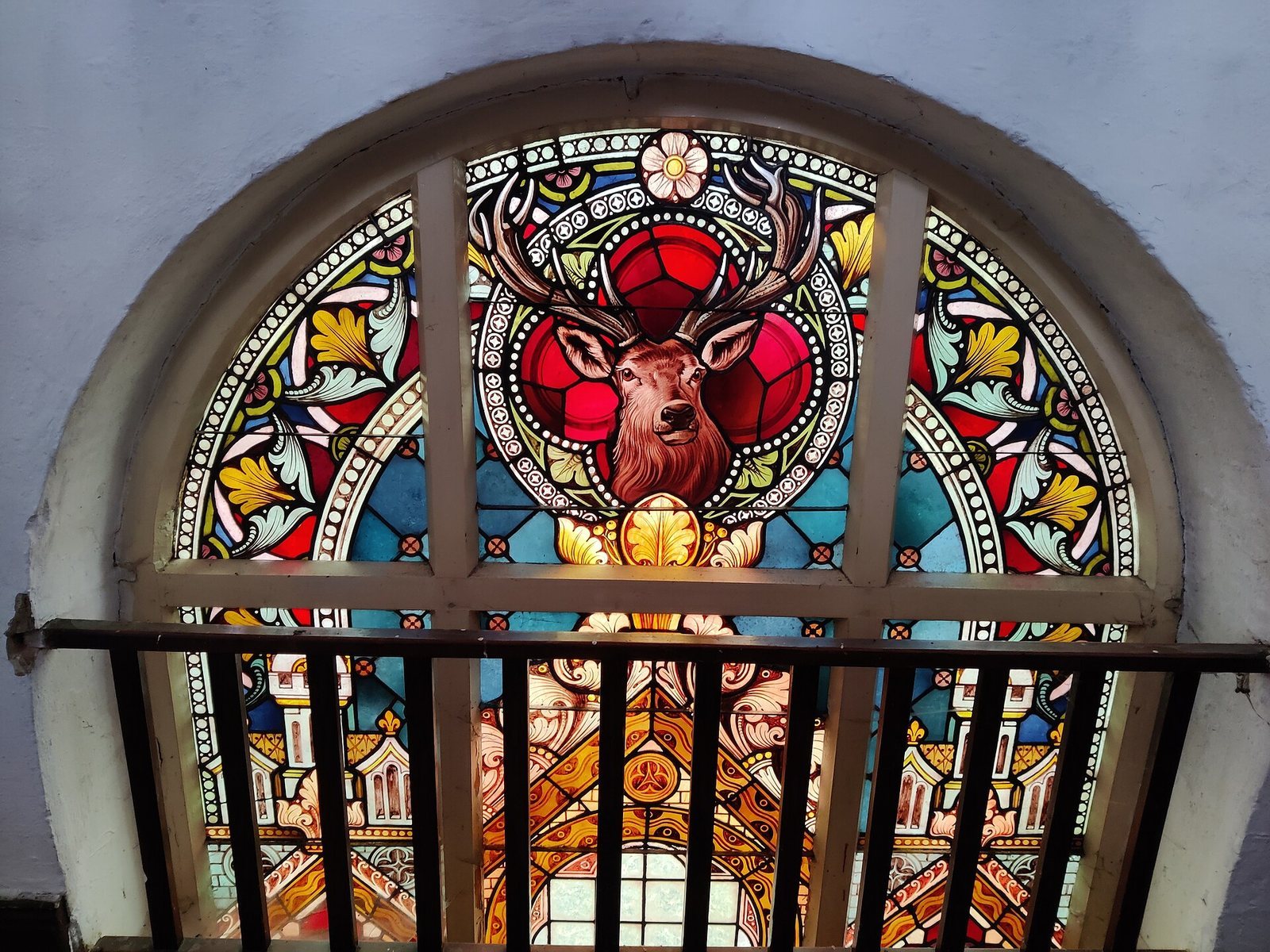
The complex consists of the castle and its associated park, both dating to the nineteenth century. The surviving decorative stained glass includes one image bearing Hermann von Biedenfeld’s coat of arms and a separate image of a deer.