Rabensburg Castle: A Medieval Stronghold and Liechtenstein Palace
Site at a Glance
- Popularity
- Medium
- Country
- Austria
- Primary era
- Early Modern
- Eras represented
- Medieval, Early Modern
- Civilizations
- Duchy of Austria, Habsburg, Habsburg Austria, Holy Roman Empire
- Site type
- Domestic
- Remains
- Castle
On this page7 sections
History
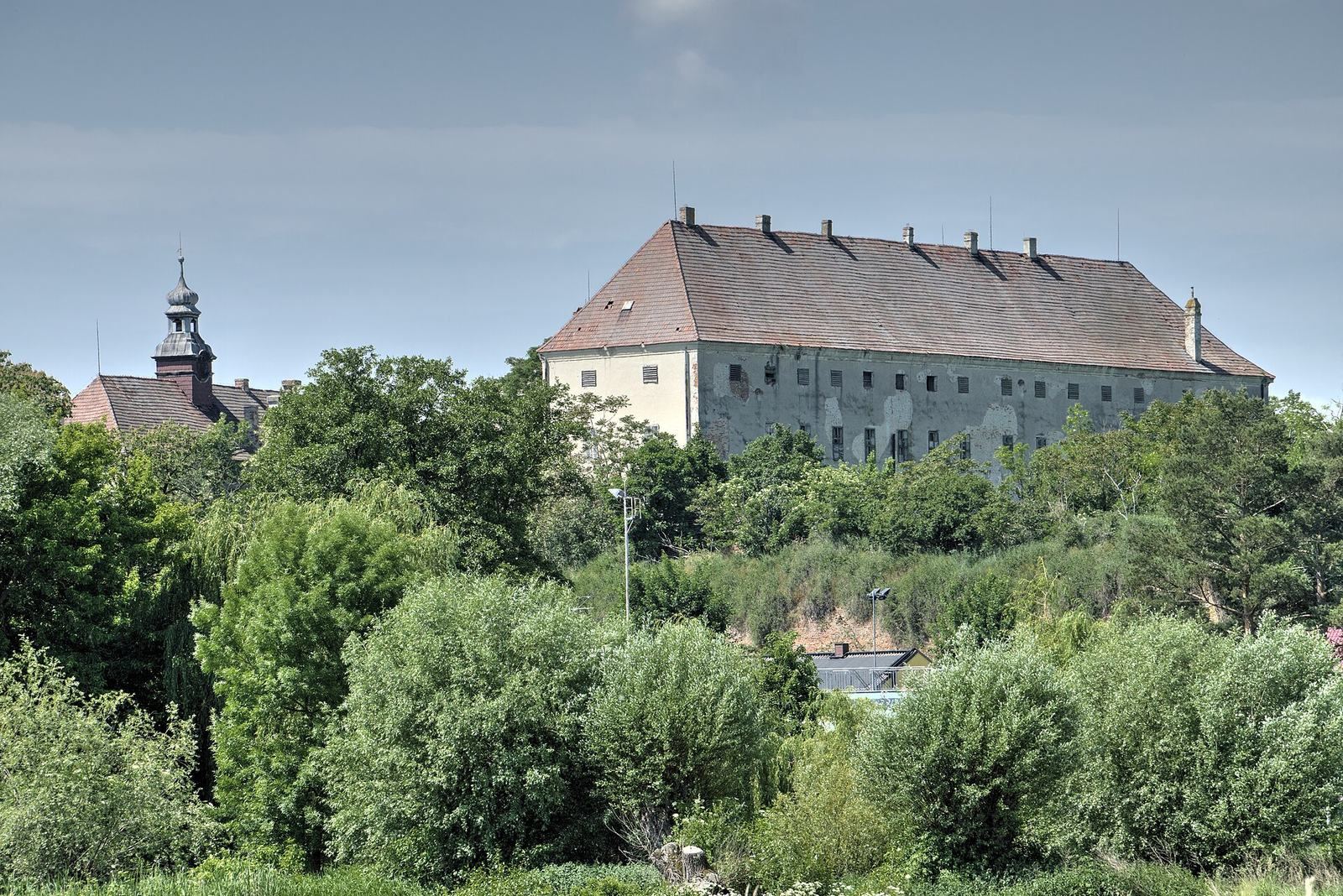
In Austria’s Lower Austria state, Rabensburg Castle is a medieval stronghold traditionally said to have passed to Burkhard in 1045. Burkhard was a burgrave, an official responsible for a castle and its territory; the region then formed part of the Hungarian March, a frontier district. The castle later became a principal Liechtenstein residence and the center of a lordship that included about 25 surrounding villages.
Early Lordship and Medieval Changes
In 1255, documents first named both the settlement of Rabensburg and Hertwicus de Rebensburch, a retainer of the Kuenringer, an Austrian noble family. Otto II von Hagenberg acquired the lordship in 1294, and King John of Bohemia captured it in 1328. During the fourteenth century, the Zelking family took possession. In 1385, Hans and Ulrich von Zelking sold the lordship to Johann II von Liechtenstein.
Liechtenstein Residence and Palace
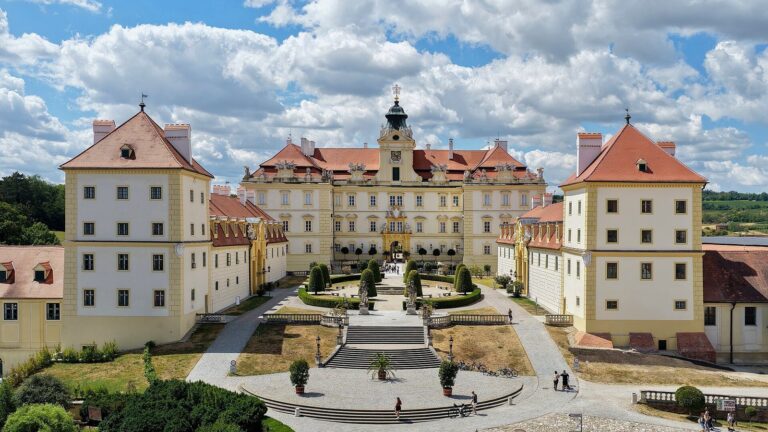
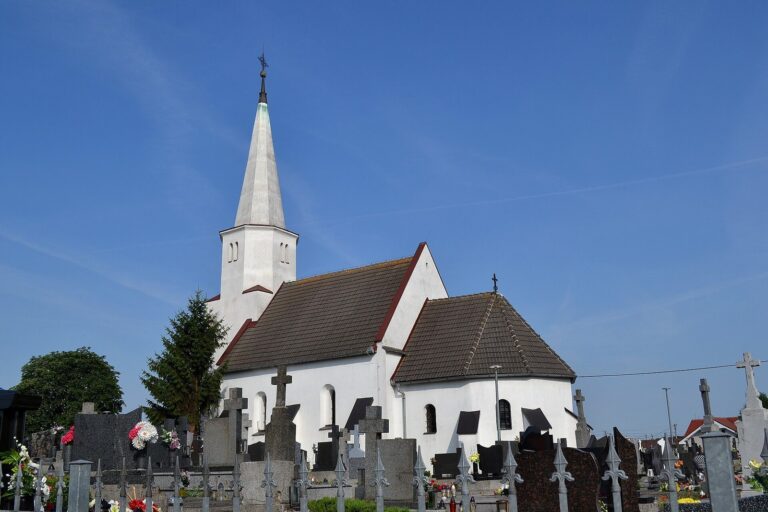
Georg Hartmann von Liechtenstein extensively remodeled the castle between 1540 and 1550. Later in the sixteenth century, Johann Septimus von Liechtenstein further developed the property. Under Maximilian von Liechtenstein, brother of Karl, founder of the princely house, the castle became Maximilian’s principal residence and was enlarged and converted into a palace.
Conflict and Later Uses
In 1645, Swedish general Lennart Torstensson captured the palace during the Thirty Years’ War, a European conflict fought from 1618 to 1648, and destroyed the nearby church. The Liechtenstein family regained the property the following year. Kuruc incursions, attacks by Hungarian insurgents against Habsburg rule, brought further devastation in 1704 and 1706. After these attacks, services were held in the castle’s Knights’ Hall until 1765.
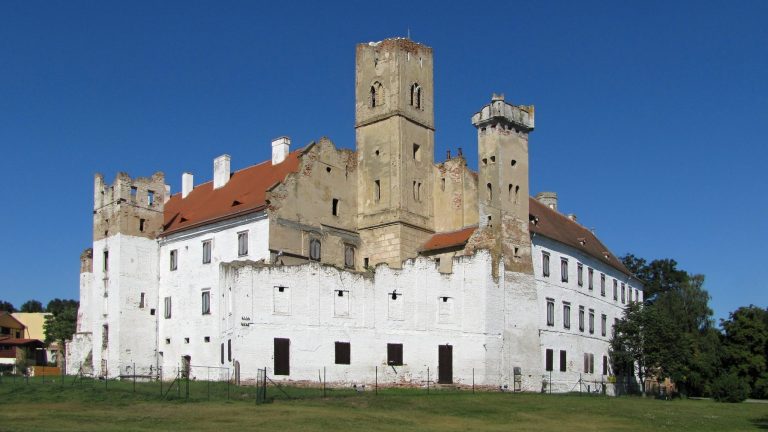
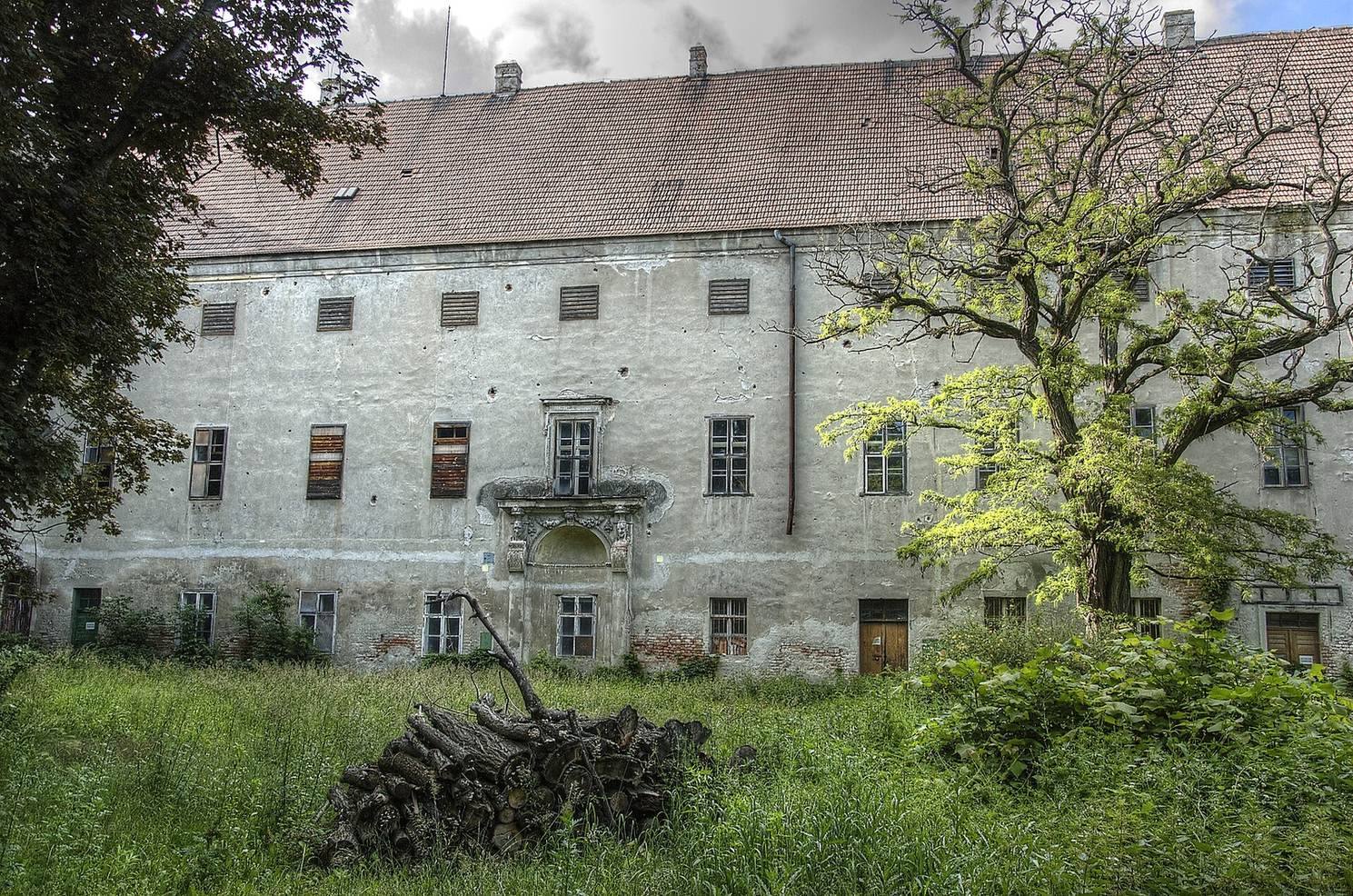
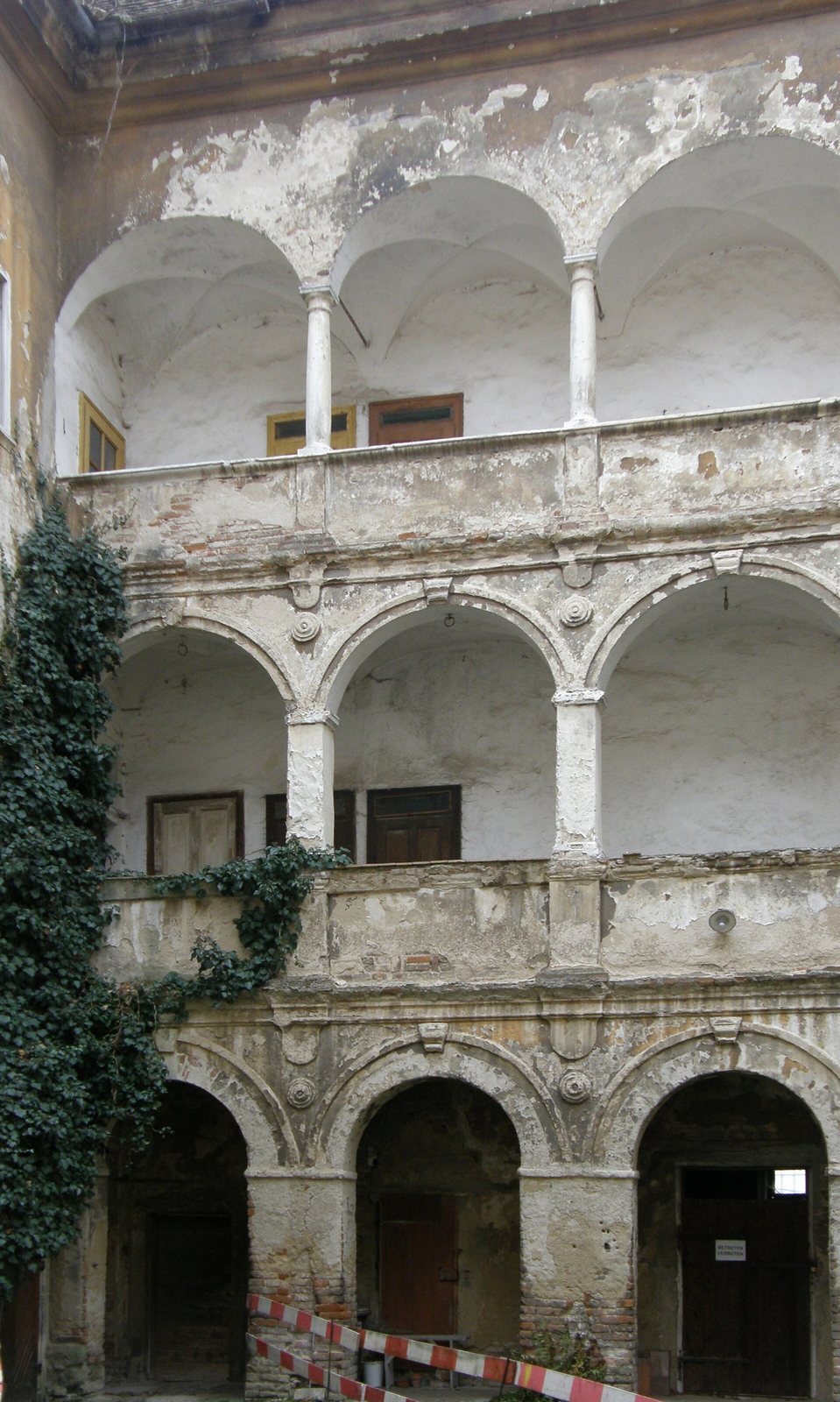
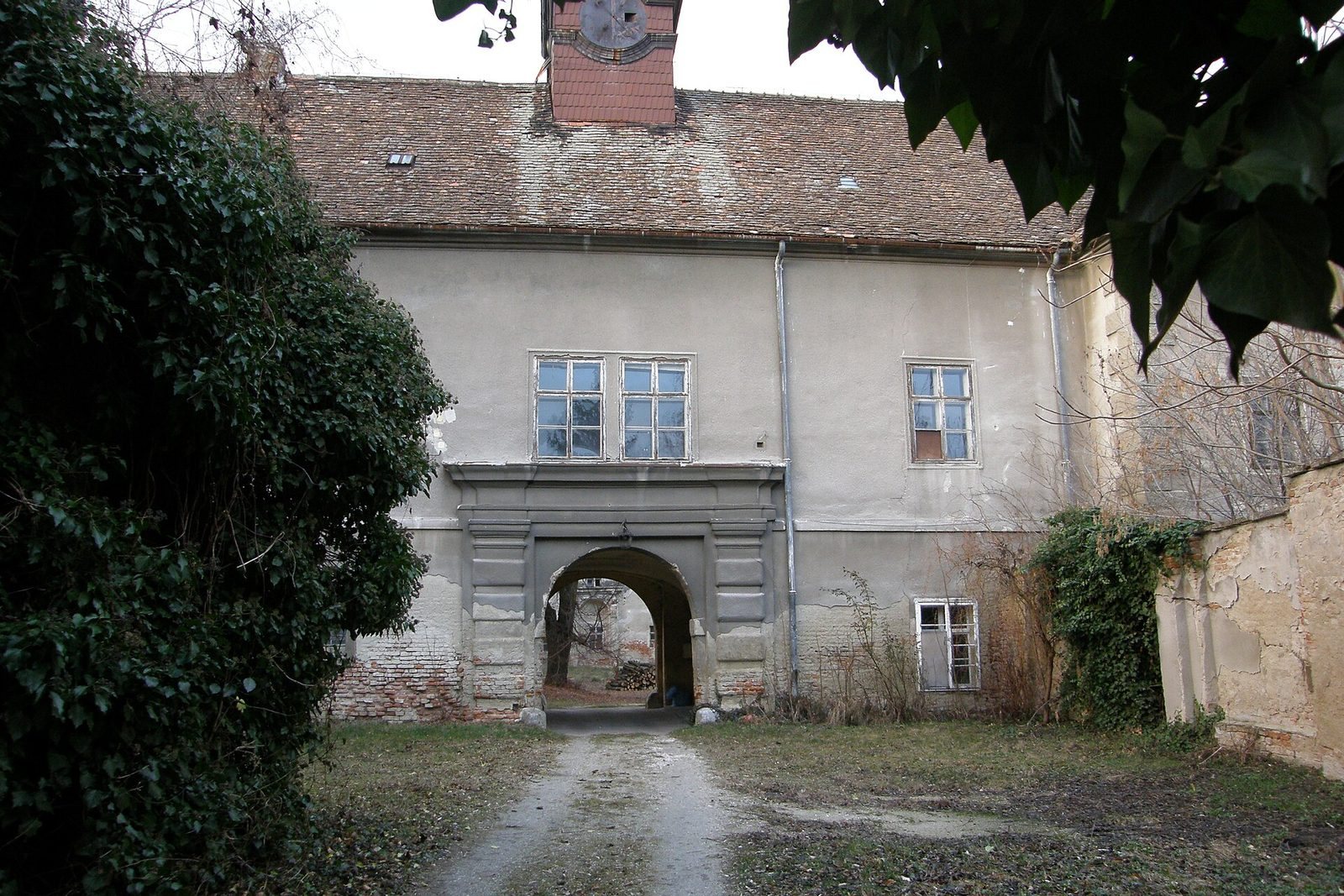
After Maximilian’s time, the estate’s owners no longer lived at the castle. It served as an administrative center for the estate and housed officials. Following a sale in 1861, a parquet-flooring factory operated in the building; the Liechtensteins bought it back some years later. They retained the property, with interruptions, until 1991, when gravel-pit owner Günther Kucharovits purchased the complex. Some tenants remained for a time, but the building was not renovated and its exterior fell into neglect.
Remains
Castle Structure and Defenses
The castle began as a wooden stronghold and was probably rebuilt in stone around 1200. By 1255, its defenses made use of water. Later expansion formed a palace complex that included bastions, projecting fortifications equipped with cannons.
Decorated Facades and Interior Fabric
In the late sixteenth century, the exterior facades were embellished with painted decoration and sgraffito, a technique that scratches through an upper layer to reveal a contrasting surface below. Valuable frescoes and parts of the building fabric were lost while the parquet-flooring factory occupied the castle.