Pötzleinsdorf Palace: A Historic Estate in Vienna
Site at a Glance
- Popularity
- Medium
- Country
- Austria
- Primary era
- Modern
- Eras represented
- Early Modern, Modern
- Civilizations
- Habsburg, Habsburg Austria
- Site type
- Domestic
- Remains
- Park
On this page6 sections
History
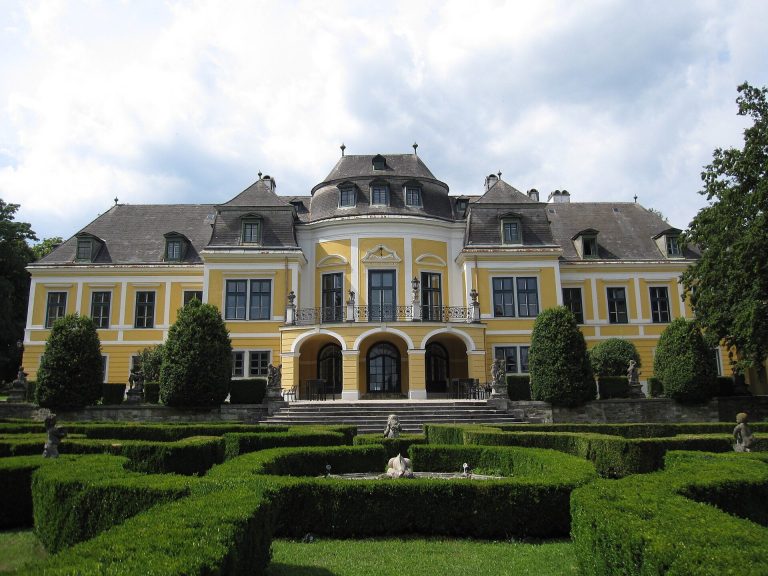
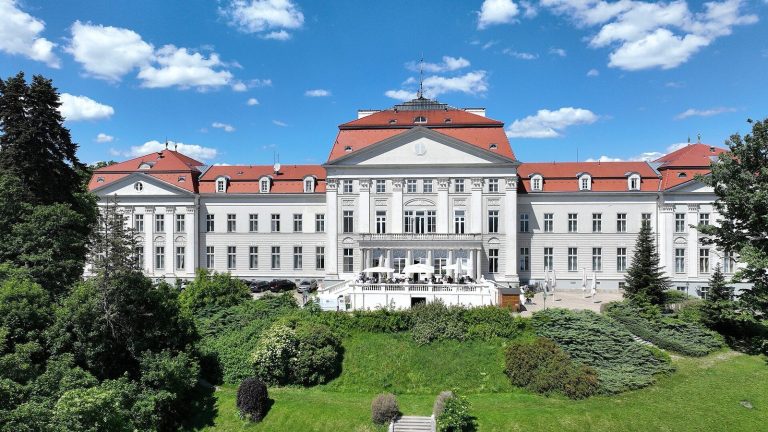
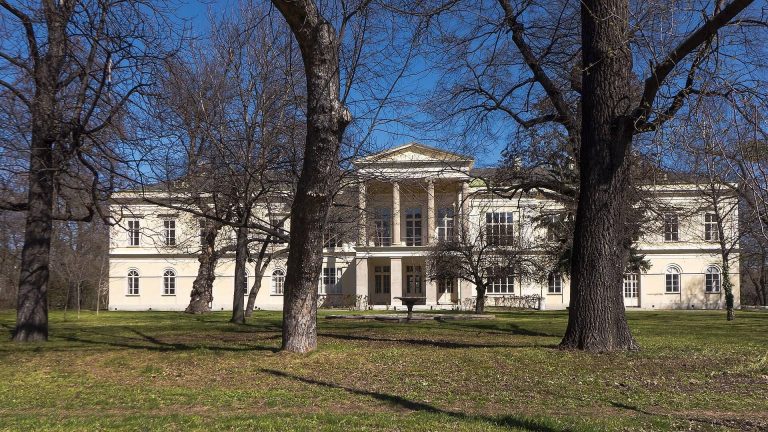
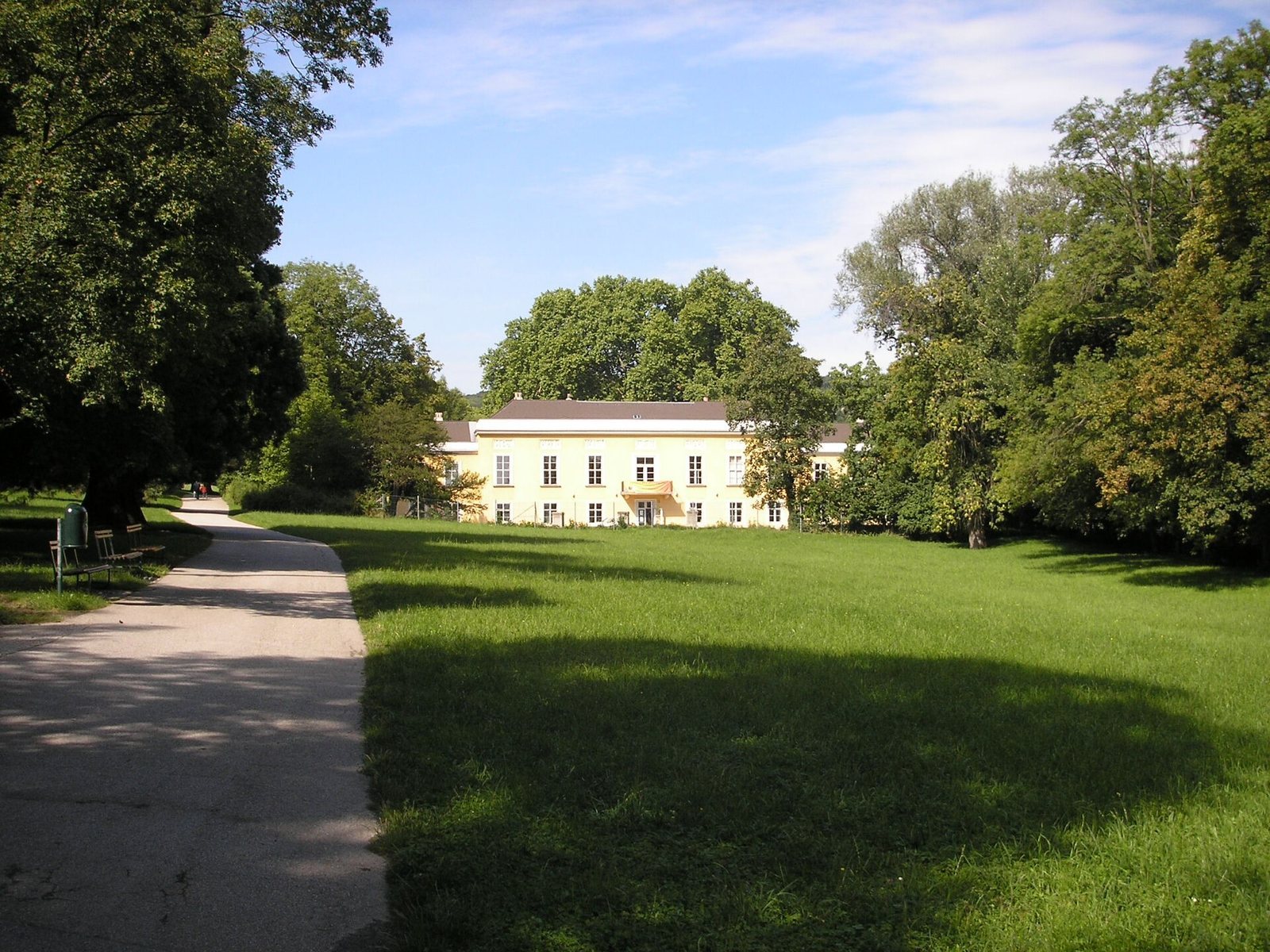
Pötzleinsdorf Palace is a historic estate in Pötzleinsdorf, in Vienna’s Währing district, Austria. It was a nobleman’s residence by the mid-17th century, before later becoming a textile-manufacturing estate and, under Johann Heinrich Geymüller, a palace and landscaped park.
From noble residence to palace
In the following century, the estate became known as the Ricci’scher Freihof, after merchant Ricci used it to make textiles and dye silk. Following the abolition of monastic authority over the estate, including the rights attached to its landed property, it was sold to Countess Philippina von Herberstein. She held the Pötzleinsdorf lordship from 1762 to 1781 and began creating the park.
The park passed to banker and wholesale merchant Johann Heinrich Geymüller in 1797, and he acquired the lordship in 1801. He rebuilt the house as a palace and commissioned landscape designer Konrad A. Rosenthal to arrange the park in the English landscape style. Geymüller’s bankruptcy in 1841 led to the estate’s auction; it then passed through several owners.
Changing ownership and use
Furniture manufacturer and arts patron Max Schmidt bought the estate in 1920. Under his will, which took effect in 1937, he left it to the City of Vienna on conditions that the estate remain undivided and unaltered, the palace not be used for a welfare institution, and the park be open to the public. If those conditions were not met, the property was to pass to Klosterneuburg Abbey.
After the bequest, proposals for the buildings included an artists’ home, a hotel and restaurant, and a film studio. A 15-year lease to hotelier Ernst Irresberger began on 1 August 1947 but ended before the city opened the park to the public on 22 June 1949. In November that year, Vienna’s city senate approved turning part of the palace into a youth hostel. Architect and city planner Roland Rainer oversaw its conversion in 1950, and Mayor Theodor Körner opened it on 21 October.
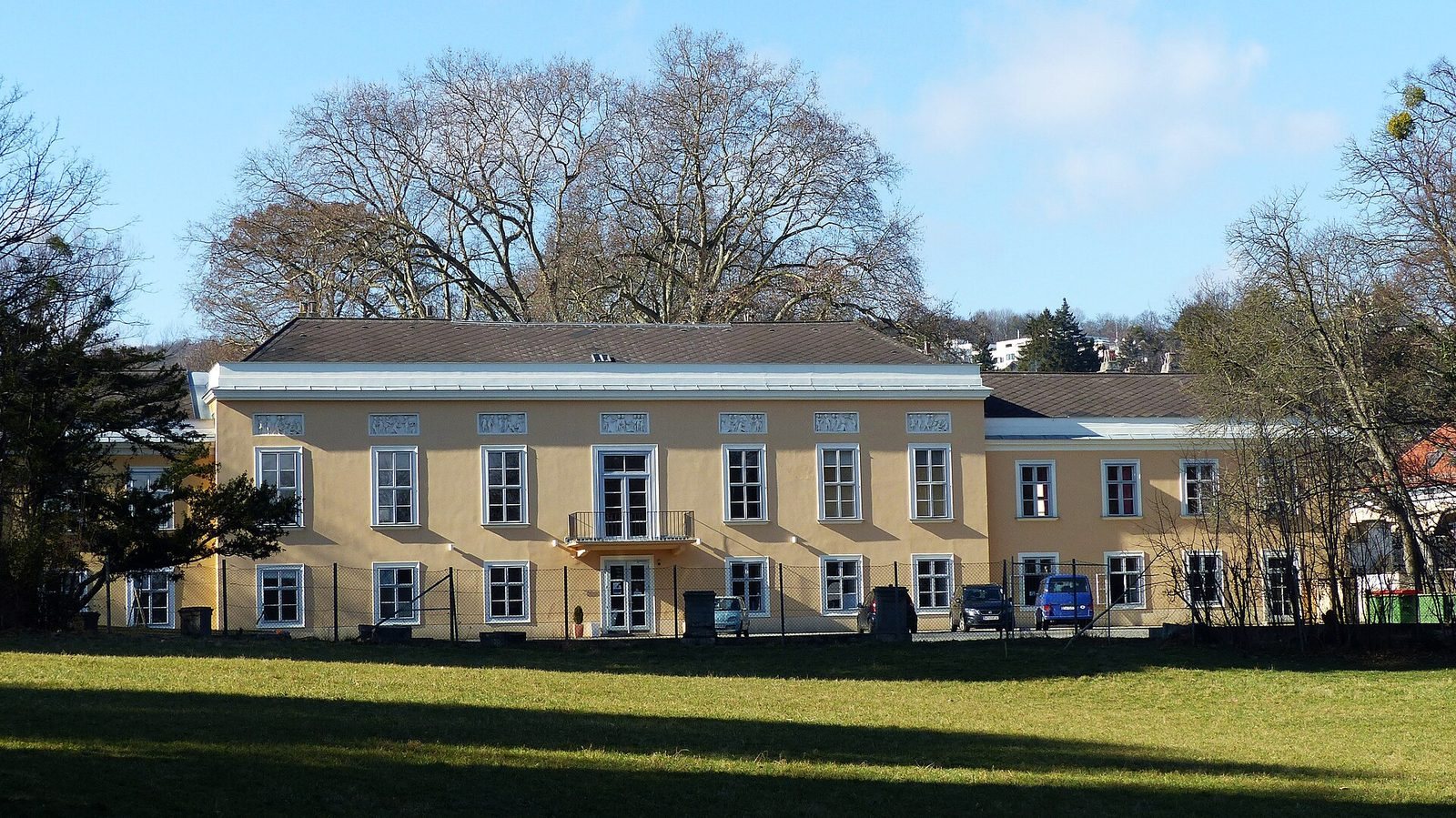
The youth hostel closed after the 1979 summer season, and the building was cleared in preparation for an arms and armour museum. In 1982, the palace was leased to the Rudolf Steiner School Association. The association gradually renovated and adapted the buildings for educational use; the palace now houses the Vienna-Pötzleinsdorf Rudolf Steiner School.
Remains
Park
The park covers 33 hectares and was arranged in a romantic English landscape style, designed to look naturalistic rather than formally geometric. Its historically noted attractions included a waterfall, a Swiss-style house, a temple and the tomb of Austrian poet Johann Baptist von Alxinger.
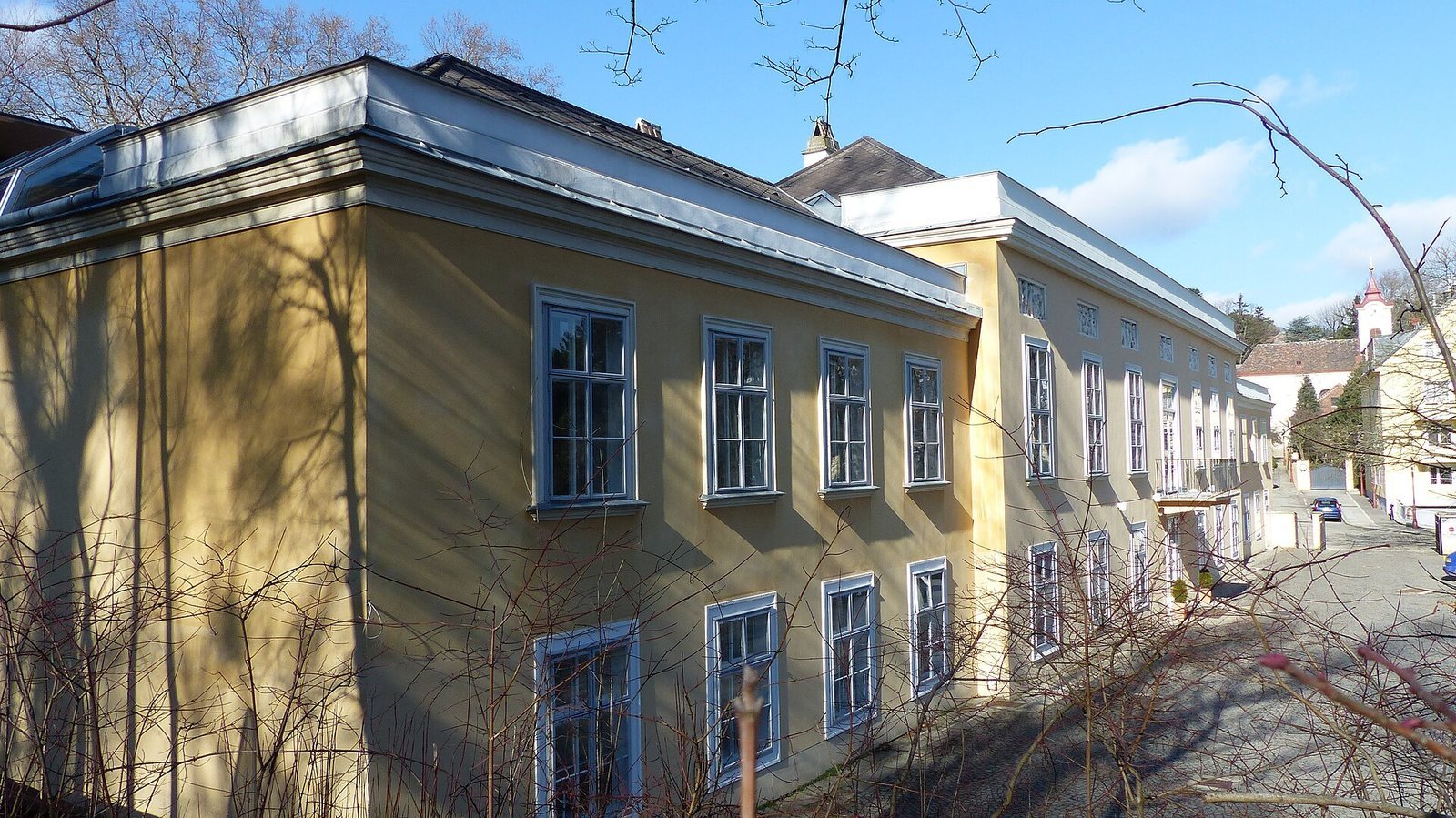
Palace
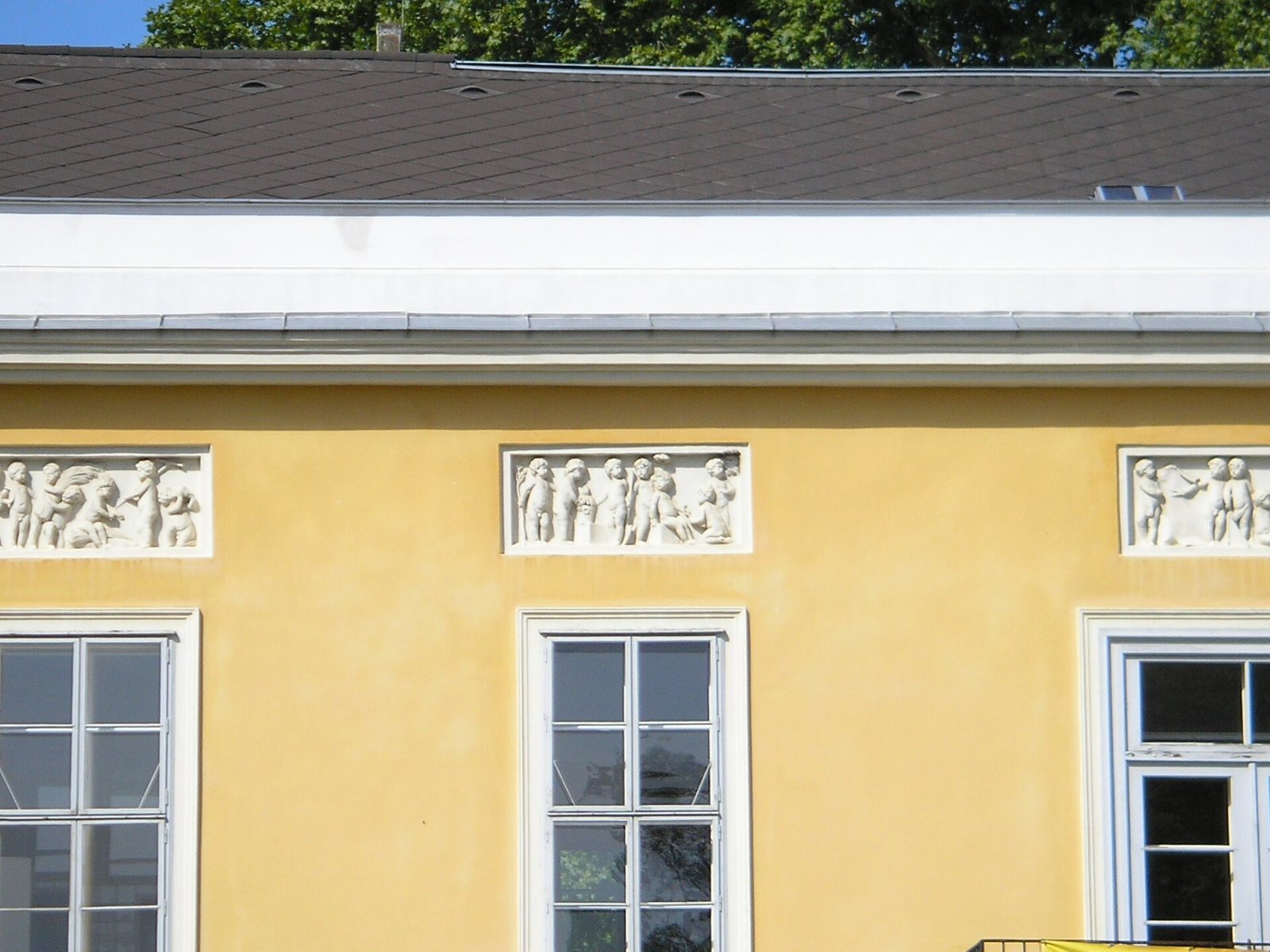
Max Schmidt added an exterior staircase in a revival of Baroque style before the central projection of the palace’s east façade. The staircase was removed during the 1950 conversion to a youth hostel. That work also stripped away many interior and exterior decorative features, changing the character of the palace’s interior.