Schloss Mamling: A Historic Moated Castle in Austria
Site at a Glance
- Rating
- 4.3
- Popularity
- Low
- Country
- Austria
- Primary era
- Modern
- Eras represented
- Early Modern, Modern
- Civilizations
- Habsburg, Holy Roman Empire
- Site type
- Domestic
- Remains
- Castle
On this page6 sections
History
Schloss Mamling is a historic castle in Austria, in the municipality of Mining in Upper Austria. A castle at Mamling was first mentioned in 1297, when Otto von Mamling appeared in the records. The Mamlinger family held the property until 1519, establishing the earliest known phase of its documented history.
Changes of Ownership
In 1519, Friedrich der Mamlinger sold the estate to Wolfgang Elrechinger zu Hueb. The Elrechinger family maintained a crypt chapel in Mining for burials. Around 1610, Wolf Rudolf Golt von Lampoting inherited Mamling, then sold it in 1619 to Count Helfrich von Meggau.
Ownership passed to the Barons von Lerchenfeld around 1650. Johann Kaspar von Lerchenfeld demolished the old castle and replaced it with a moated castle and chapel. The chapel beside the residence was built in 1671, and in 1675 Johann Kaspar endowed a benefice, an ecclesiastical provision whose income supported a religious office or cleric.
Nineteenth- and Twentieth-Century Development
Maria Franziska von Lerchenfeld received Schloss Mamling as her marriage portion in 1710, when she married Count Johann Wilhelm von Abensperg-Traun. Their childless marriage led to the transfer of the property to the Counts of Törring-Jettenbach in 1748.
Heinrich von Bohn of Munich acquired the castle in 1831 and died without direct descendants in 1848. Until that year, Mamling held the rights of bailiwick and jurisdiction. A bailiwick involved the protection and administration of ecclesiastical or territorial interests, while jurisdiction meant local judicial authority. Baron Christian von Esebeck then purchased the castle and united it with Sunzing. Count Zdenko von Strachwitz acquired both properties in 1870 and remodeled Mamling into its present form.
After Count Zdenko von Strachwitz died in 1919, the castle passed into bourgeois ownership. Franz Wiesner, a builder from Altheim, purchased it and transferred it to his daughter Juliana, who was married to an Achleitner, in 1921. The property remains in that family’s ownership. Schloss Mamling is protected as a historic monument, and renovation of the castle chapel was planned in 2015.
Remains
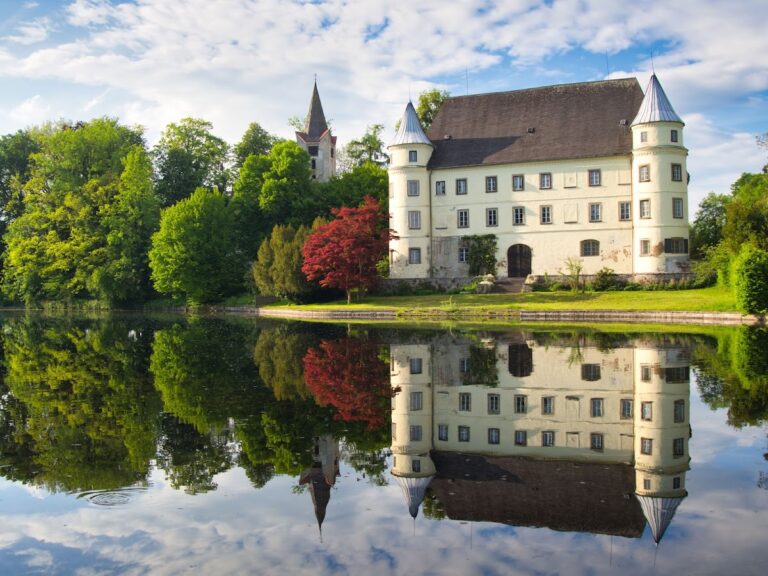
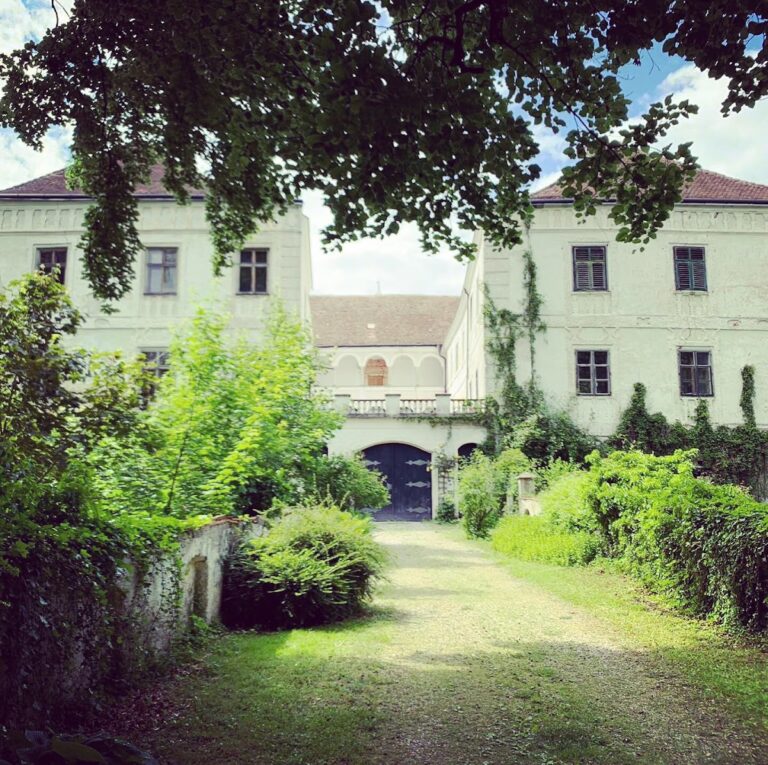
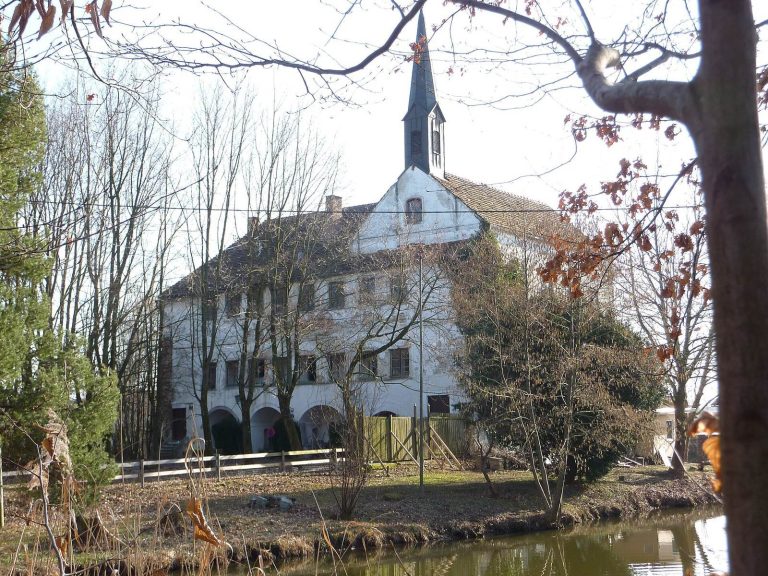
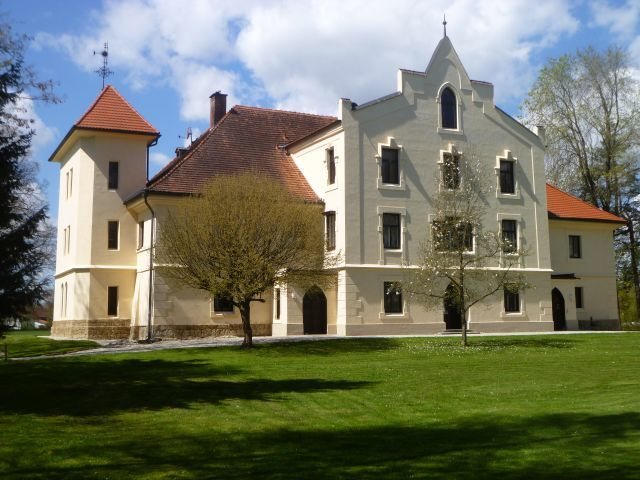
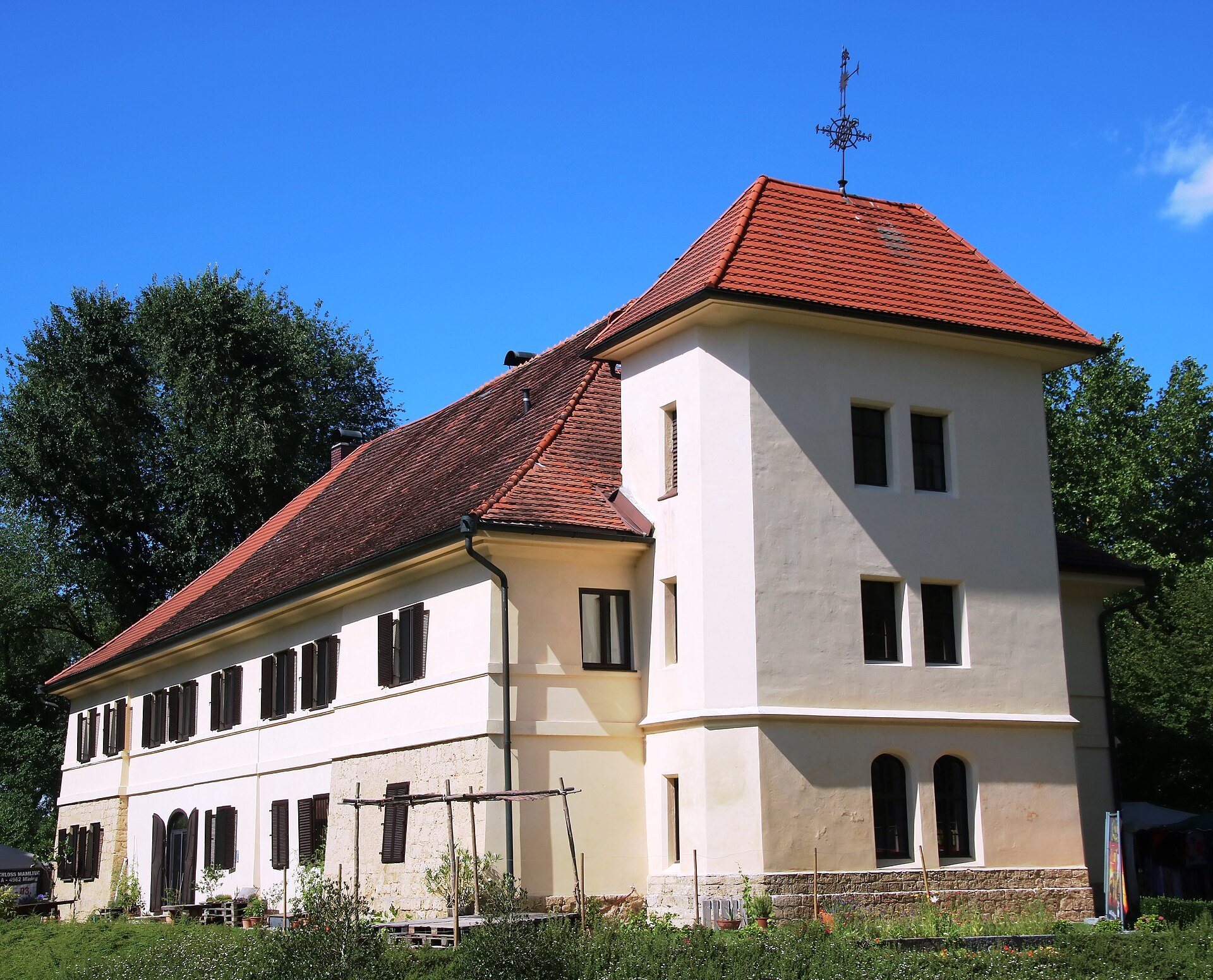
The surviving complex consists of a renovated two-storey castle, the chapel beside it, and a maintained park. The residence stands slightly higher than the surrounding lawns, a position that may preserve some impression of the former moat. Earlier defensive and ornamental features were altered as the castle changed from its older form into the present building.
Earlier Castle
An engraving by Michael Wening shows the earlier Schloss Mamling as a single-storey building encircled by a pond. Small turrets with onion-shaped domes rose from the structure, while the castle chapel and a park stood outside the moat. These features represent the form of the residence before its later remodeling.
Present Residence and Grounds
The current castle is a fully renovated, two-storey building. Its projecting front is now square and tower-like, recalling the former tower with its onion-shaped dome. The earlier turrets have been removed, and most of the pond has been filled in. A maintained park surrounds the building, while a coat-of-arms emblem recalls former owners. The chapel remains beside the castle.