Jahnishausen Castle: A Saxon Manor and Royal Estate
Site at a Glance
- Popularity
- Low
- Country
- Germany
- Primary era
- Early Modern
- Eras represented
- Early Modern, Modern
- Civilizations
- Electorate of Saxony, Holy Roman Empire, Kingdom of Saxony
- Site type
- Domestic
- Remains
- Castle
On this page7 sections
History
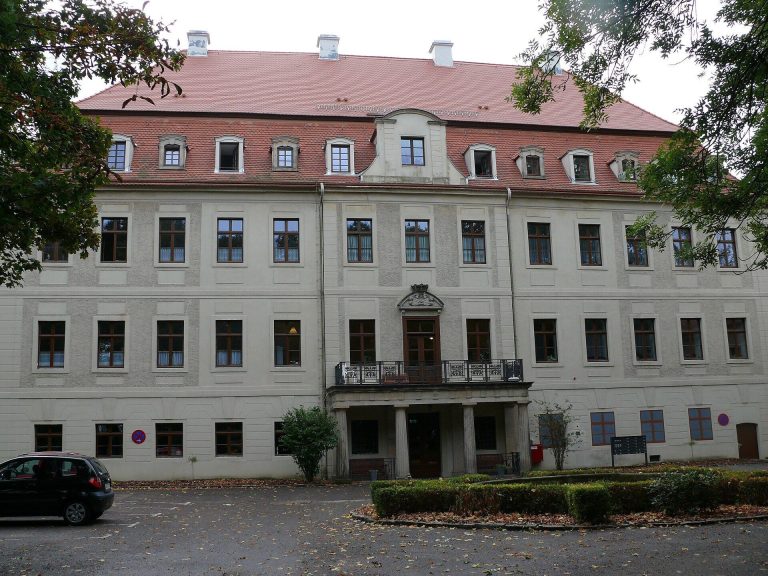
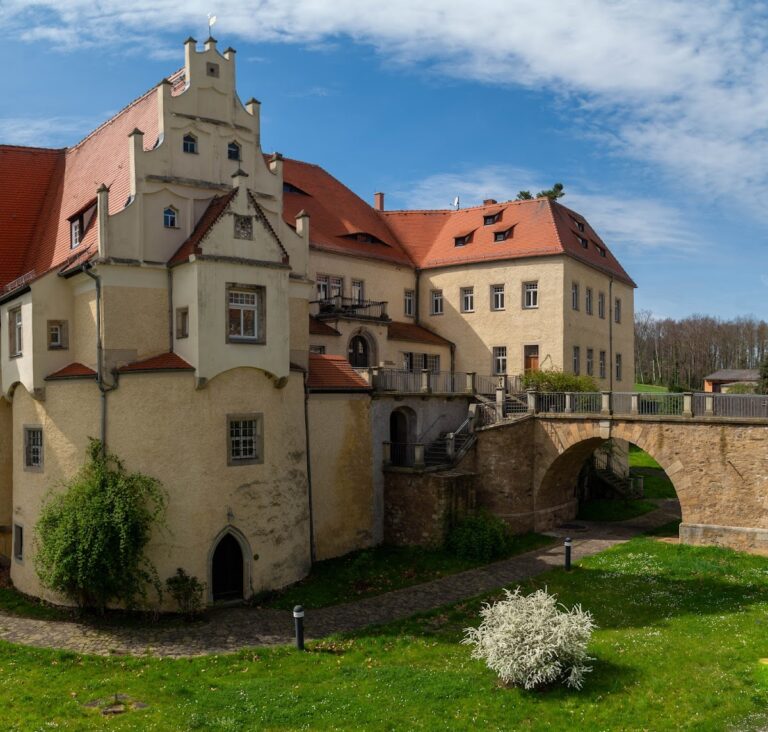
Jahnishausen Castle is a historic castle and manor in the Jahna valley, about four kilometres south of Riesa in Saxony, Germany. A moated castle probably stood on the site in the first half of the 13th century. After that castle was abandoned, the later castle was developed largely during the 16th century.
Medieval Origins and Early Estate
The von Schleinitz family held the landed manor estate from the first half of the 15th century. The site’s history then changed sharply during the Thirty Years’ War (1618–1648), a major European conflict, when the castle was destroyed.
Destruction and Rebuilding
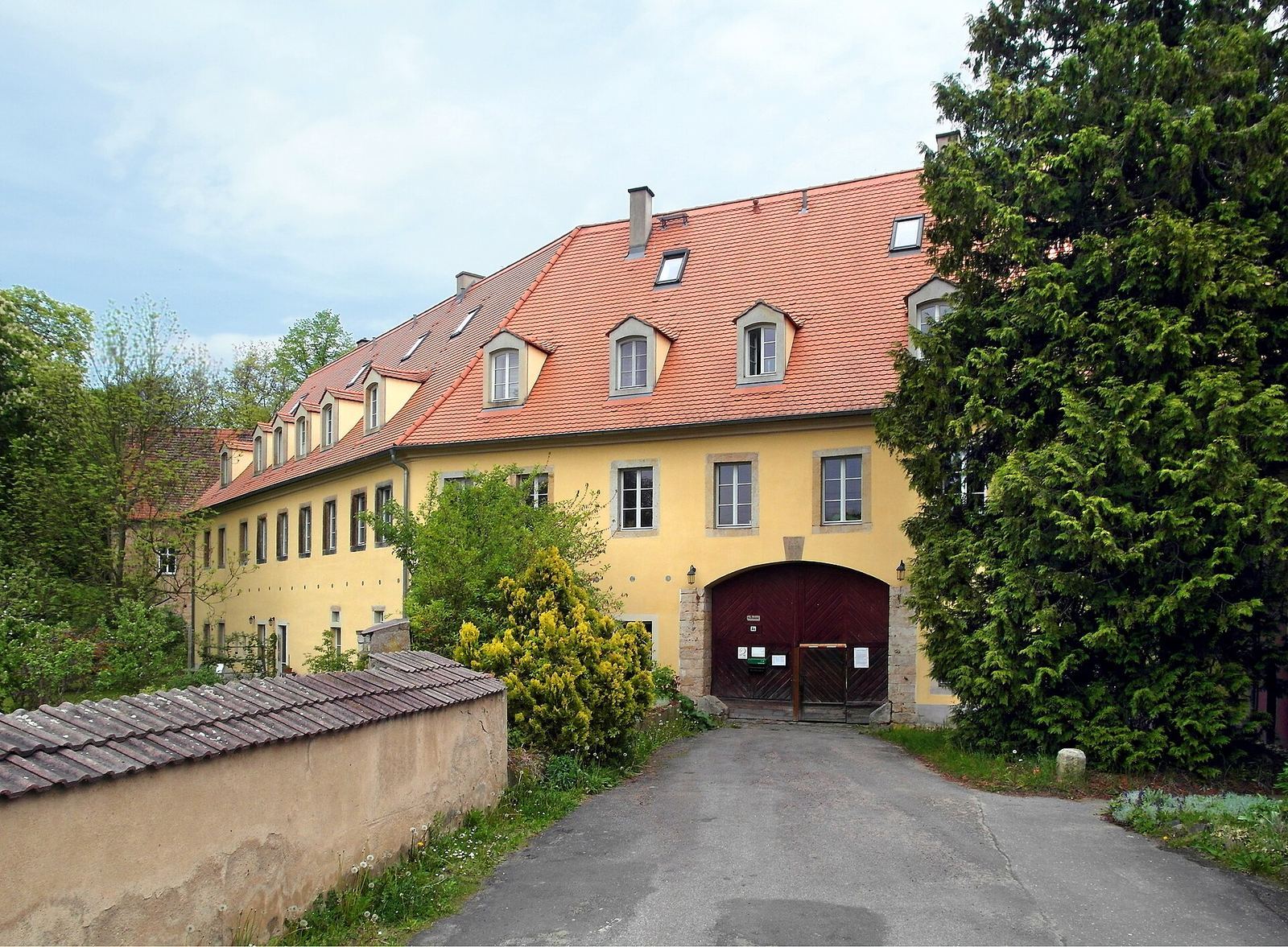
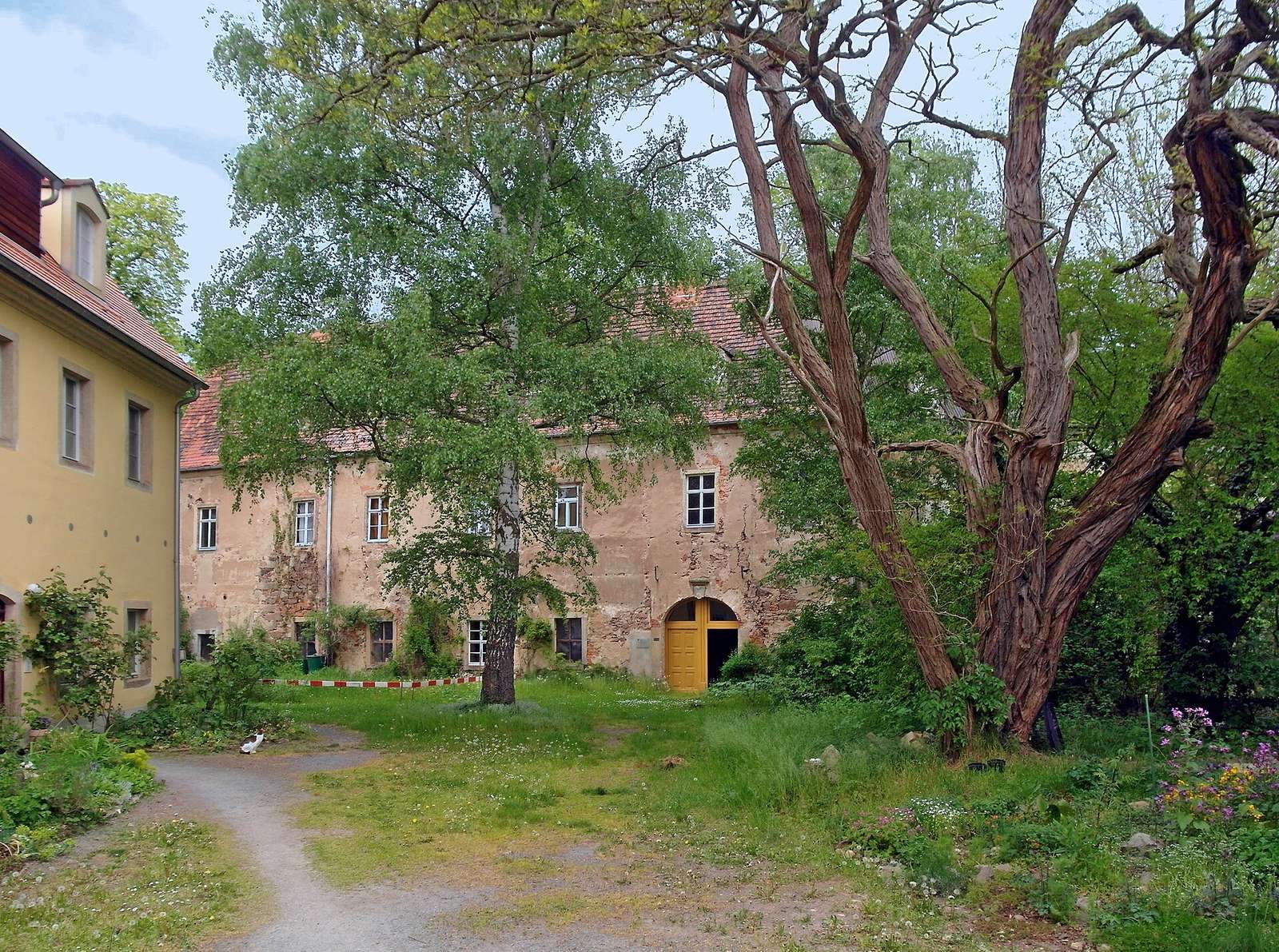
The estate was sold to the von Kötteritz family in 1645, passed to Baroness von Reichenbach in 1676, and was inherited by the Counts of Callenberg in 1718. A fire severely damaged the building in 1730. Captain Christoph Dietrich von Plötz had the castle restored in 1786. Ten years later, he sold the estate to Georg Wilhelm von Hopffgarten, who commissioned changes to the castle and the construction of a tenant house and gatehouse. The manor complex took shape during the 19th century.
Saxon Royal Ownership
Prince Johann of Saxony bought the castle in 1824 and used it chiefly for his studies. After he became king, he leased the castle and manor estate. The property remained with the Saxon royal family from 1824 to 1945. Ernst Heinrich von Sachsen was its last owner from the Wettin dynasty, Saxony’s ruling house.
Twentieth-Century Damage and Reuse
A rest home opened in the castle in 1930. War damage, expropriation during the 1945 land reform, and poor management under state ownership left the buildings run-down, with some badly damaged. The land reform was a postwar redistribution of land that included the seizure of estates. The property was then operated as a state-run agricultural estate, or farm. Until 1969, the manor house served as a kindergarten and after-school center, as well as a cultural and school building. A fire in 1970 left part of the castle in ruins, and the castle stood empty from 1980.
Safeguarding and Change of Ownership
Emergency work to secure the building took place in 1994–1995, with help from the German Foundation for Monument Protection and support arranged by the Free State of Saxony. The manor estate was auctioned to the Lebenstraum community in 2002. Established in 2001, the community was an ecologically oriented cooperative. Members also formed the Academia Danteska Jahnishausen association, to which the castle was transferred, formally separating it from the manor estate. Buildings on the estate have been restored, and restoration continues under monument-protection requirements. The association continues to care for the castle.
Remains
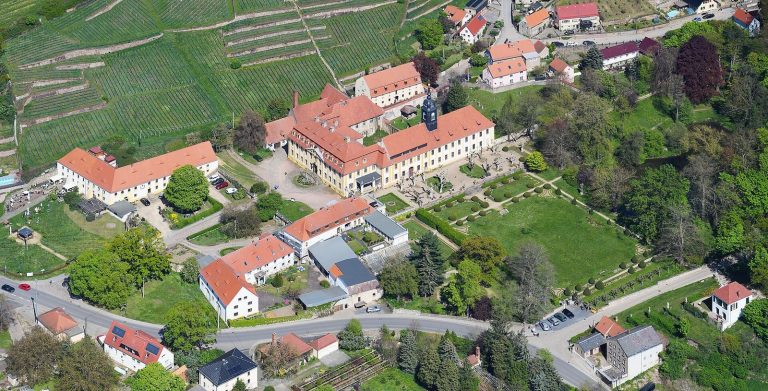
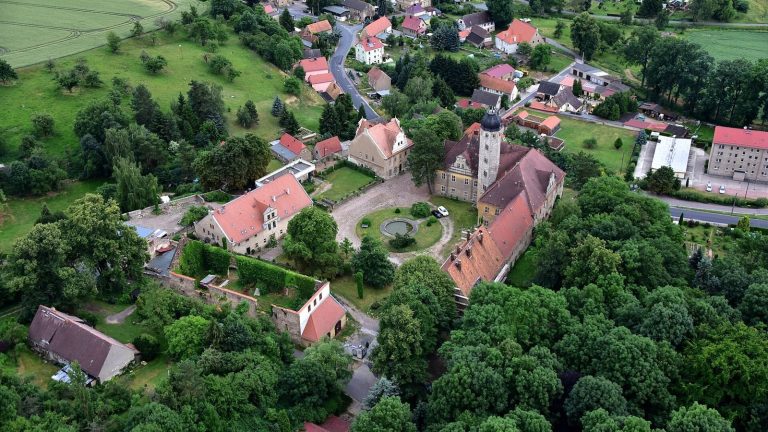
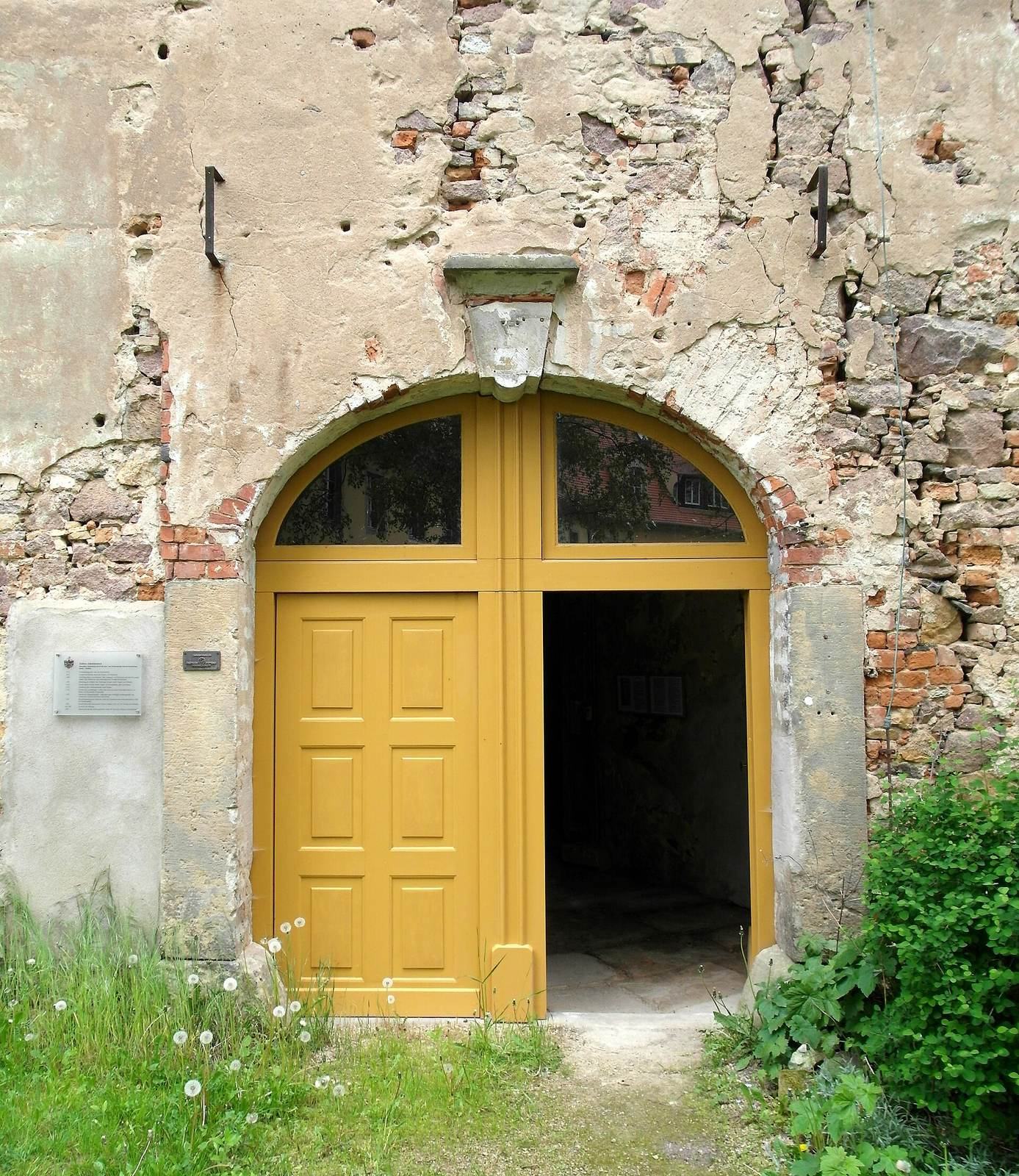
The physical complex includes the castle, a tenant house, and a gatehouse. Part of the castle is ruinous. The former castle park contains a pond and deciduous trees.