Schloss Igling: A Bavarian Castle and Neo-Gothic Estate


Site at a Glance
- Rating
- 4.2
- Popularity
- Very Low
- Country
- Germany
- Primary era
- Modern
- Eras represented
- Early Modern, Modern
- Civilizations
- Electorate of Bavaria, German, Holy Roman Empire
- Site type
- Domestic
- Remains
- Castle
On this page9 sections
History
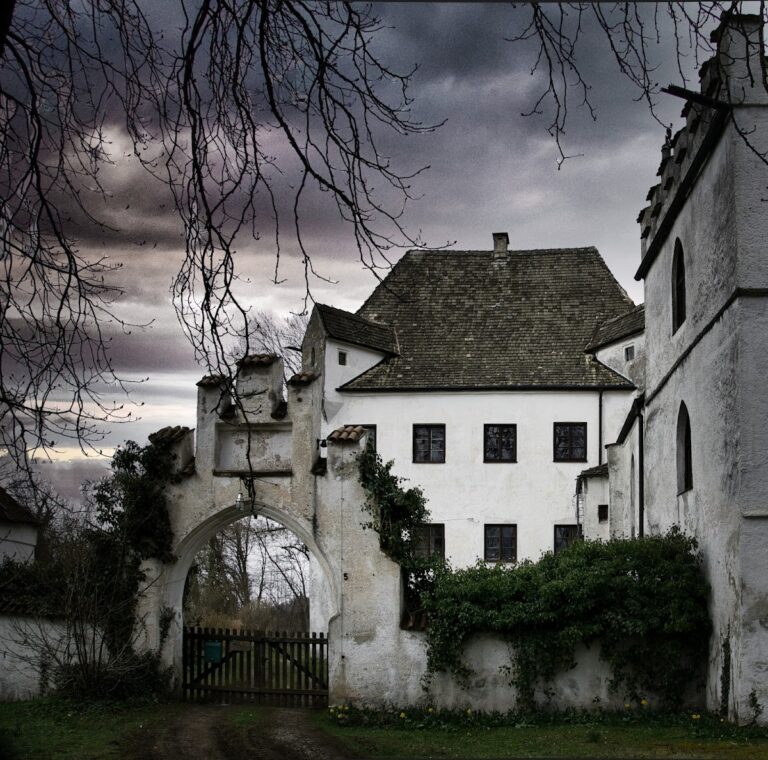
Schloss Igling is a castle estate in Germany, established about 1215 on the hill above Oberigling. It also gives its name to the municipal locality of Igling within the municipality of Igling. The castle’s present appearance largely reflects nineteenth-century Neo-Gothic rebuilding, a revival of medieval Gothic forms, although its history reaches back to the Middle Ages.
Medieval ownership
A castle was built around 1215 after the destruction of the neighboring castle on the Stoffersberg. Around 1339, through the Conradinian Donation, possessions associated with Conradin, the last Staufer heir, passed to the dukes of Bavaria. The dukes leased the castle to help meet the costs of warfare and their household expenses. Recorded owners and holders later included Karl Gelnhofer, Schwikker of Gundelfingen, and the Meitinger family.
The Langenmantel and Rehlinger families
On Saint Nicholas’ Day in 1504, Duke Albrecht IV of Bavaria-Munich transferred the Igling estate and castle to the Augsburg patrician Johann IX Langenmantel vom Sparren. Langenmantel had supported Albrecht during the War of the Landshut Succession, a conflict in 1503 and 1504 over the inheritance of the Duchy of Bavaria-Landshut. After Langenmantel died in 1505, the property passed through his family to the related Rehlinger family.
Seventeenth-century rebuilding and wartime damage
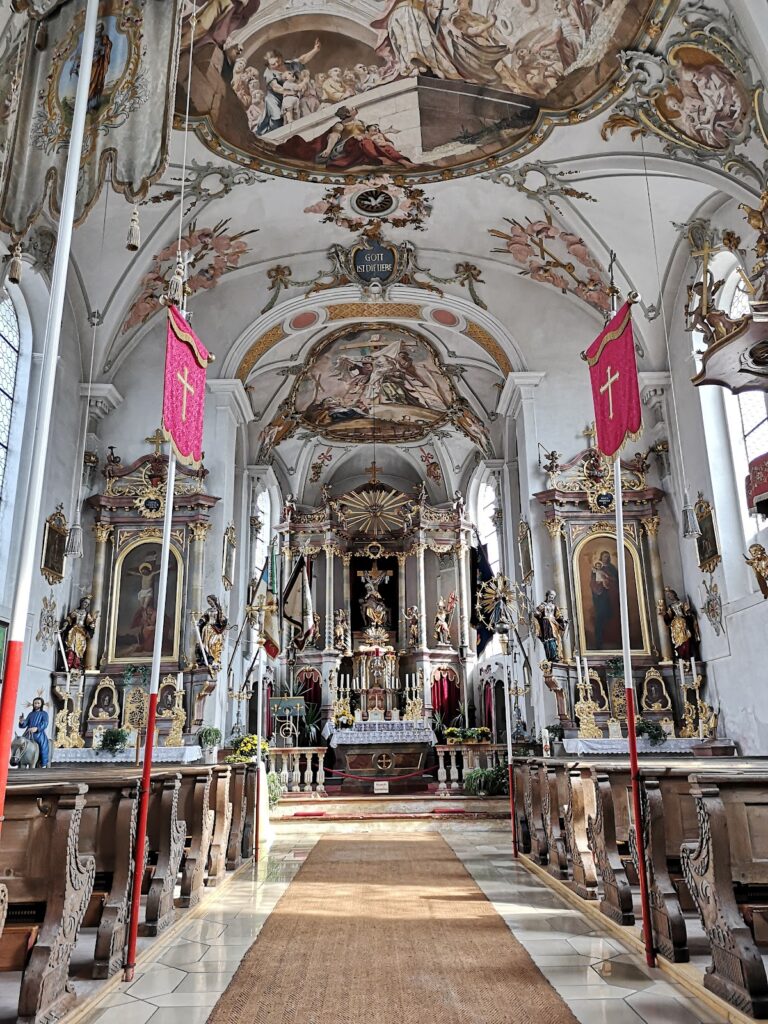
In 1612, the Bavarian Elector Maximilian sold the castle to his chief chancellor, Joachim Freiherr von Donnersberg. Donnersberg commissioned a new building in 1620, of which the castle chapel survives. Swedish troops plundered the castle in 1632 during the Thirty Years’ War, the European religious and political conflict of 1618–1648 that brought widespread military destruction across the German lands.
The Donnersberg line later died out, and the property was sold to Count Spaur. He rebuilt the castle in the Neo-Gothic style. Arnold Zenetti, a Bavarian architect known for historicist and Neo-Gothic work, carried out another rebuilding and enlargement in 1853. This phase established the complex’s present form.
The Maldeghem estate
In 1866, the Igling majorat estate, an inheritance arrangement intended to keep a landed estate together under a designated succession, was sold to Leopold Count of Maldeghem, Baron de Leyshot and Count de Stenuffel. He had lost his estates in France and Flanders under Napoleon. At the time of the sale, the estate covered almost twice as much land as it does today. The count operated agriculture, forestry, and a brewery at the castle, and secured the routing of the Munich–Lindau railway past Igling. Most of Igling’s population worked for the comital estate administration.
War, renovation, and later use
During the Second World War, the SS confiscated the castle. After the war, it became an outpost of Landsberg Prison, where the Americans housed war criminals, and it was later used to accommodate refugees. Ludwig Count of Maldeghem transferred a large part of his village land to local residents in response to the housing shortage, which had been worsened in part by the arrival of refugees.
The deteriorating castle underwent comprehensive renovation from 1970 onward at Ludwig Count of Maldeghem’s initiative. A nine-hole golf course was established around the castle in the early 1990s. Schloss Igling remains owned by the Counts of Maldeghem. It is protected as a monument and is listed by the Bavarian State Office for Monument Protection under file number D-1-81-127-19. The site is also an archaeological monument for underground medieval and early-modern remains associated with Schloss Oberigling, its predecessor buildings, and a Baroque garden.
Remains
Schloss Igling stands on a hill above the Upper Bavarian settlement of Oberigling. The surviving complex combines a nineteenth-century Neo-Gothic castle with the chapel from the 1620 rebuilding and underground archaeological remains linked to the medieval and early-modern castle site. Ancillary buildings extend the estate’s physical layout and contain several later functions.
Castle and chapel
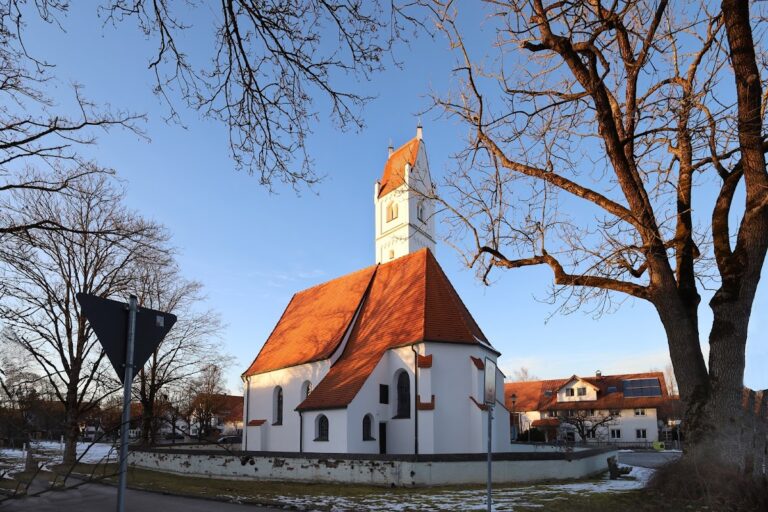
The building commissioned in 1620 survives only as the castle chapel. After the Thirty Years’ War, the main castle was rebuilt in the Neo-Gothic style, and Arnold Zenetti remodeled and enlarged it in 1853. The nineteenth-century work, which used medieval Gothic forms as its architectural reference, accounts for the complex’s present appearance.
Archaeological remains and estate buildings
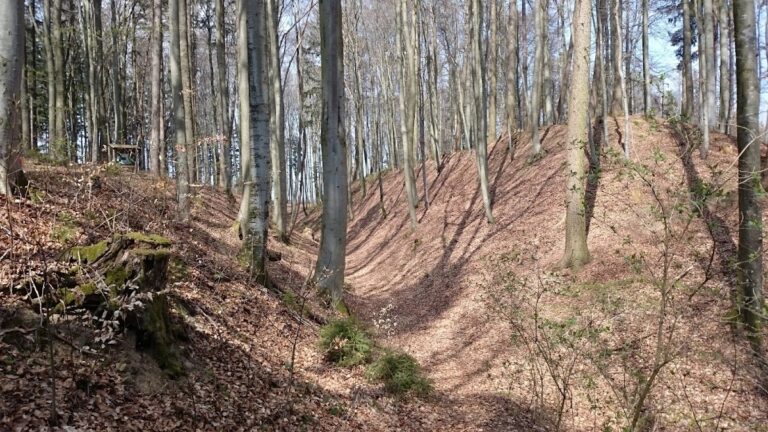
Underground medieval and early-modern remains survive in the area of Schloss Oberigling and its predecessor buildings. The archaeological monument also includes a Baroque garden, preserving evidence of the site’s earlier layout and cultivated setting below the later castle complex.
The ancillary buildings contain a castle restaurant, the Igling Golf Club, a golf pro shop, and administrative offices. These buildings form part of the present estate alongside the remodeled castle and its chapel.
Nearby sites