Fürsteneck Castle: A Medieval Border Fortress in Bavaria
Site at a Glance
- Popularity
- Medium
- Country
- Germany
- Primary era
- Medieval
- Eras represented
- Medieval, Early Modern
- Civilizations
- Holy Roman Empire
- Site type
- Military
- Remains
- Castle
On this page10 sections
History
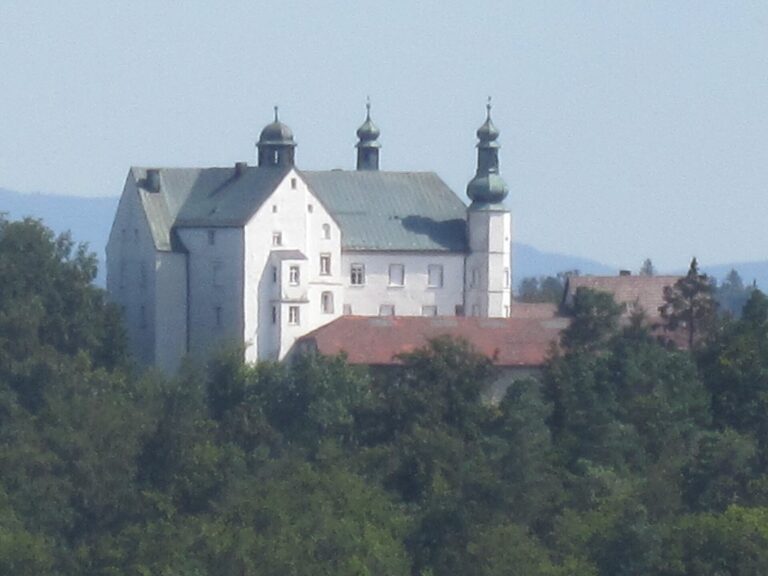
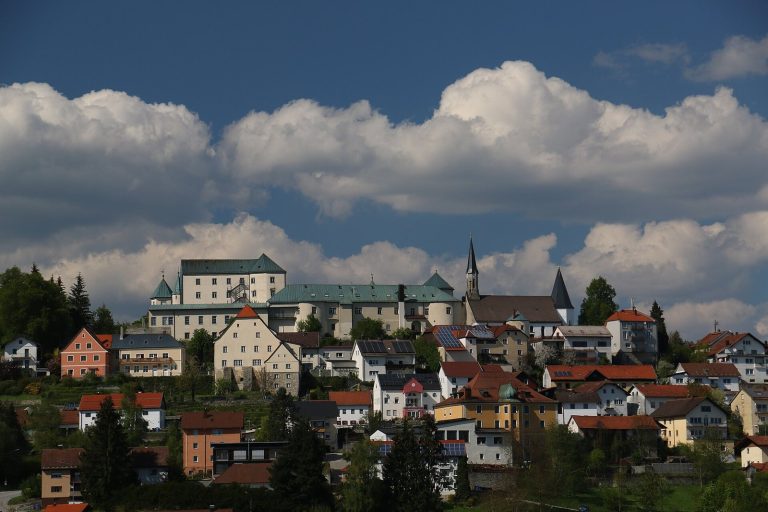
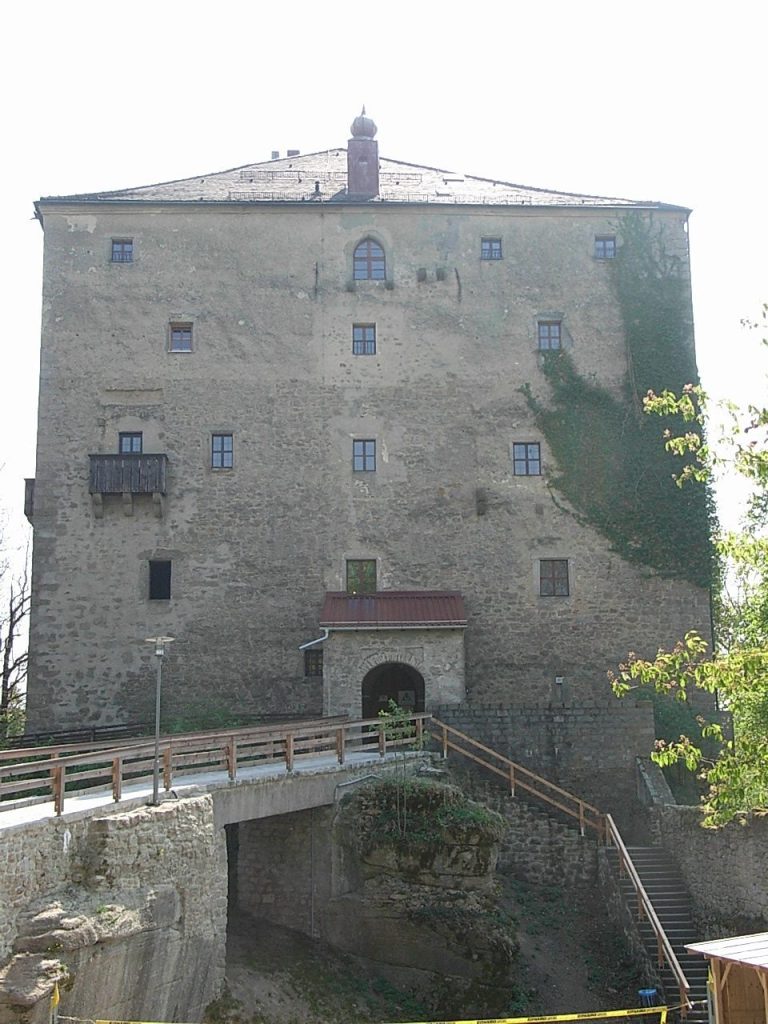
Fürsteneck Castle stands in the municipality of Fürsteneck in Bavaria, Germany. Wolfger of Erla, Prince-Bishop of Passau, built it around 1190 as a border fortification against the dukes of Bavaria. A prince-bishop held both a church office and territorial authority.
Medieval and early modern development
Prince-Bishop Urban von Trennbach oversaw renovations in 1570. In 1745, Cardinal Joseph Dominikus von Lamberg, a senior official of the Catholic Church, had a chapel built at the castle.
Changes of ownership and rebuilding
In 1803 the castle passed to Archduke Ferdinand, then Elector of Salzburg, whose office entitled him to vote in choosing the Holy Roman Emperor. It transferred to the Bavarian state in 1806, then was sold in 1814 to Konstantin Binder, a former monk from Regensburg who established a brewery there. Simon Georg became its owner in 1818, followed by Wilhelm Fein in 1877. The Forster family has owned the castle since 1921.
A fire destroyed the castle in 1929. It was rebuilt afterward, and the chapel was restored. The castle and the area around the Catholic parish church of St John the Baptist are designated archaeological monuments for their buried medieval and early modern remains, including traces of earlier buildings and construction phases.
Remains
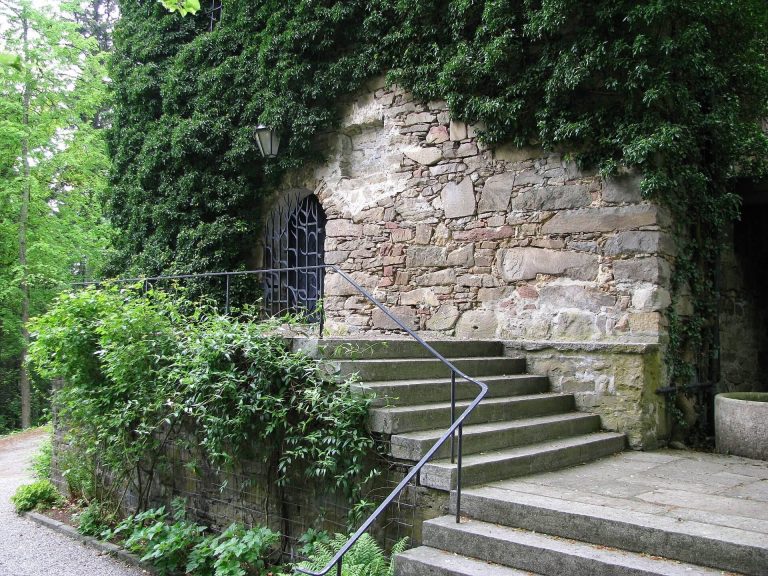
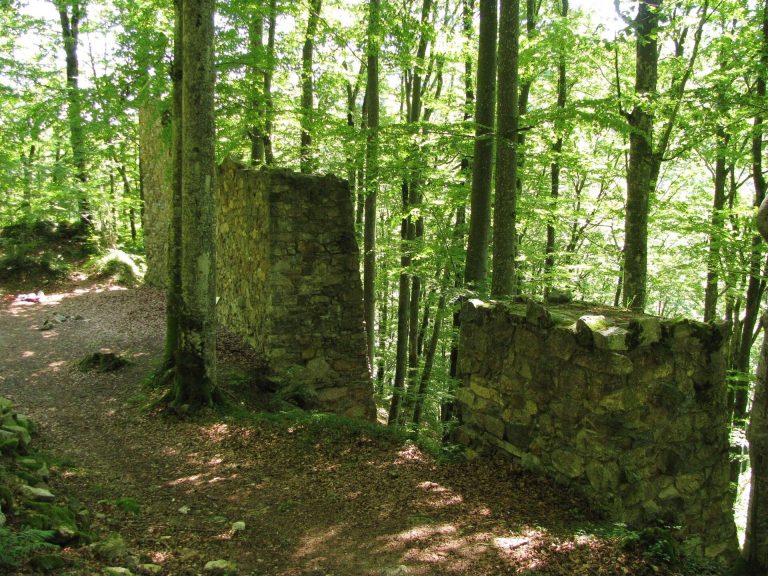
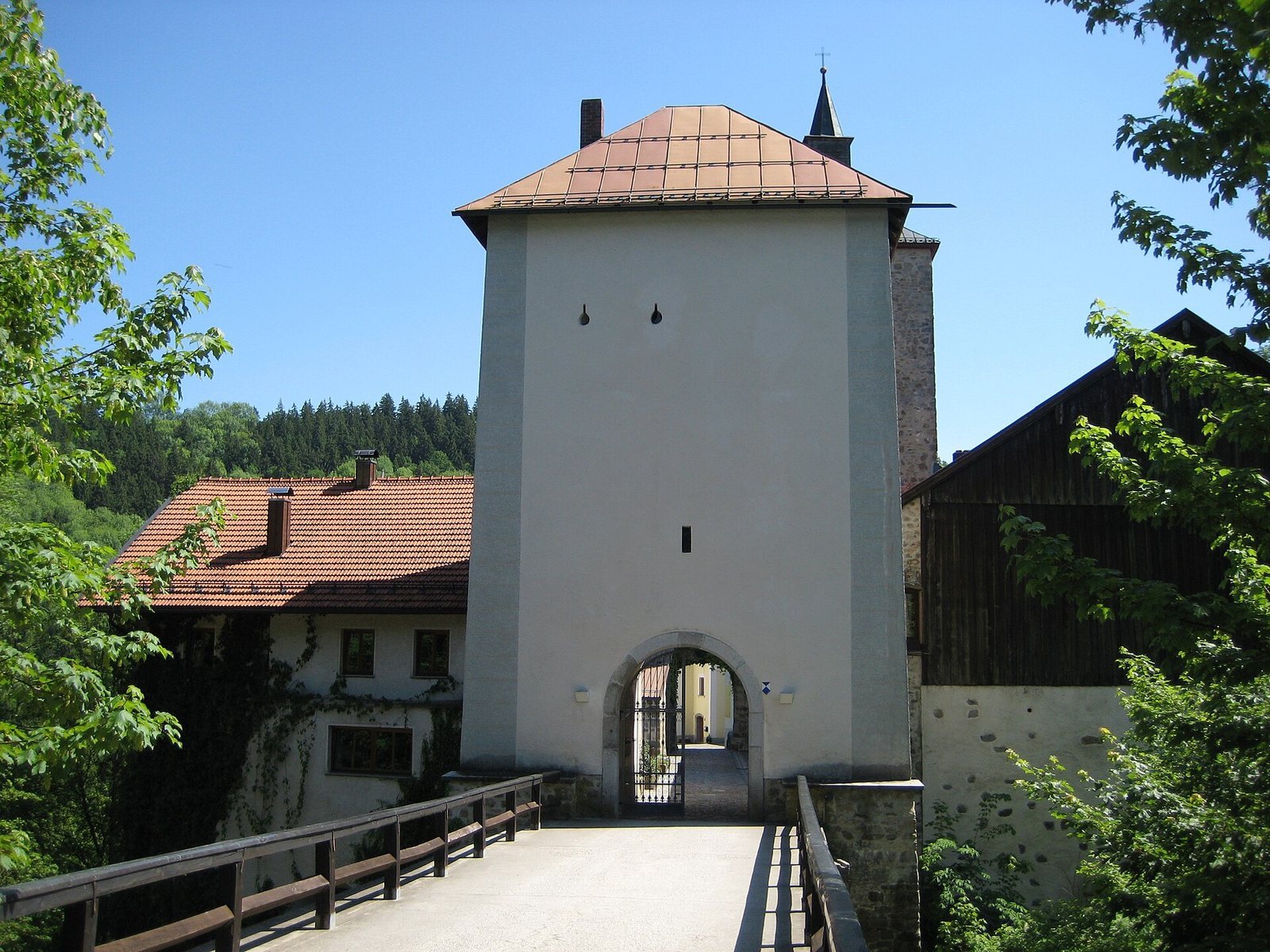
The castle occupies a hill within a bend of the Wolfsteiner Ohe, high above its meeting with the Ilz. Its remains include defensive structures, a residential building, and a chapel. On the north side, an access bridge crosses a neck ditch, a defensive ditch cut across a narrow approach.
Fortifications and approach
Gate tower and northern approach
The bridge leads across the ditch to a gate tower with a vaulted passage and a medieval core.
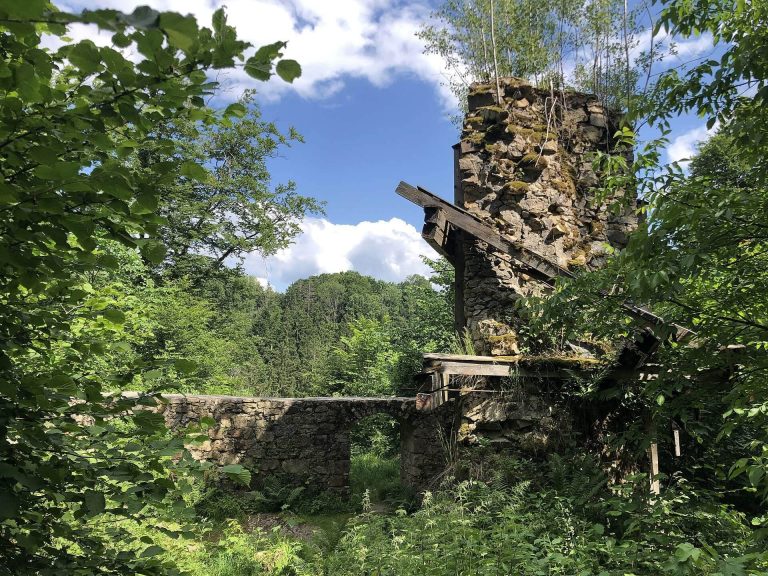
Defensive tower
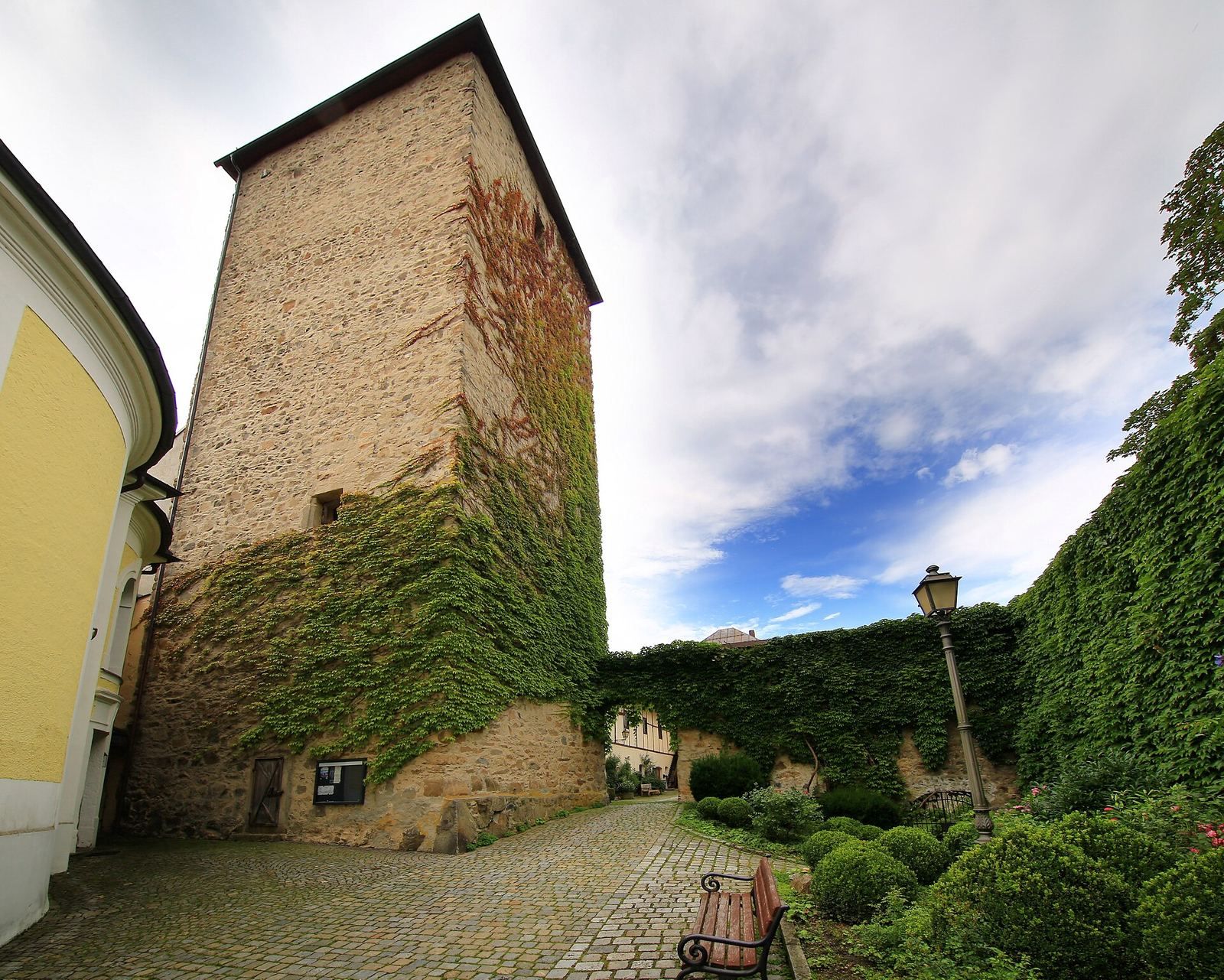
A rectangular defensive tower built of rubble stone in the early 13th century measures 10 metres high, with a footprint of 10 by 9 metres. Its walls reach up to 3.5 metres in thickness.
Residential and religious buildings
Residential building
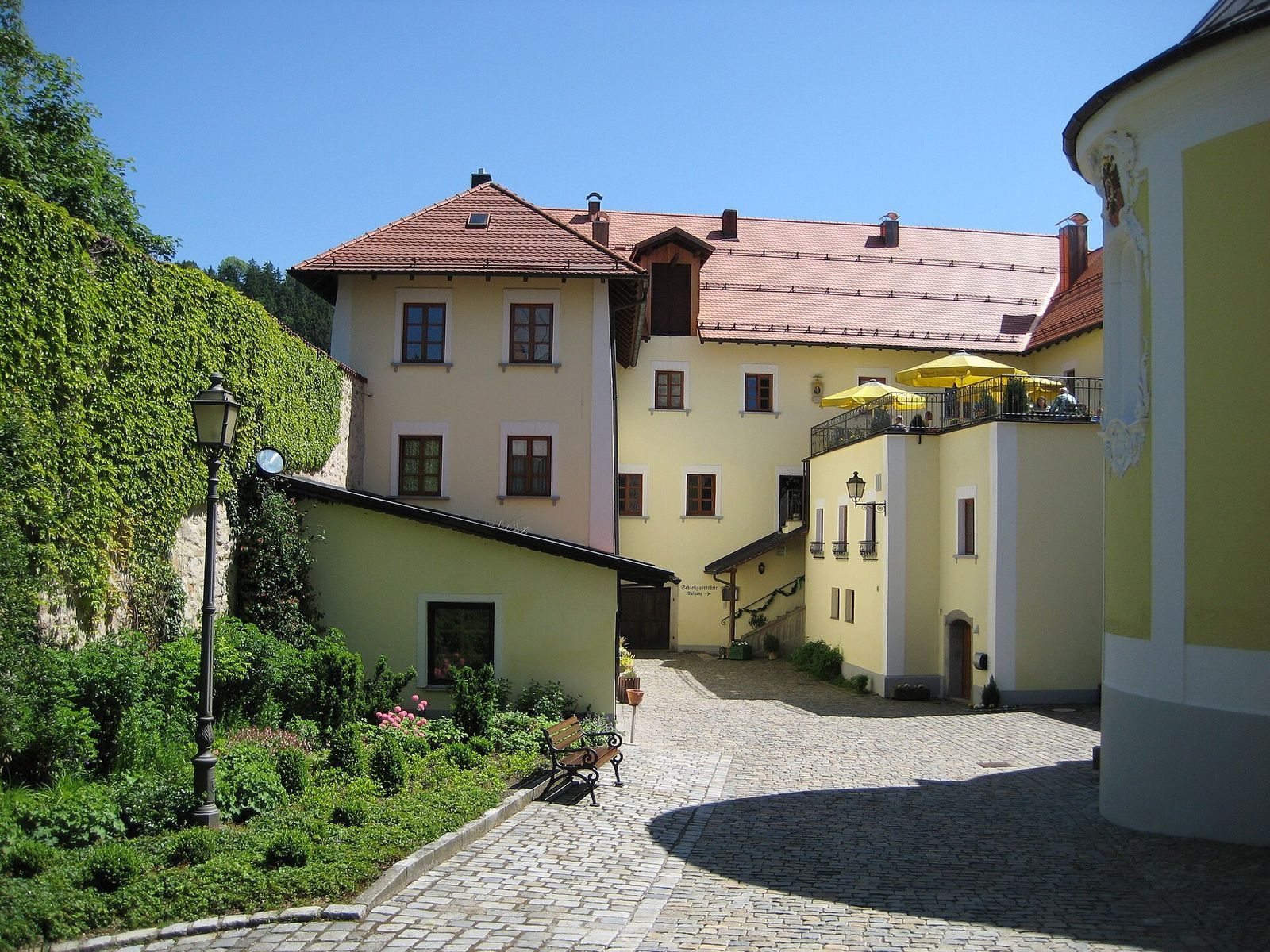
The three-wing residential building bears the date 1700, although its core is older.
Chapel
Built by Severin Goldberger, the chapel has a central plan and a mansard roof, with steep lower slopes and flatter upper slopes. It serves as Fürsteneck’s parish church.