Feldeck Castle: A Medieval Water Castle Built to Protect Abbey Lands
Site at a Glance
- Popularity
- Medium
- Country
- Germany
- Primary era
- Medieval
- Eras represented
- Medieval, Early Modern
- Civilizations
- Holy Roman Empire
- Site type
- Domestic
- Remains
- Castle
On this page7 sections
History
Feldeck Castle is a medieval water castle, with water incorporated into its defenses, in Dietlas, in the municipality of Krayenberggemeinde, Germany. Hersfeld Abbey, a Benedictine monastery and territorial landholder, built it after 1270 to protect its holdings in Dorndorf. The abbey also owned Krayenburg across the Werra, which served as a counterpart to Feldeck.
Foundation and changing lordship
Castle wardens, who administered the stronghold, came from the Frankenstein family. The castle later passed to Dietzel and Johann von Taft, military and administrative dependants of a lord who were based in Großentaft. In 1330, the Counts of Henneberg acquired Feldeck after the Frankensteins sold their holdings.
Werner and Wetzilo von Bennhausen served as castle retainers in 1376. In 1423, Wetzilo’s son-in-law Georg von Buchenau took over their position. After a prolonged dispute and feud with their Henneberg lords, the Buchenau knights broke with them and joined the landgraves of Thuringia, territorial princes. The Hennebergs then transferred Feldeck to the knight von Prasser in 1487 and the lords of Wechmar in 1506.
War and later owners
In the early sixteenth century, the Hennebergs assigned the castle to Rudolph von Boyneburgk, their official at Schmalkalden, who was based at Gerstungen Castle. He also controlled the neighboring district of Frauensee, including Krayenburg, as security for a pledge. During the Peasants’ War, a major uprising in German-speaking lands in 1524–1525, the Werrahaufen, a rebel force associated with the Werra region, moved through the Felda valley toward Salzungen, Vacha, and Kaltennordheim in 1525. The commanders and garrisons of castles in the region generally surrendered without fighting, and Feldeck did so as well. Knights of Hanstein held the castle in 1533, possibly as pledge holders.
In 1622, Melchior Rudolf von Boyneburgk sold Feldeck and Dietlas to Hans Melchior von Butler, an official at Lichtenberg. The castle may have been plundered during the Thirty Years’ War, the conflict that lasted from 1618 to 1648, and its manor house was set on fire. In the nineteenth century, Max von Butler turned the property into a residential palace and filled it with antiques. The Butler family retained ownership until its expropriation in 1945. During the German Democratic Republic, or East German period from 1949 to 1990, the building served as a children’s sanatorium. After German reunification, retired Major General Ruprecht von Butler acquired it again.
Remains
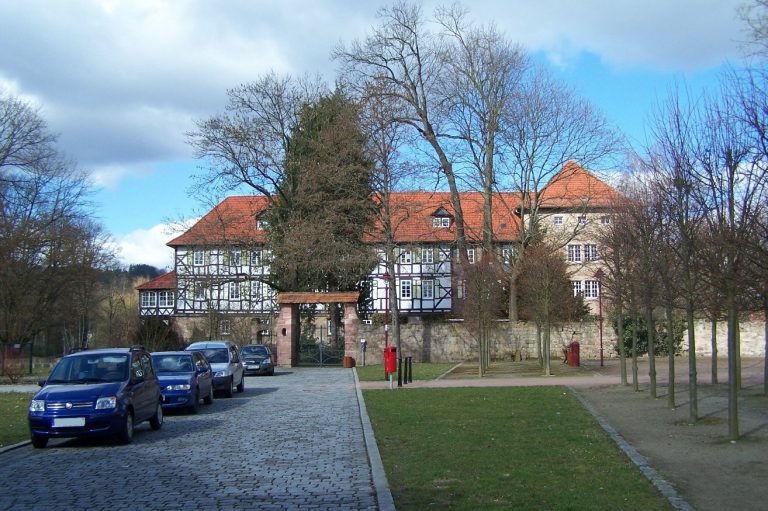
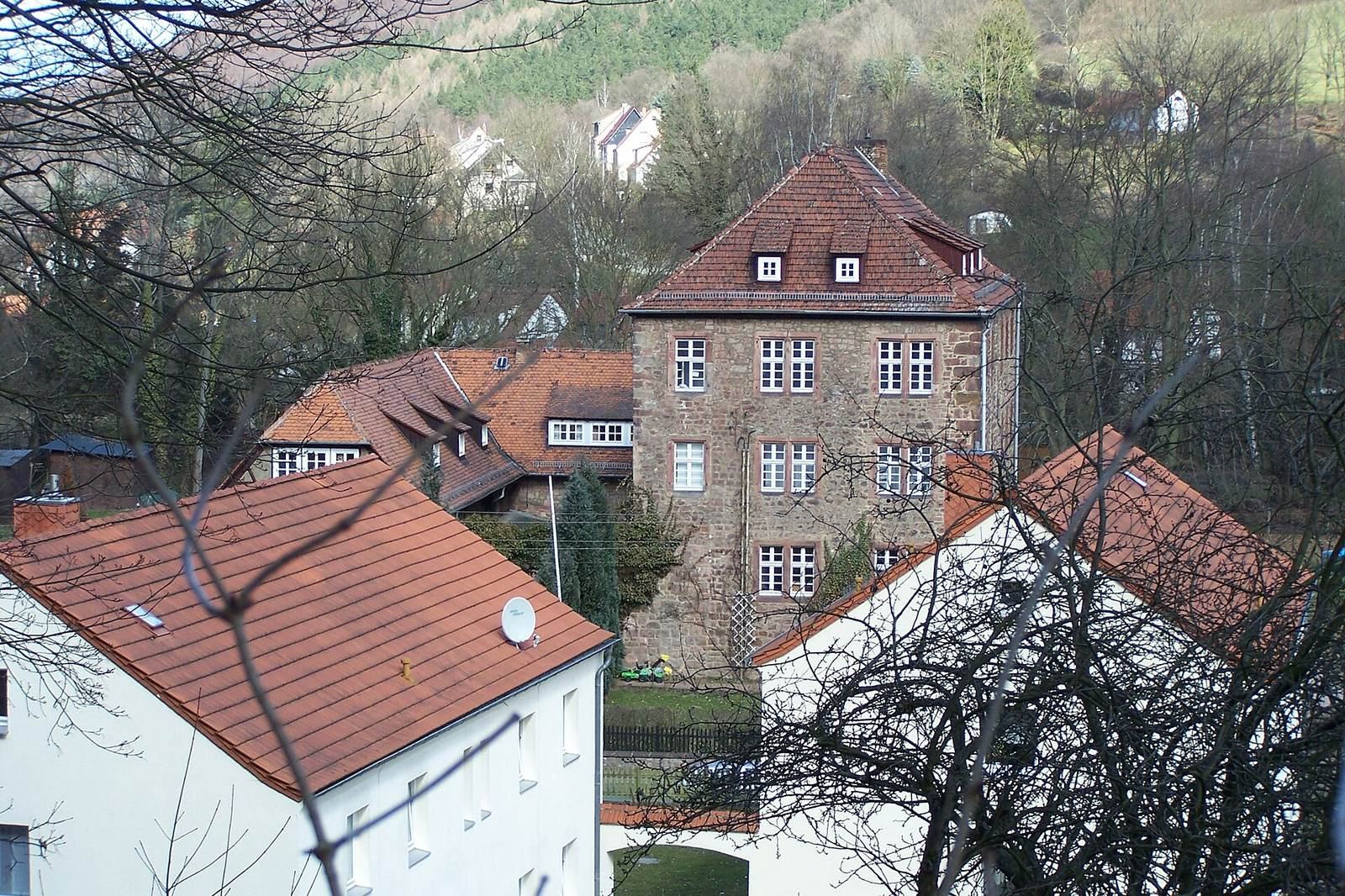
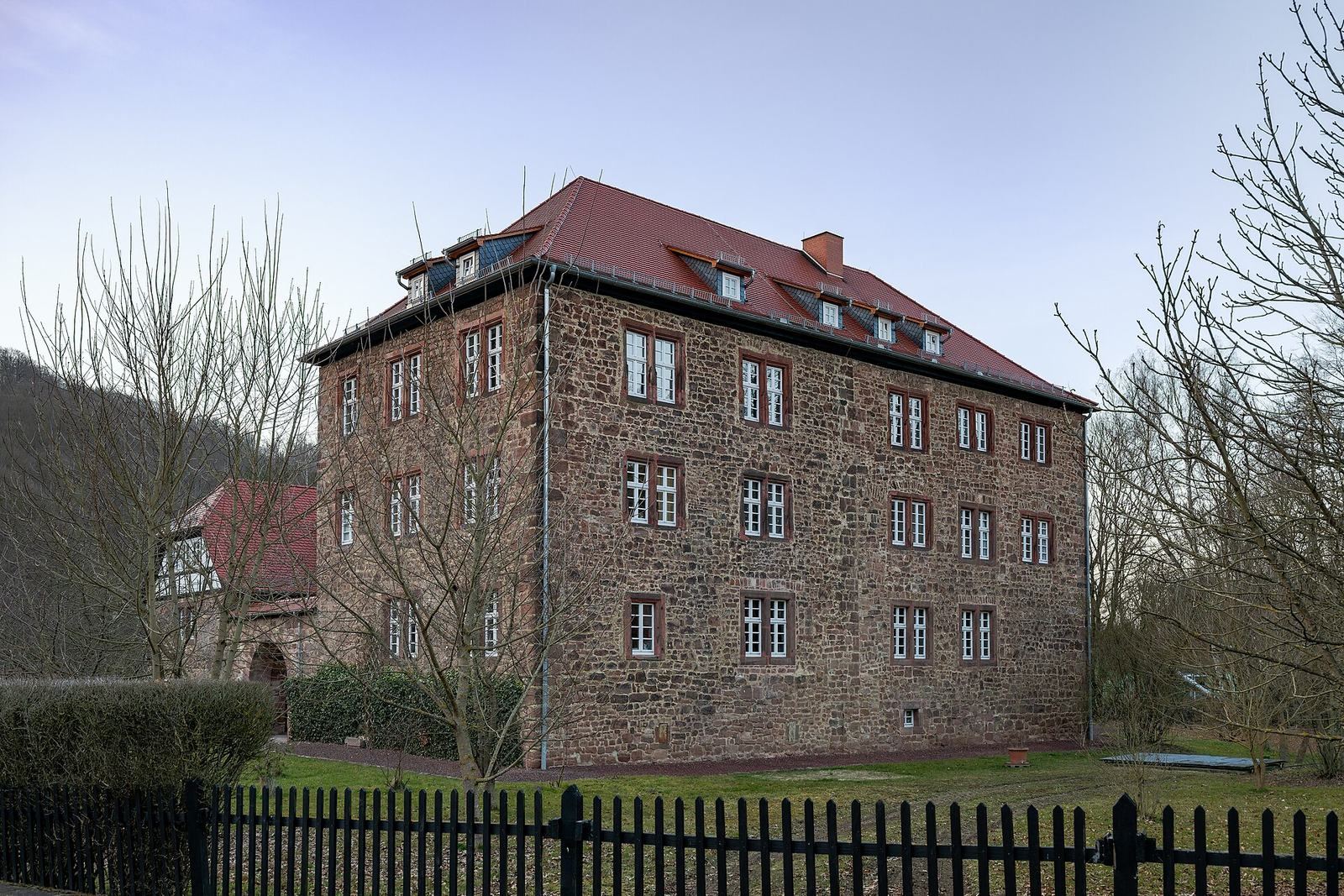
The lowland castle stands in a sheltered part of the Felda floodplain, at the entrance to the Felda valley, north of historic Dietlas and about two kilometres south of Dorndorf. The surviving complex includes its main building and sections of the defensive wall, with traces of its former water defenses still visible in the surrounding landscape.
Water defenses and ditches
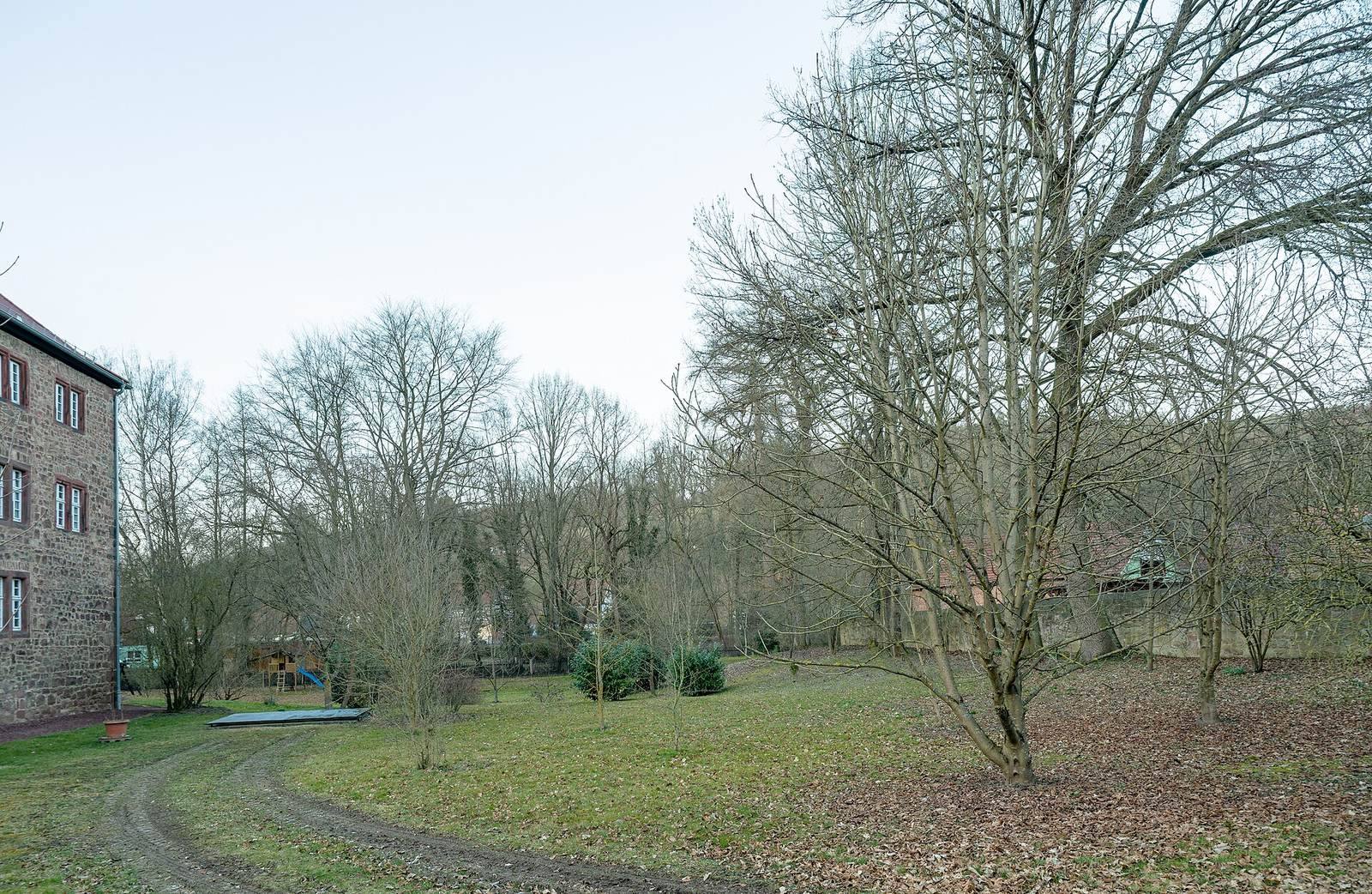
In the Middle Ages, dams brought the Felda into the castle’s defensive system. Water-filled ditches also formed part of its defenses. These ditches were probably partly filled during the seventeenth century, although their line remains discernible to the south of the castle.
Main castle building
The main building was probably first constructed as a square residential tower. Extensive renovations and alterations beginning around 1600 changed its form. It survives alongside sections of the defensive wall.
Former gate and estate buildings
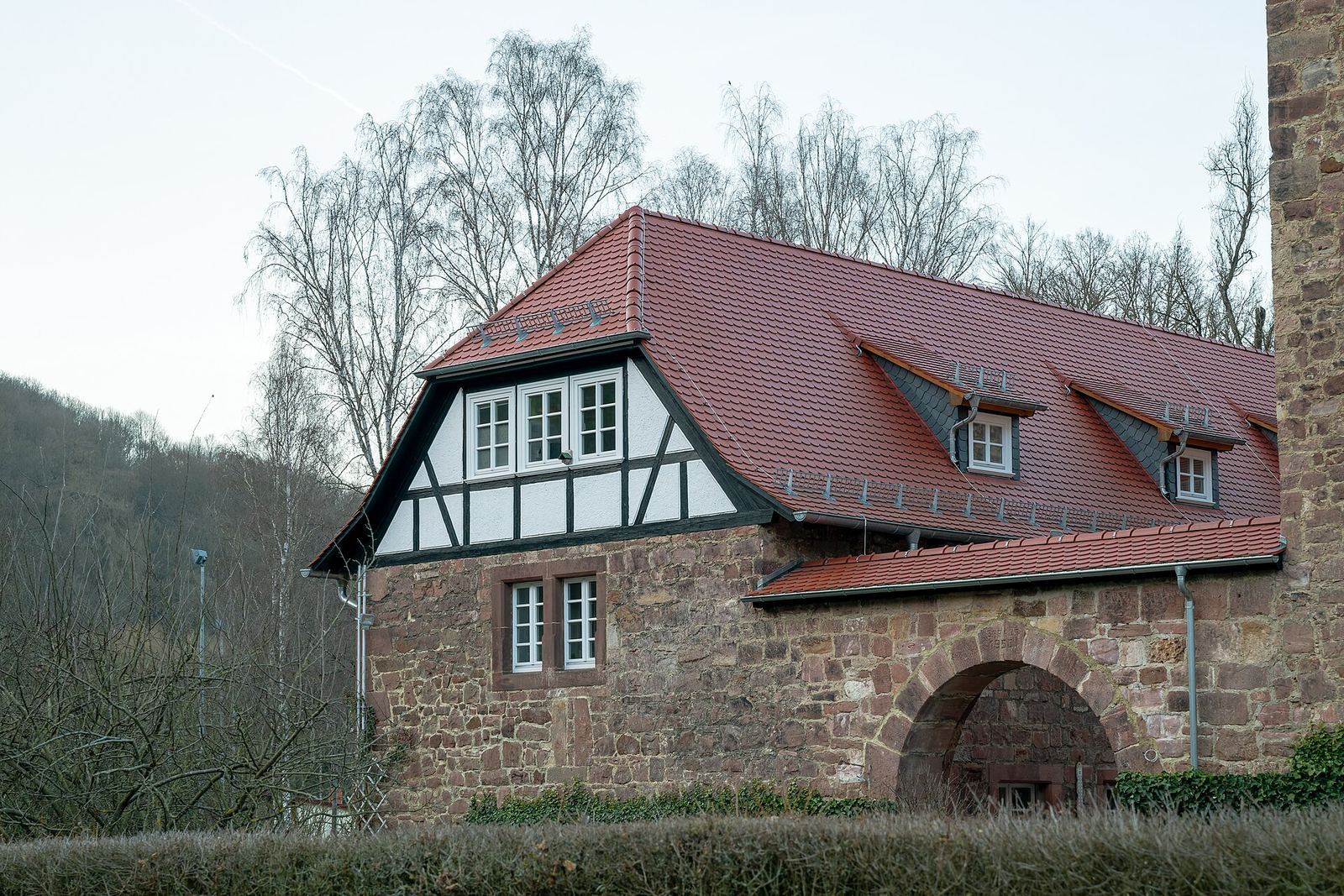
Until the end of the Second World War, the complex also contained a keep, a gate with a drawbridge, and an estate with a courtyard and farm buildings. The keep and gatehouse, including the drawbridge, were demolished, possibly soon after the 1945 expropriation. The estate’s farm buildings were gradually removed after falling into disrepair. A new estate had been built immediately west of the castle in the seventeenth century.