Büchold Castle: A Romanesque Castle Transformed into a Renaissance Palace
Site at a Glance
- Popularity
- Medium
- Country
- Germany
- Primary era
- Medieval
- Eras represented
- Medieval, Early Modern, Modern
- Civilizations
- German, Holy Roman Empire
- Site type
- Military
- Remains
- Castle
On this page8 sections
History
Büchold Castle is a castle ruin in Büchold, now part of Arnstein in Bavaria, Germany. The estate first appears in records in 1299 as belonging to the Würzburg house of the Knights Hospitaller, a Catholic religious order that began by caring for pilgrims and later became a military order. The castle’s early form was Romanesque, a medieval architectural style.
Knights Hospitaller and the Thüngen family
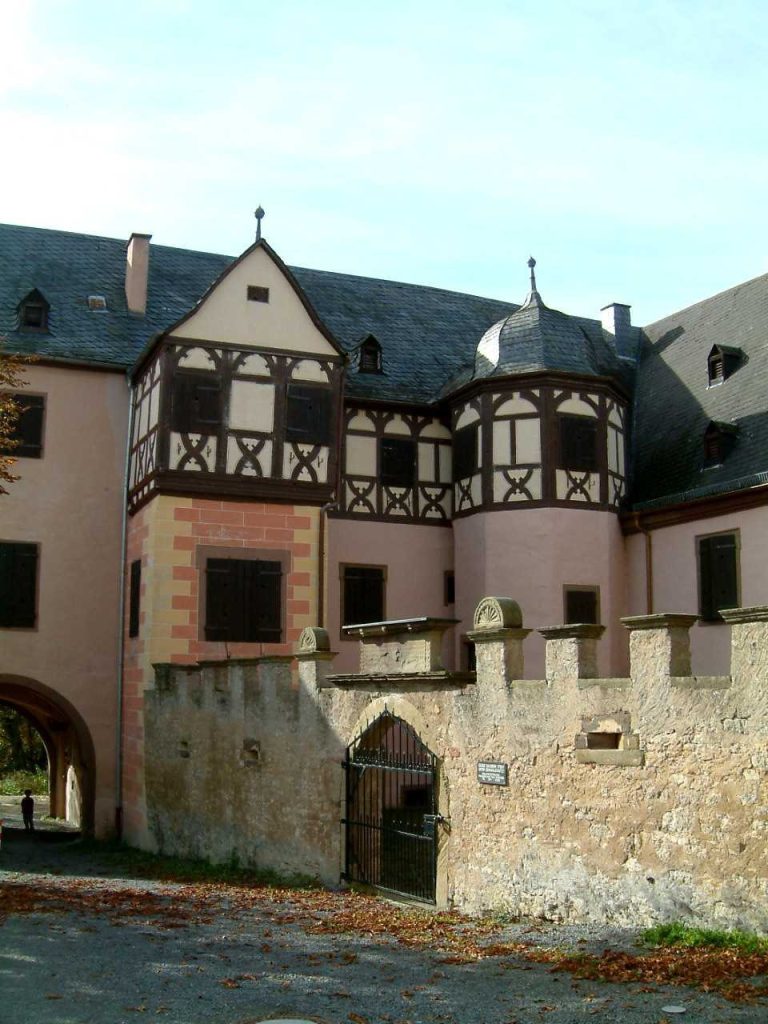
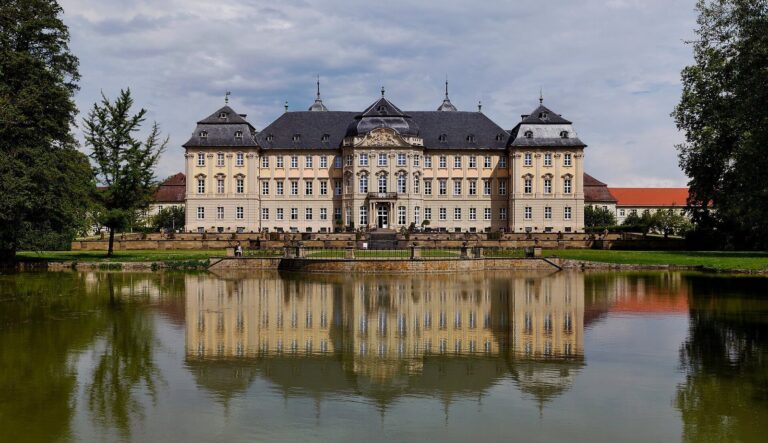
After the Knights Hospitaller became heavily indebted, the estate passed to the Counts of Rieneck. The Lords of Thüngen acquired it in 1364 and held it for more than two centuries, transforming the earlier castle into a Renaissance palace. From about 1540, Lutheranism, a branch of Protestant Christianity, gained ground in Büchold during their tenure.
The Echter family and religious conflict
Dietrich Echter von Mespelbrunn took control of the castle and lordship in 1596 and enforced re-Catholicization, an effort to restore Catholic practice and authority in areas that had adopted Protestantism. In the ensuing period of religious persecution and witch trials, women accused of witchcraft were tortured in the castle dungeon and burned at the gallows hill. Philipp Christoph Echter gave the parish church of St Nicholas and the Visitation of the Virgin Mary its present form during this period of religious change.
Noble estates and decline
From 1652 to 1749, the castle was held in turn by members of the Dalberg, Greiffenclau, and Ingelheim families as a feudal estate. Toward the end of the seventeenth century, the Dalbergs brought renewed prosperity to Büchold and established a Baroque garden east of the castle. At the time, the garden was regarded as a notable example of Baroque garden design, and it lasted for more than a century.
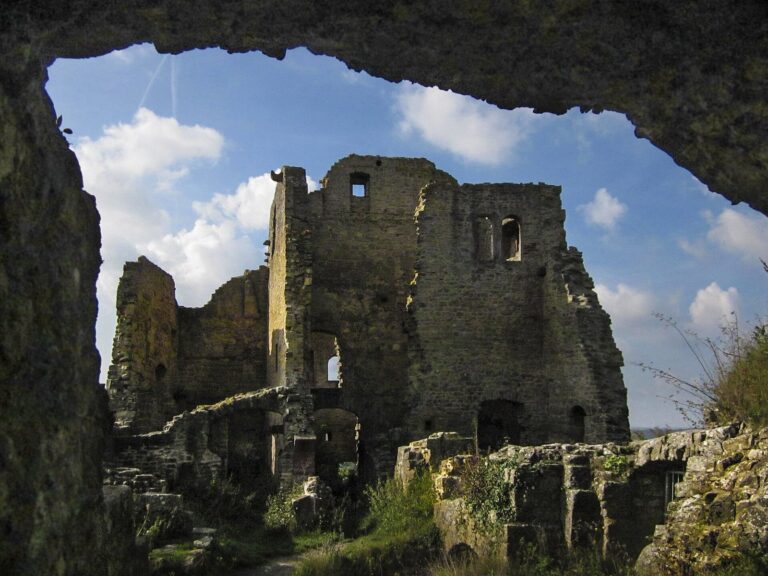
After the Büchold administrative office of the prince-bishopric, a territory governed by a prince-bishop, was dissolved in 1769, the castle and its grounds gradually declined. Demolition of the Renaissance buildings began in 1776.
Bavarian rule and modern changes
Büchold became part of the Kingdom of Bavaria in 1803. A local private owner bought the ruin in 1818, and the family used the property as a small farm for nearly two centuries, until the operation ended in 2000.
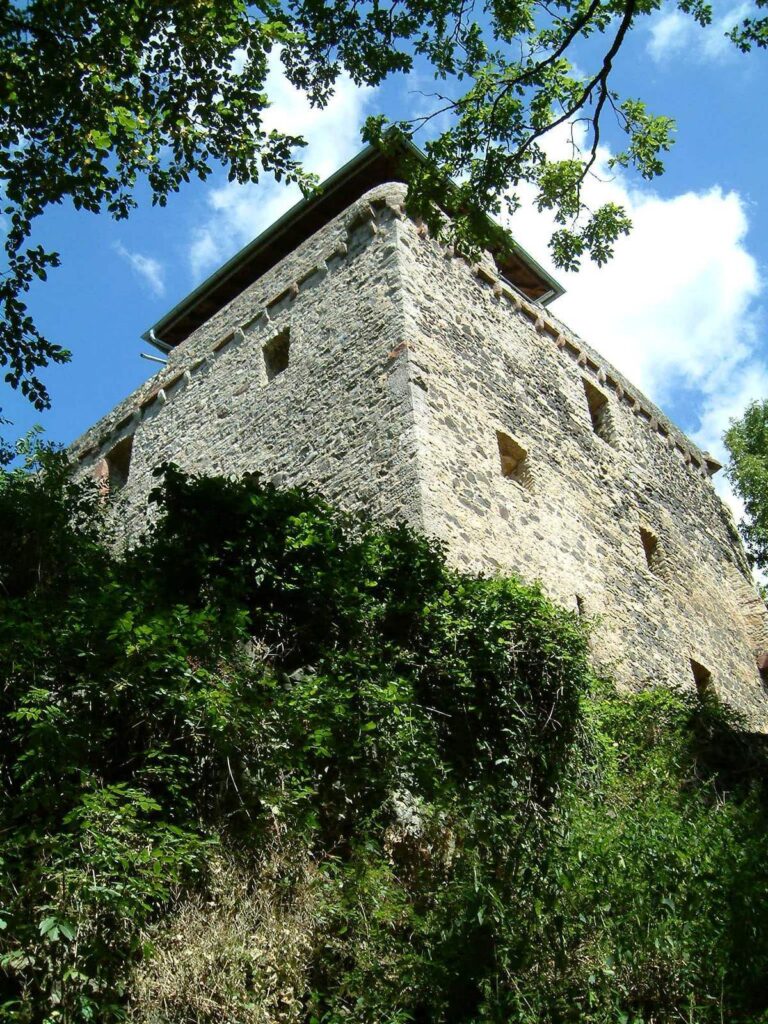
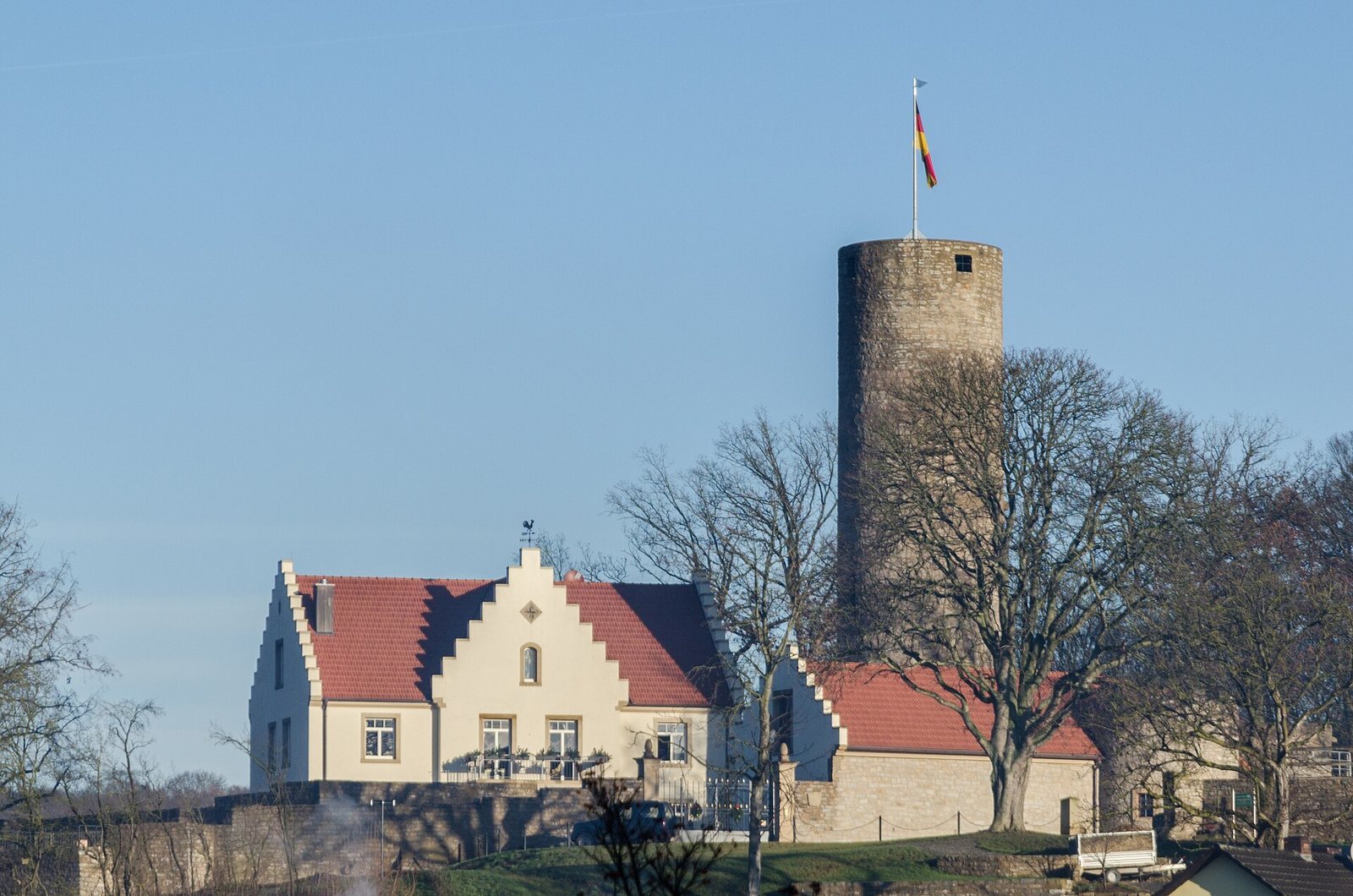
The dilapidated property was acquired in 2007. Its mid-nineteenth-century residence and farm buildings were demolished, and a single-family house was built within the castle enclosure. From 2009 to 2011, work conserved the tower and stabilized and partly renewed the encircling walls.
Remains
Castle enclosure
The castle stands on elevated ground at the edge of the village, about 250 metres above sea level. Its circular layout includes a 26-metre-high round tower at the centre, with the surviving encircling wall and a vaulted cellar, a cellar with a curved, arched ceiling. The castle’s masonry is made from squared, dressed stone blocks.
Baroque garden entrance
East of the castle, the garden’s entrance remains a feature of the former garden complex. The local umbrella association of clubs in Büchold restored the entrance in 2006.