Bischofstein Castle: An Electoral Summer Residence and Administrative Seat in Thuringia
Site at a Glance
- Popularity
- Medium
- Country
- Germany
- Primary era
- Early Modern
- Eras represented
- Early Modern
- Civilizations
- Holy Roman Empire
- Site type
- Domestic
- Remains
- Castle
On this page11 sections
History
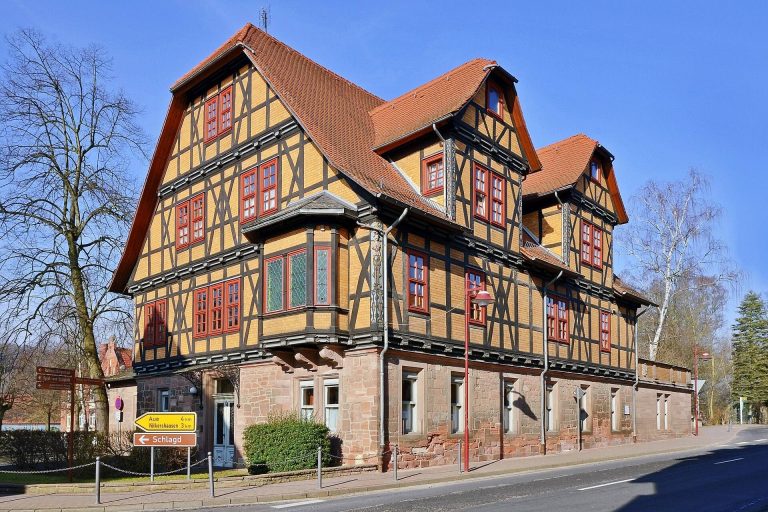
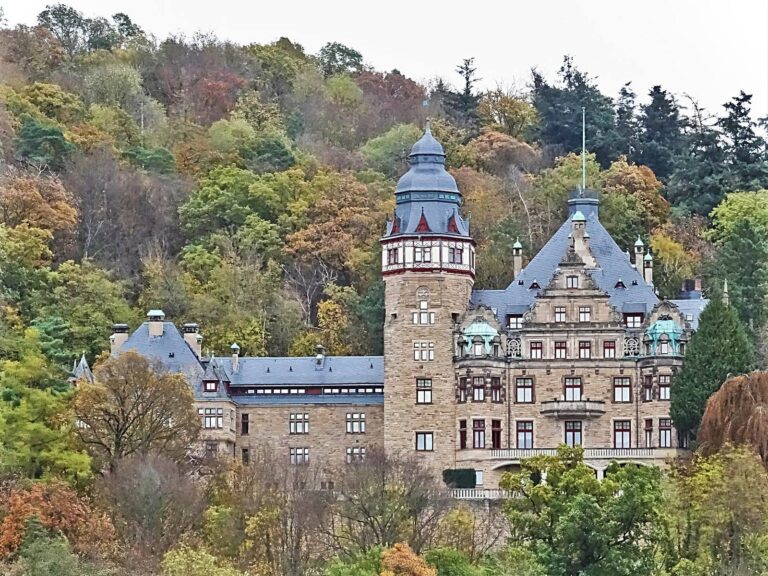
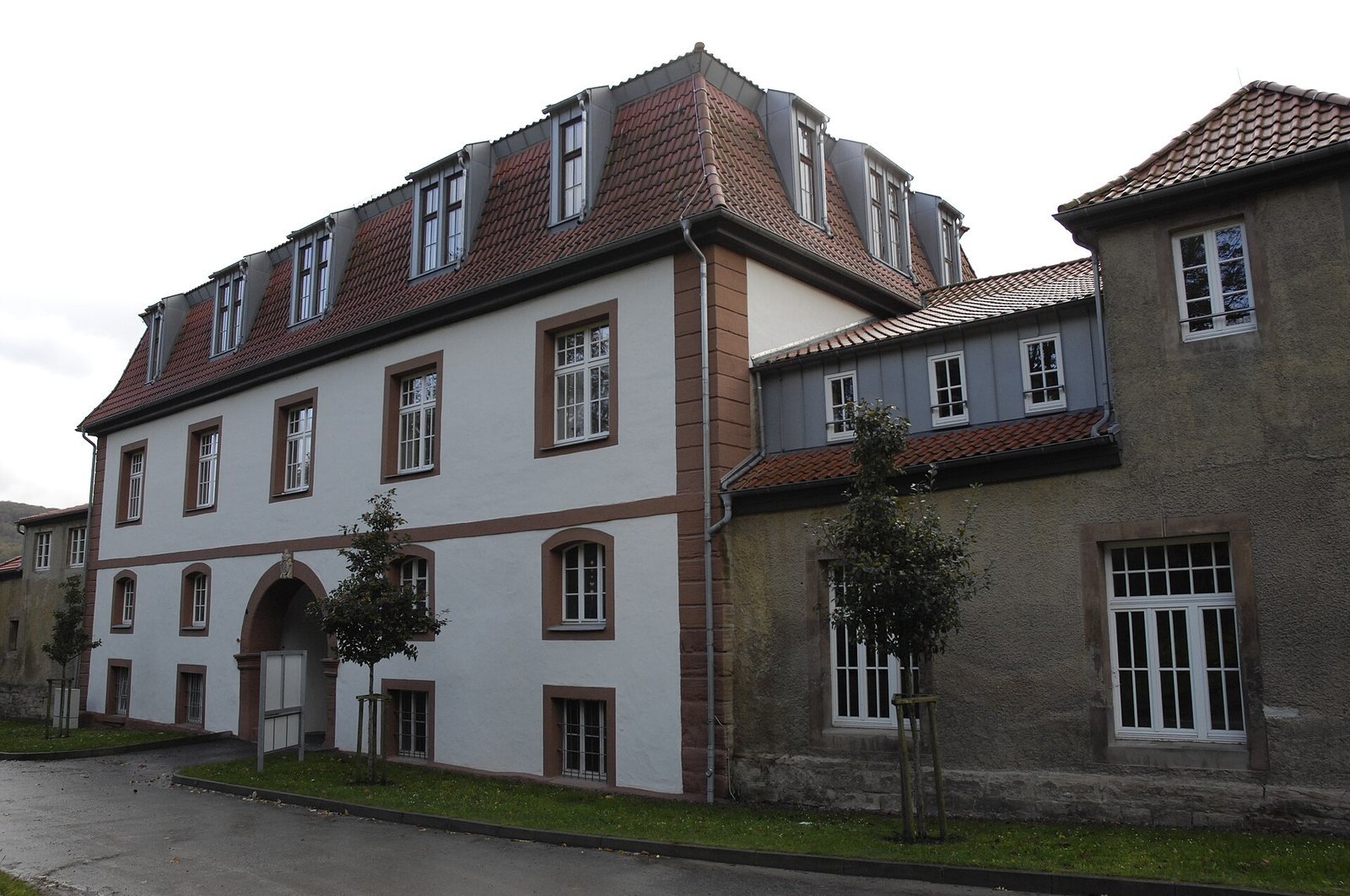
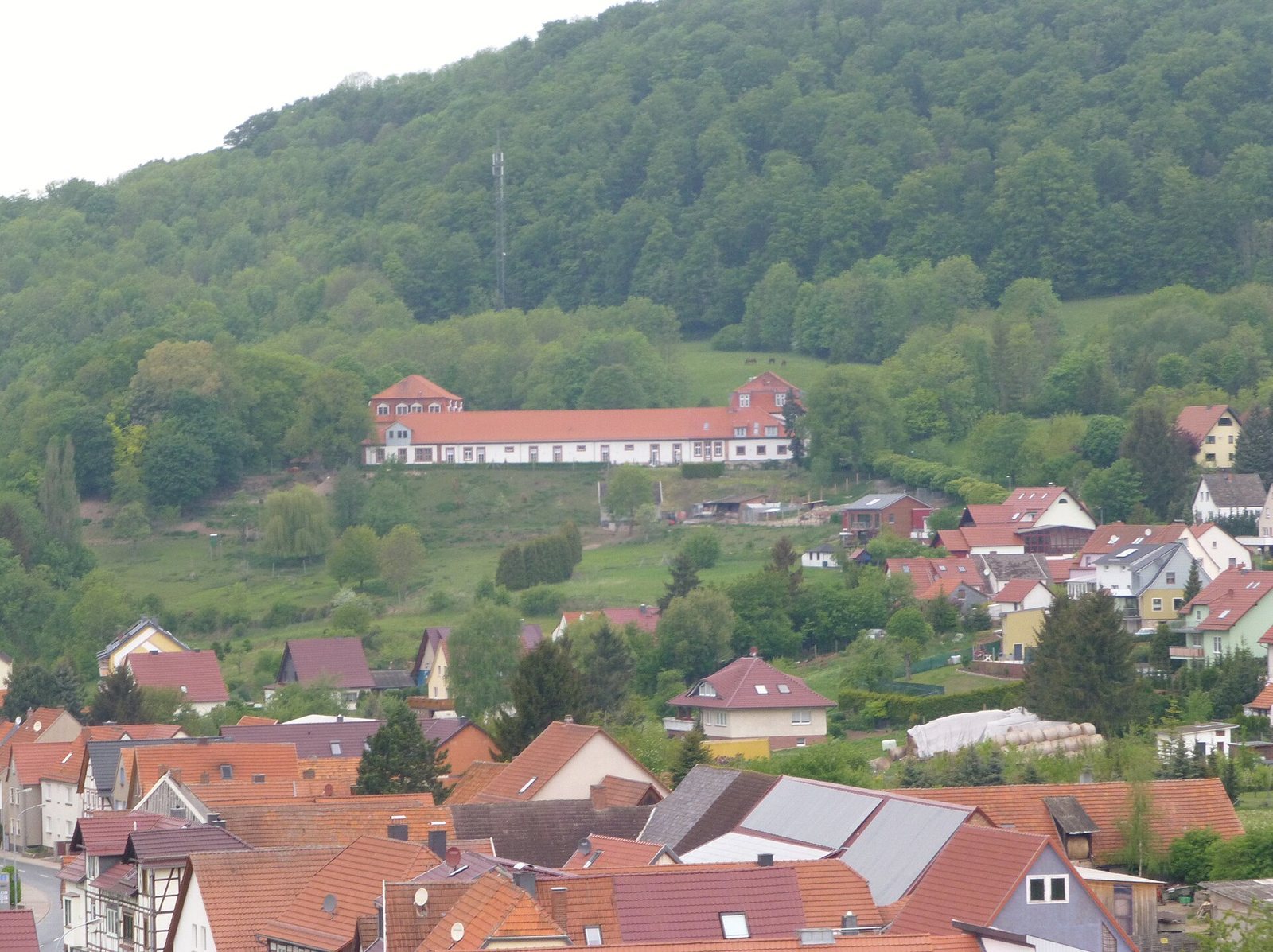
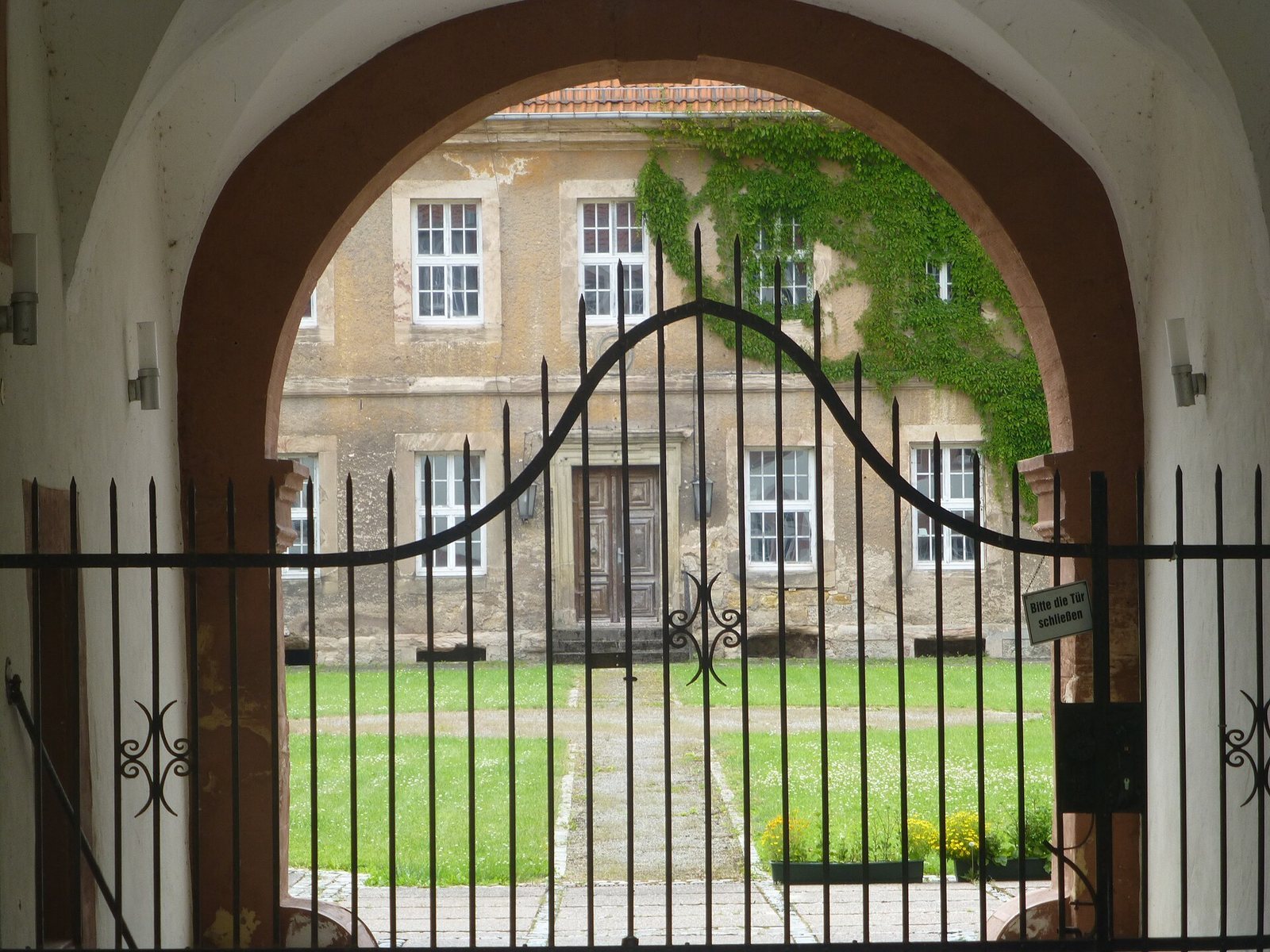
Bischofstein Castle stands above Lengenfeld unterm Stein in Germany. Built in 1747, it served as a summer residence and the administrative seat of bailiffs working for Johann Friedrich Karl von Ostein, Elector of Mainz. The Electorate of Mainz was a principality of the Holy Roman Empire ruled by archbishop-electors. The archbishop of Mainz owned the castle when it was built.
The Amt and the electoral residence
The administrative district called Amt Bischofstein developed from the castle district around Stein Castle after a change of ownership. It encompassed Bebendorf, Diedorf, Döringsdorf, Ershausen, Faulungen, Geismar, Großbartloff, Heyerode, Hildebrandshausen, Katharinenberg, Krombach, Lehna, Misserode, Lengenfeld, and Wilbich. The abandoned settlements of Stadt Stein and Kubsdorf also belonged to the district. In 1583, Frieda, formerly associated with Eichsfeld, and Döringsdorf, formerly Hessian, were exchanged between the Electorate of Mainz and the Landgrave of Hesse, a German princely ruler. From the seventeenth century, the neighboring Amt Greifenstein was administered from Bischofstein as well.
Members of the Lords of Hanstein served among the district’s early officials; later, the Elector of Mainz appointed them. Its administration included a bailiff, judge, clerk, scribe, and messenger. The officials exercised lower jurisdiction and maintained a prison at Bischofstein. After the new castle was built, the older Bischofstein castle was abandoned, and the district administration moved to the residence. In 1802, bailiff Franz Christoph Kellner and Judge Löffler held court at Bischofstein, Greifenstein, and Diedorf. Surviving records for Amt Bischofstein-Greifenstein span 1668 to 1817 and are held at the State Archive of Saxony-Anhalt in Wernigerode.
From state domain to boarding school
Secularization, the transfer of church property into secular control, made the castle a Prussian state domain in 1802. A state domain was land owned by the state rather than a private individual. From 1815, Bischofstein served as a country estate and manor.
In 1907, the castle became a rural reform boarding school, combining residential education with the educational principles promoted by German educator Hermann Lietz. From 1920, classical philologist Wilhelm Ripke, a scholar of ancient Greek and Roman language and literature, shared ownership and leadership of the private school with educator Gustav Marseille. Ripke had joined democratic protests against the tsar while studying in St Petersburg and became a committed opponent of National Socialism during the 1920s.
The school resisted several Nazi policies. Pupils did not use the Hitler salute, three Jewish pupils remained enrolled, and the library kept books by authors banned by the regime. Ripke was barred from teaching in 1934 and forced to leave the castle in 1943, when it became a boarding school run by the SS, a major Nazi organization. German artist Käthe Kollwitz, a friend of Ripke, lived at Bischofstein for a time during the Second World War.
Uses in the GDR
After a college for Russian-language teachers closed, a holiday home for teachers opened at the castle in 1948. The creation of a restricted zone along the inner-German border in 1952 meant guests needed permits to stay, while access to the surrounding area for hiking was limited. The home initially accommodated about 50 holidaymakers in each two-week period; by 1979, capacity had risen to about 170.
In 1985, the East German, state-aligned Free German Trade Union Federation (FDGB) also established its Erfurt district school at the castle, naming it Käthe Kollwitz. The holiday home closed with the end of the German Democratic Republic, while the district school continued there until 1990.
Post-reunification changes
After German reunification, the Treuhandanstalt, the agency managing former East German state property, administered the castle. Freemasons, members of a fraternal organization, leased it in 1991. A cultural and social organization based in Mühlhausen proposed first a combined health, sports, and holiday facility, then a European meeting place for students focused on culture, education, and the arts. These plans were repeatedly delayed and abandoned; work described as renovation damaged the building more than it improved it. Proposals made in 1994 for a European youth meeting place, a heritage-conservation workshop, or a bicycle workshop also came to nothing, and the castle fell into disrepair.
An association founded in 1999 sought to reopen Bischofstein as a boarding school and bought it from the Treuhandanstalt in 2000. A group of investors, mostly former pupils, began gradual renovation in spring 2003. The school arranged pupils’ education with schools in Lengenfeld unterm Stein and Rodeberg, but closed after the 2006–07 school year because enrolment was too low and costs too high. Conversion to an elderly-care home began in late 2008. By 2018, the castle was being used as a care centre.
Remains
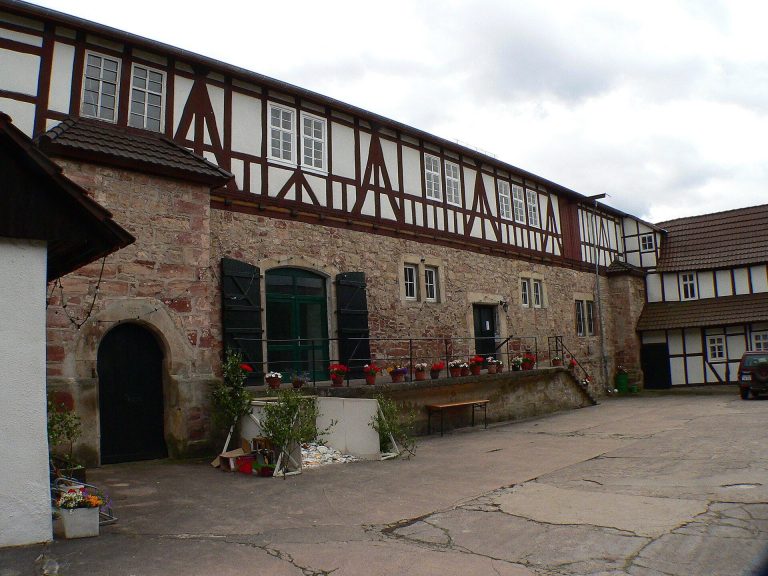
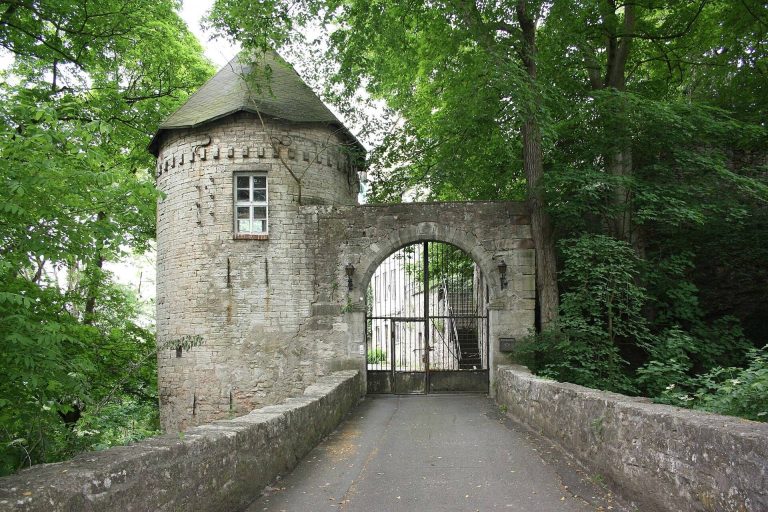
Bischofstein Castle stands above Lengenfeld unterm Stein. Its recorded features include building stone taken from nearby sites, a main entrance, and wings adapted for successive institutional uses.
Fabric and institutional adaptations
Setting and construction
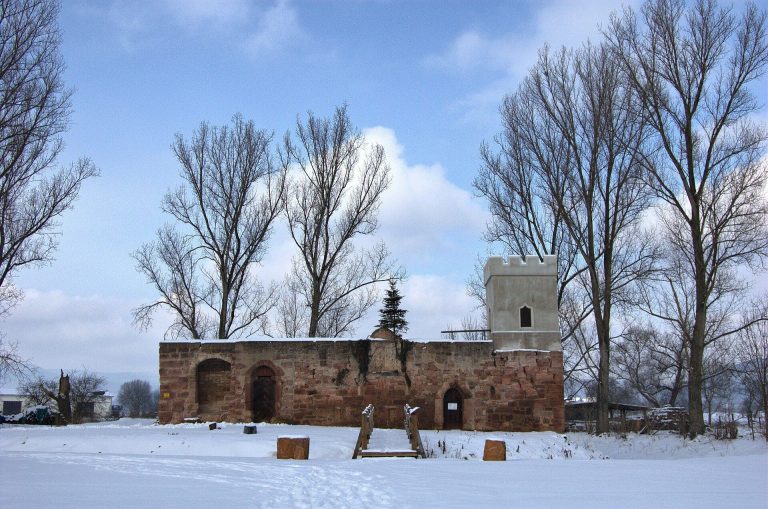
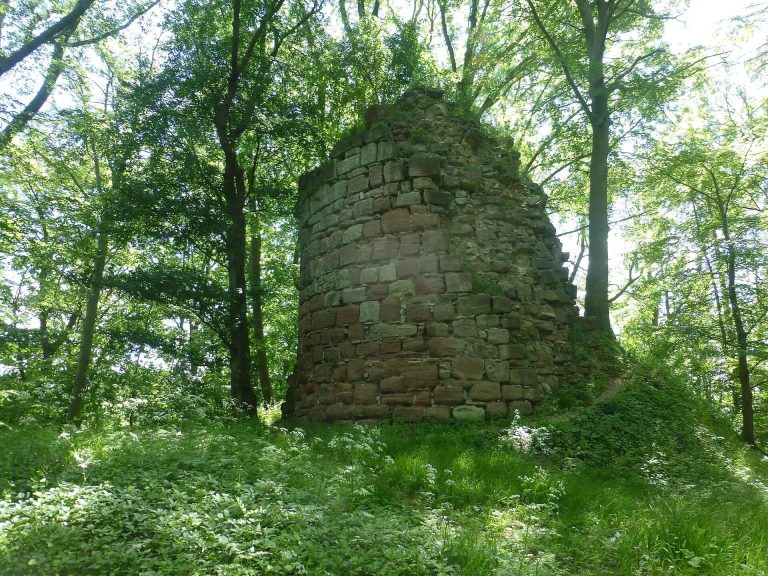
Building stone came from the nearby abandoned settlement of Stadt Stein and from Stein Castle, which had been partly destroyed during the Thirty Years’ War, the European conflict fought from 1618 to 1648.
Main entrance
The coat of arms of the archbishop of Mainz is positioned above the castle’s main entrance, recalling the ownership of the building when it was constructed.
Holiday-home interiors
During its use as a holiday home, the castle contained a library, reading rooms, club rooms, television rooms, and a sports hall with table-tennis tables. The grounds and facilities also included a volleyball court and bowling alley.
Boarding-school wings
In the renovation begun in 2003, the north wing was refurbished for the first boarding pupils. Work on the west wing from 2005 produced several completed classrooms.