Beesenstedt Castle: A Manor House in Saxony-Anhalt
Site at a Glance
- Rating
- 4.2
- Popularity
- Medium
- Country
- Germany
- Primary era
- Modern
- Eras represented
- Modern
- Civilizations
- German, Kingdom of Prussia
- Site type
- Domestic
- Remains
- Castle
On this page6 sections
History
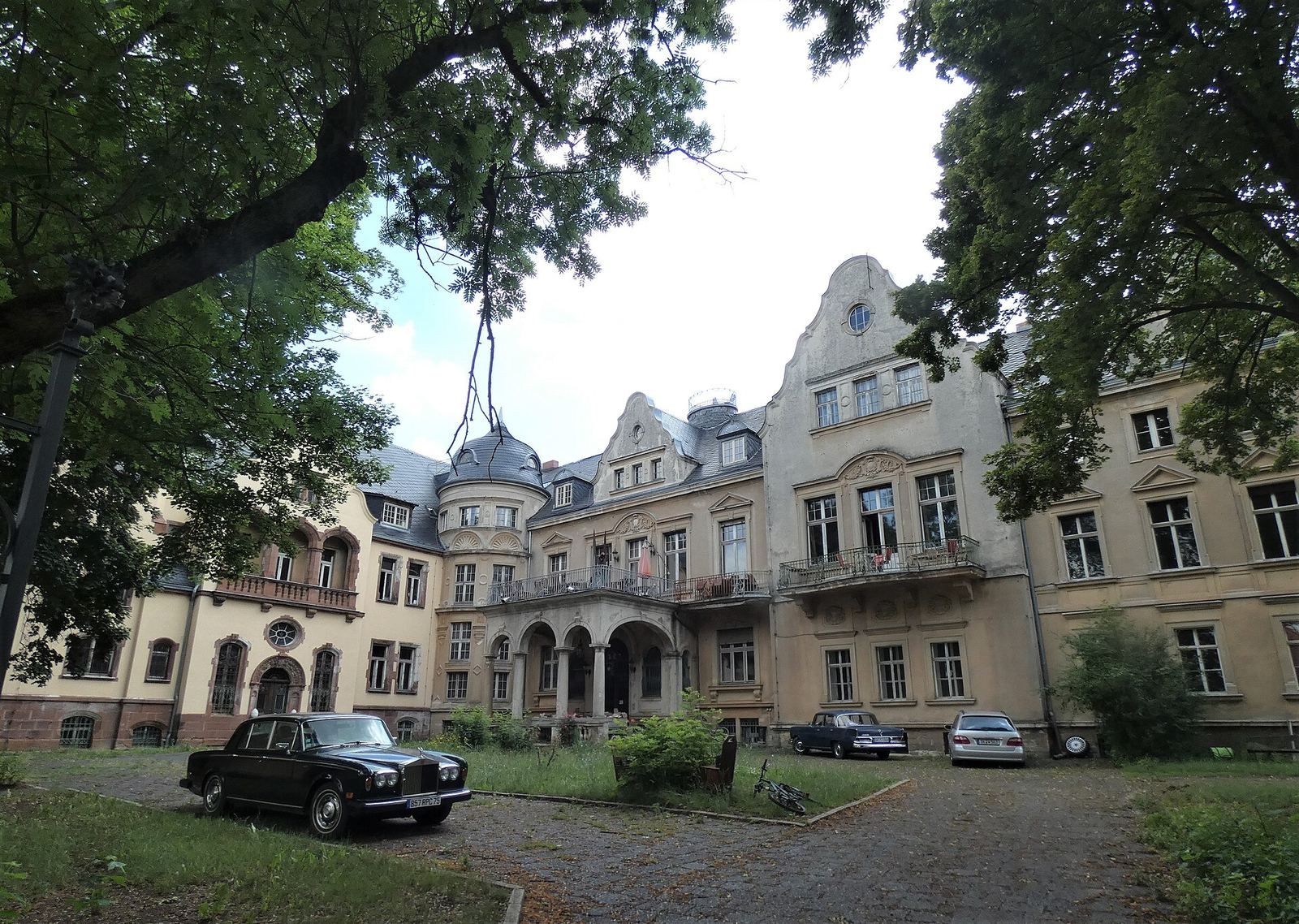
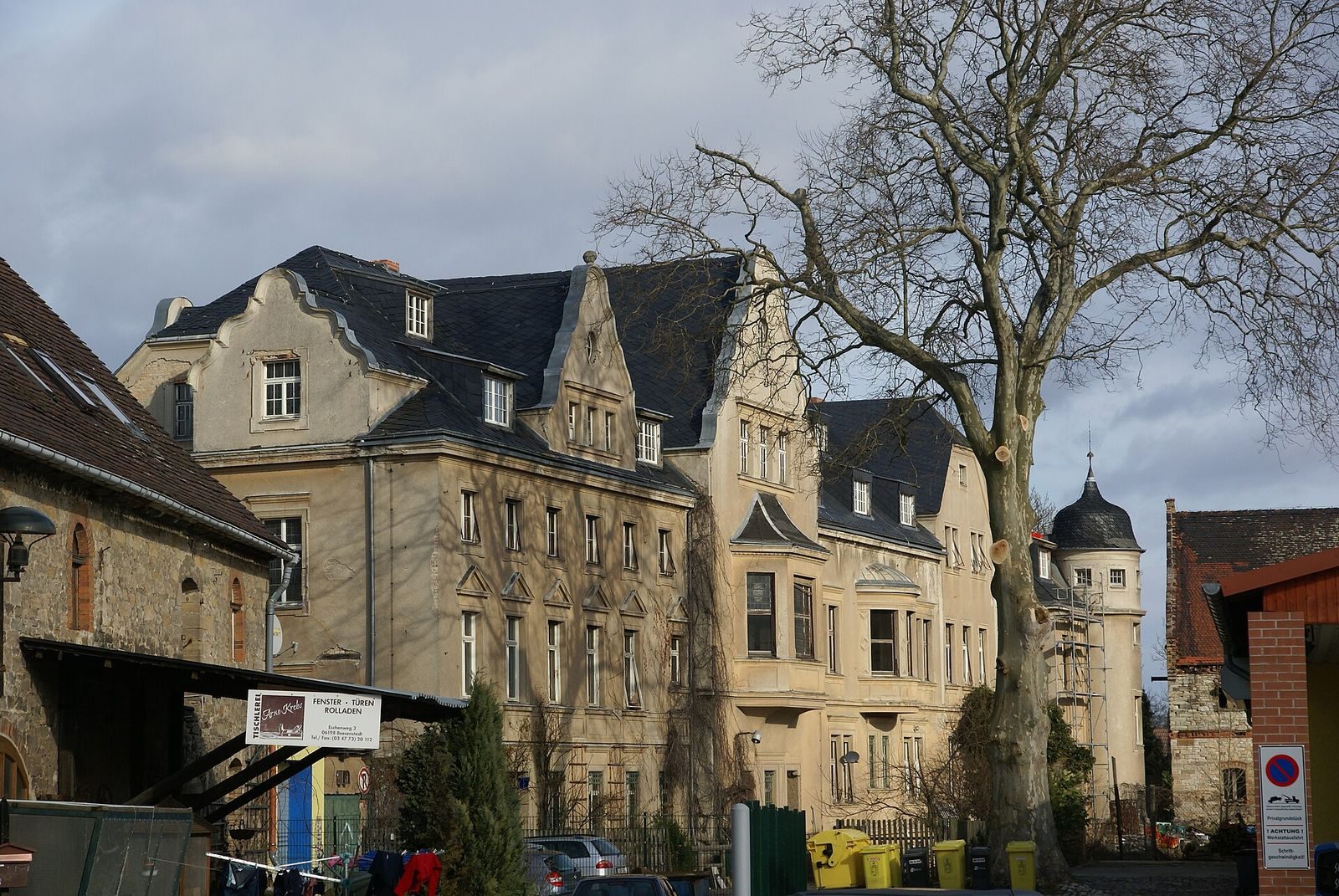
Beesenstedt Castle is a manor house in Beesenstedt, Saxony-Anhalt, Germany, built in 1894 for Herrmann Nette. The Nette family lived there until 1947 and owned the property until its expropriation in 1945. The family traced its ancestry to Friedrich Gottlieb Klopstock, an eighteenth-century German poet. The castle also served as a meeting house for a Freemasonry lodge, a local group of a fraternal organization.
Expansion and political conflict
A second wing was added in 1915. In 1921, communist militant Max Hoelz looted the castle during the March fighting, a period of political conflict in Central Germany.
Wartime and postwar uses
During the Second World War, the castle housed the headquarters of Saxony’s regional administration. After the war, the Free German Trade Union Federation (FDGB), the German Democratic Republic’s central trade-union organization, used the building for its Otto Schlag central school. The school made use of more than 100 rooms. After the German Democratic Republic ended in 1990, the castle stood vacant until 1996.
Remains
Exterior and room arrangement
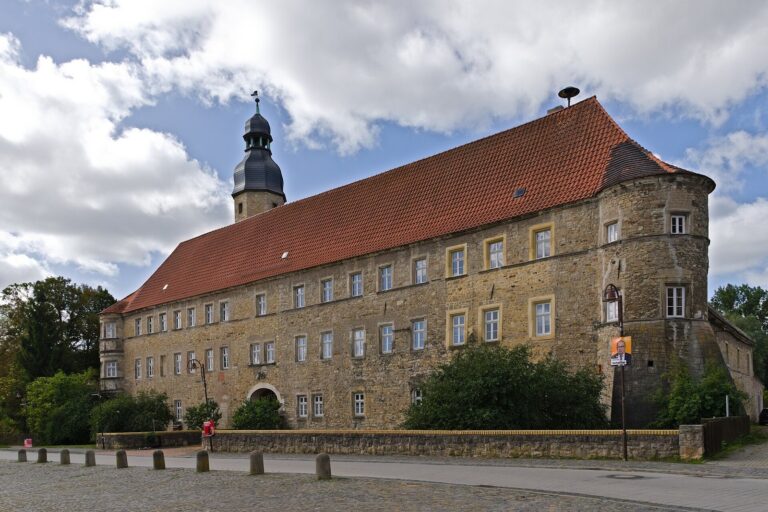
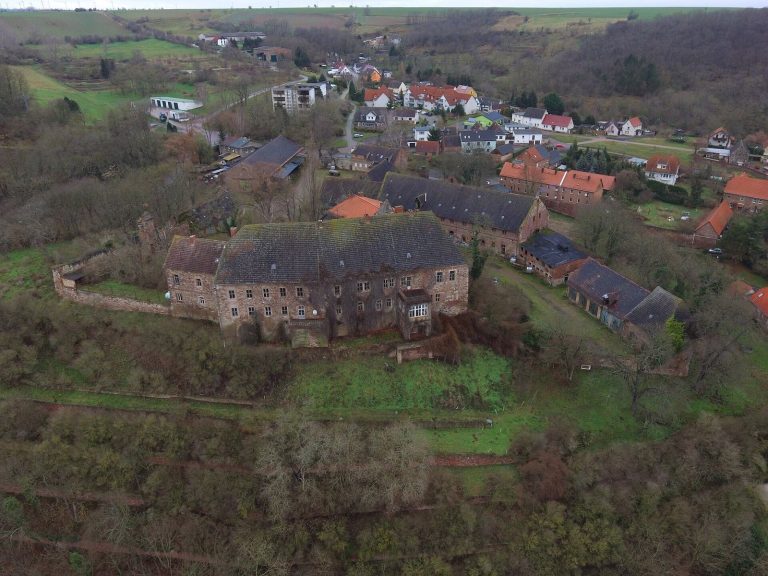
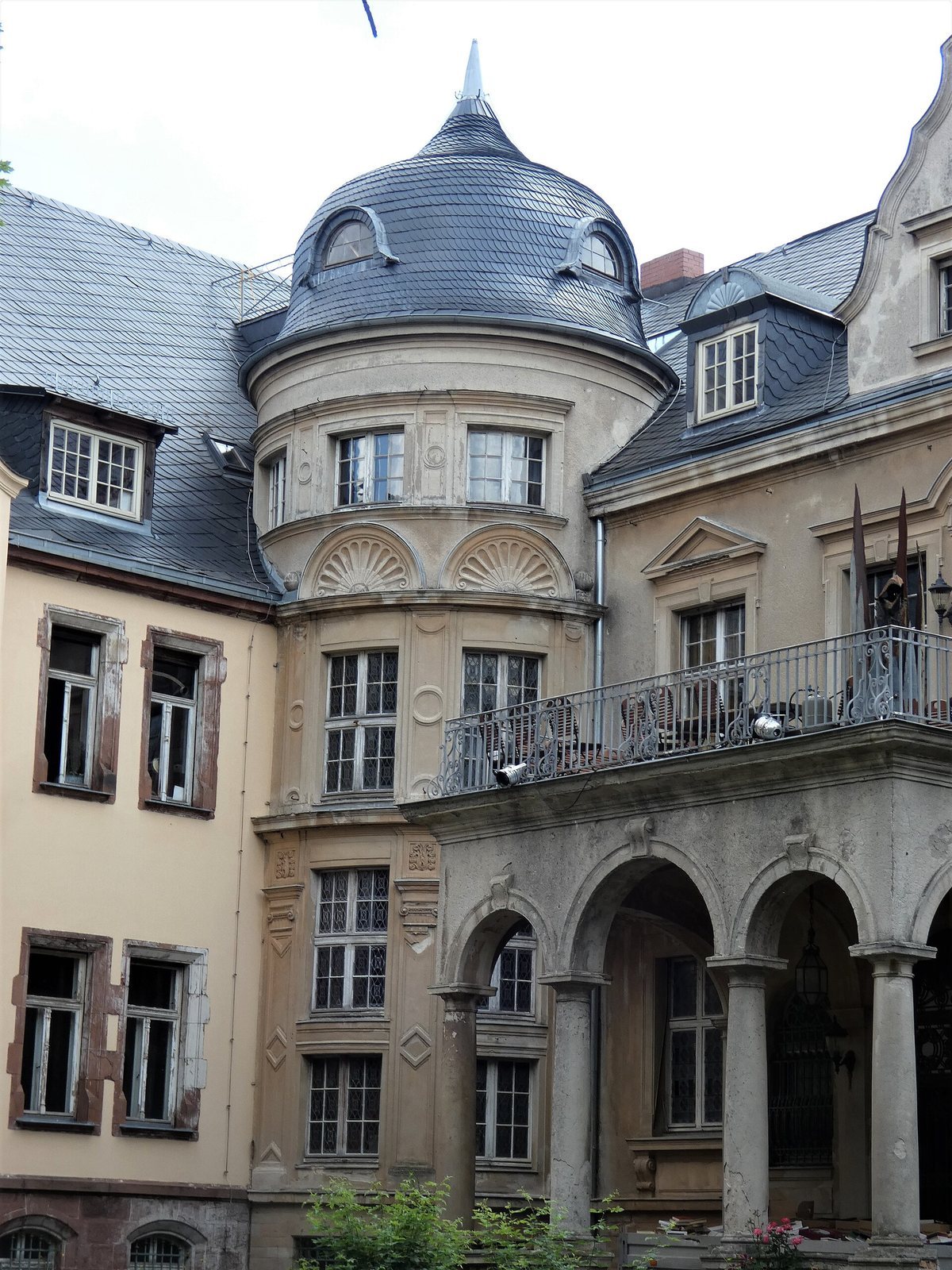
The facade has numerous projections, balconies, and towers. Inside, the original arrangement of the rooms has survived.
Upper-floor hall
A large hall on the upper floor retains delicate stucco ornament on its ceiling and a fireplace.